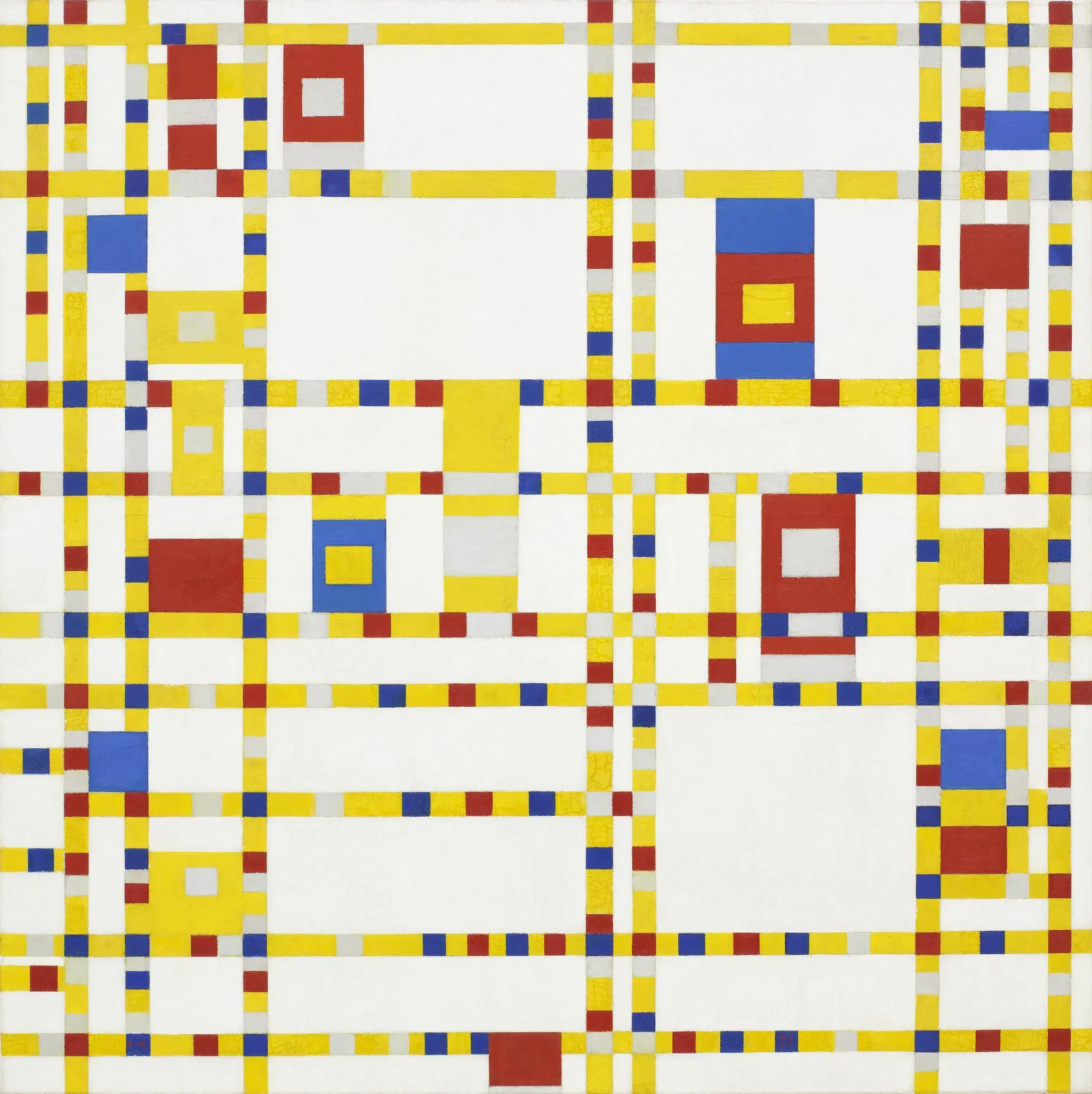
Broadway Boogie Woogie
#49
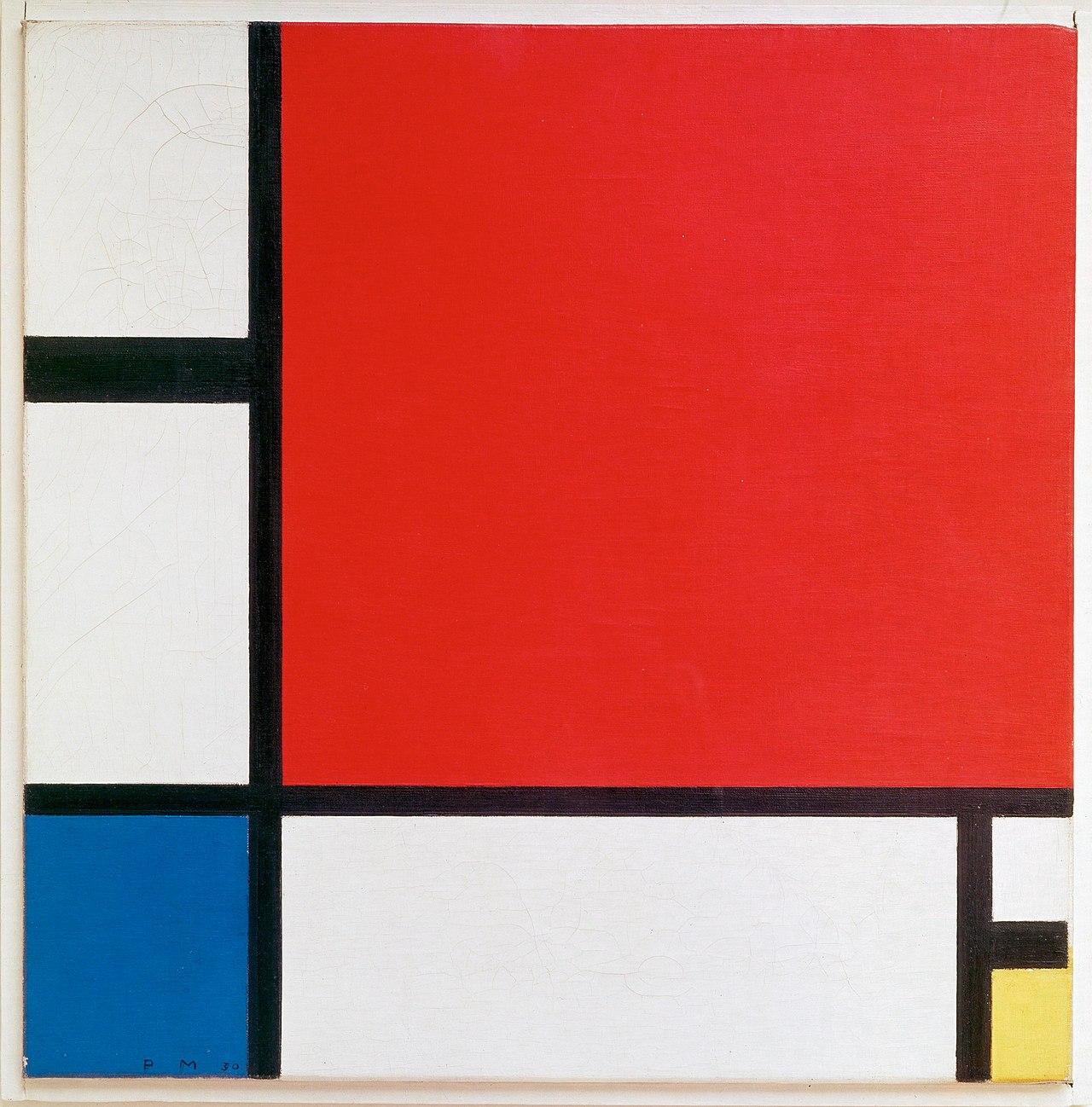
Meet the artist
PPiet Mondrian1872–1944Dutch
Dates
1942–1943
Specifications
- Dimensions
- 127 × 127 cm
Wikimedia Commons
About the Artwork
Piet Mondrian's "Broadway Boogie Woogie," completed in 1943, is a vibrant and energetic painting that marks a significant shift in his artistic style. Painted after his move to New York City in 1940, it departs from the stark, minimalist aesthetic of his earlier work, embracing a more dynamic and complex composition. The painting depicts an abstract representation of the city grid of Manhattan, infused with the lively rhythms of boogie-woogie music, a genre Mondrian deeply admired. Instead of solid black lines, Mondrian uses small blocks of primary colors to create a sense of movement and vibrancy, mimicking the bustling energy of New York City streets and the improvisational nature of the music.
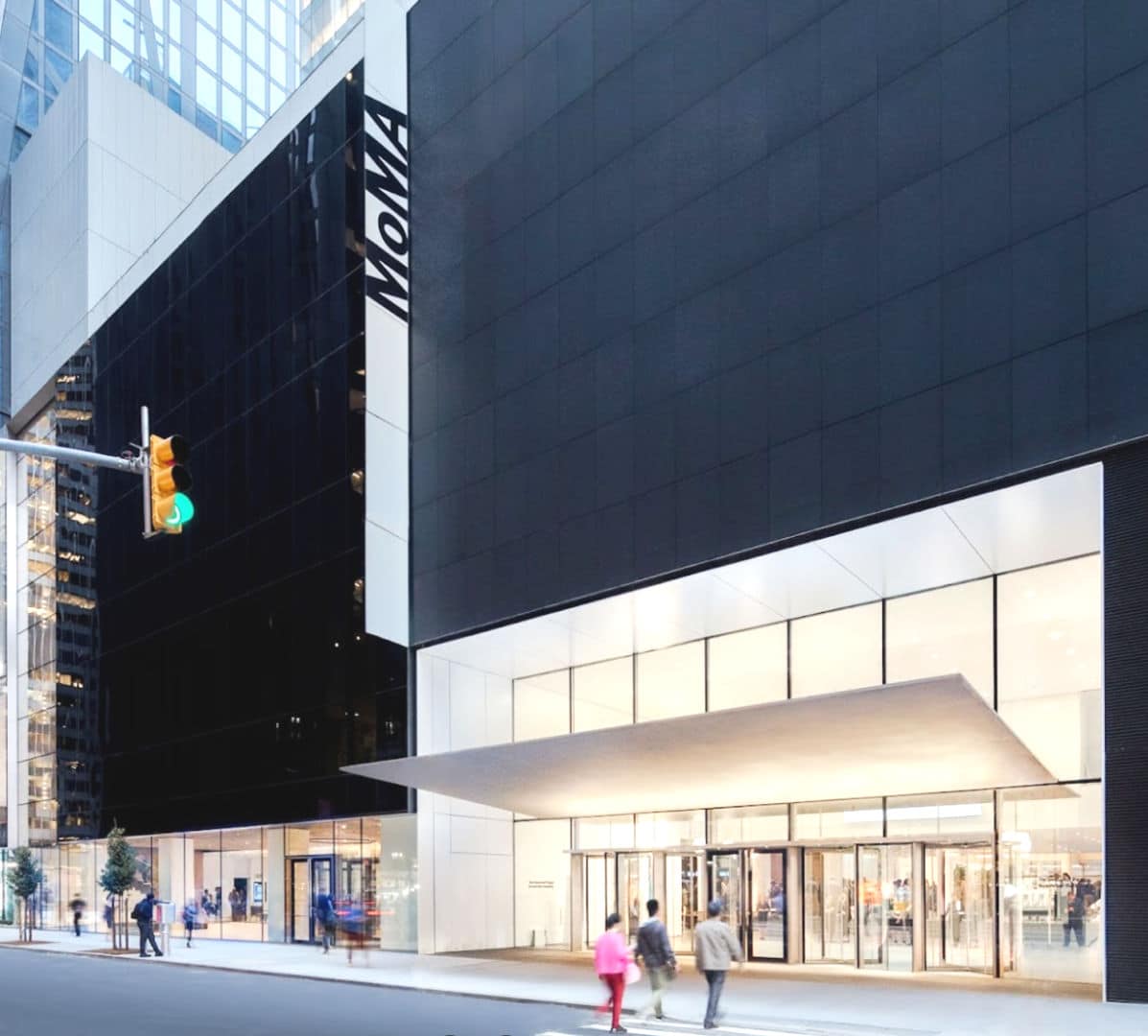
Historically, "Broadway Boogie Woogie" represents Mondrian's embrace of American culture and his evolution beyond the strict confines of De Stijl. It showcases his ability to adapt his abstract principles to reflect the dynamic energy of his new environment. The painting's departure from the rigid geometric forms of his earlier works and its incorporation of musical rhythm influenced later generations of abstract artists and contributed to the development of geometric abstraction. Its acquisition by the Museum of Modern Art solidified its place as a pivotal work in the history of modern art.
The artistic techniques employed in "Broadway Boogie Woogie" are crucial to its impact. Mondrian meticulously arranged the small, colored squares to create a sense of pulsating rhythm and optical vibration. The absence of solid black lines, replaced by colored blocks, adds to the painting's lightness and energy. This innovative approach to color and composition demonstrates Mondrian's mastery of abstract form and his ability to convey complex ideas through simple, geometric elements. The painting matters because it signifies a pivotal moment in Mondrian's career, representing a synthesis of European abstraction and American culture, and showcasing the power of art to capture the spirit of a place and time.
How to experience it
move closer to see tiny color shifts in the grid
Don’t stop here
More to explore by Piet Mondrian
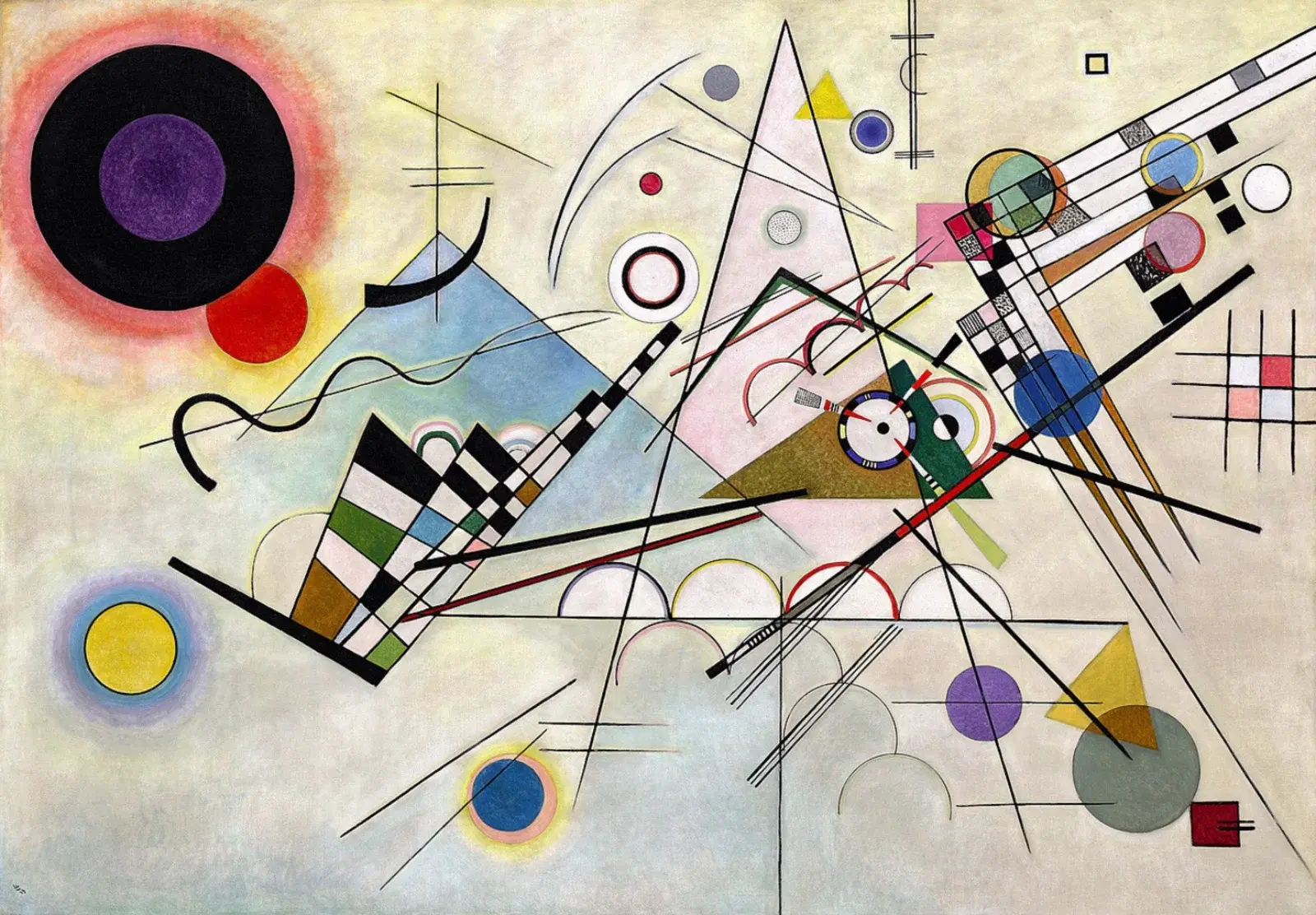
Same feeling, different artists
Similar Works by Other Artists
Keep exploring
Ends soon
Frieze New York 2026
13 May – 17 May 2026
The Shed New York
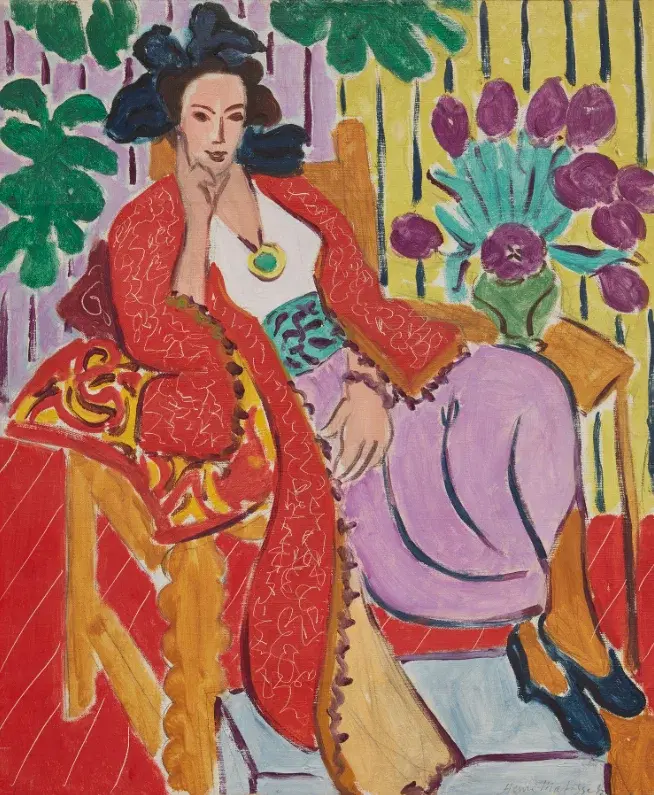
Matisse. The Pursuit of Harmony
9 Apr – 22 May 2026
Acquavella Galleries
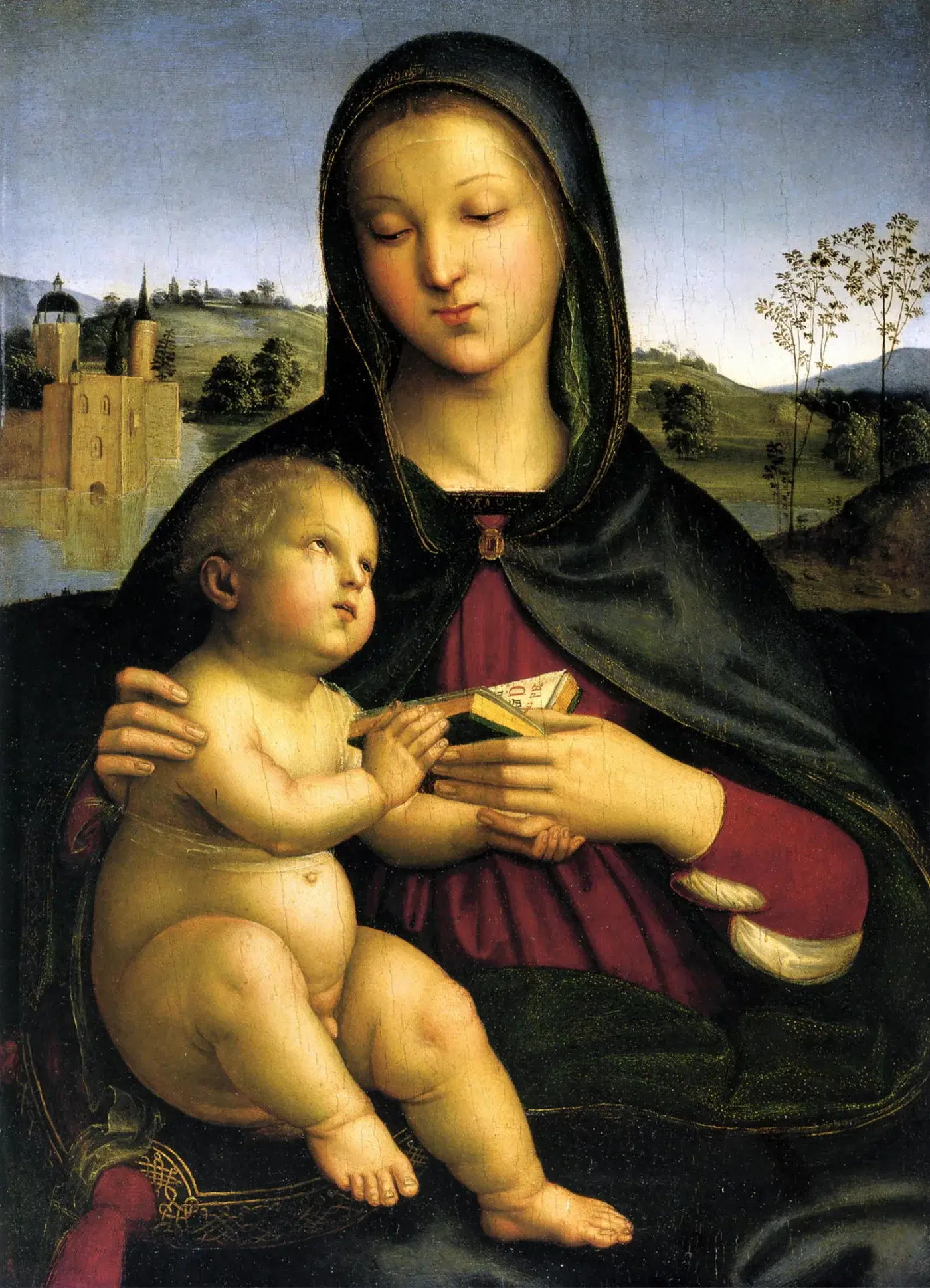
Raphael: Sublime Poetry
29 Mar – 28 Jun 2026
Metropolitan Museum of Art
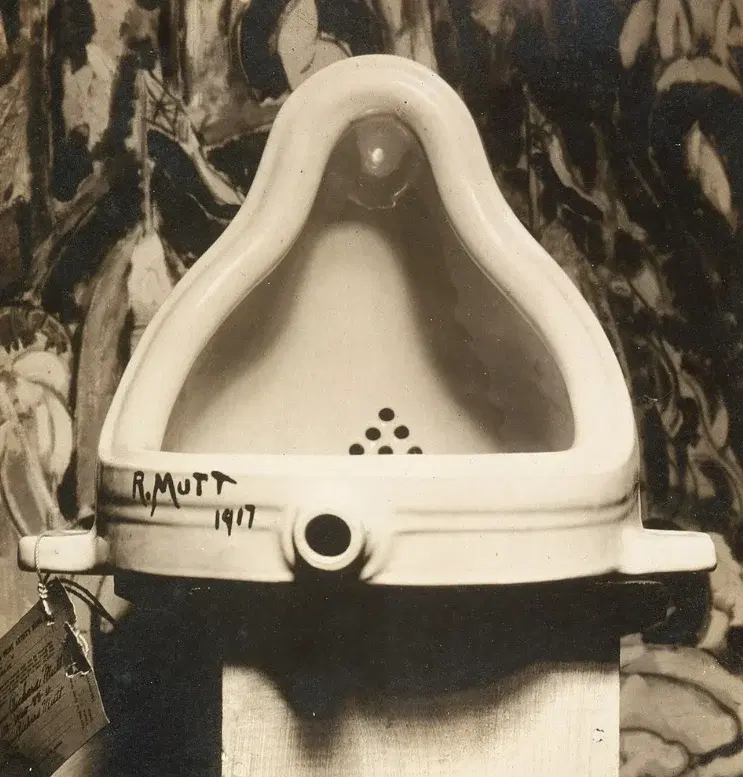
Marcel Duchamp
13 Apr – 22 Aug 2026
MoMA The Museum of Modern Art

Whitney Biennial 2026
8 Mar – 23 Aug 2026
Whitney Museum of American Art
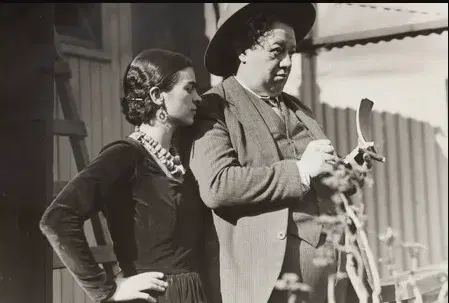
Frida and Diego. The Last Dream.
1 Apr – 12 Sep 2026
MoMA The Museum of Modern Art
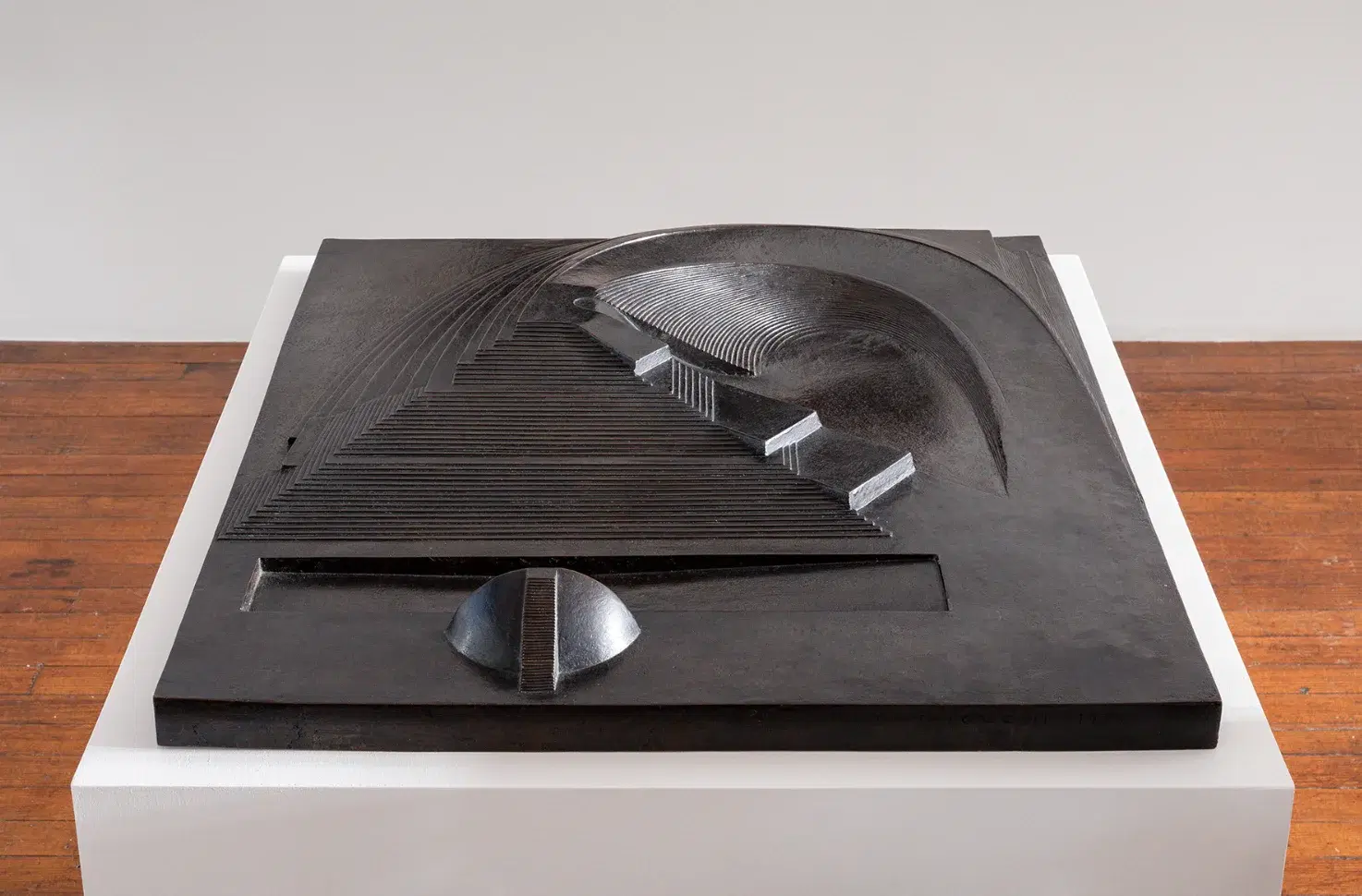
Noguchi’s New York
4 Feb – 13 Sep 2026
The Noguchi Museum
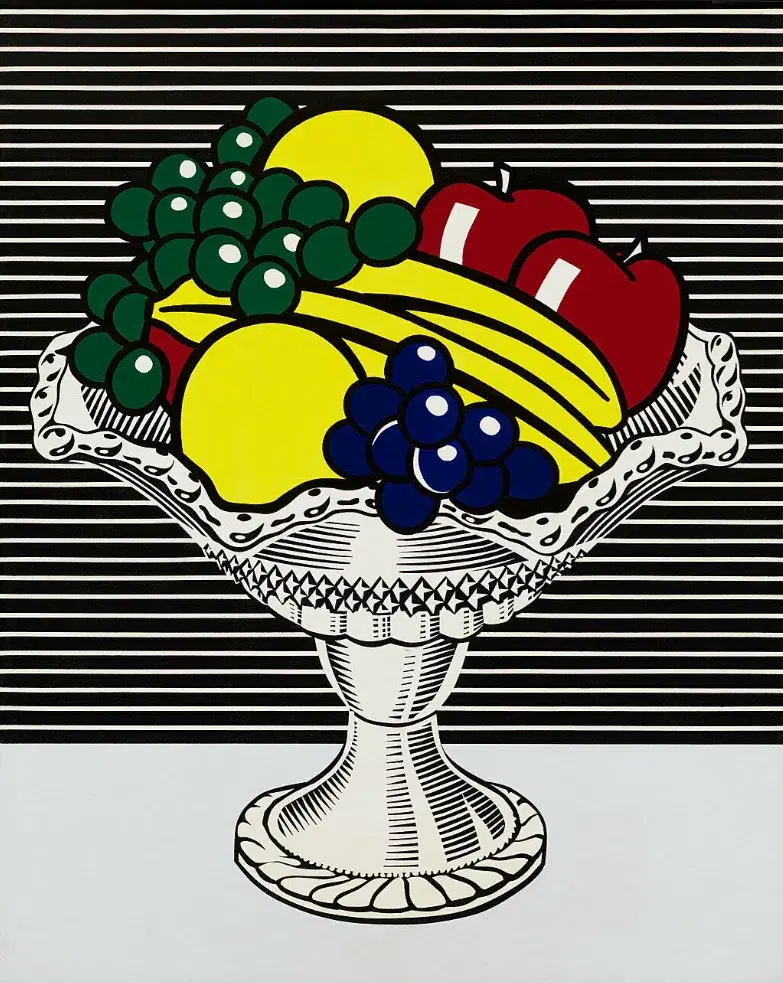
Roy Lichtenstein
1 Oct 2026 – 1 Jan 2027
Whitney Museum of American Art
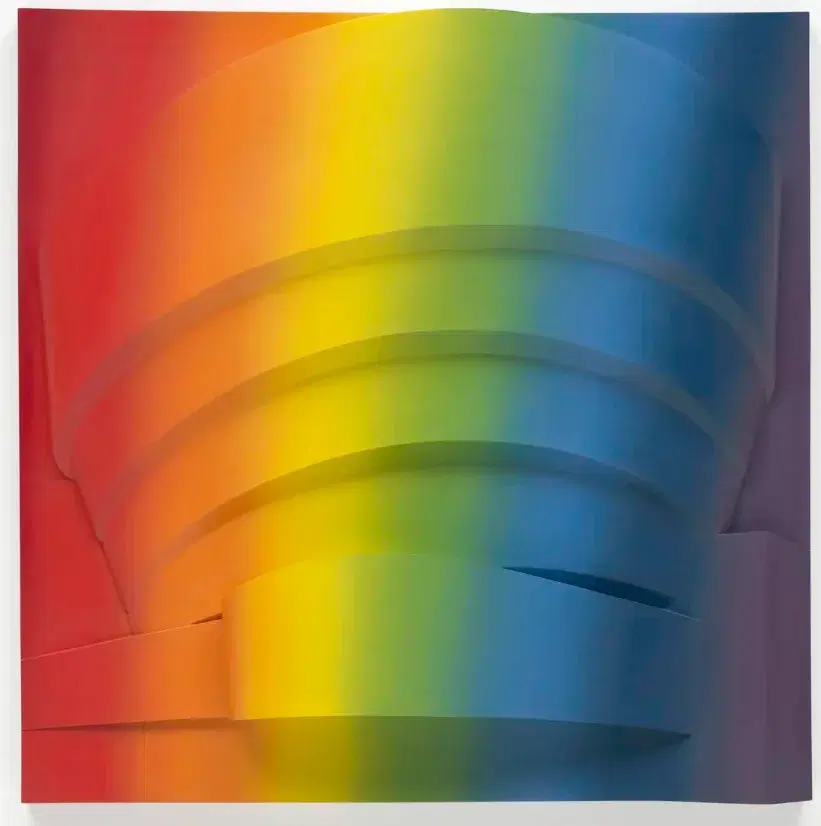
Guggenheim Pop
5 Jun 2026 – 10 Jan 2027
Solomon R. Guggenheim Museum
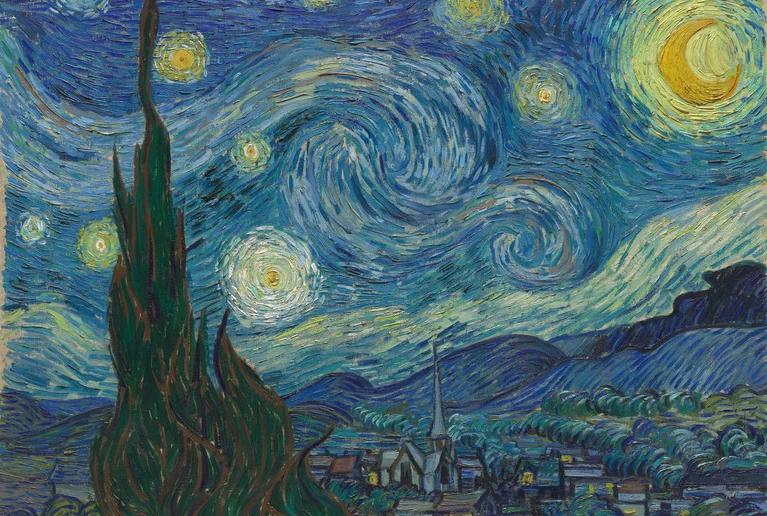
Moma Permanent Collection
MoMA The Museum of Modern Art