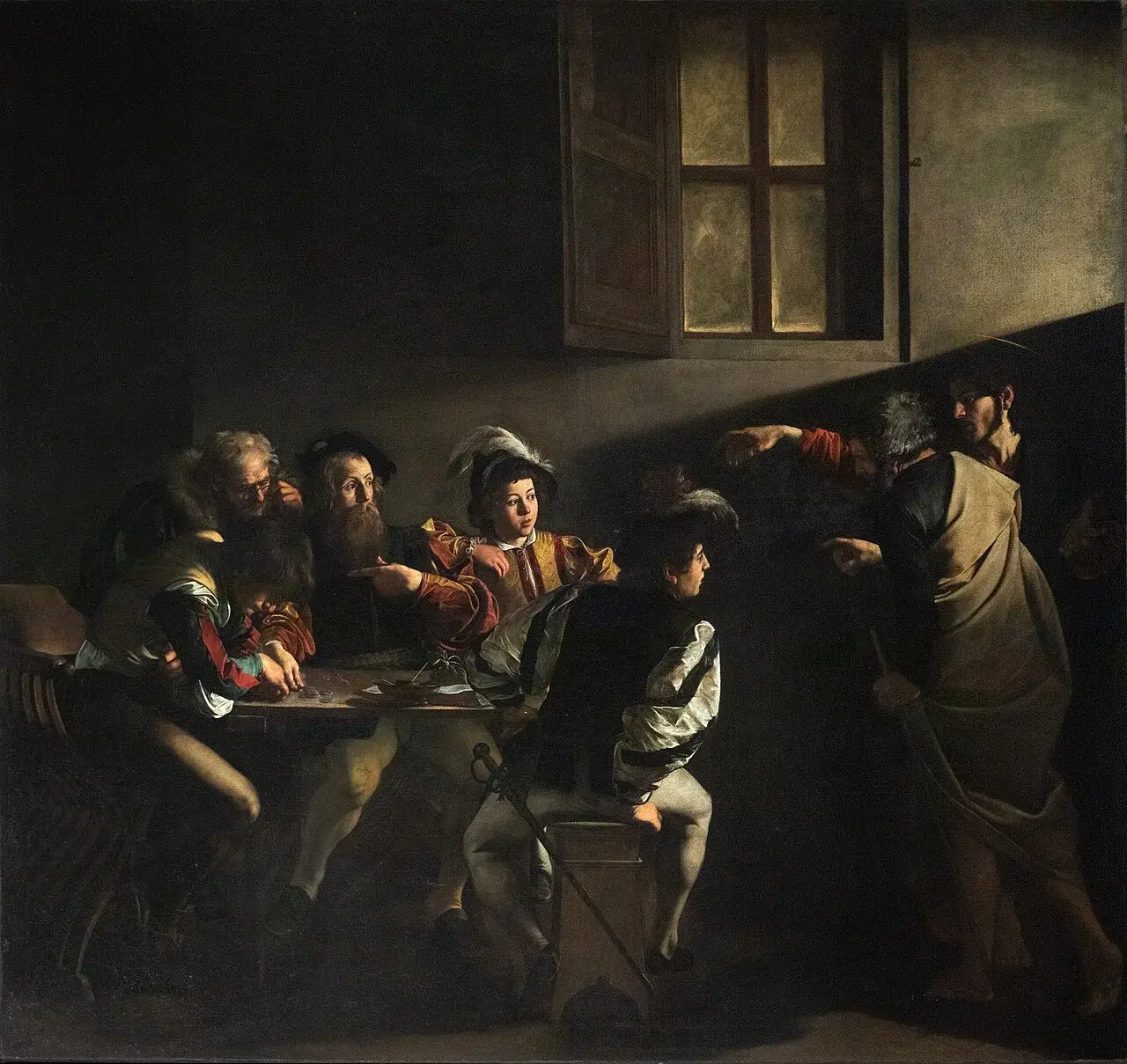
The Calling of Saint Matthew
1599
62% match
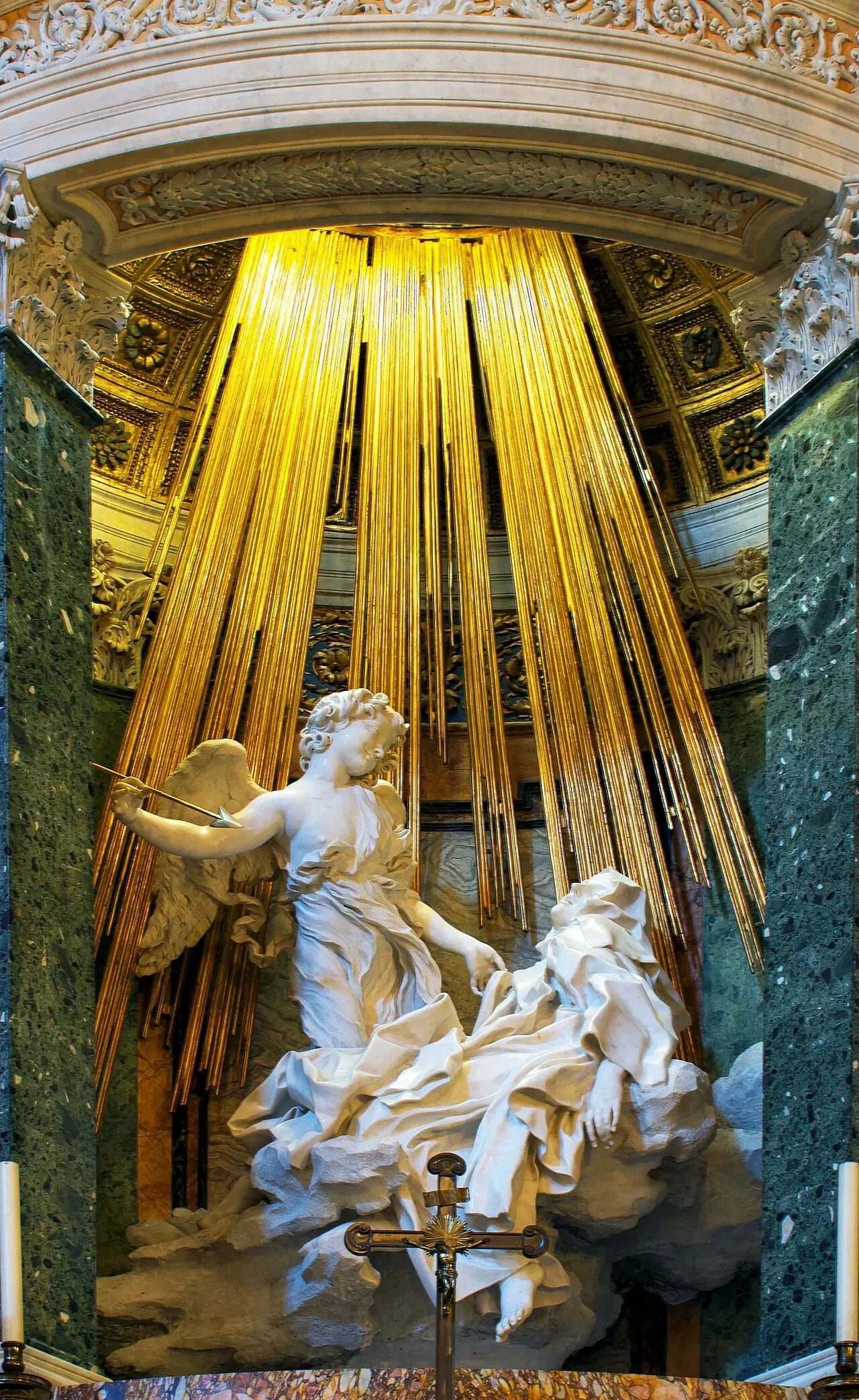
1647–1652
Gian Lorenzo Bernini's "Ecstasy of Saint Teresa," located in the Cornaro Chapel of Santa Maria della Vittoria in Rome, is a defining masterpiece of the High Roman Baroque. Completed in 1652, this sculptural altarpiece doesn't just depict a scene, it creates a theatrical experience. At its heart lies Saint Teresa of Ávila, a 16th-century Carmelite nun, captured in a moment of religious ecstasy as described in her autobiography. An angel, poised with a golden spear, pierces her heart, evoking a sensation of both intense pain and overwhelming spiritual sweetness. Bernini masterfully translates Teresa's mystical experience into a tangible, dramatic form.
Historically significant, "Ecstasy of Saint Teresa" represents a shift in artistic sensibilities, embracing drama, emotion, and theatricality. Bernini's innovative approach extended beyond the central sculpture. He designed the entire chapel as a cohesive work of art, integrating sculpture, architecture, and painting. The use of hidden lighting, gilded stucco rays, and the illusionistic frescoed vault create a truly immersive environment. The inclusion of donor portraits of the Cornaro family, seemingly observing the scene from theatre boxes, further blurs the lines between the real and the divine, inviting viewers to become participants in the spectacle.
Bernini’s artistic genius lies not only in his technical skill, evident in the intricate details and emotional expressiveness of the marble figures, but also in his ability to create a multi-sensory experience. The use of contrasting textures, the interplay of light and shadow, and the theatrical arrangement of the figures all contribute to the artwork's power. "Ecstasy of Saint Teresa" matters because it showcases the potential of art to transcend mere representation and create an emotionally and spiritually charged encounter, solidifying Bernini's legacy as a master of the Baroque period.
Same feeling, different artists