The Rokeby Venus
#77
Meet the artist

Diego Velázquez1599–1660Spanish
Dates
c. 1647–1651
Specifications
- Original title
- The Toilet of Venus / Rokeby Venus
- Dimensions
- 122.5 × 177 cm
Wikimedia Commons
About the Artwork
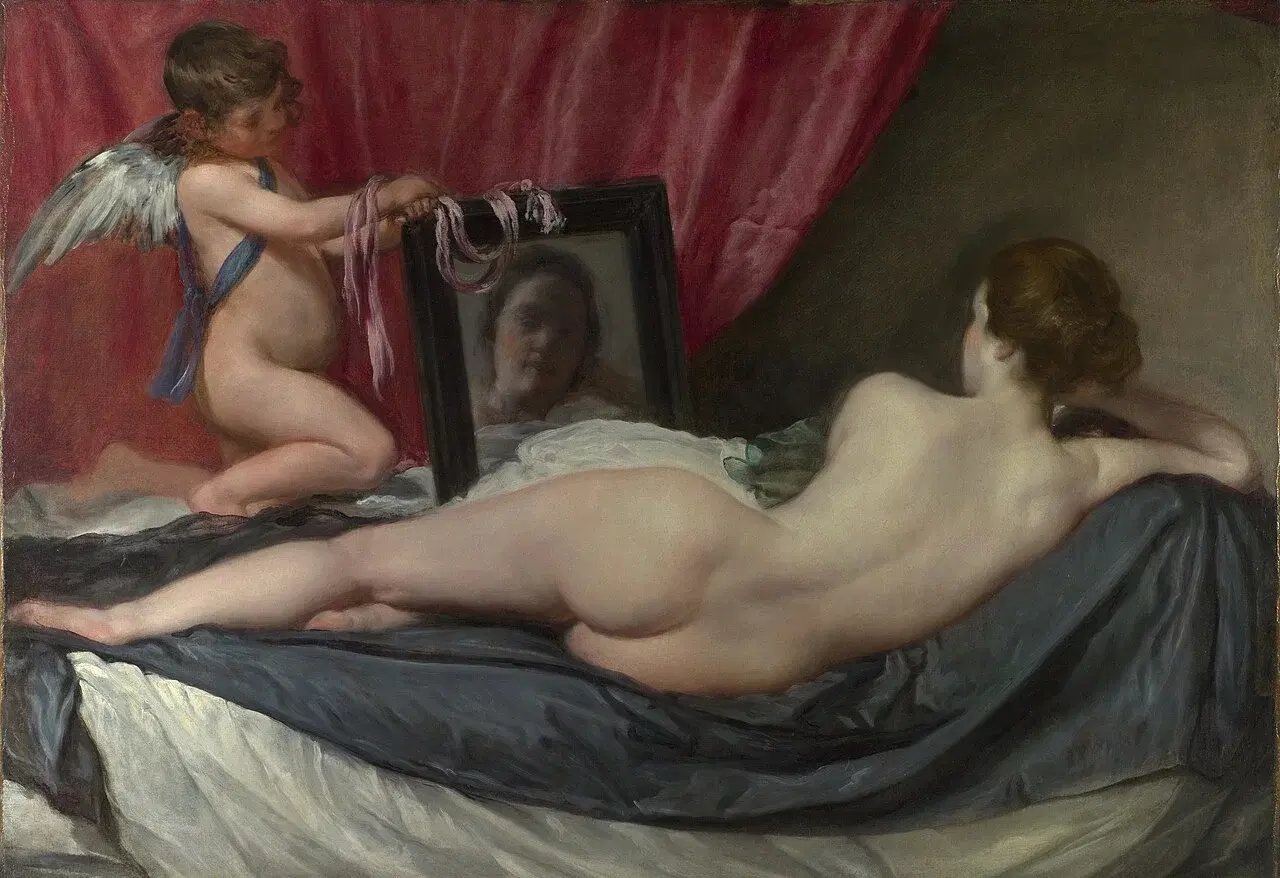
Diego Velázquez's "The Rokeby Venus," painted between 1647 and 1651, is a groundbreaking work that holds a unique place in art history. As the only surviving female nude by the master of the Spanish Golden Age, it presents Venus, the Roman goddess of love and beauty, reclining on a bed with her back turned to the viewer. She gazes into a mirror held by Cupid, creating a captivating composition that challenges traditional depictions of the goddess. The painting's sensuality and daring subject matter were particularly bold for 17th-century Spain, where the Spanish Inquisition held significant sway, making its existence and survival all the more remarkable.
Velázquez masterfully employs light, color, and texture to create a visually stunning and thought-provoking piece. The subtle gradations of skin tone, achieved with blended brushstrokes, contrast with the darker hues of the silk sheets and the wall behind Venus. The use of a mirror as a central element introduces a complex interplay of gazes, prompting viewers to contemplate the nature of beauty, self-perception, and the relationship between the subject, the artist, and the audience. This innovative use of a mirror, coupled with the depiction of Venus's back, represented a pictorial departure from earlier portrayals, making it a significant contribution to the development of nude painting.
"The Rokeby Venus" remains a powerful and relevant artwork for several reasons. Beyond its artistic merit, it offers a glimpse into the complexities of 17th-century Spanish society and the challenges faced by artists who dared to push boundaries. The painting's enduring appeal lies in its ability to provoke thought and inspire discussion about beauty, representation, and the role of art in shaping our perceptions of the world. Despite being attacked in 1914 and again more recently in 2023, the painting has survived and been restored, continuing to captivate audiences at the National Gallery in London and serving as a testament to the enduring power of art.
How to experience it
watch the mirror because it both reveals and withholds the face
Don’t stop here
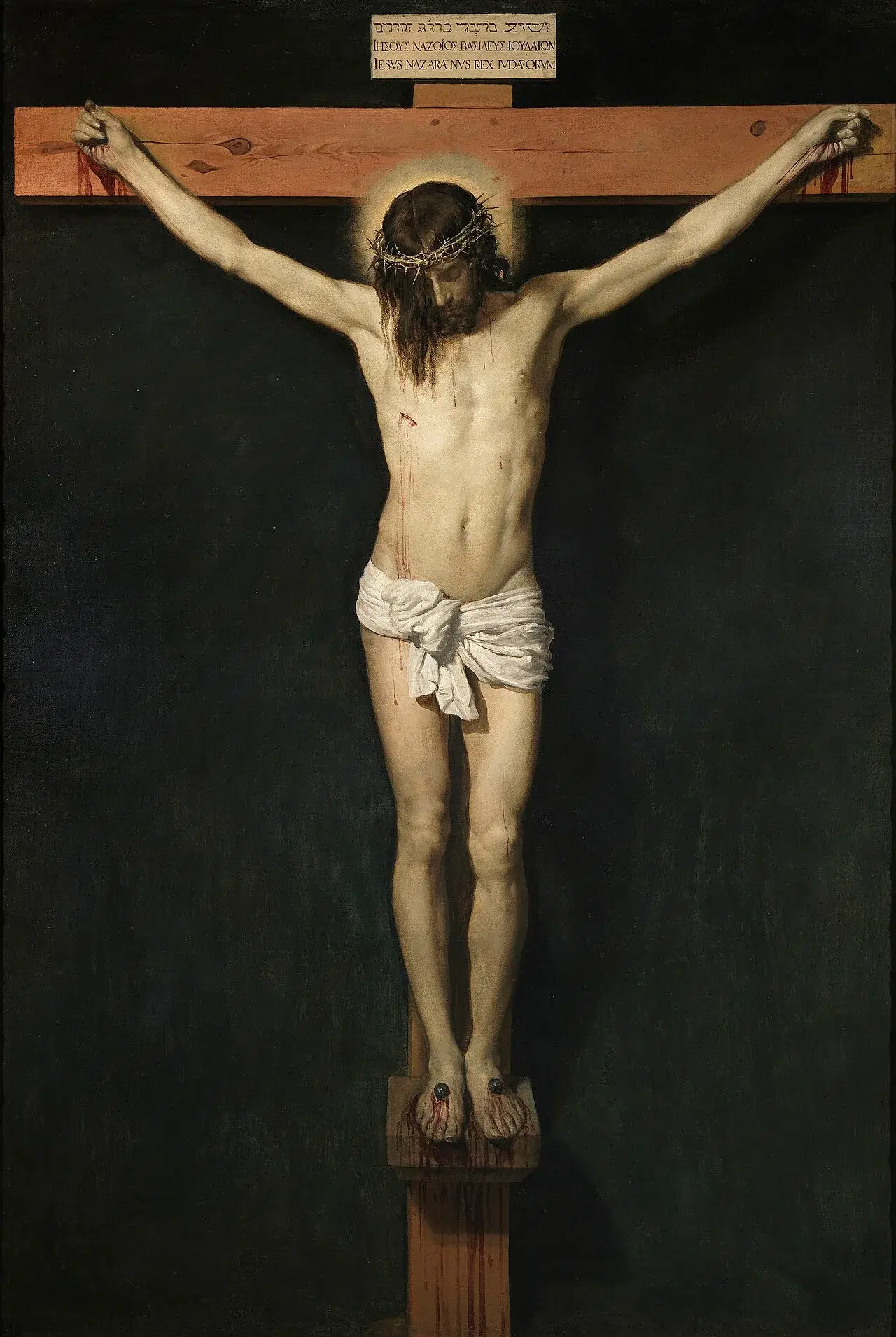
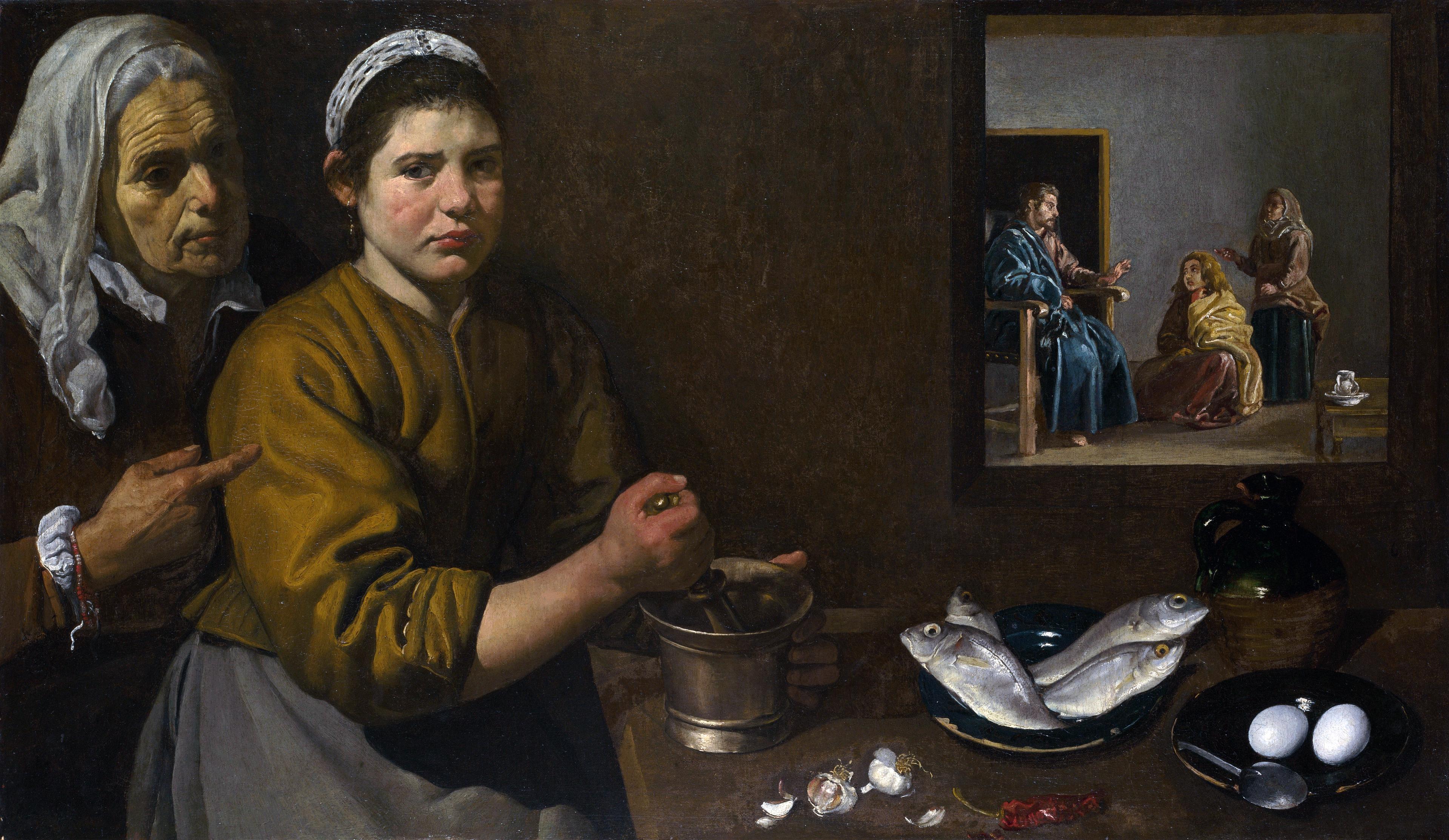
More to explore by Diego Velázquez
Same feeling, different artists
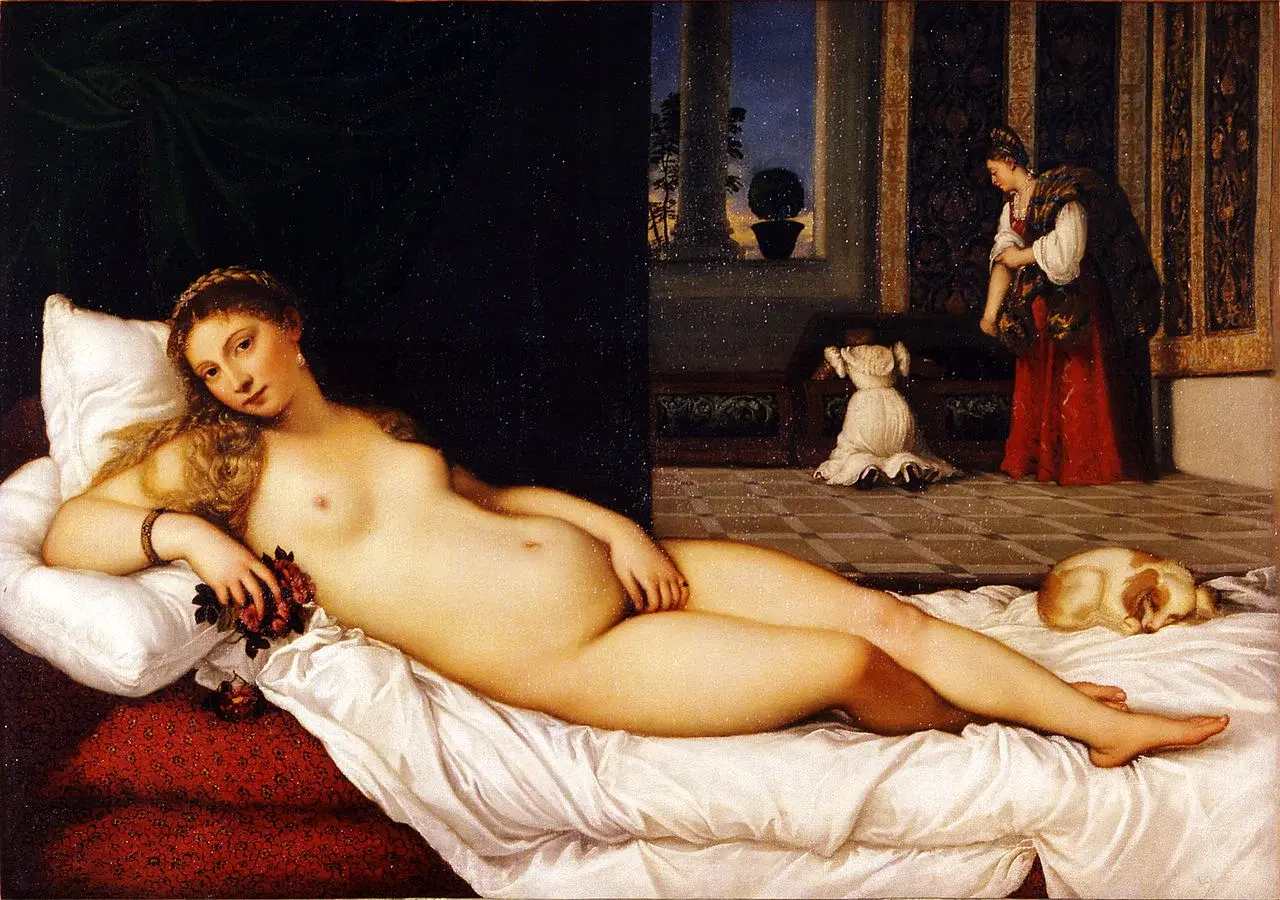
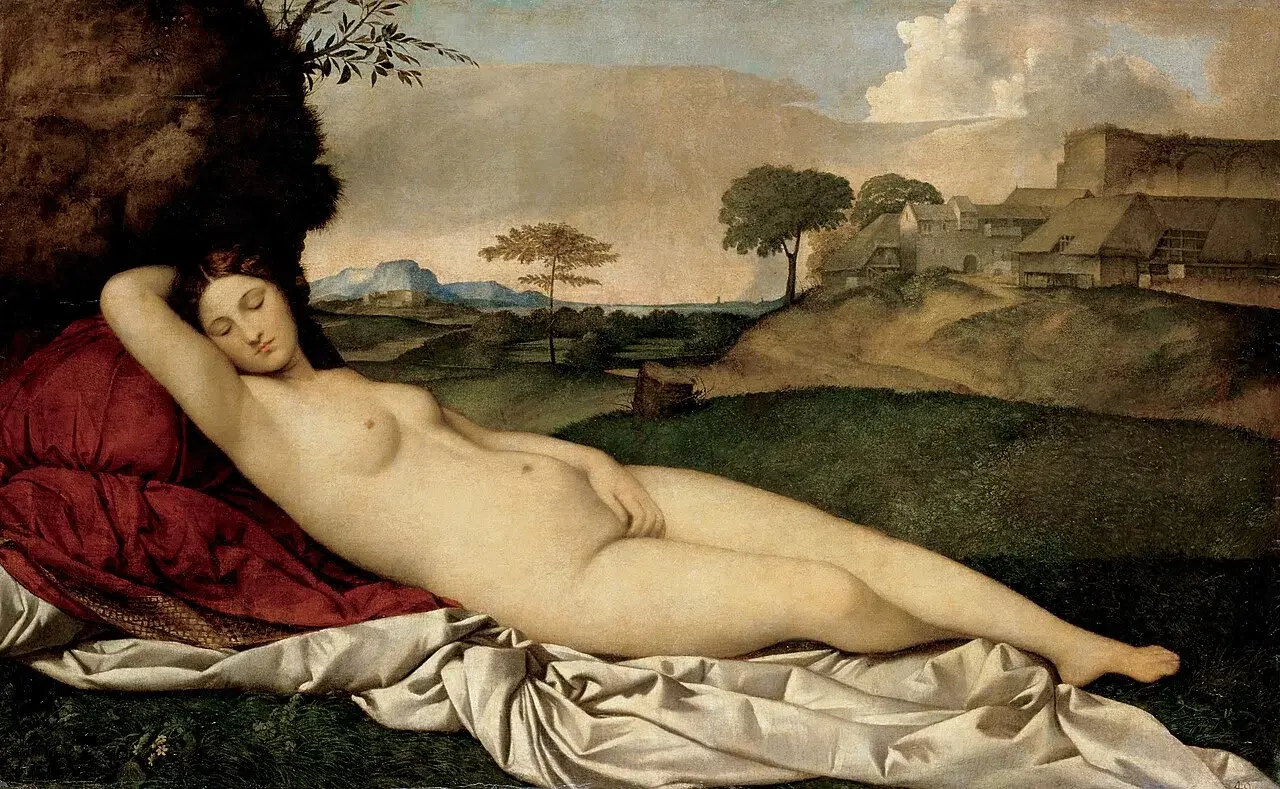
Similar Works by Other Artists
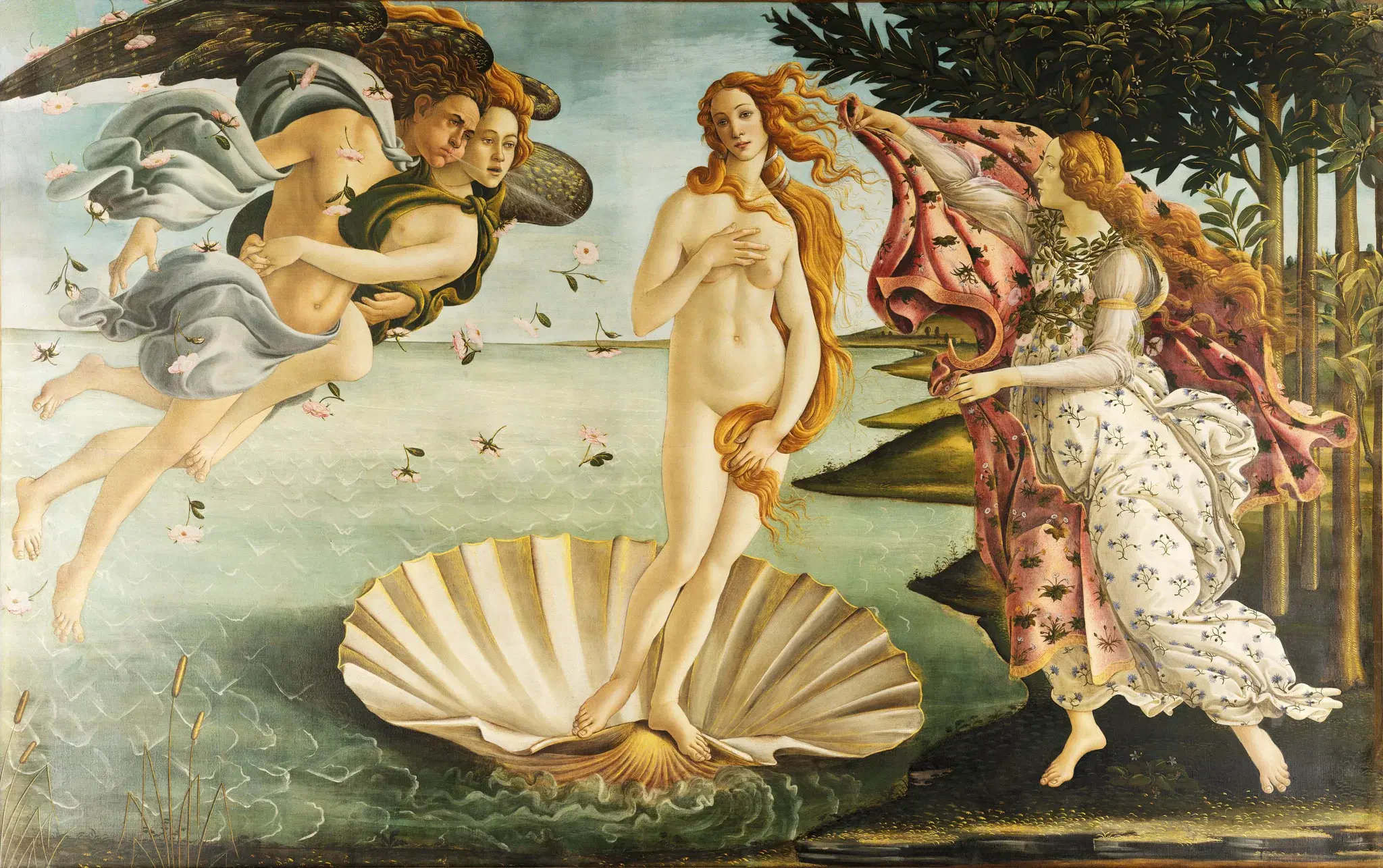
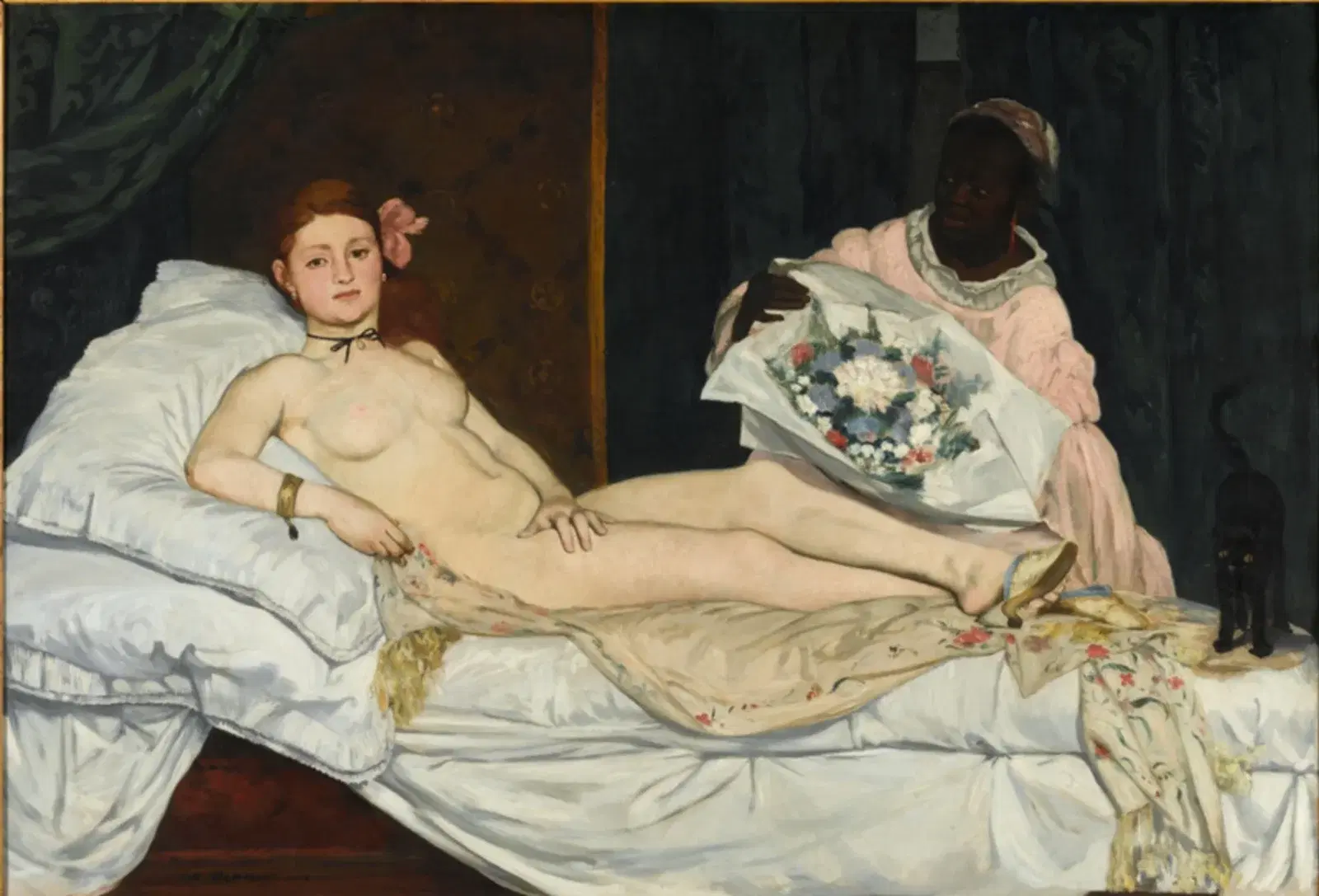
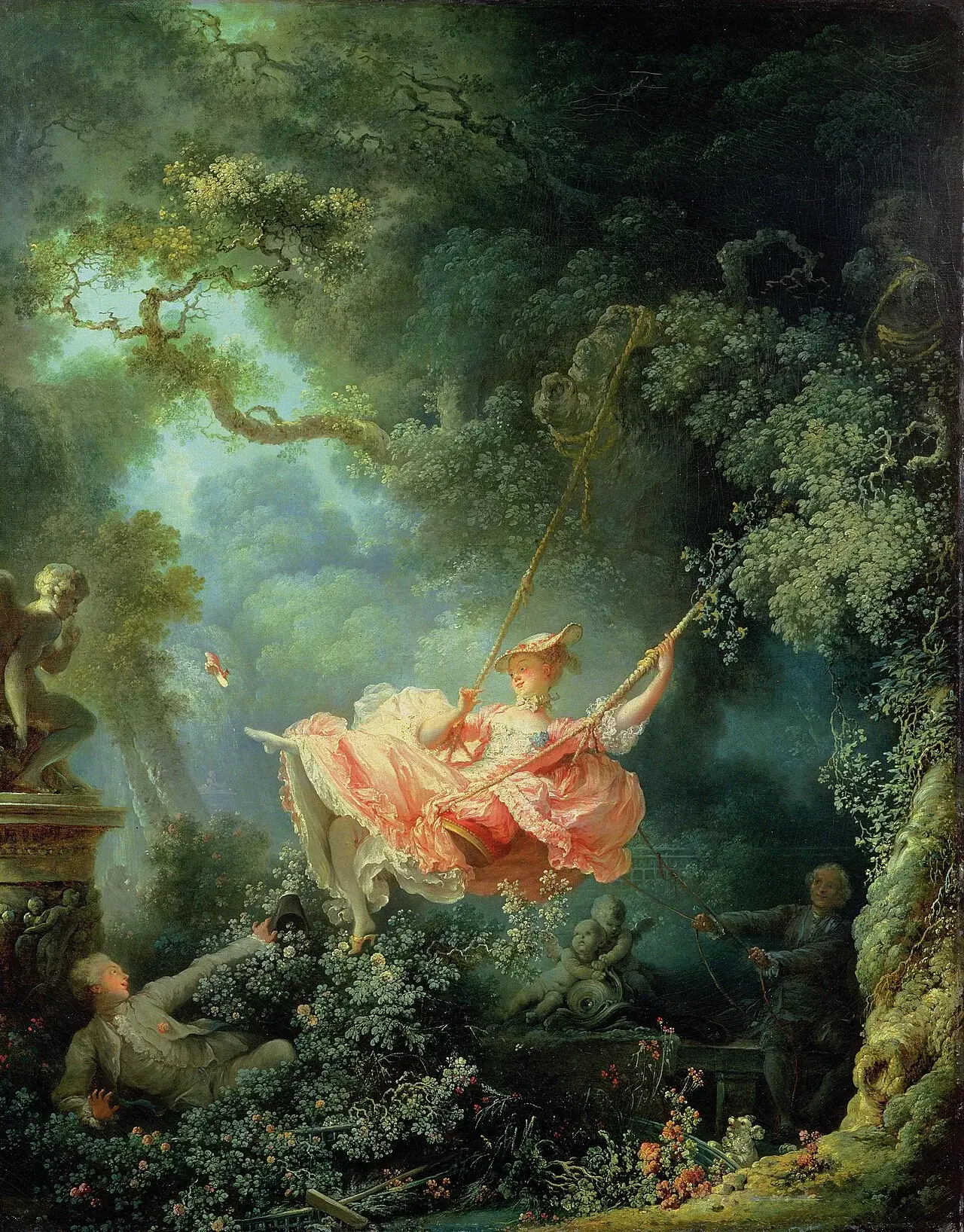
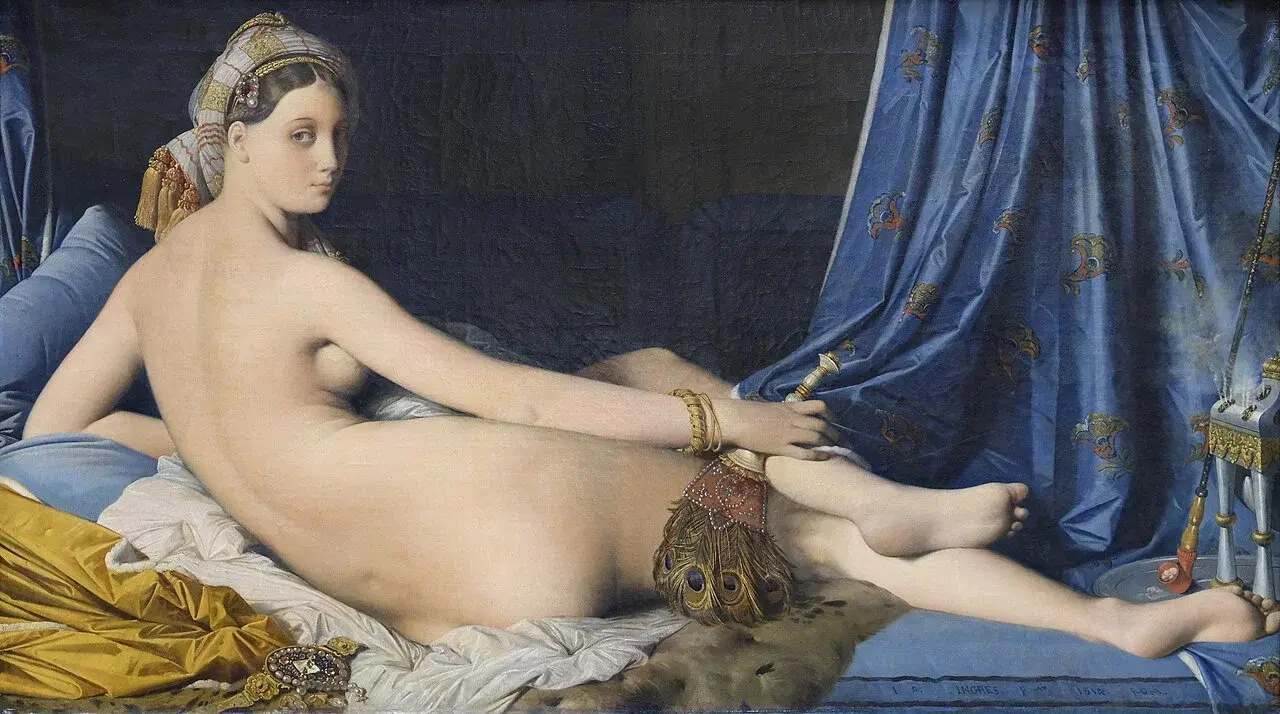
Keep exploring
Ends soon
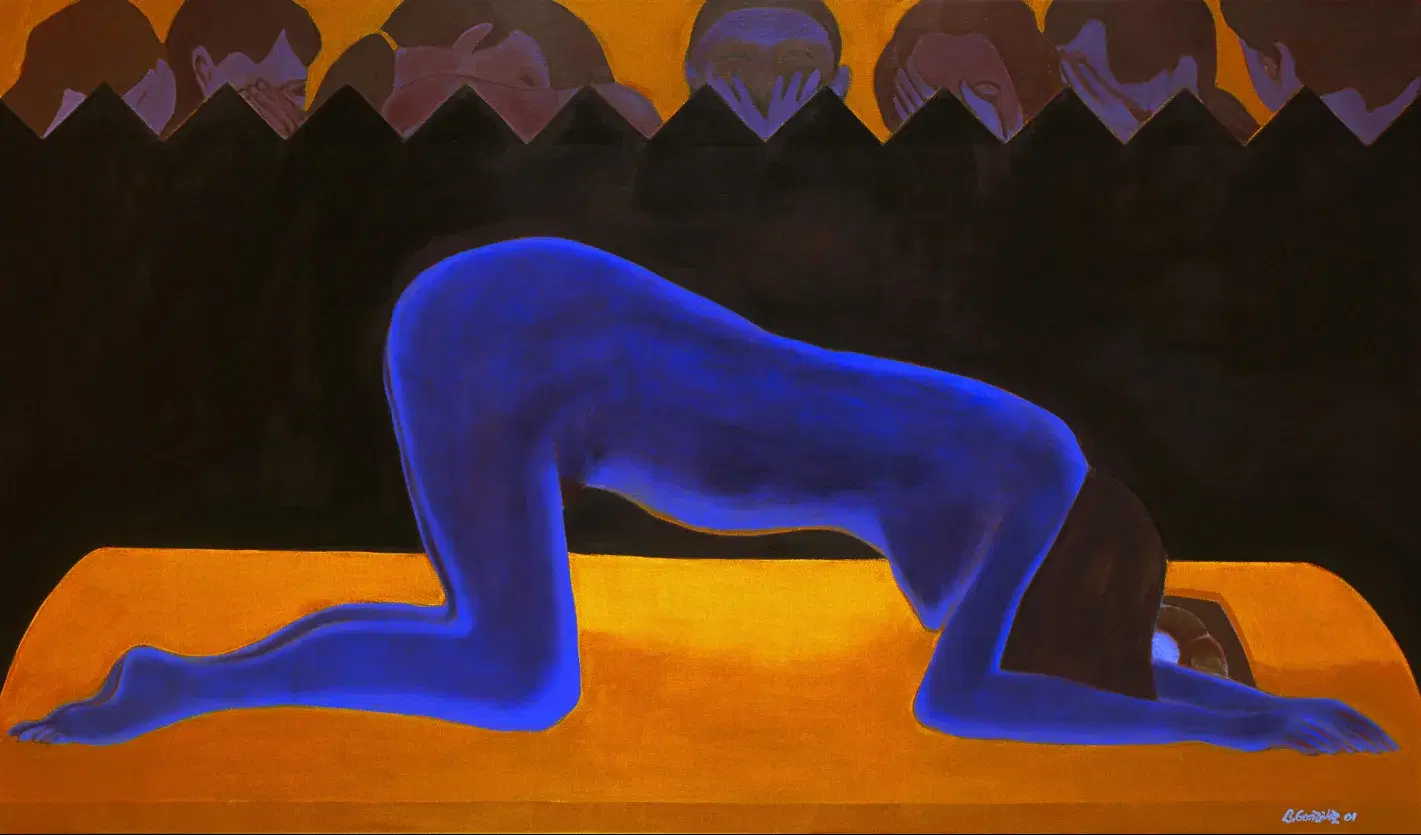
Beatriz González
25 Feb – 10 May 2026
Barbican
Ends soon
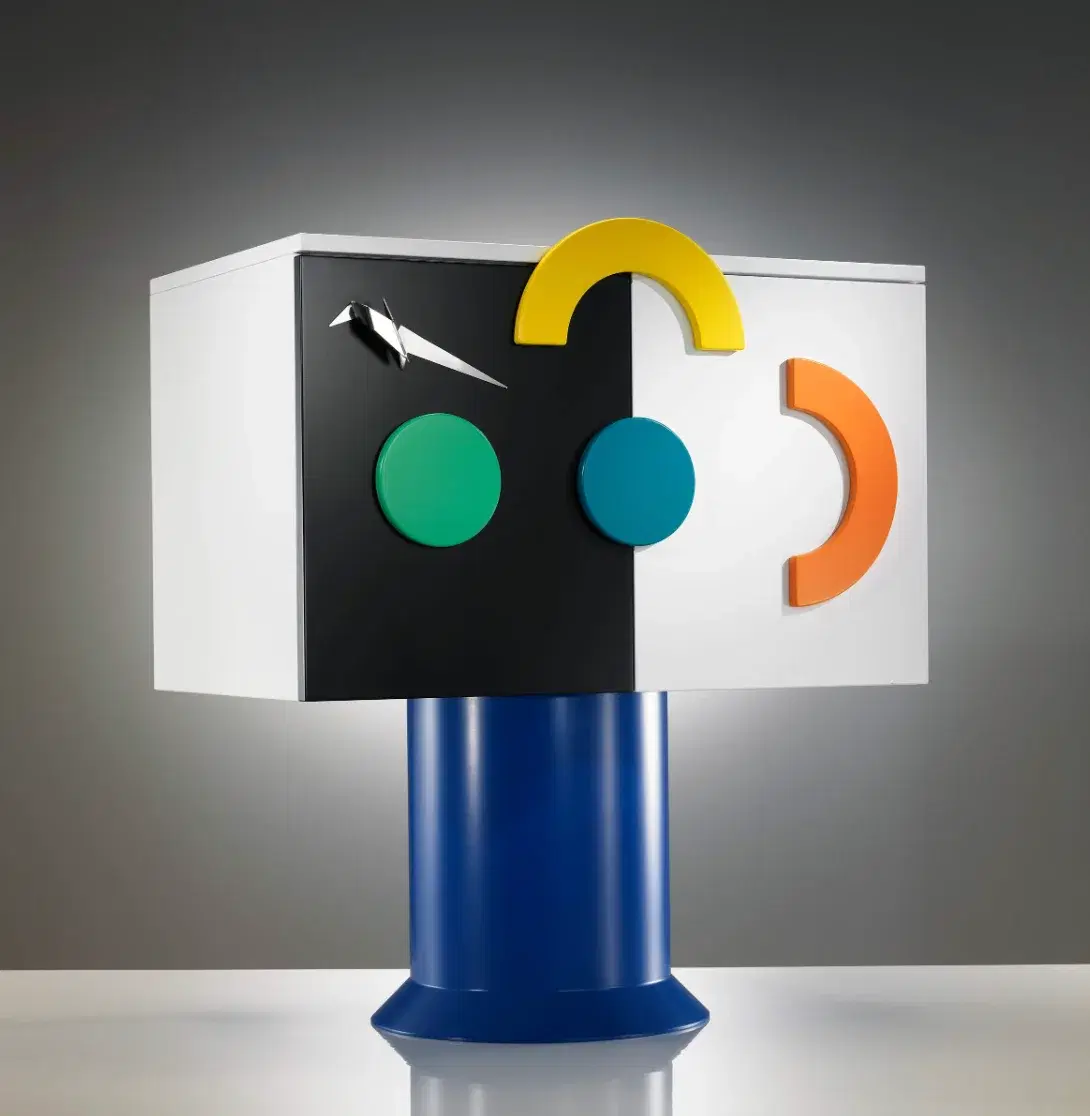
Alessandro Mendini
16 Jan – 10 May 2026
Estorick Collection of Modern Italian Art
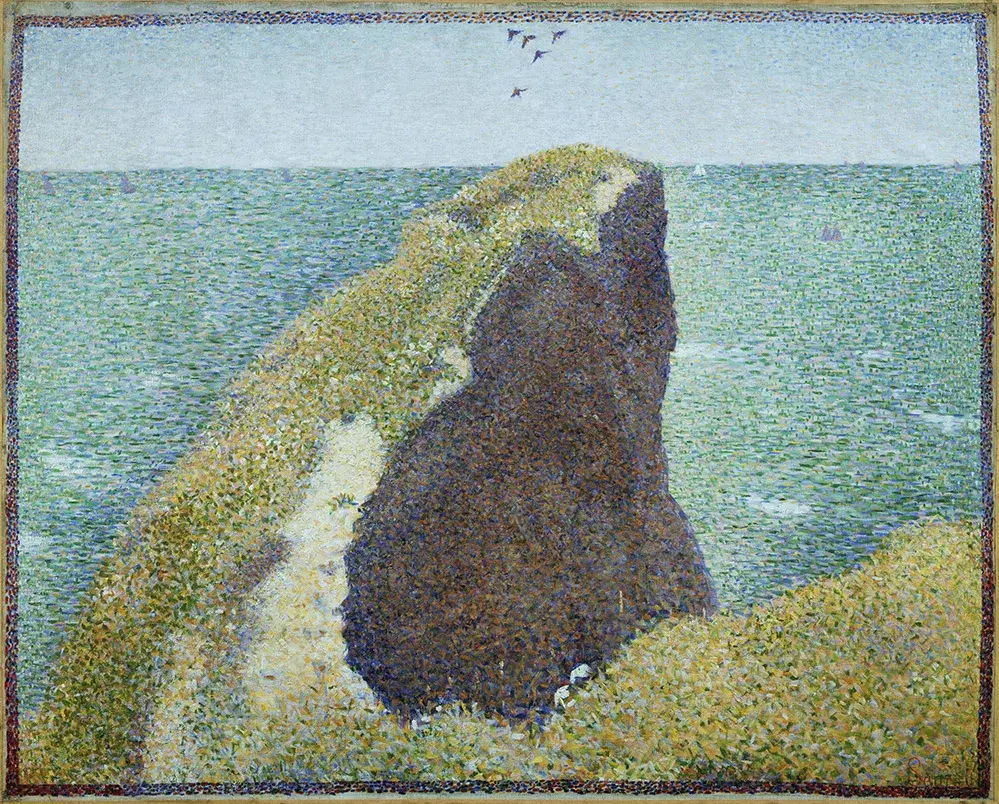
Ends soon
Seurat and the Sea
13 Feb – 17 May 2026
The Courtauld

Ends soon
London Craft Week
11 May – 17 May 2026
The Courtauld
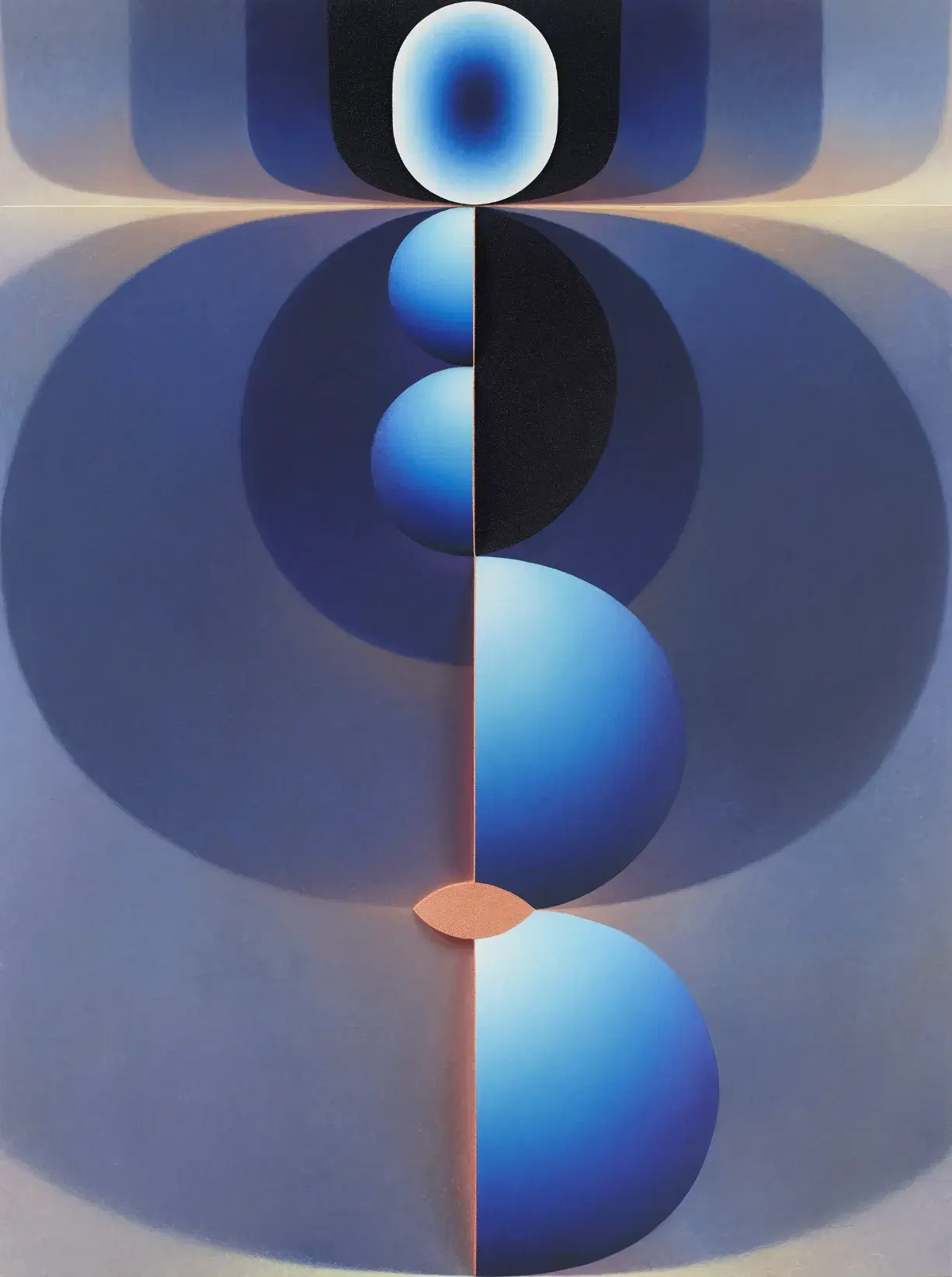
Loie Hollowell. Overview Effect
4 Mar – 23 May 2026
Pace Gallery London
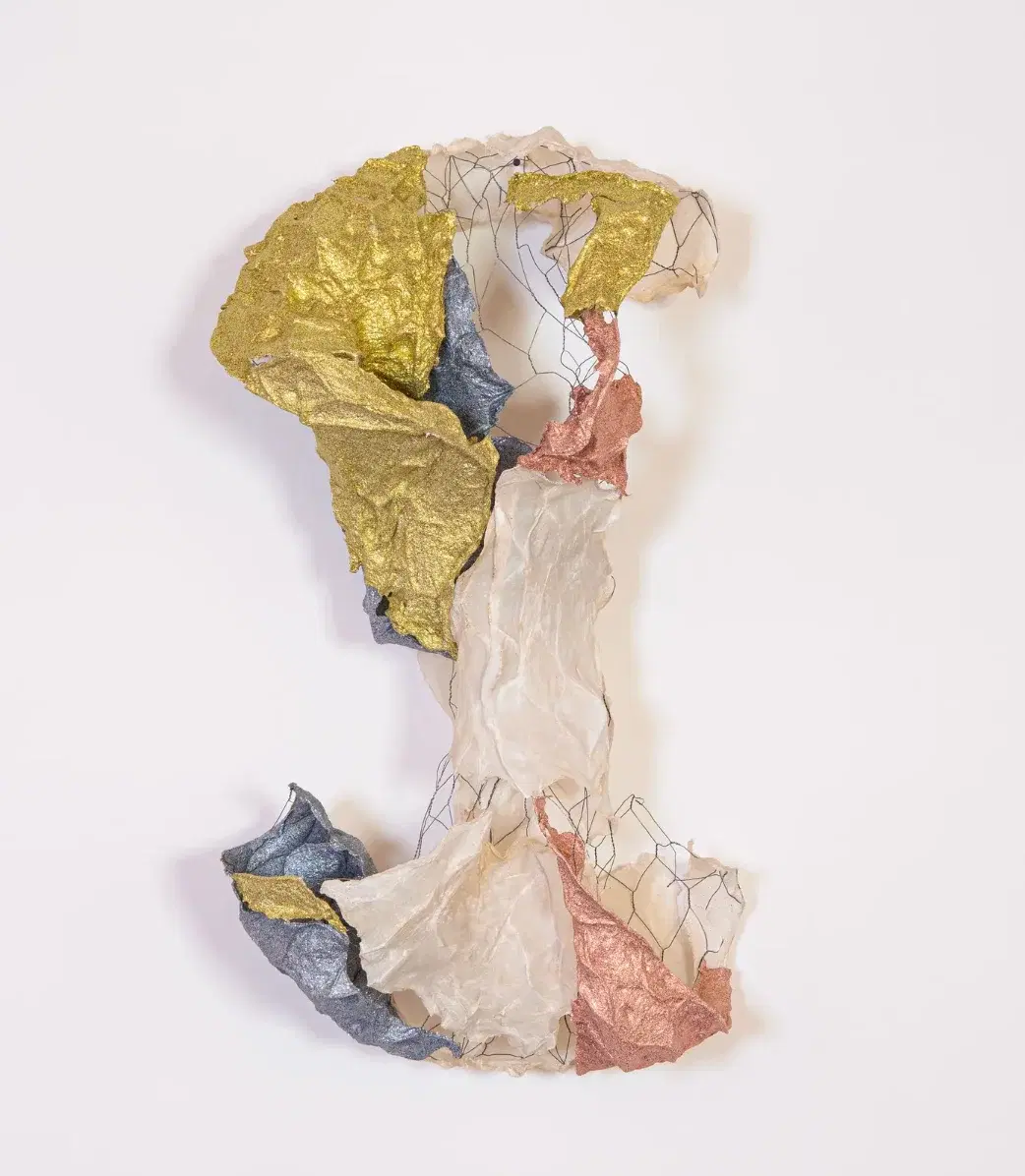
Lynda Benglis: Encounters: Giacometti.
12 Feb – 31 May 2026
Barbican

Katharina Grosse
22 Apr – 31 May 2026
White Cube Gallery Bermondsey
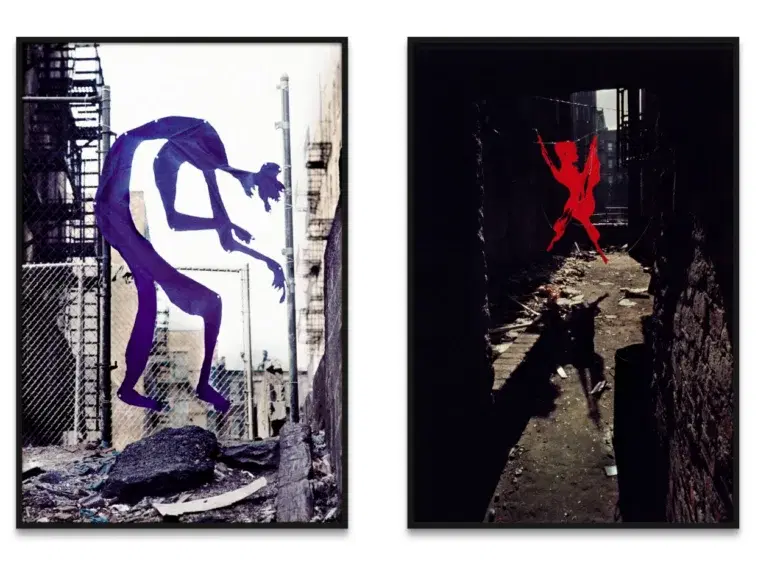
Senga Nengudi: Performance Works 1972-1982
1 Apr – 14 Jun 2026
Whitechapel Gallery

Veronica Ryan: Multiple Conversations
1 Apr – 14 Jun 2026
Whitechapel Gallery

Michaelina Wautier
27 Mar – 21 Jun 2026
The Royal Academy of Arts London