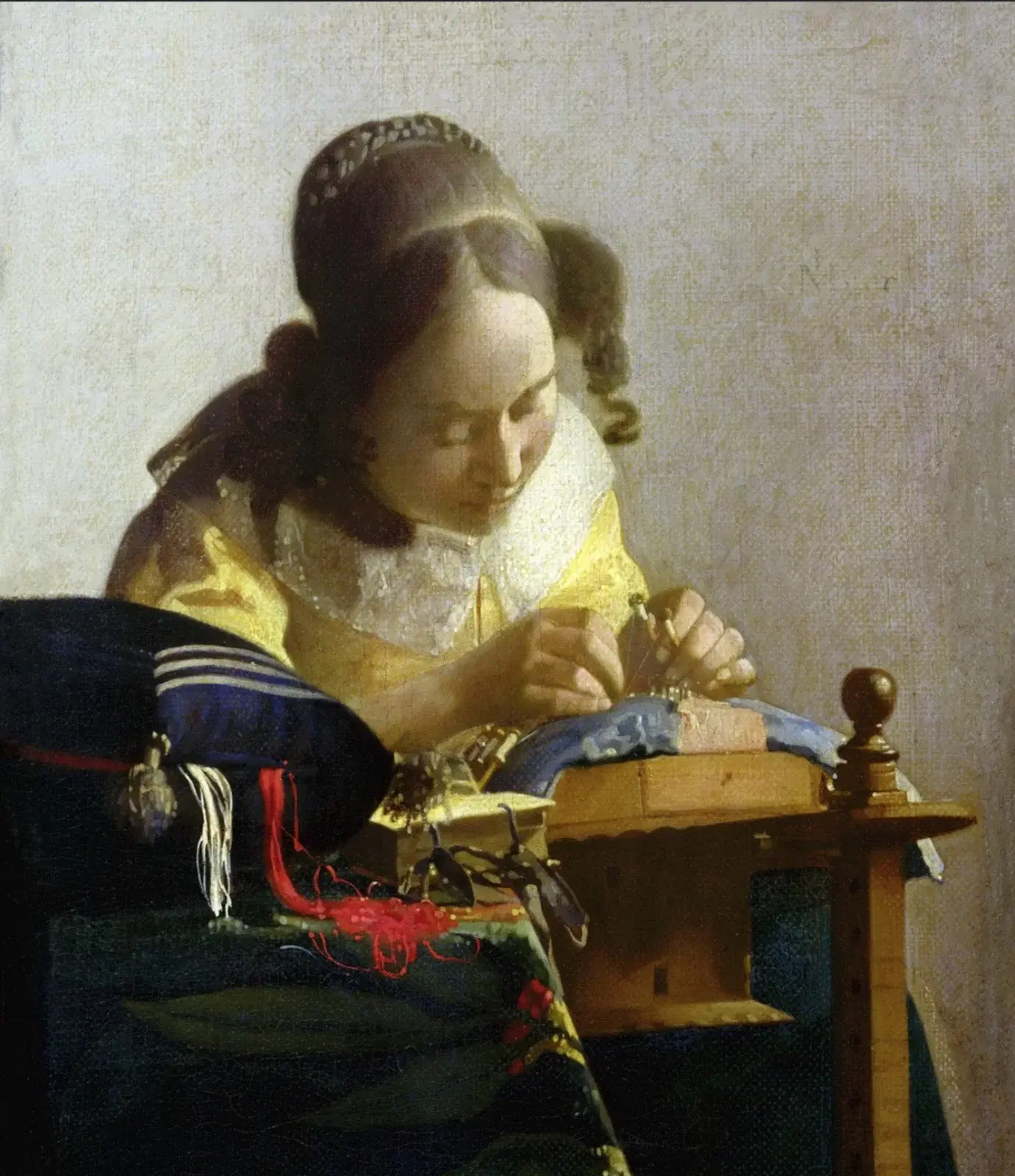
The Lacemaker
#78
Meet the artist
Johannes Vermeer1632–1675Dutch
Dates
c. 1669–1670
Specifications
- Original title
- La Dentellière
- Dimensions
- 24.5 × 21 cm
About the Artwork
While the Wikipedia article you provided discusses a film titled "The Lacemaker," the film is actually inspired by Johannes Vermeer's painting of the same name. This blog post will focus on the painting by Vermeer. "The Lacemaker," a small oil painting by Johannes Vermeer, captures a young woman in the midst of her meticulous work. She is seen bent over her lace pillow, her brow furrowed in concentration as she manipulates bobbins and pins. The painting is renowned for its intimate and unassuming portrayal of a common subject, elevating a simple domestic scene into a work of profound beauty.
Vermeer, a master of the Dutch Golden Age, was known for his meticulous detail and innovative use of light. In "The Lacemaker," he employs soft, diffused light to create a sense of serenity and focus, drawing the viewer's eye to the intricate details of the lacemaking process. His skillful use of color and perspective further enhances the realism of the scene, bringing the woman and her craft to life. The blurred background and the rendering of the threads further accentuate the subject's focus on her work, creating a sense of immediacy and intimacy.
"The Lacemaker" is important because it showcases Vermeer's exceptional ability to transform everyday life into art. It exemplifies the Dutch Golden Age's fascination with realism and its celebration of the virtues of hard work, diligence, and domesticity. The painting's small size belies its profound impact, demonstrating that beauty and significance can be found in the most ordinary of subjects. It stands as a testament to Vermeer's genius and continues to captivate audiences with its timeless charm and artistic excellence.
How to experience it
get close enough to see the loose threads and focus shifts
Don’t stop here
More to explore by Johannes Vermeer
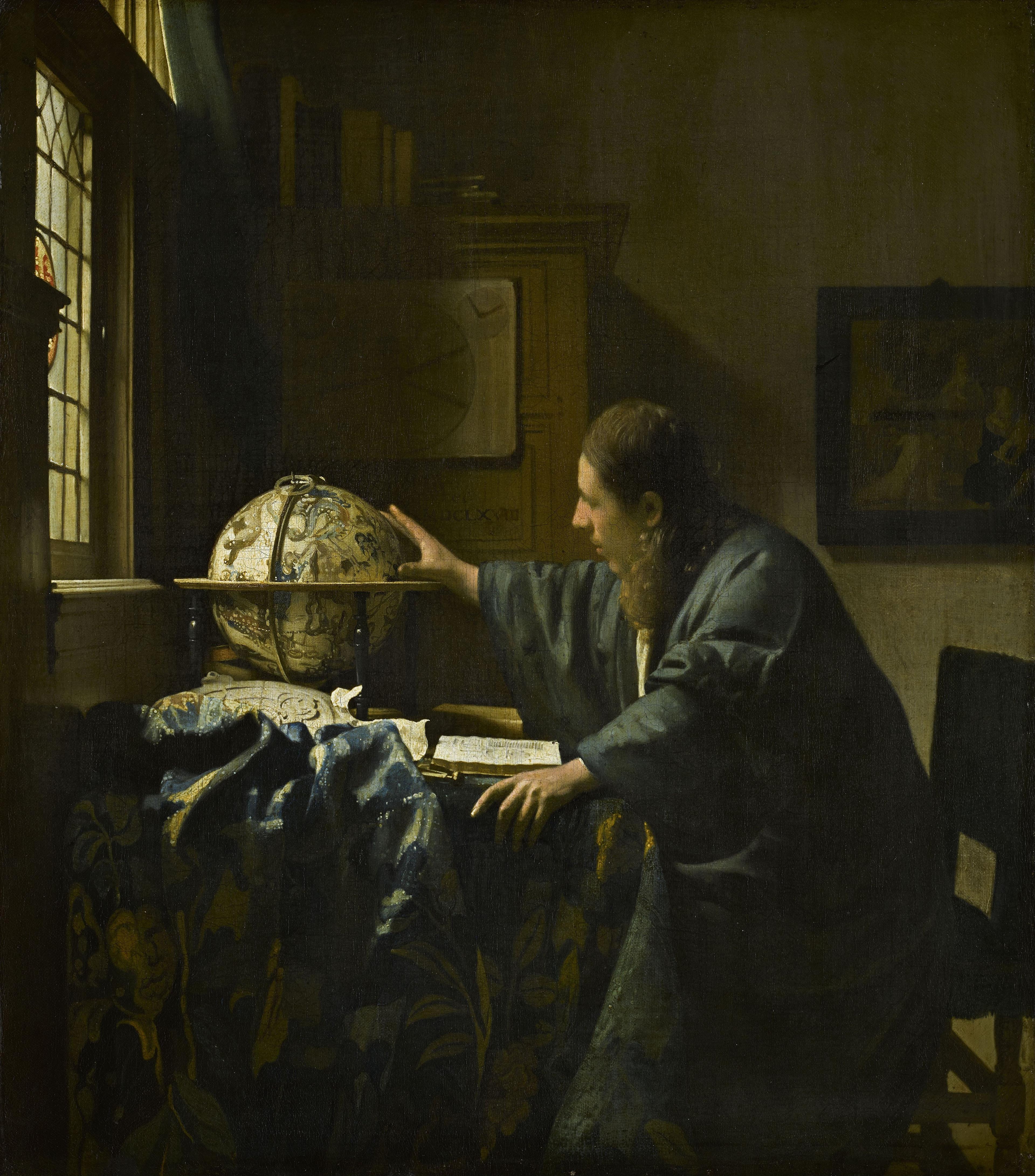
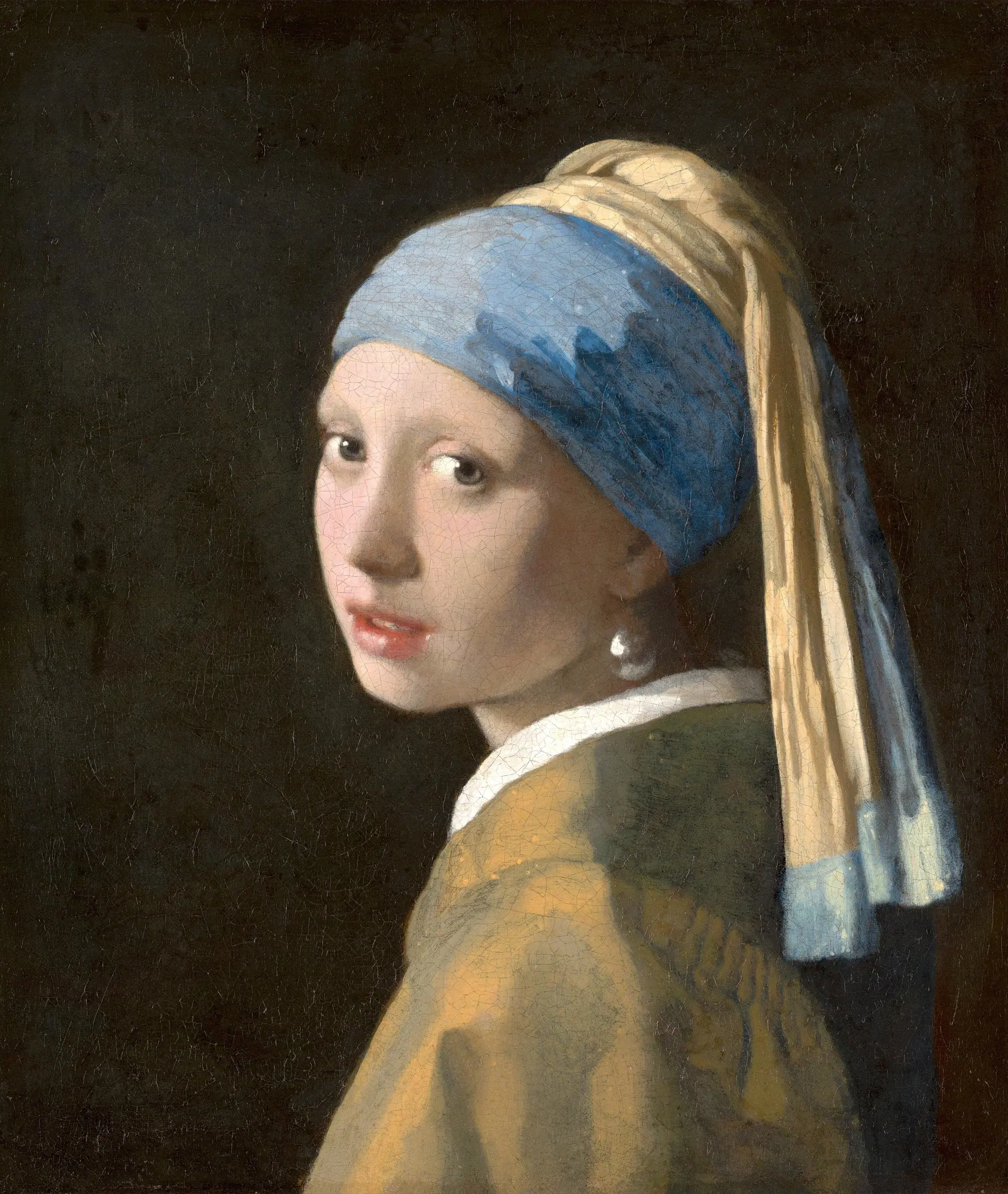
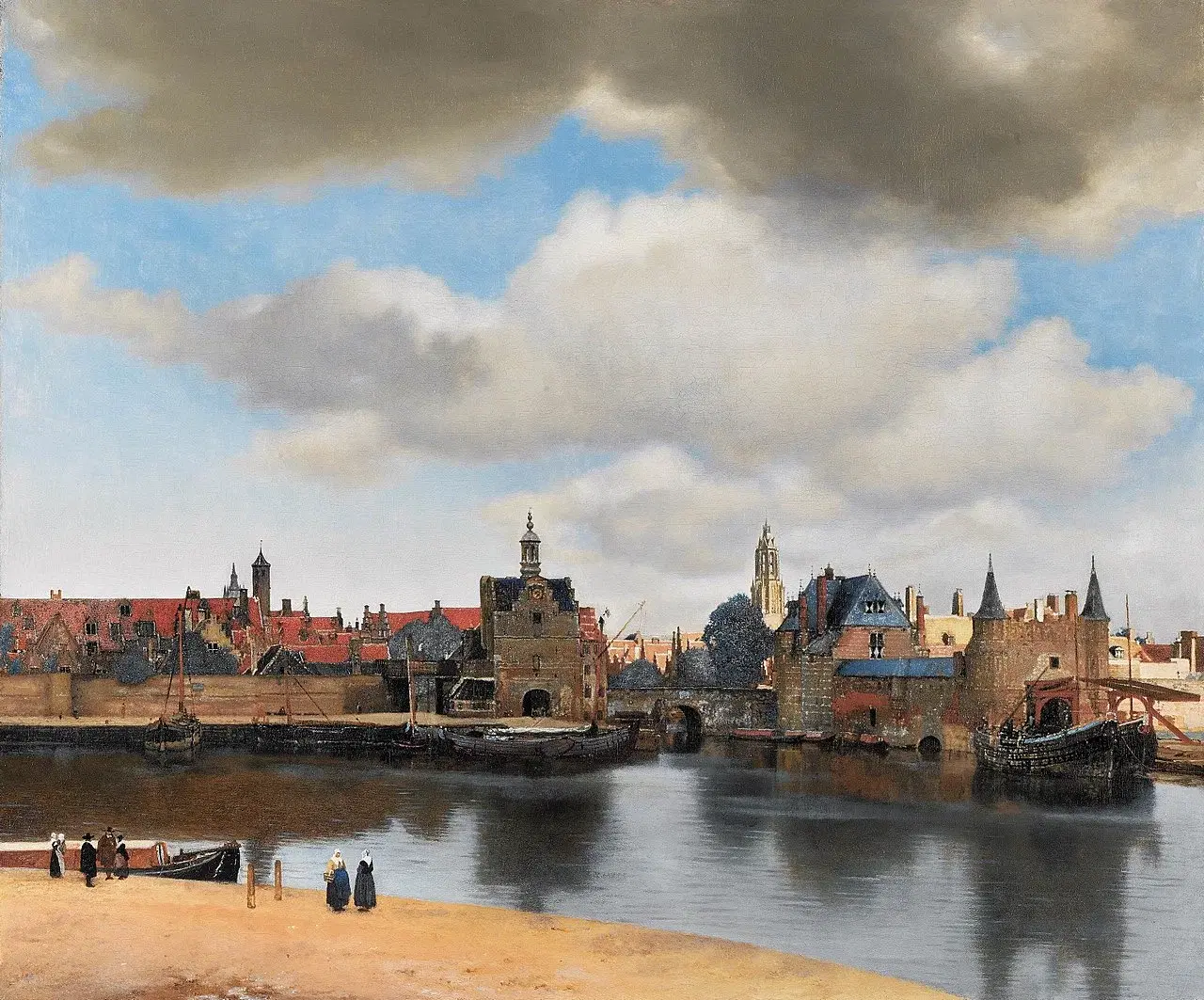
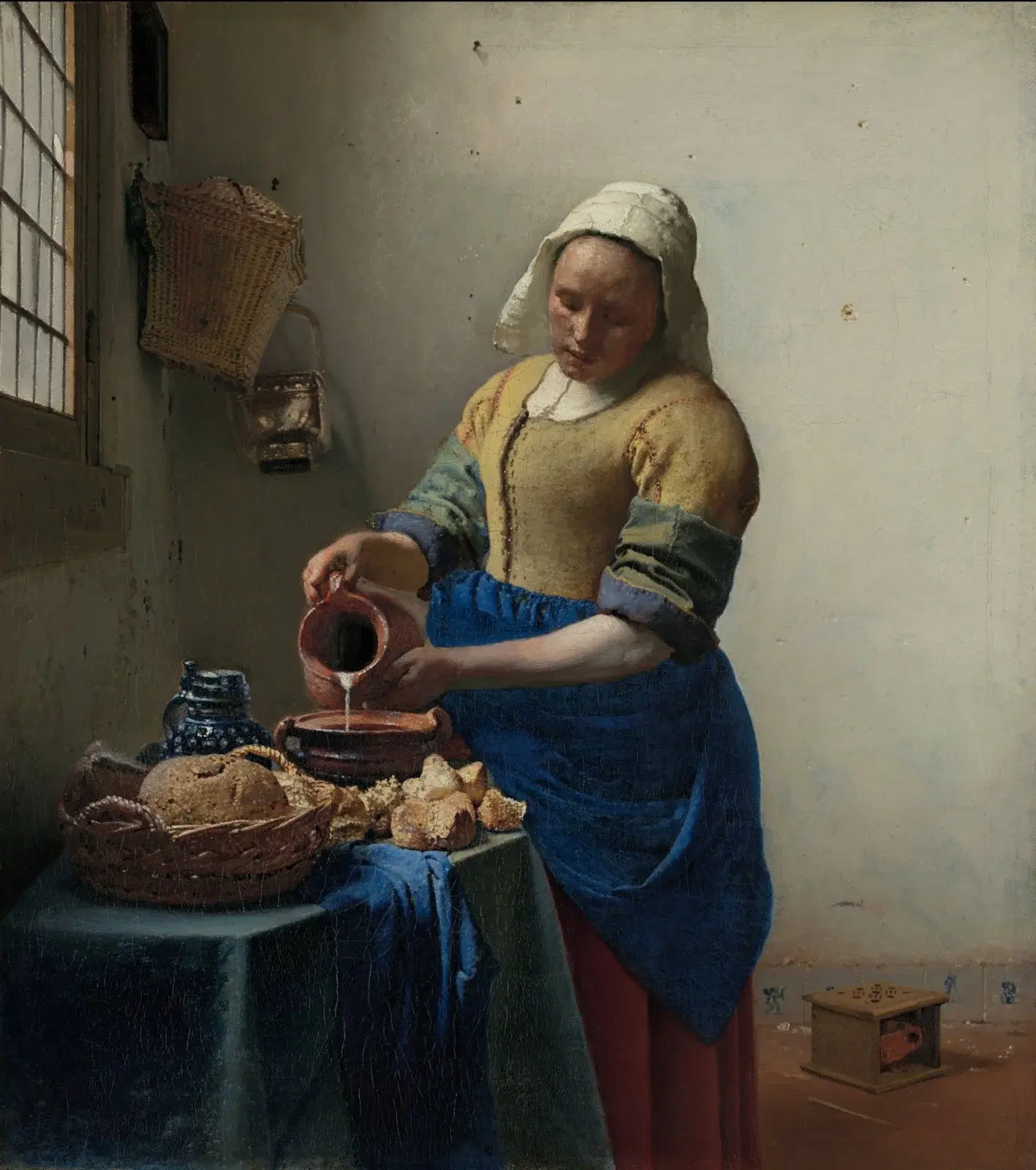
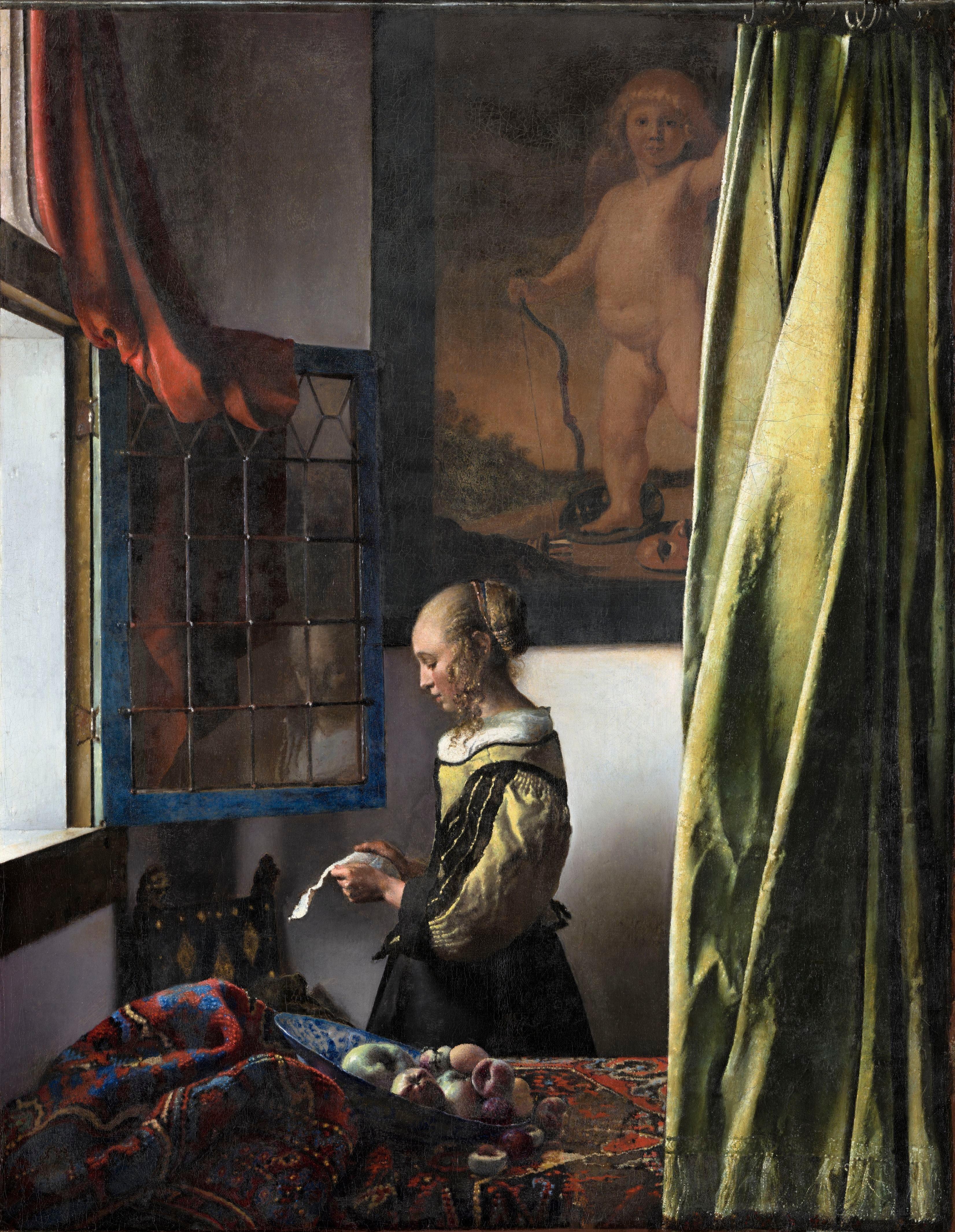
Same feeling, different artists
Similar Works by Other Artists
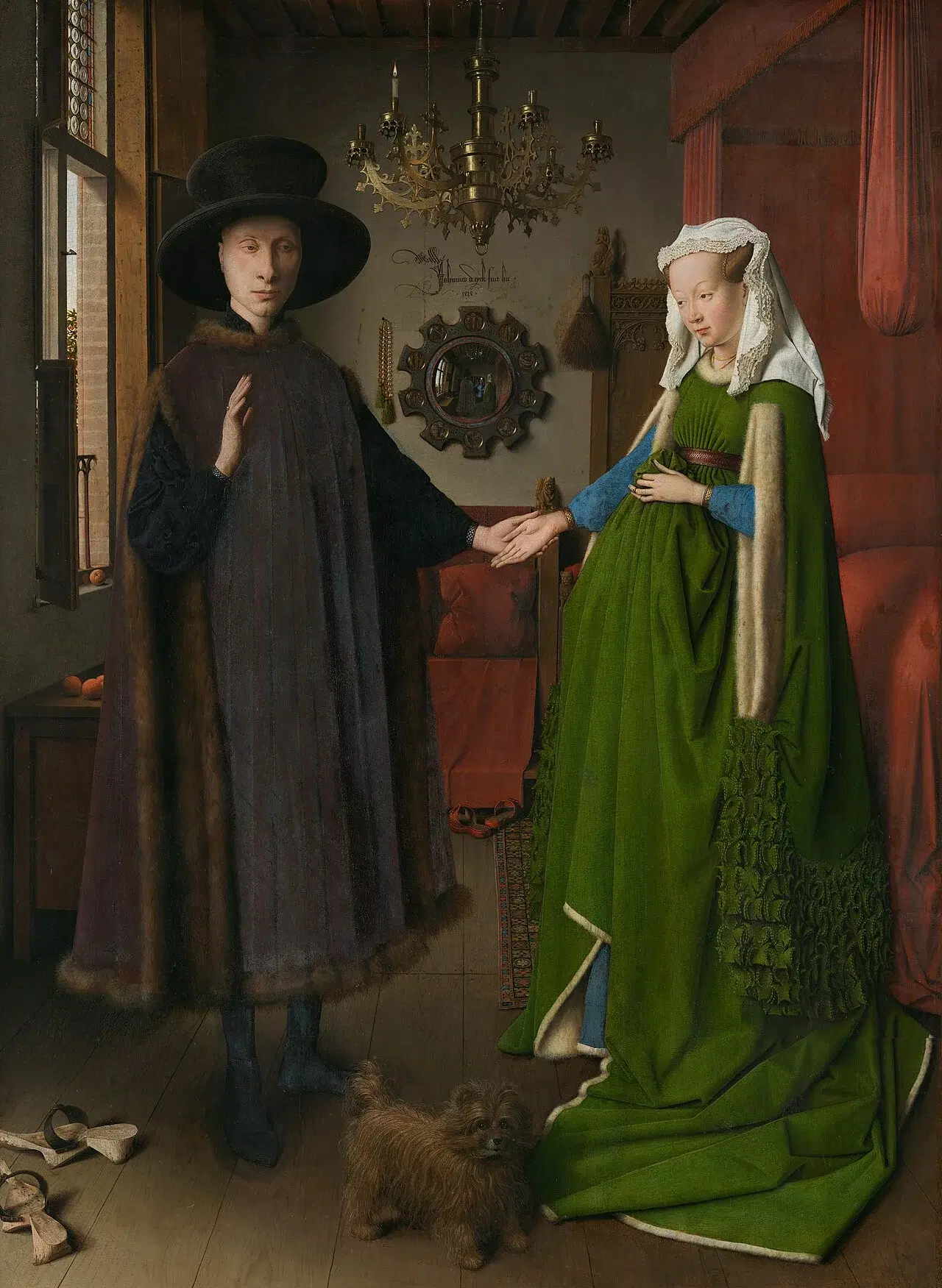
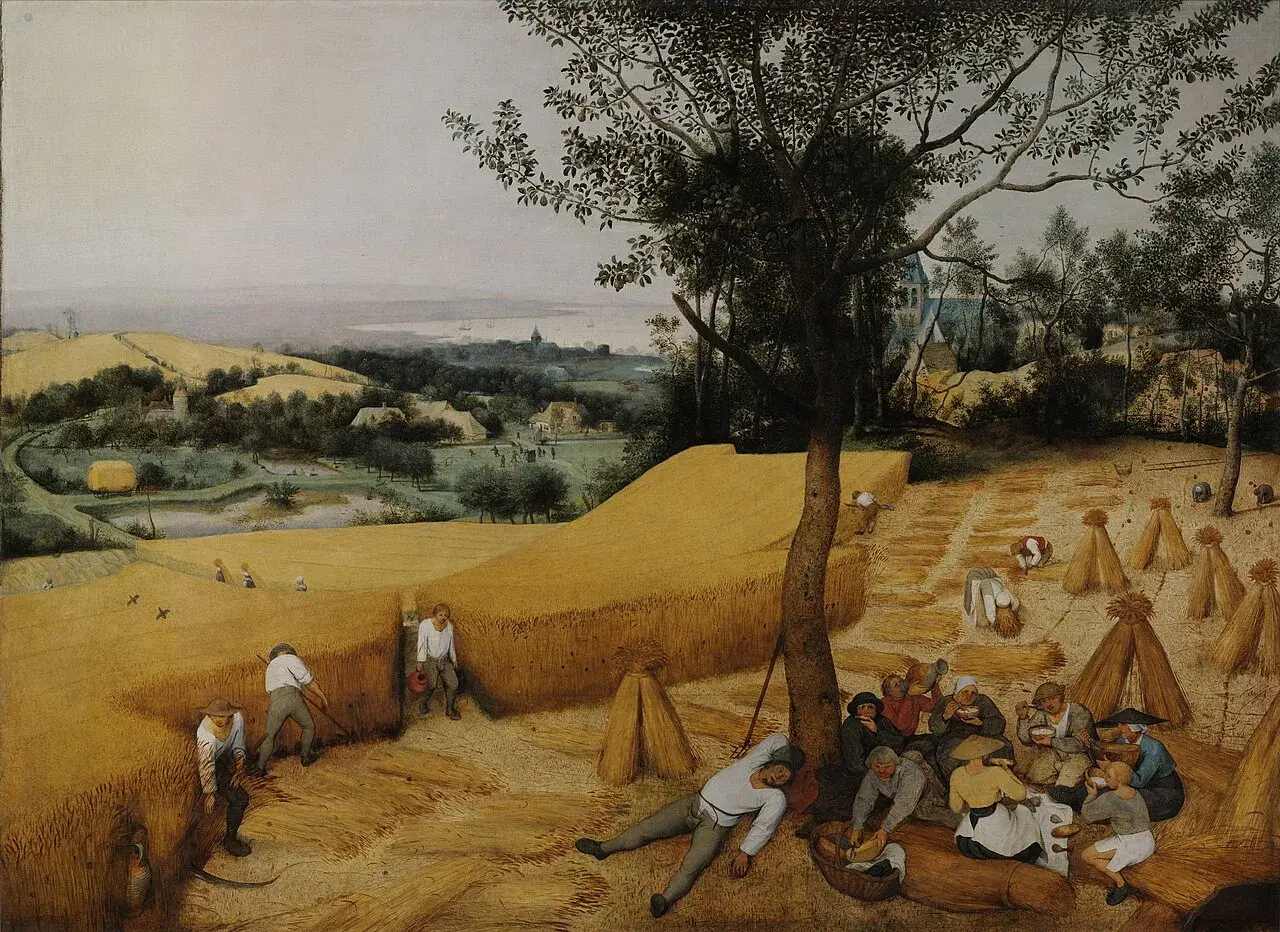
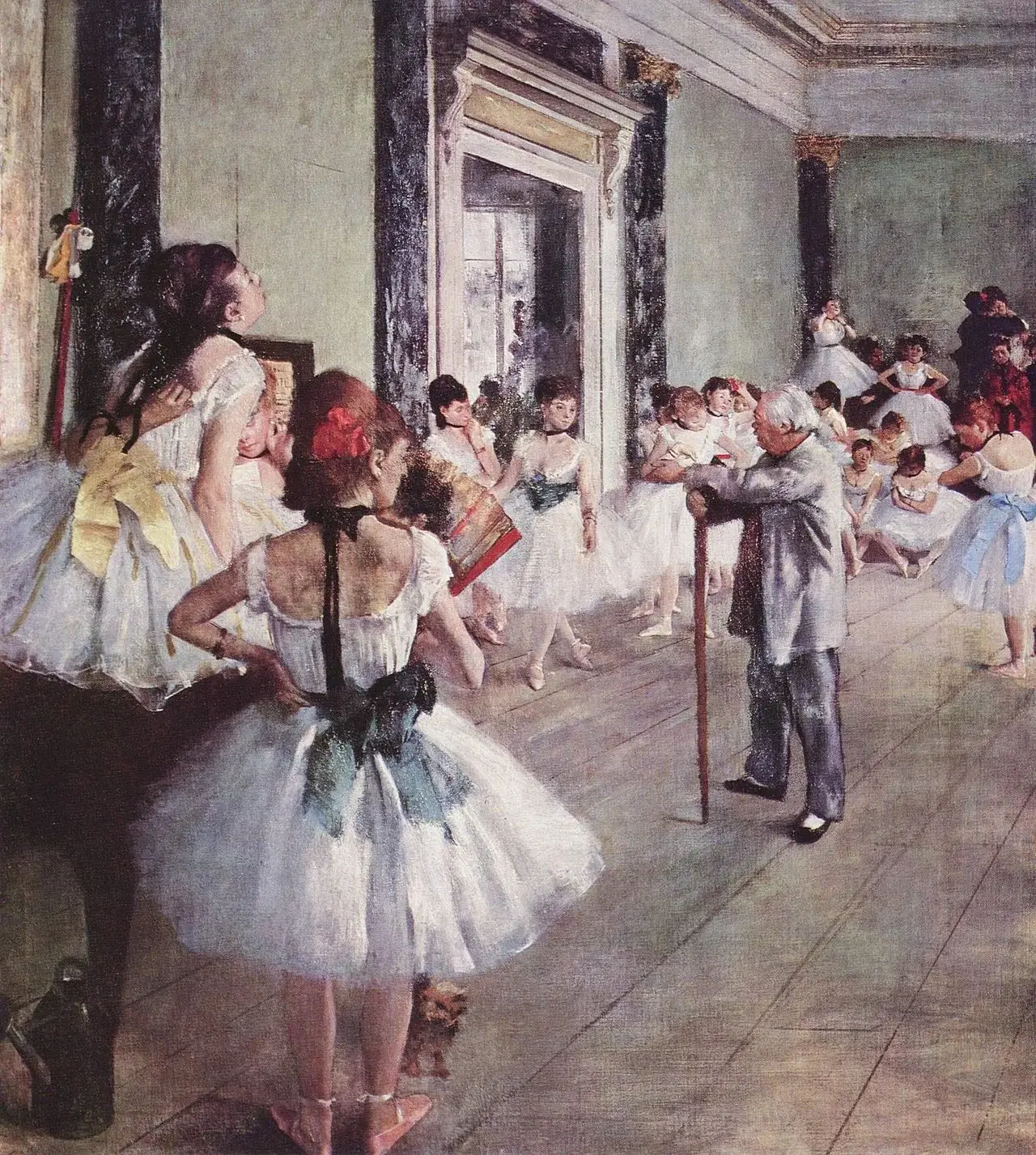
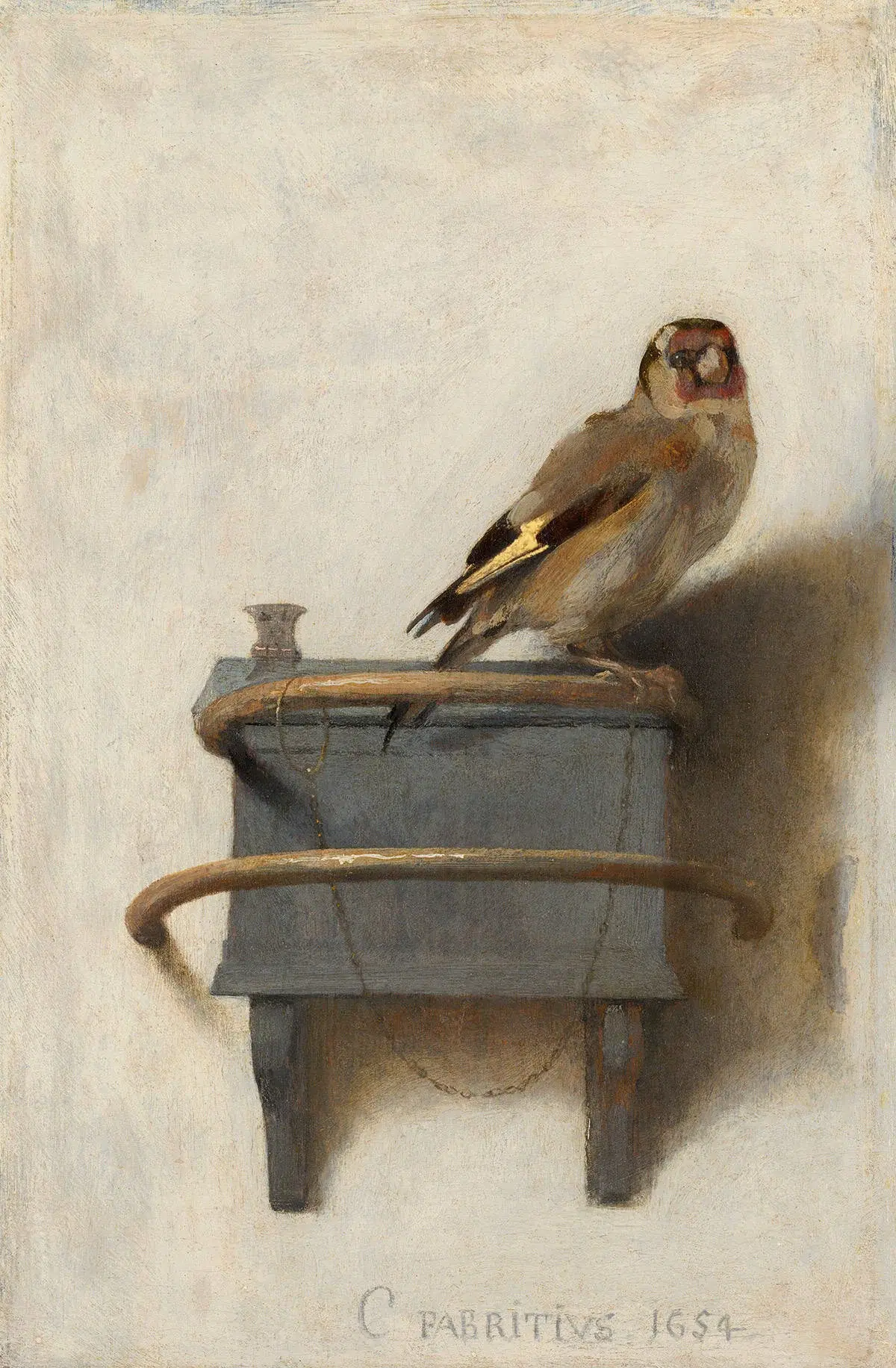
Keep exploring
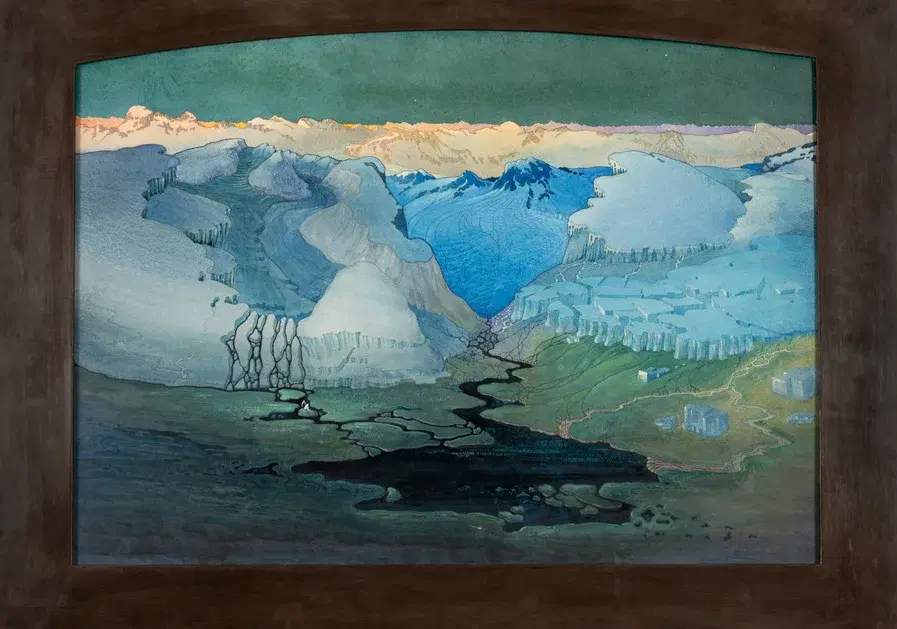
Ends soon
Northern Light
Musée d’Orsay
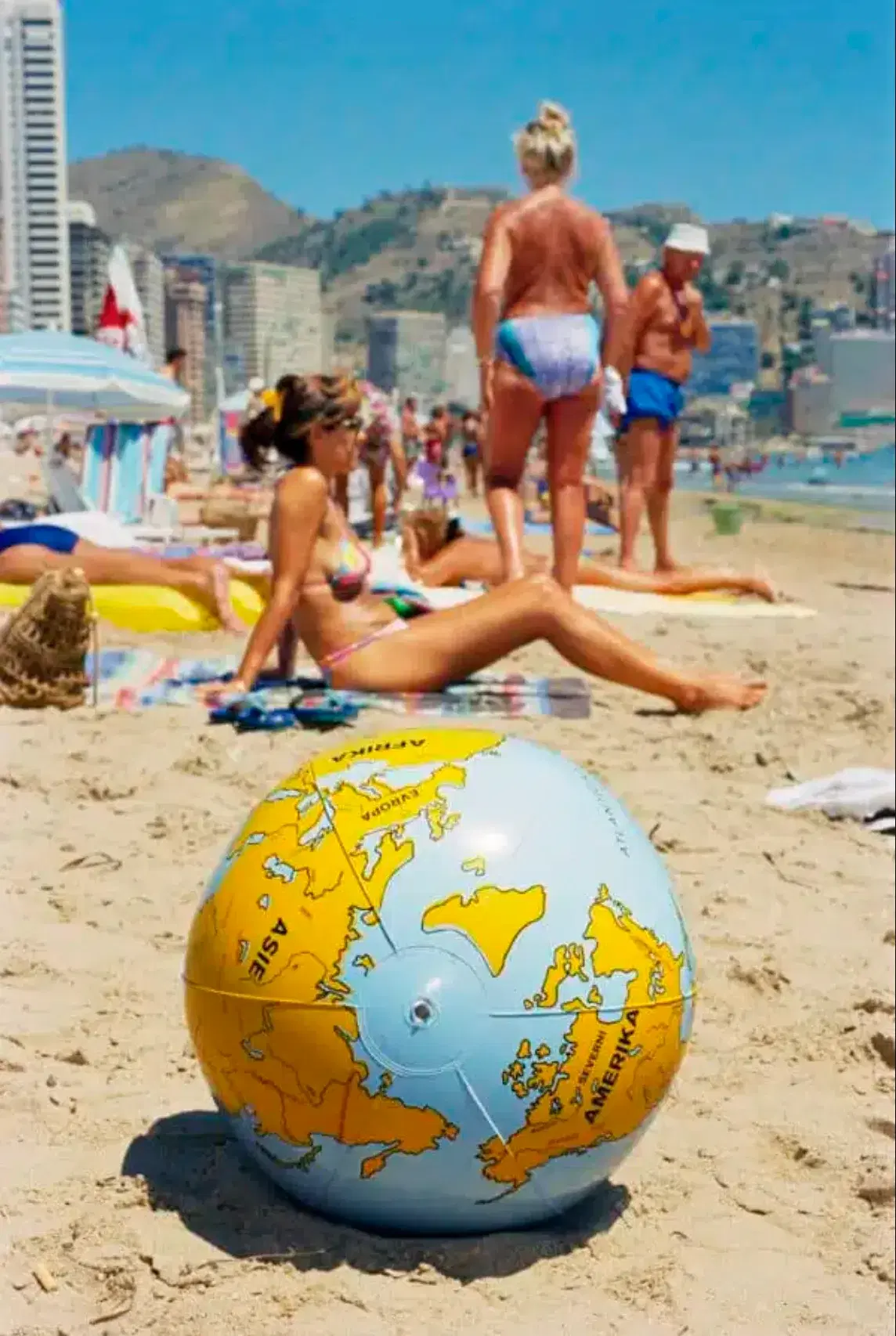
Martin Parr. Global warning
30 Jan – 24 May 2026
Jeu de Paume
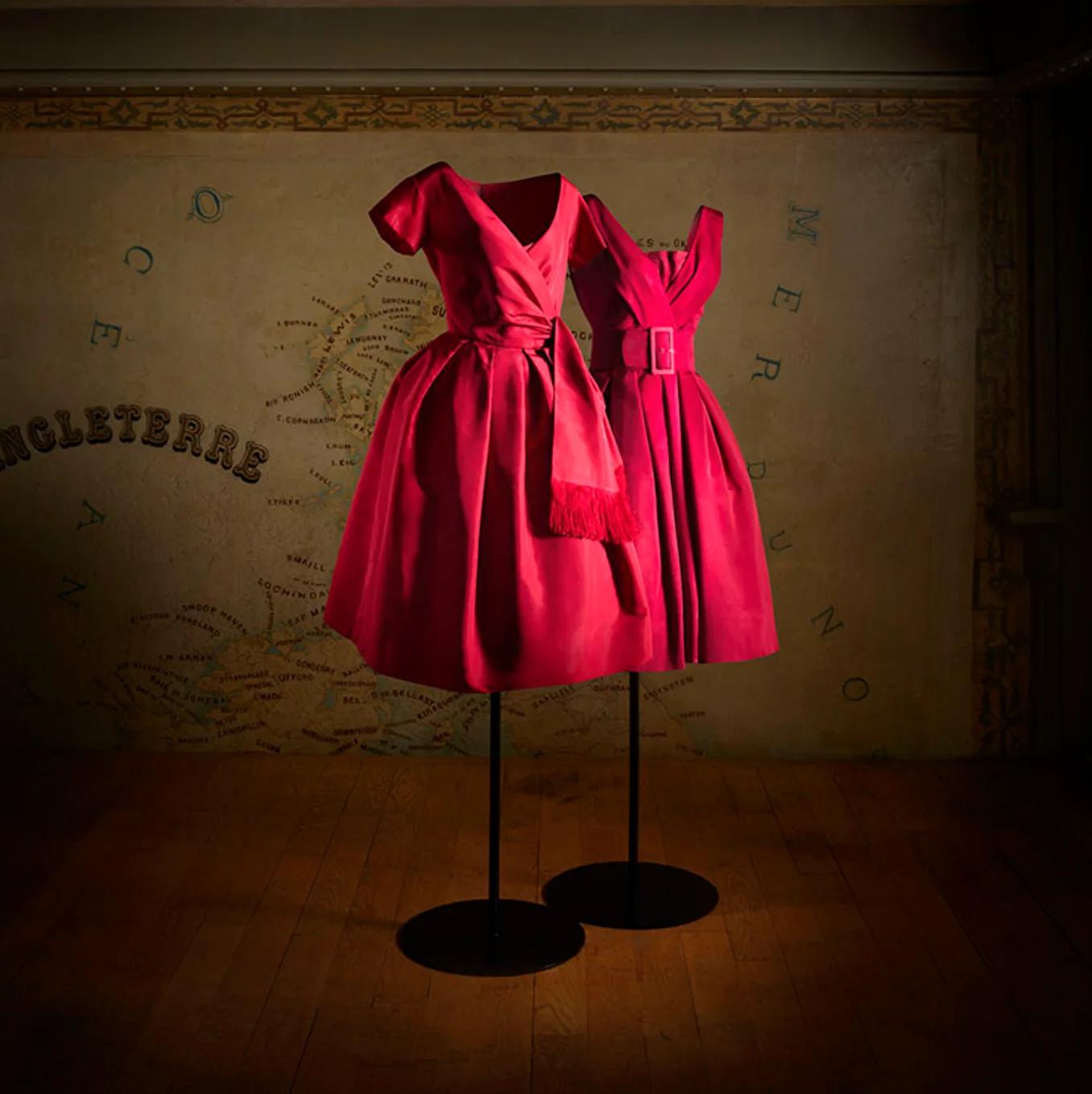
Azzedine Alaïa and Christian Dior, two masters of haute couture
12 Dec 2025 – 24 May 2026
Fondation Azzedine Alaïa
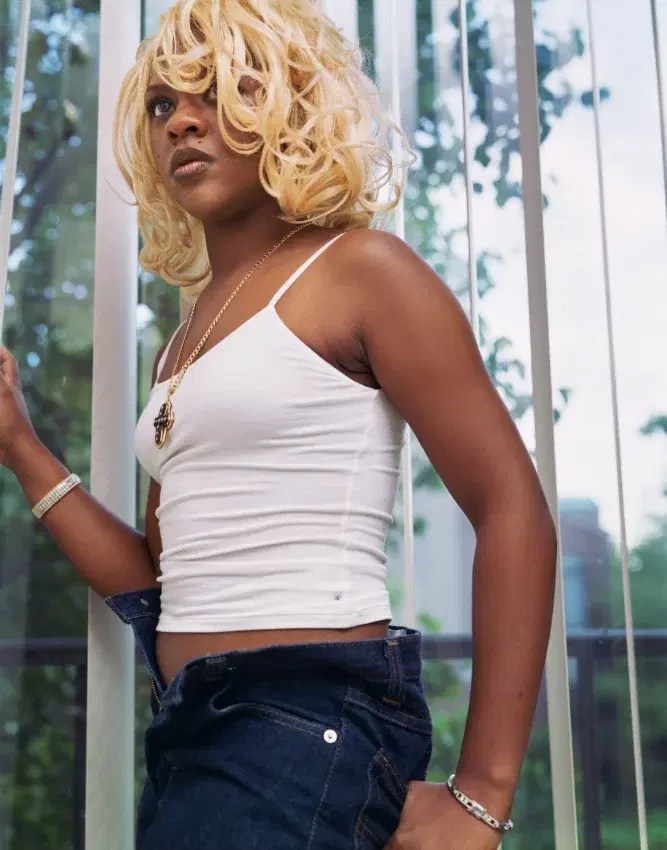
Dana Lixenberg. American Images
11 Feb – 24 May 2026
MEP – Maison Européenne de la Photographie
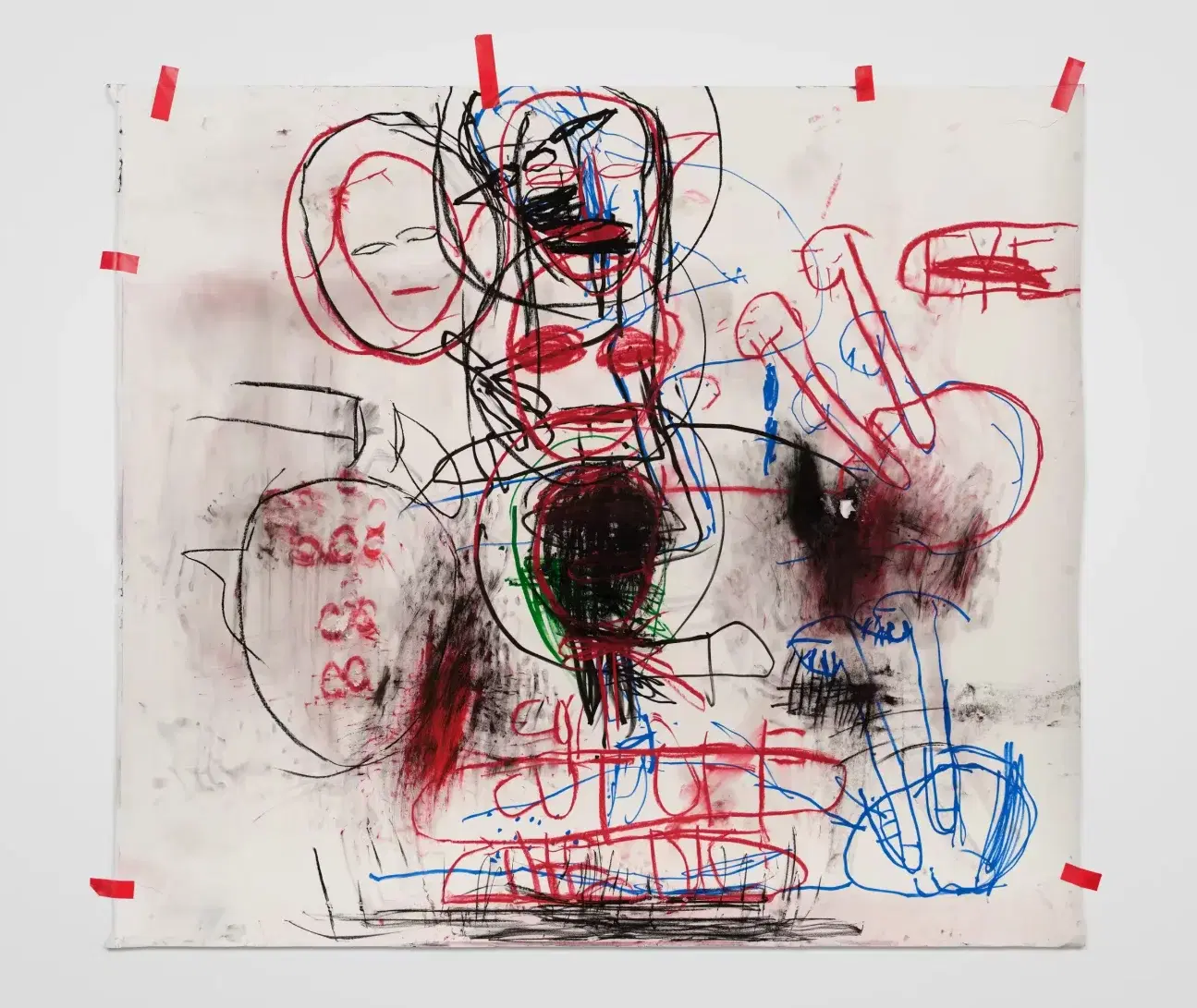
Paul McCarthy
21 Mar – 30 May 2026
Hauser & Wirth Paris
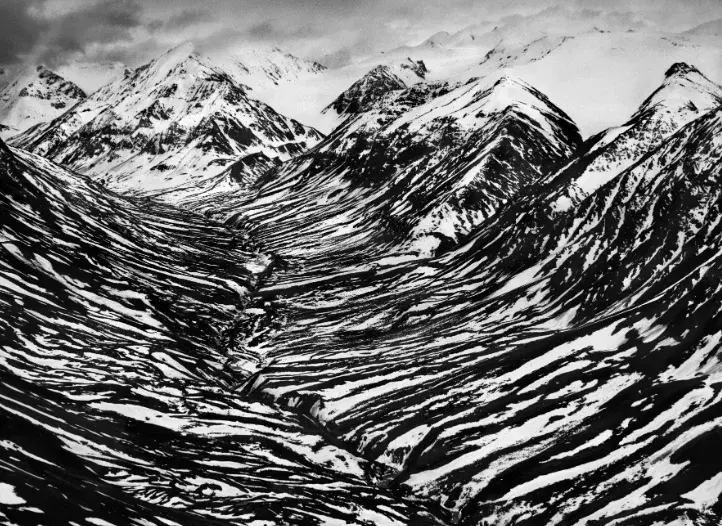
Sebastião Salgado
21 Feb – 30 May 2026
Hôtel de Ville
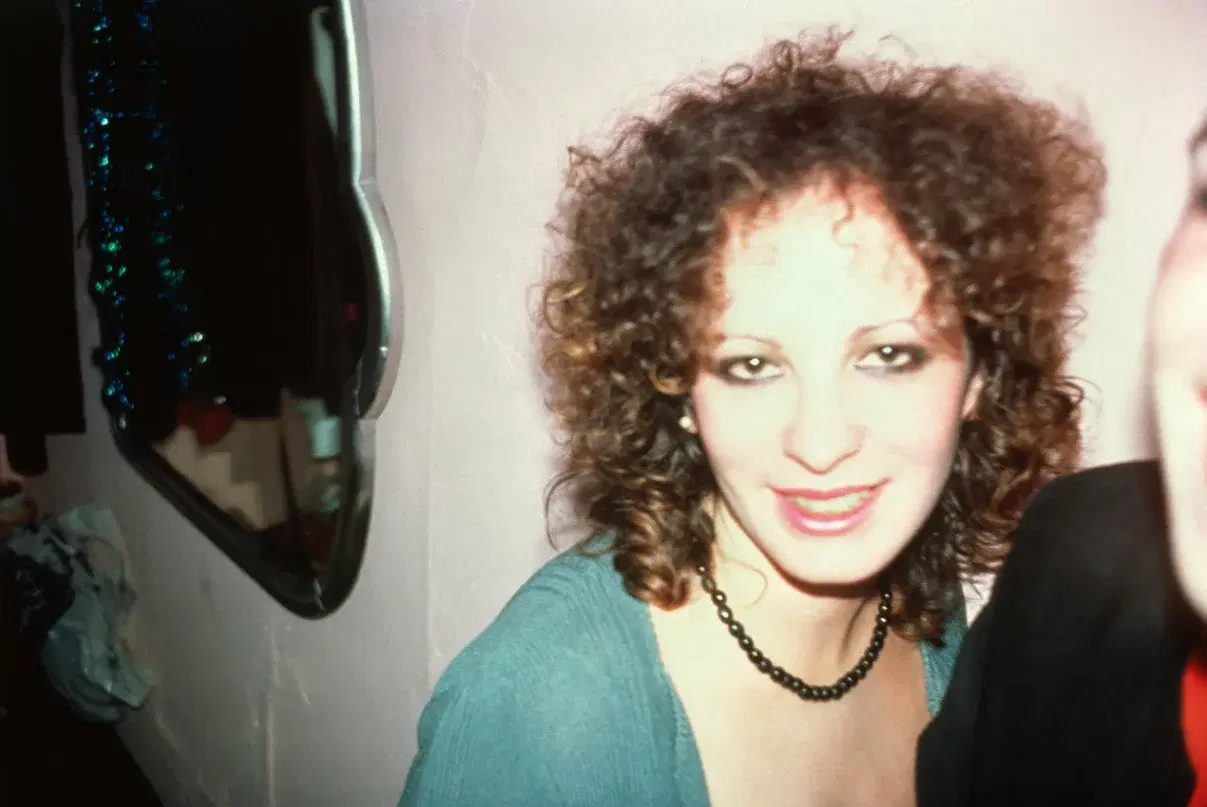
Nan Goldin
18 Mar – 21 Jun 2026
Grand Palais Paris
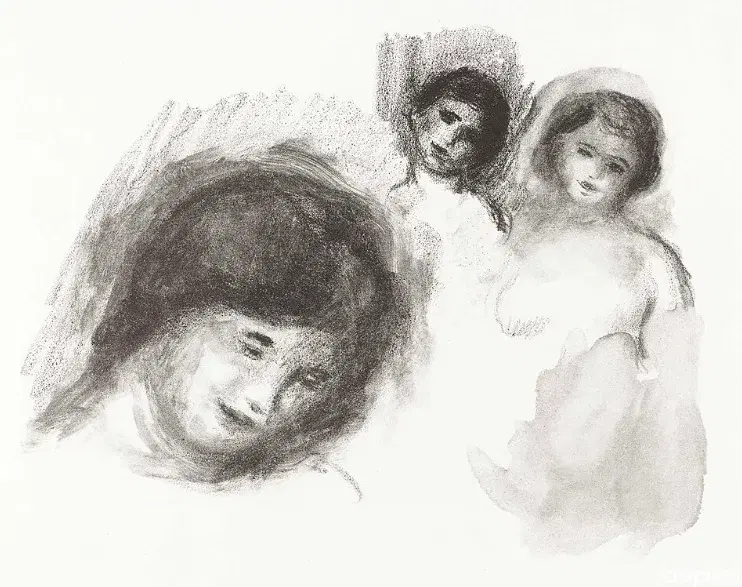
Renoir Drawings
17 Mar – 5 Jul 2026
Musée d’Orsay
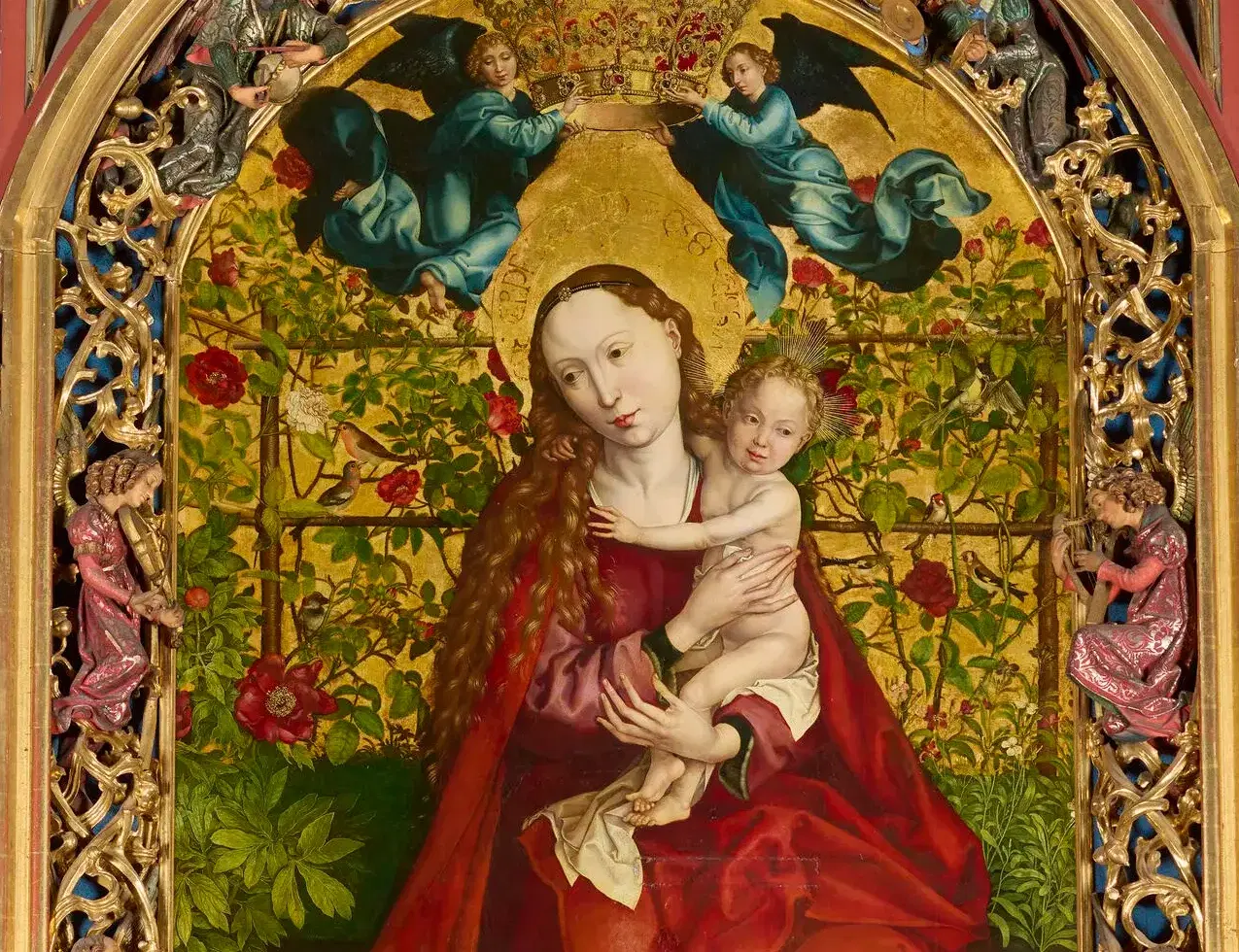
Martin Schongauer
8 Apr – 20 Jul 2026
Louvre Museum
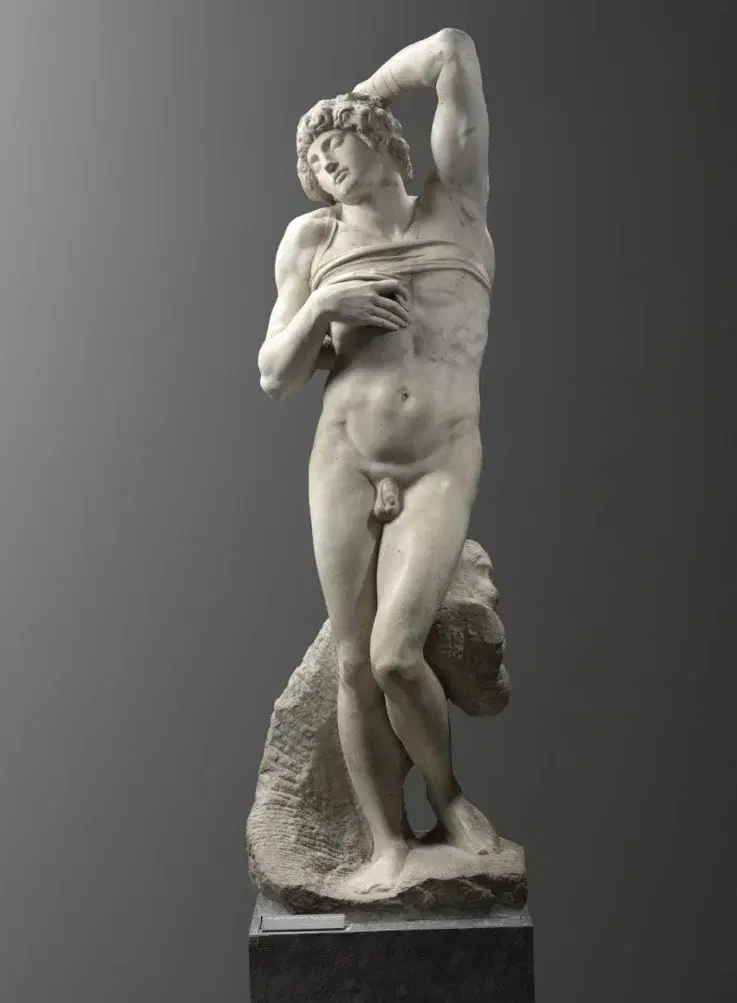
Michelangelo and Rodin
15 Apr – 20 Jul 2026
Louvre Museum