The Arnolfini Portrait
#15
A couple stands still… but the painting is watching you back.
Meet the artist
Jan van Eyck1380–1441Dutch
Dates
1434
Specifications
- Original title
- Arnolfini Portrait
- Movement
- Early Netherlandish
- Genre
- Portrait
- Dimensions
- 82.2 × 60 cm
Wikimedia Commons
About the Artwork
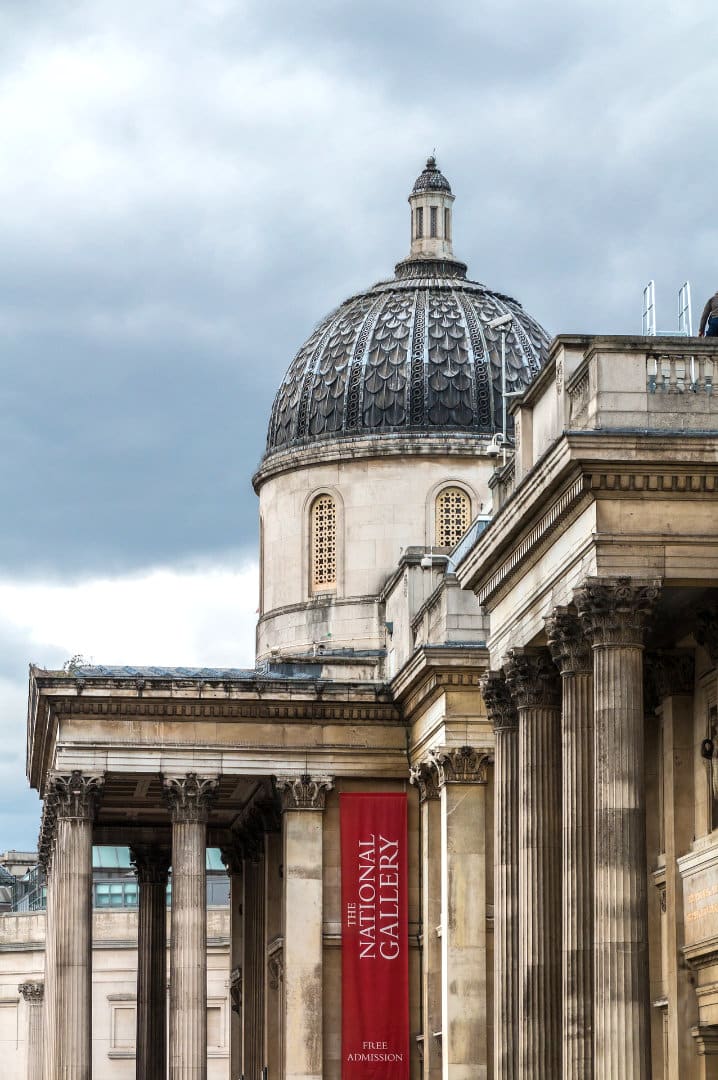
Step into the captivating world of Jan van Eyck's "Arnolfini Portrait," a true masterpiece of the Early Netherlandish period. Painted in 1434, this double portrait depicts Giovanni di Nicolao Arnolfini, an Italian merchant, and his wife, likely in their Bruges residence. More than just a likeness, this painting is a window into 15th-century life, brimming with symbolism and artistic innovation.
The "Arnolfini Portrait" holds significant historical weight. It's considered one of the first paintings of everyday life, predating later genre scenes. The painting's innovative use of geometric orthogonal perspective and the inclusion of a convex mirror to expand the picture space were groundbreaking for their time. Beyond its artistic merits, some scholars, like Erwin Panofsky, believe it to be a visual marriage contract, a testament to the union of Giovanni Arnolfini and his wife. Signed and dated by van Eyck, the painting serves as a permanent record and a powerful symbol of commitment.
Van Eyck's masterful technique is on full display in this work. He employed multiple layers of thin, translucent oil glazes, creating a luminosity and depth of color that were revolutionary. The longer drying time of oil paint allowed him to blend colors seamlessly, achieving subtle gradations of light and shadow. He also uses wet-on-wet technique, now also called Alla Prima. This technique heightens the illusion of three-dimensionality and captures the textures of everything from fur to fabric with stunning precision.
Spotlight
Jan van Eyck turns a quiet moment into a visual puzzle:
The mirror reflects more than what you see — expanding the space beyond the frame
Above it, the inscription reads: “Jan van Eyck was here” — like a signature and a witness
Every object may carry meaning:
- The dog → loyalty
- The fruit → wealth or temptation
- The single lit candle → presence, or divine witness
And the big question:
Is this a wedding? A contract? A memorial?
No one fully agrees.
Worth the trip
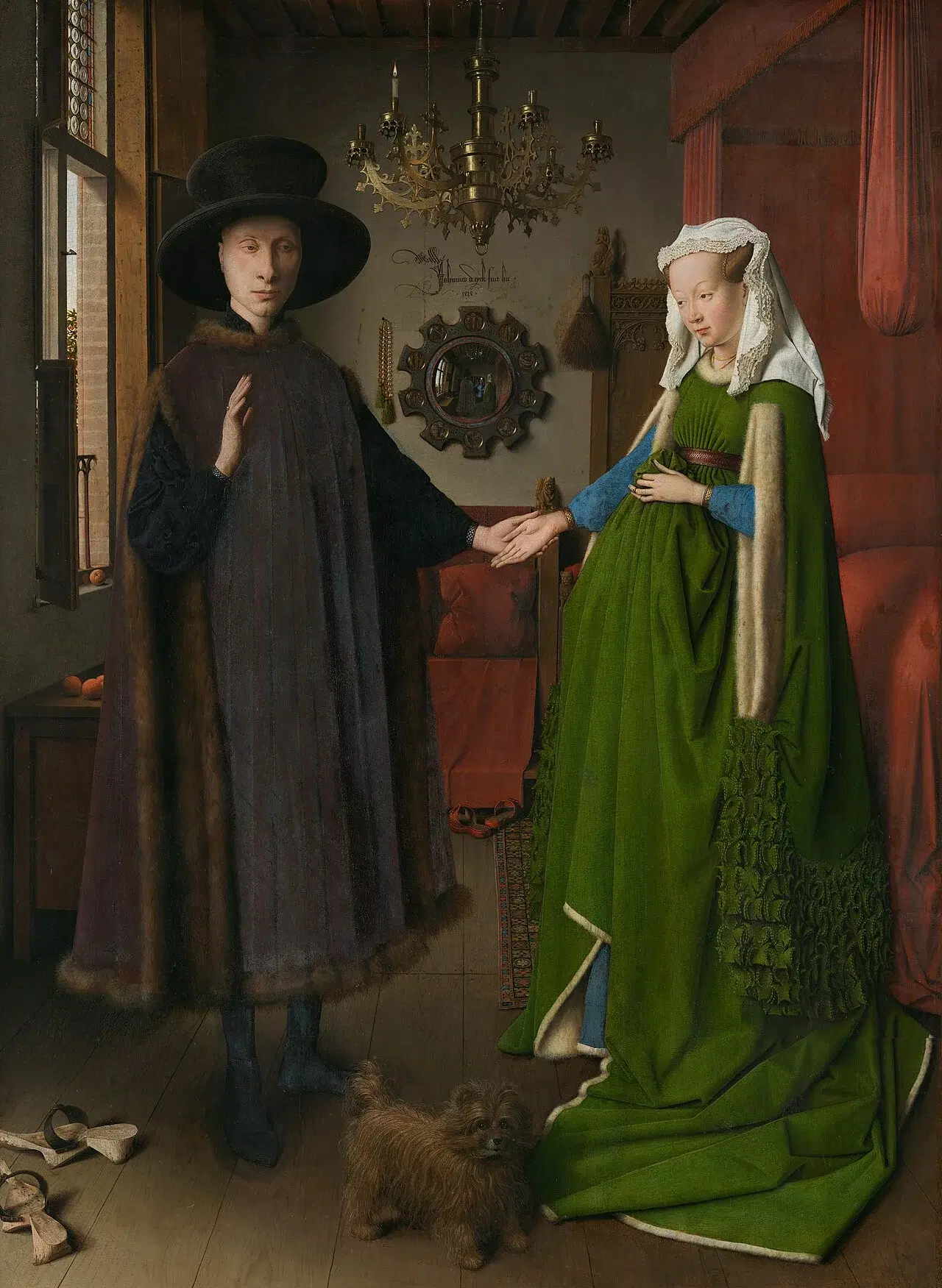
Because seeing it at the National Gallery is surprisingly intense.
It’s not large, but it pulls you in. The detail, the reflection, the silence — everything feels deliberate.
And then you notice the mirror… and realize:
you’re part of the scene now.
If Artlovers is about discovering artworks that feel ahead of their time — this one already plays with perspective, narrative, and presence like a modern installation.
How to experience it
Start with the mirror, not the couple.
Walk up and go straight to the tiny convex mirror at the back. Look closely — you’ll see the entire room reflected… and two extra figures entering.
Then step back and look at the couple again.
Everything changes.
Artlovers tip
It’s one of the first artworks that “breaks the frame.”
Once you see the mirror, you realize: you’re not just observing the scene — you’ve stepped into it.
Don’t stop here
More to explore by Jan van Eyck
Same feeling, different artists
Similar Works by Other Artists
Keep exploring
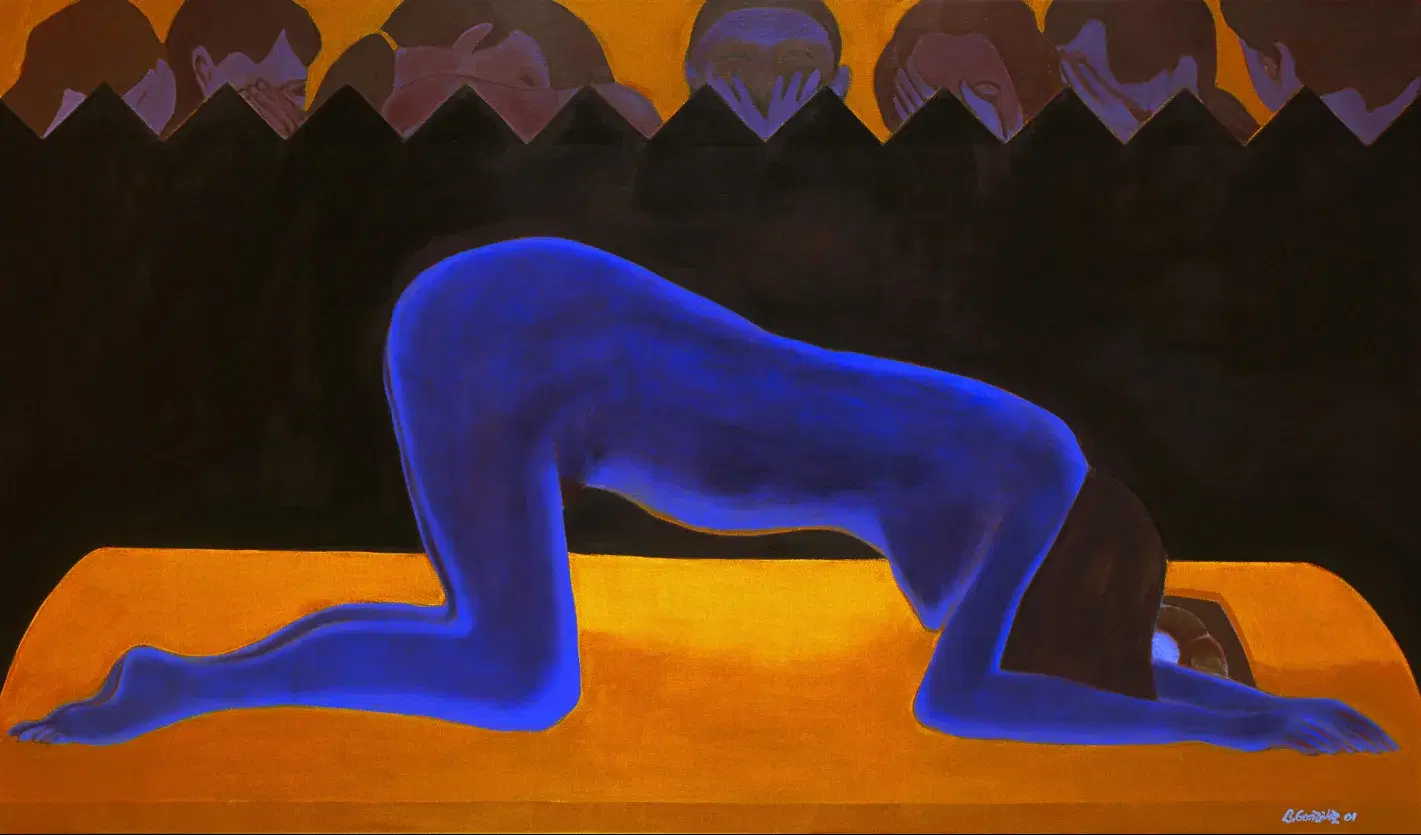
Ends soon
Beatriz González
25 Feb – 10 May 2026
Barbican
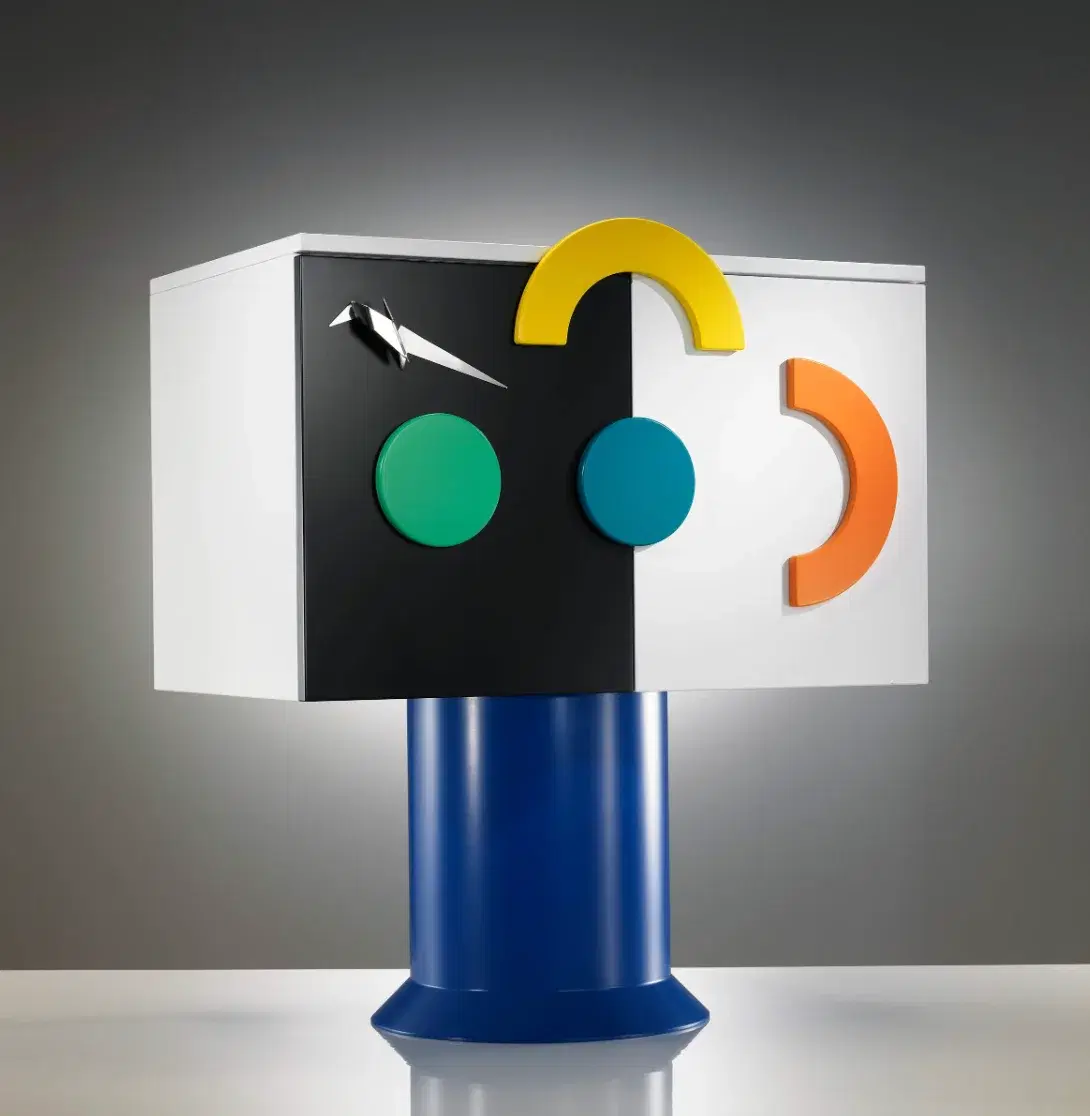
Ends soon
Alessandro Mendini
16 Jan – 10 May 2026
Estorick Collection of Modern Italian Art
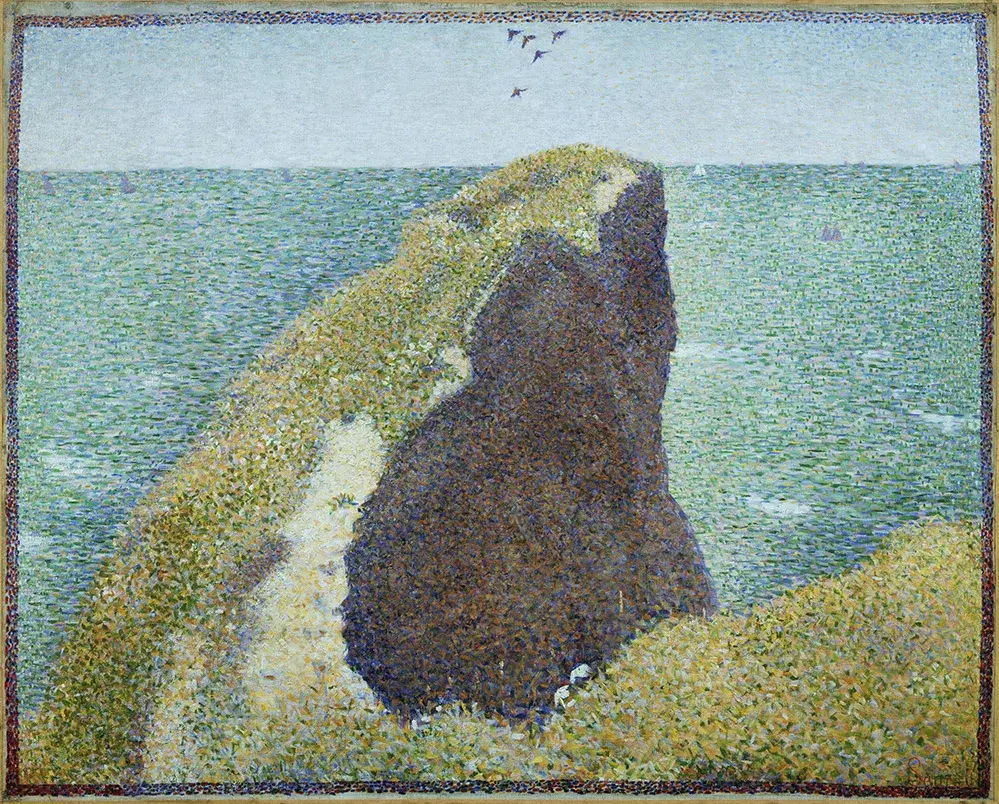
Ends soon
Seurat and the Sea
13 Feb – 17 May 2026
The Courtauld
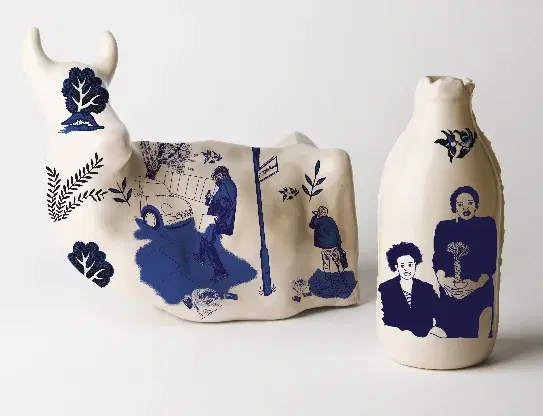
Ends soon
London Craft Week
11 May – 17 May 2026
The Courtauld
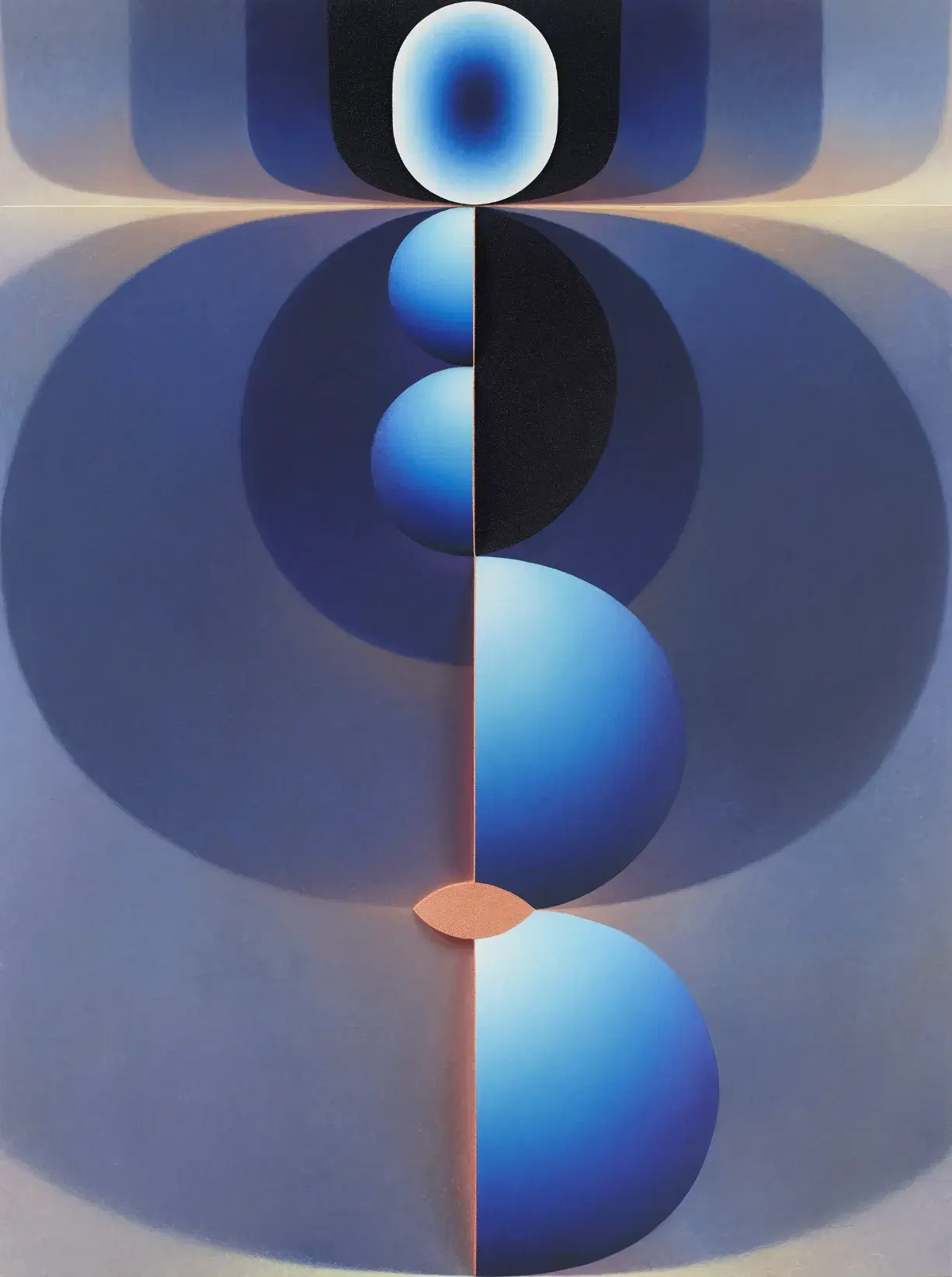
Loie Hollowell. Overview Effect
4 Mar – 23 May 2026
Pace Gallery London
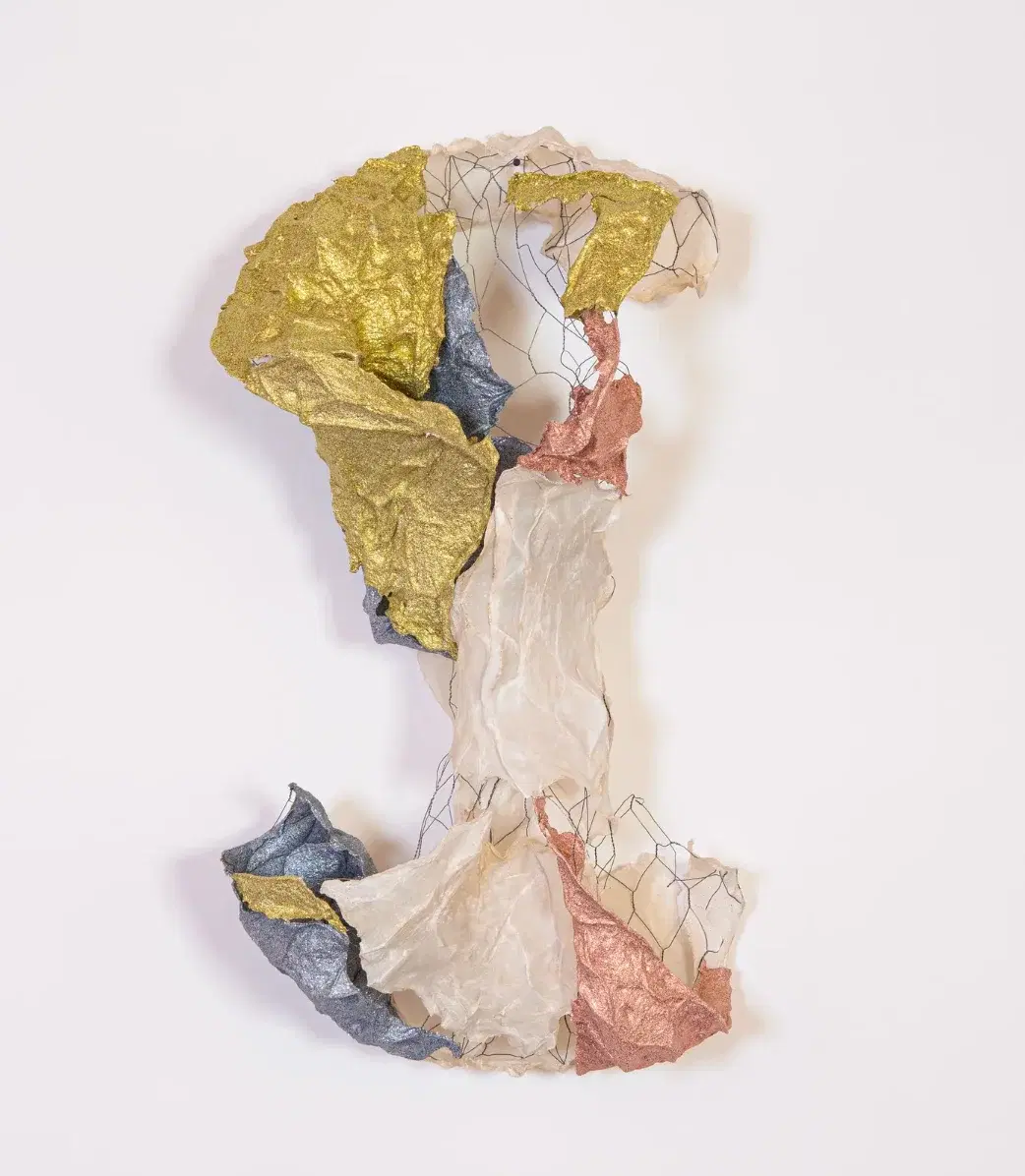
Lynda Benglis: Encounters: Giacometti.
12 Feb – 31 May 2026
Barbican

Katharina Grosse
22 Apr – 31 May 2026
White Cube Gallery Bermondsey
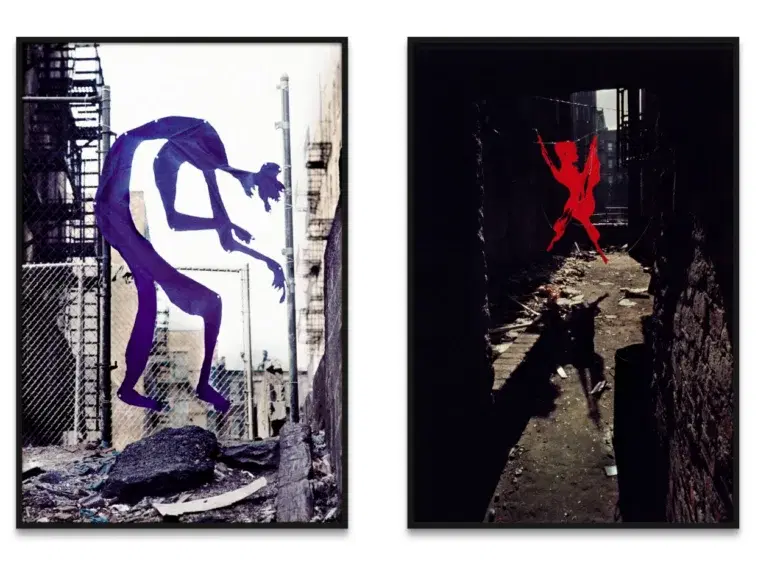
Senga Nengudi: Performance Works 1972-1982
1 Apr – 14 Jun 2026
Whitechapel Gallery

Veronica Ryan: Multiple Conversations
1 Apr – 14 Jun 2026
Whitechapel Gallery
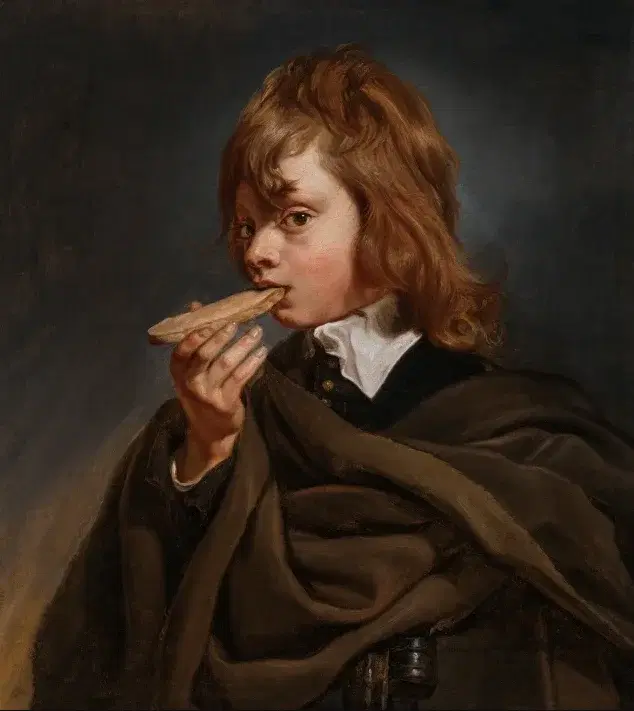
Michaelina Wautier
27 Mar – 21 Jun 2026
The Royal Academy of Arts London