The Wedding at Cana
#37
Meet the artist
PPaolo Veronese1528–1588Italian
Dates
1562–1563
Specifications
- Original title
- Le nozze di Cana
- Dimensions
- 666 × 990 cm
Wikimedia Commons
About the Artwork
Paolo Veronese's "The Wedding at Cana" is a monumental masterpiece depicting the biblical story from the Gospel of John, where Jesus performs his first miracle by turning water into wine at a wedding feast. Set within a lavish, theatrical scene reminiscent of 16th-century Venetian society, the painting showcases a vast array of figures, capturing a sense of bustling activity and opulent celebration. The sheer scale and detail of the work are breathtaking, making it a visual spectacle that immerses viewers in the heart of the narrative. Veronese masterfully blends the sacred and the secular, placing the miracle within a context of contemporary life and culture.
Beyond its biblical subject matter, "The Wedding at Cana" is historically significant as a prime example of Venetian Renaissance painting. Veronese's artistic techniques, including his vibrant use of color, dynamic composition, and masterful handling of light and shadow, are on full display. The painting's grand scale and intricate details demonstrate the artist's exceptional skill and ambition. The use of architectural elements and perspective further enhances the depth and realism of the scene, creating a compelling sense of space and depth.
"The Wedding at Cana" matters because it's more than just a religious depiction; it's a cultural document that offers insights into the values, aesthetics, and social customs of 16th-century Venice. The painting's enduring appeal lies in its ability to transport viewers to a world of splendor and spectacle, while simultaneously engaging with themes of faith, celebration, and divine intervention. Its legacy continues to inspire and influence artists and art lovers alike.
How to experience it
take in the whole composition before chasing details
Same feeling, different artists
Similar Works by Other Artists
Keep exploring
Ends soon
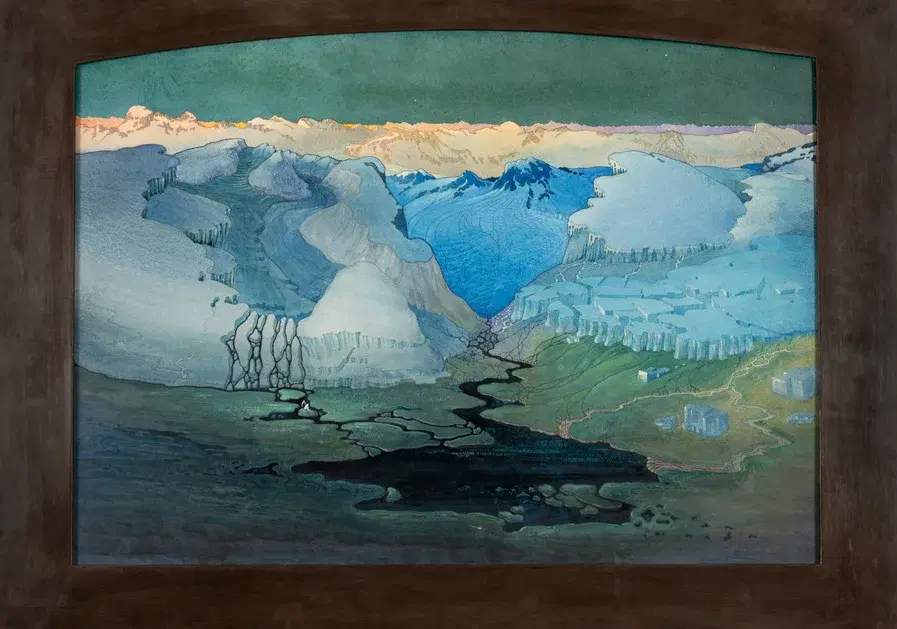
Northern Light
Musée d’Orsay
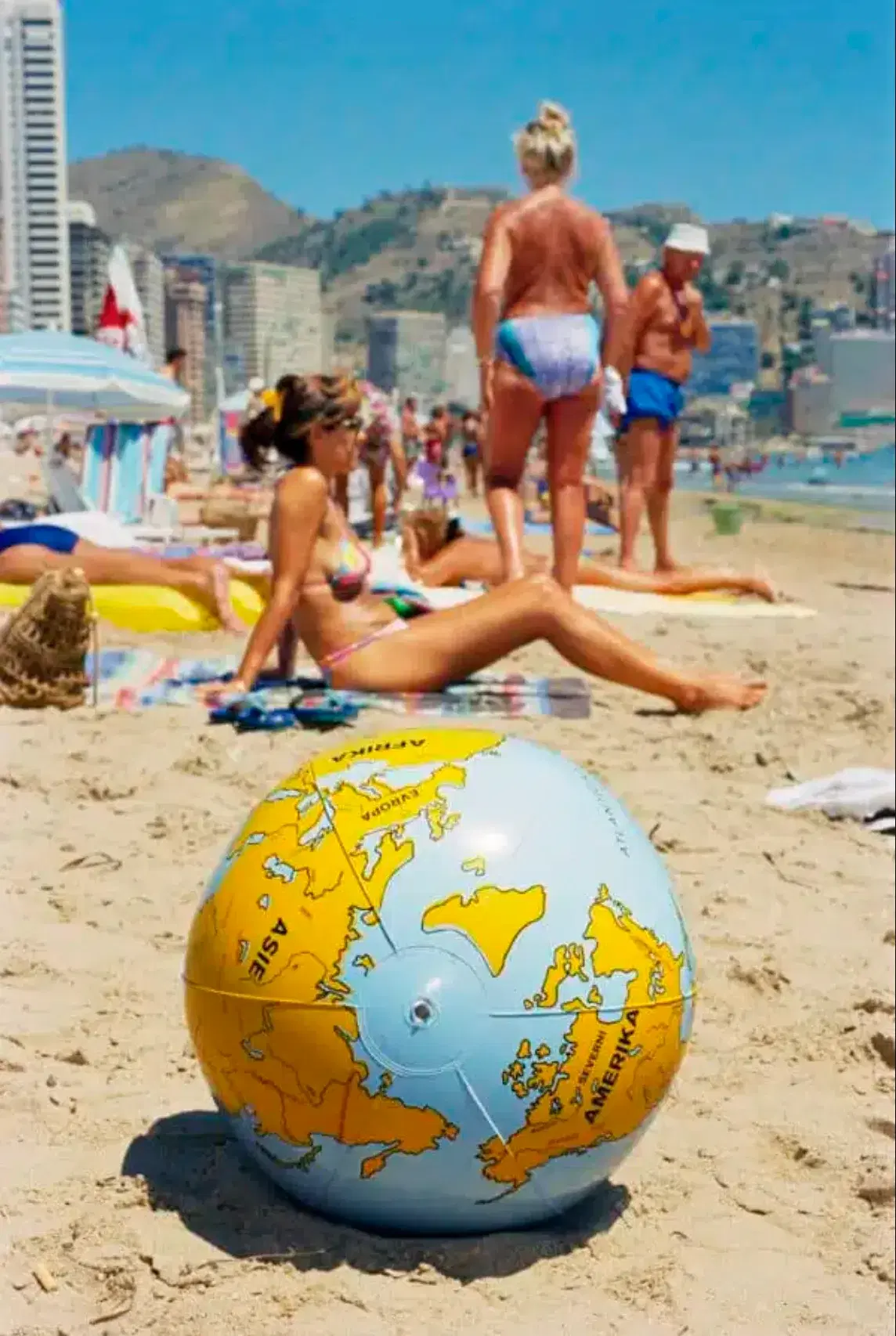
Martin Parr. Global warning
30 Jan – 24 May 2026
Jeu de Paume
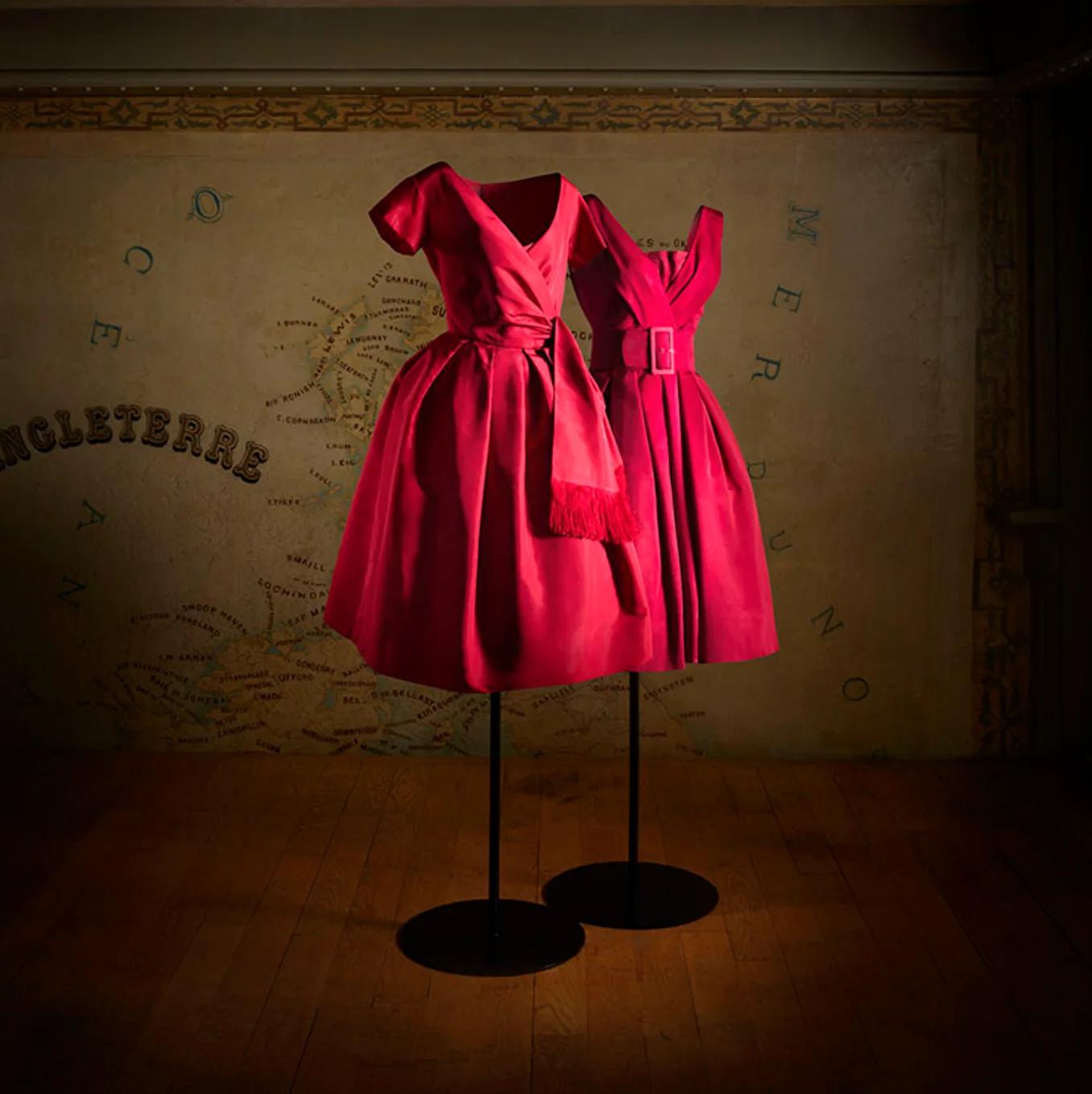
Azzedine Alaïa and Christian Dior, two masters of haute couture
12 Dec 2025 – 24 May 2026
Fondation Azzedine Alaïa
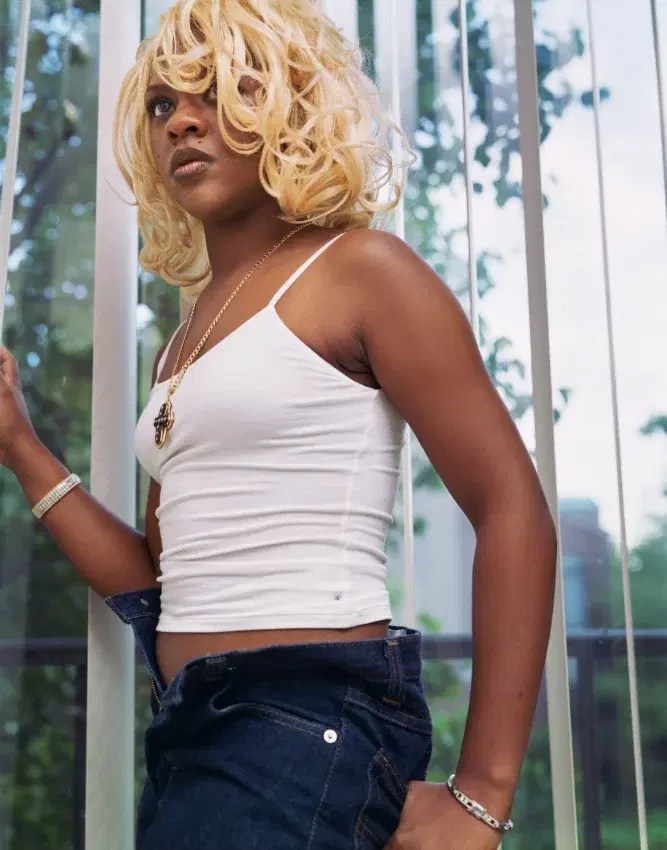
Dana Lixenberg. American Images
11 Feb – 24 May 2026
MEP – Maison Européenne de la Photographie
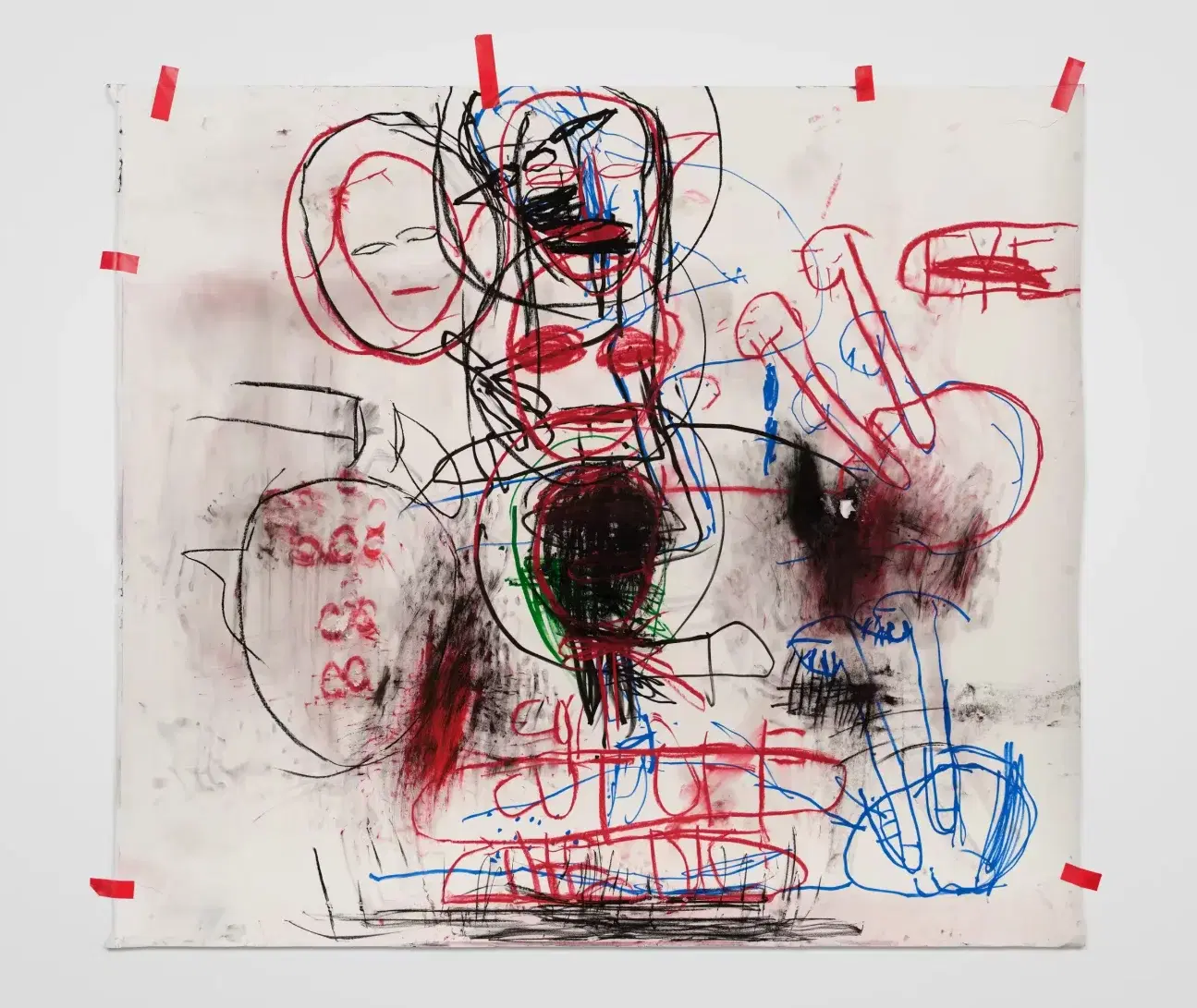
Paul McCarthy
21 Mar – 30 May 2026
Hauser & Wirth Paris
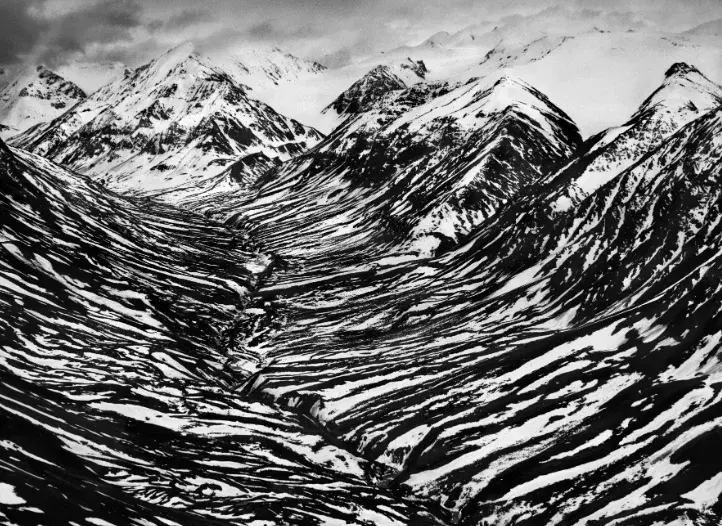
Sebastião Salgado
21 Feb – 30 May 2026
Hôtel de Ville
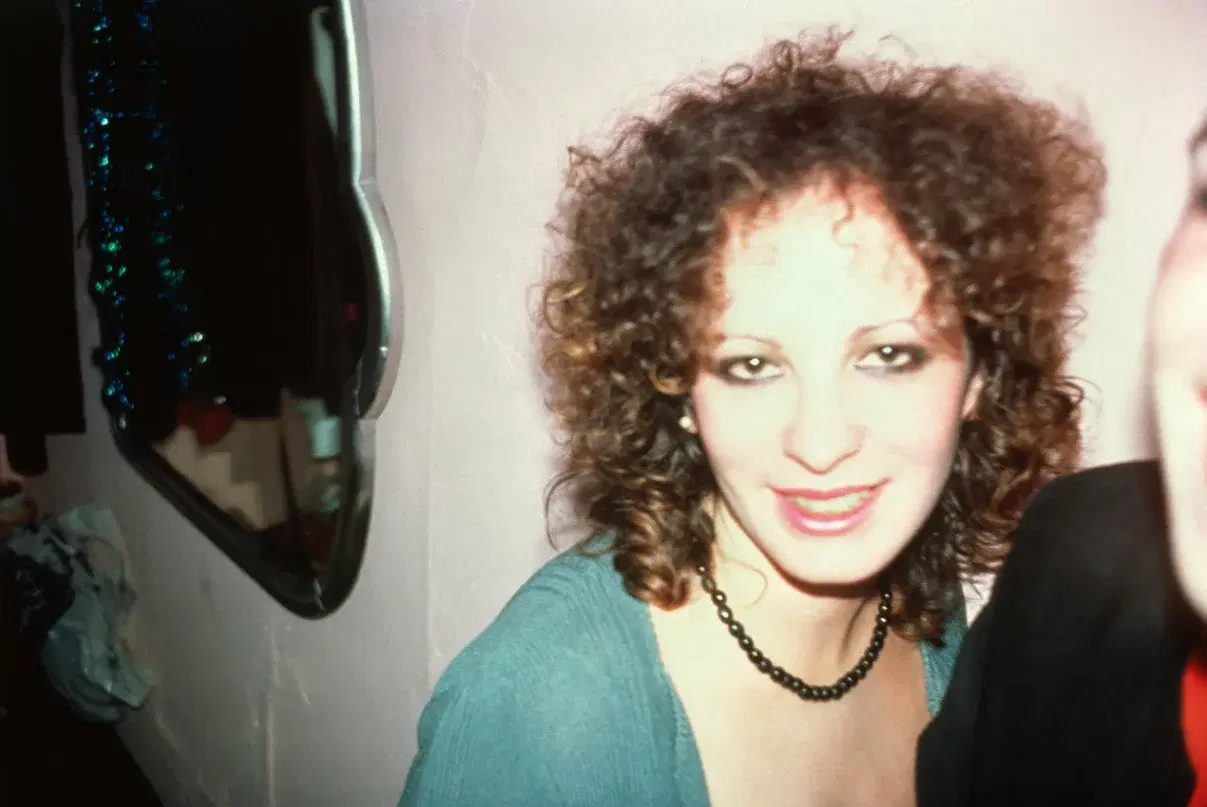
Nan Goldin
18 Mar – 21 Jun 2026
Grand Palais Paris
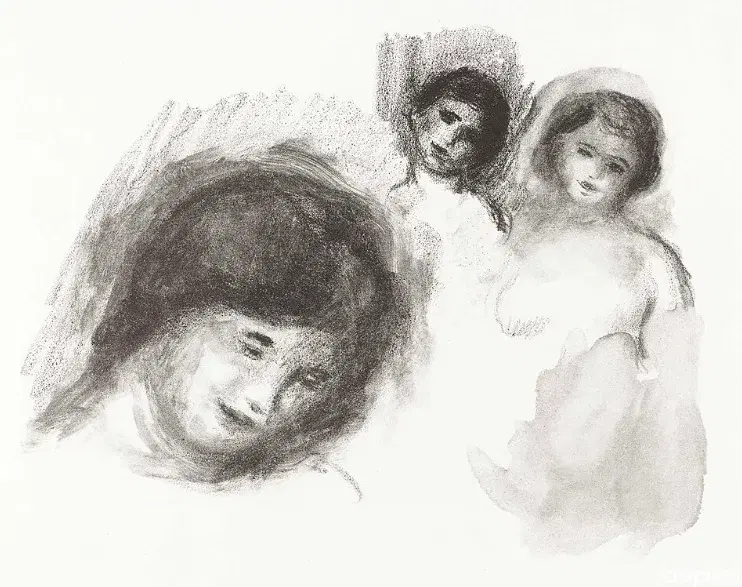
Renoir Drawings
17 Mar – 5 Jul 2026
Musée d’Orsay
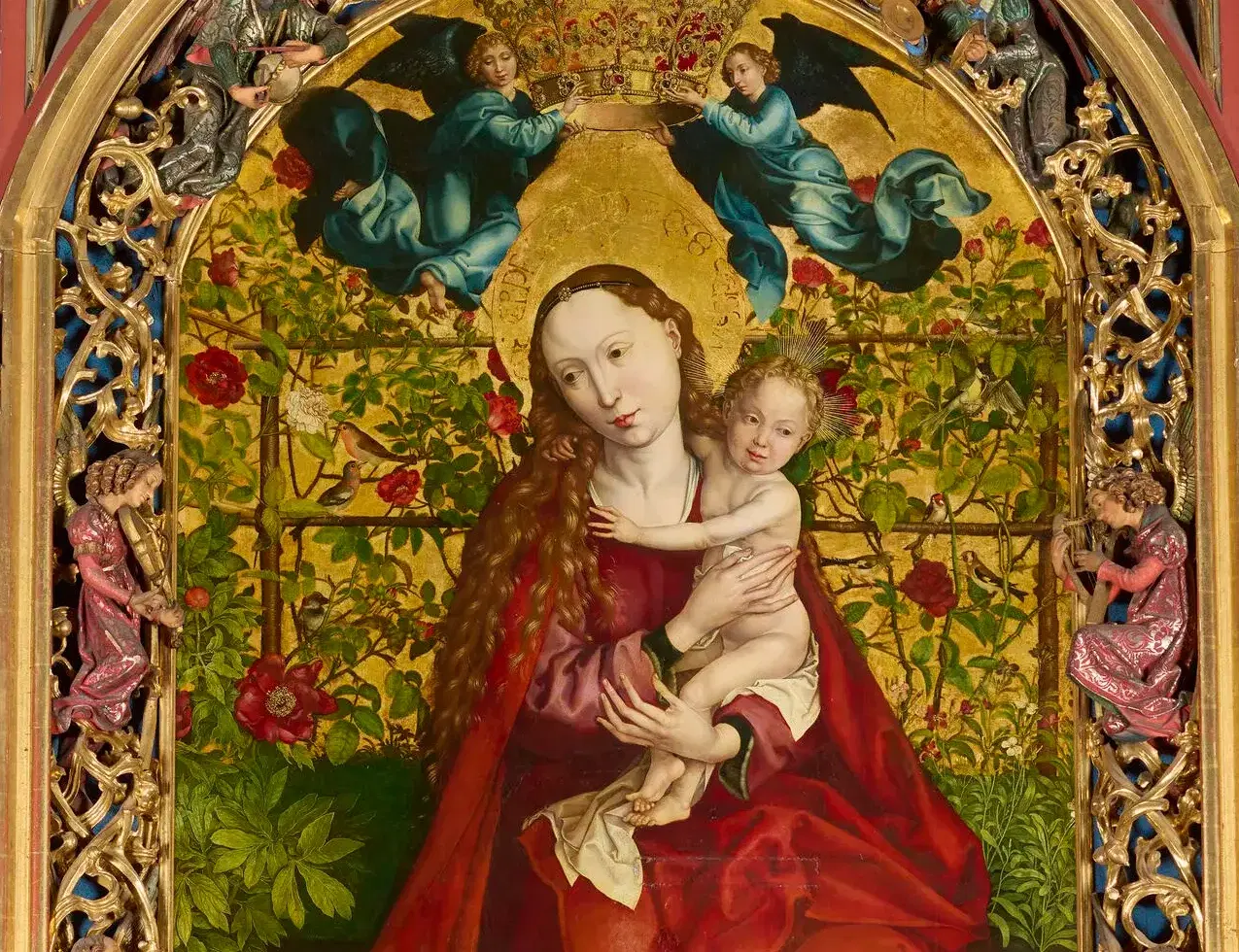
Martin Schongauer
8 Apr – 20 Jul 2026
Louvre Museum
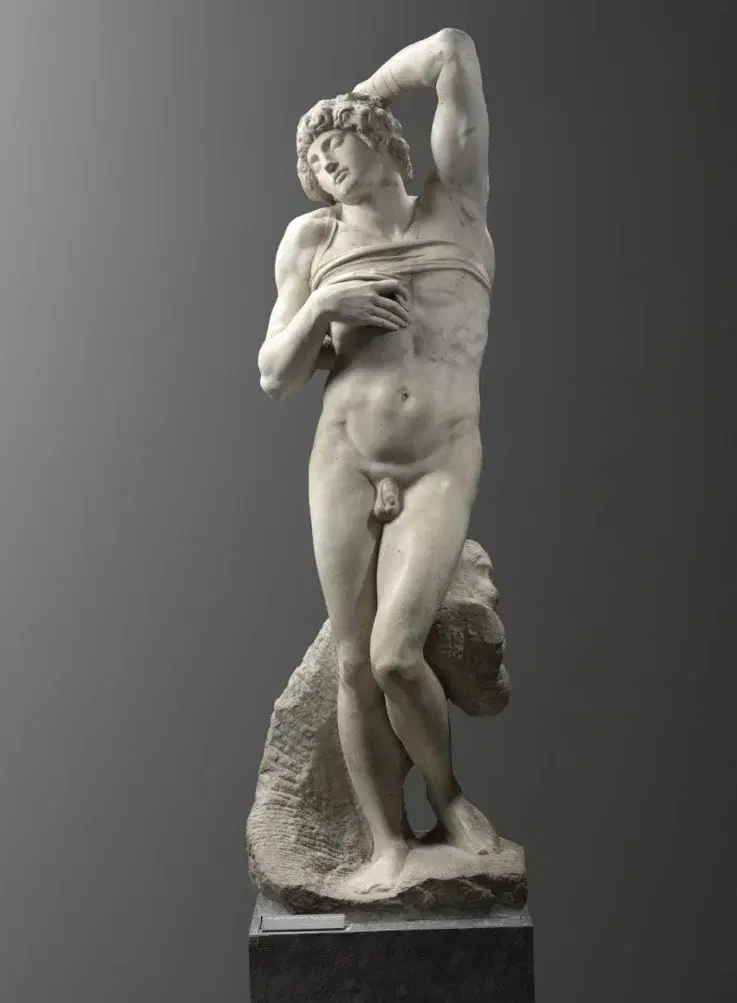
Michelangelo and Rodin
15 Apr – 20 Jul 2026
Louvre Museum