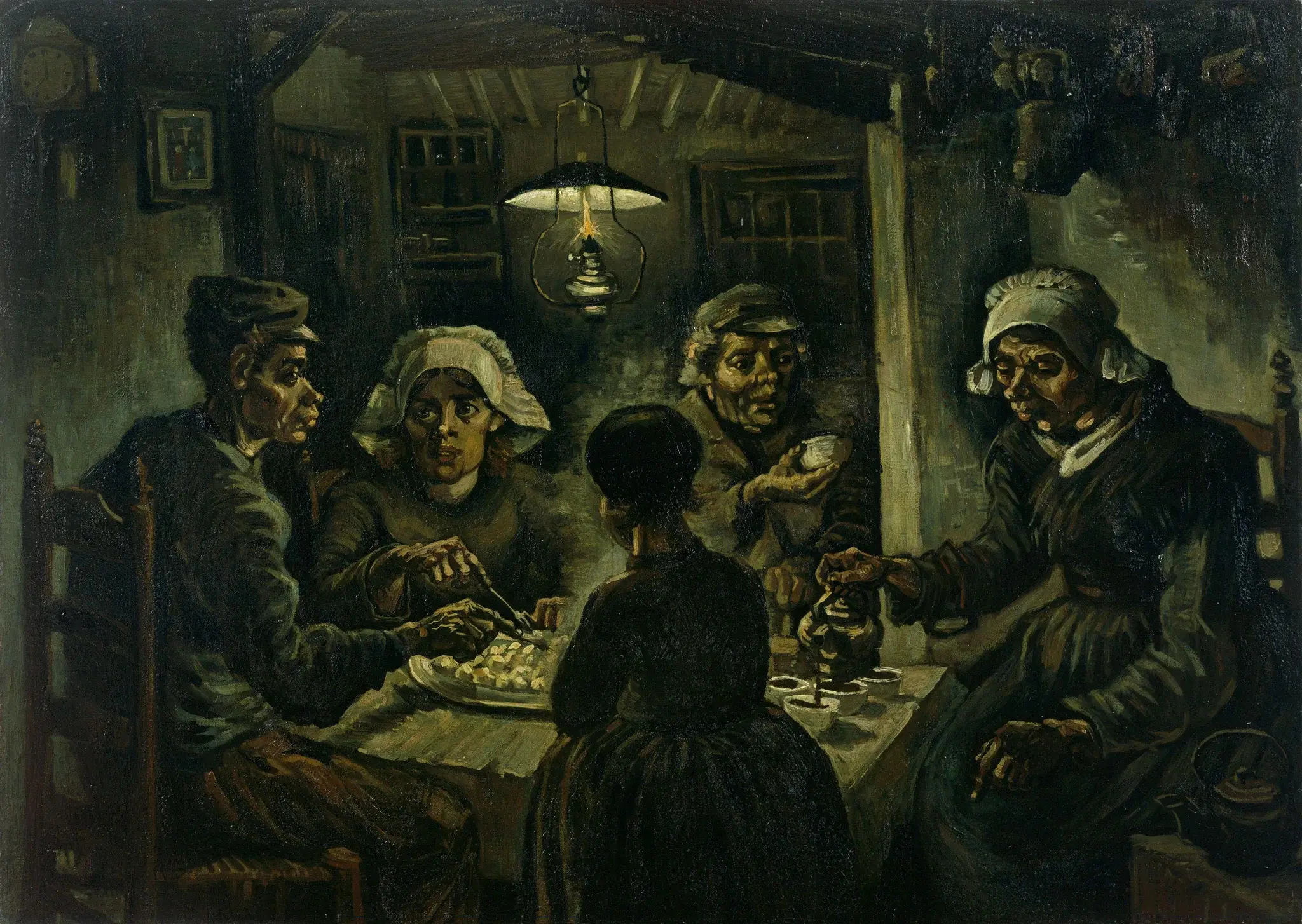
The Potato Eaters
#83
Meet the artist
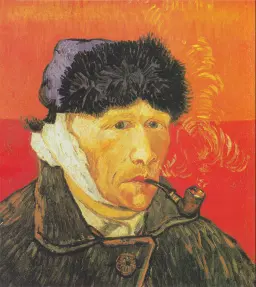
Vincent van Gogh1853–1890Dutch
Dates
1885
Specifications
- Original title
- De aardappeleters
- Dimensions
- 82 × 114 cm
Wikimedia Commons
About the Artwork
Painted in 1885, Vincent van Gogh's "The Potato Eaters" (Dutch: De Aardappeleters) offers a stark and intimate portrayal of peasant life in rural Netherlands. The artwork depicts a family gathered around a humble table, sharing a meal of potatoes by the dim light of a single lamp. This seemingly simple scene is rich with Van Gogh's social commentary and artistic intent. He aimed to capture the honesty and hardship of the working class, emphasizing the connection between their labor, the land, and the food they consumed. This painting is considered one of Van Gogh's earlier masterpieces, marking a pivotal moment in his artistic development as he grappled with capturing the essence of humanity.
Van Gogh employed a somber palette of earthy tones to emphasize the harsh realities of peasant life. His brushstrokes are thick and deliberately rough, mirroring the coarse nature of the subjects and their environment. The figures' faces are rendered with a stark realism, reflecting the toll of manual labor and the simplicity of their existence. Van Gogh's use of light and shadow creates a dramatic effect, focusing the viewer's attention on the family's shared meal. He wanted to avoid romanticizing poverty, striving for a genuine and unflinching depiction of rural life, as evident in his preference for painting peasants in their everyday clothes and surroundings.
"The Potato Eaters" holds historical significance not only as a testament to Van Gogh's artistic vision but also as a reflection of the social and economic realities of 19th-century rural Europe. While initially criticized for its lack of conventional beauty, the painting has since been recognized as a powerful and poignant representation of the working class. It is a reminder of the dignity and resilience of those who toil the land, and a testament to Van Gogh's commitment to capturing the true essence of human experience. The painting also provides insight into Van Gogh's artistic roots, rooted in the Hague School with influences of artists like Jozef Israëls, and foreshadows his later, more expressive style.
How to experience it
stay with the dark palette before comparing it to Arles
Don’t stop here
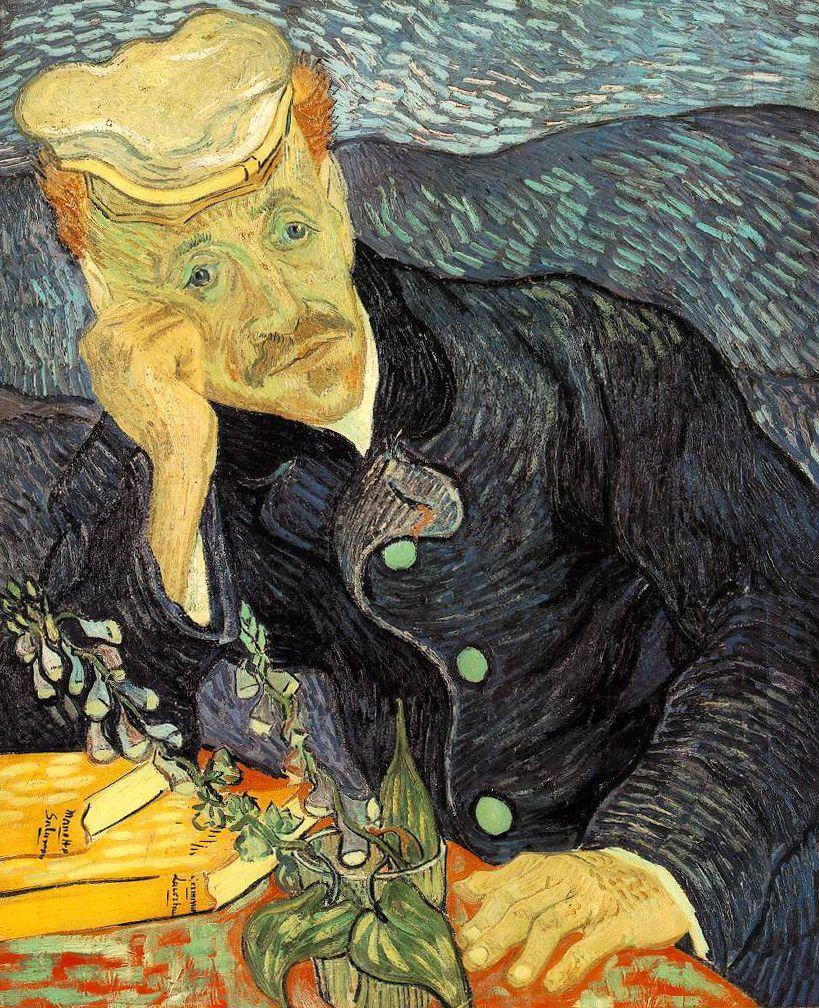
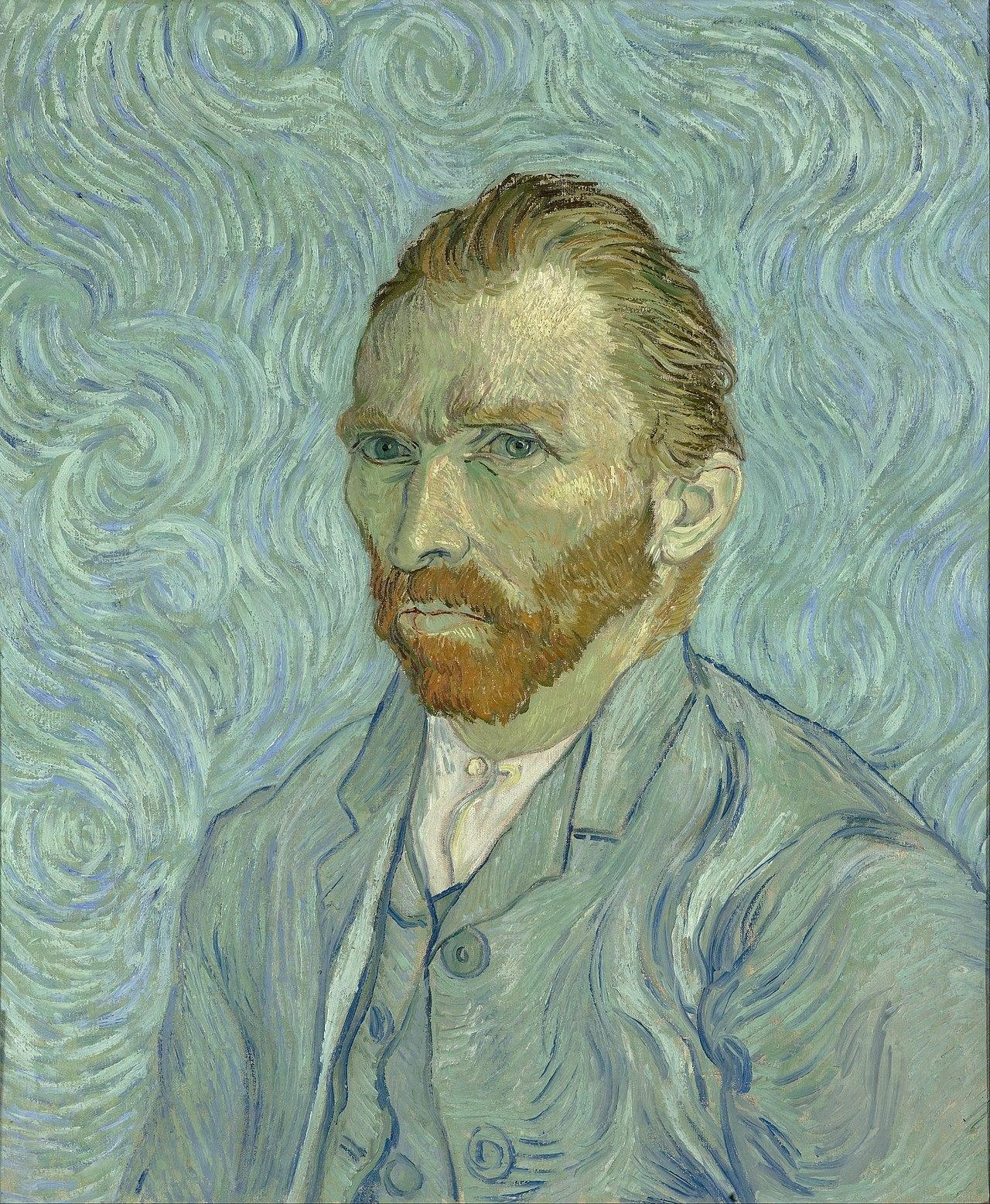
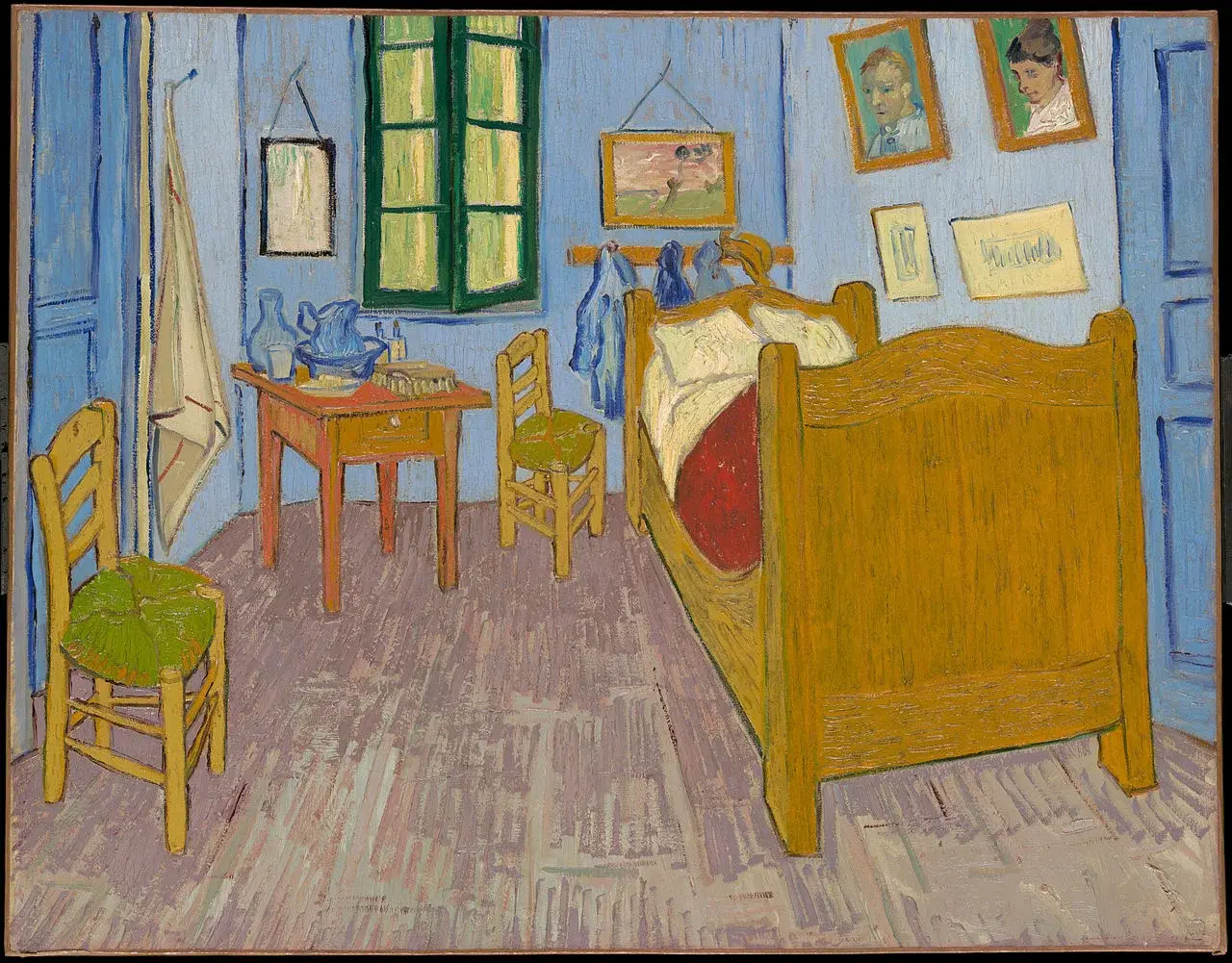
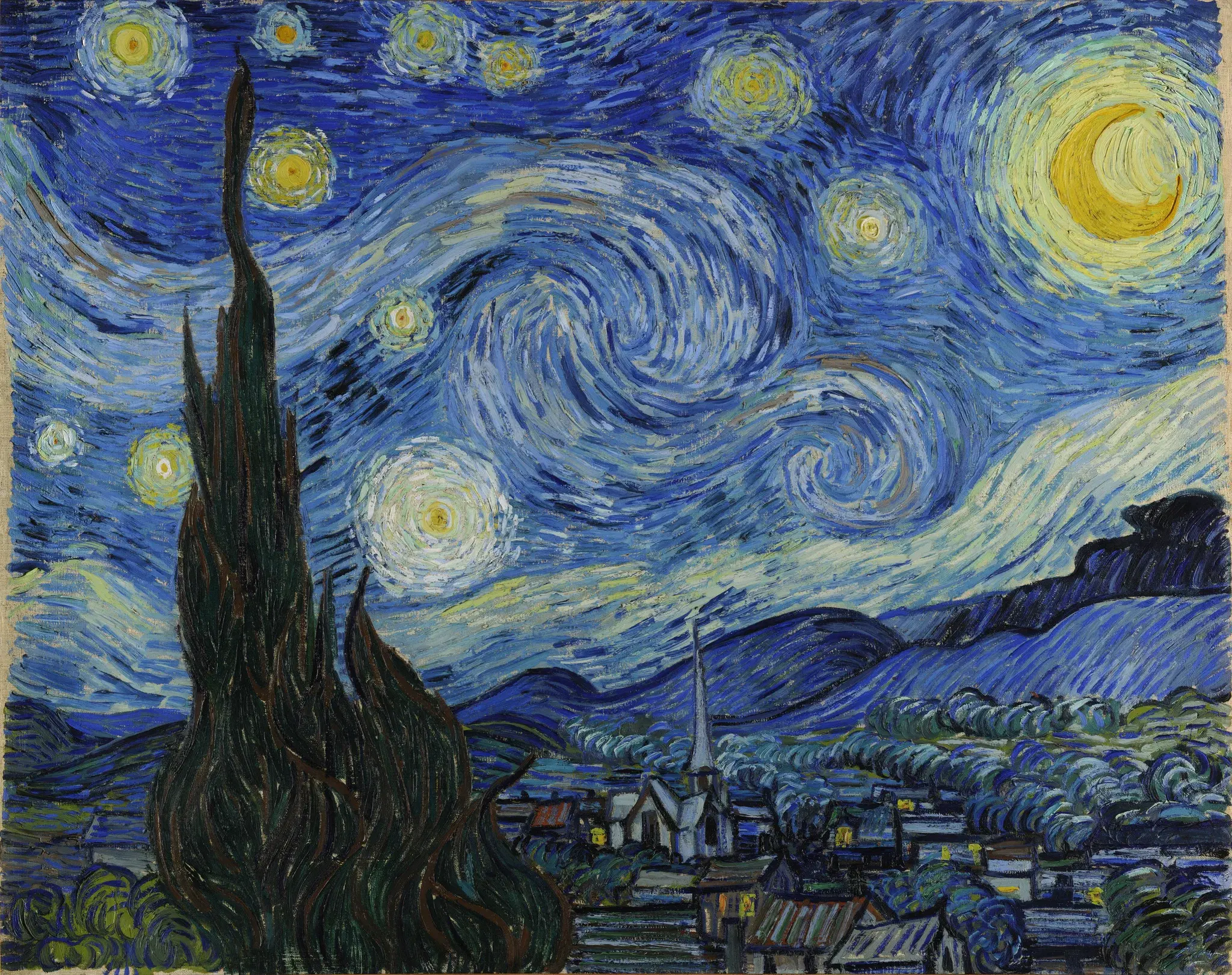
More to explore by Vincent van Gogh
Same feeling, different artists
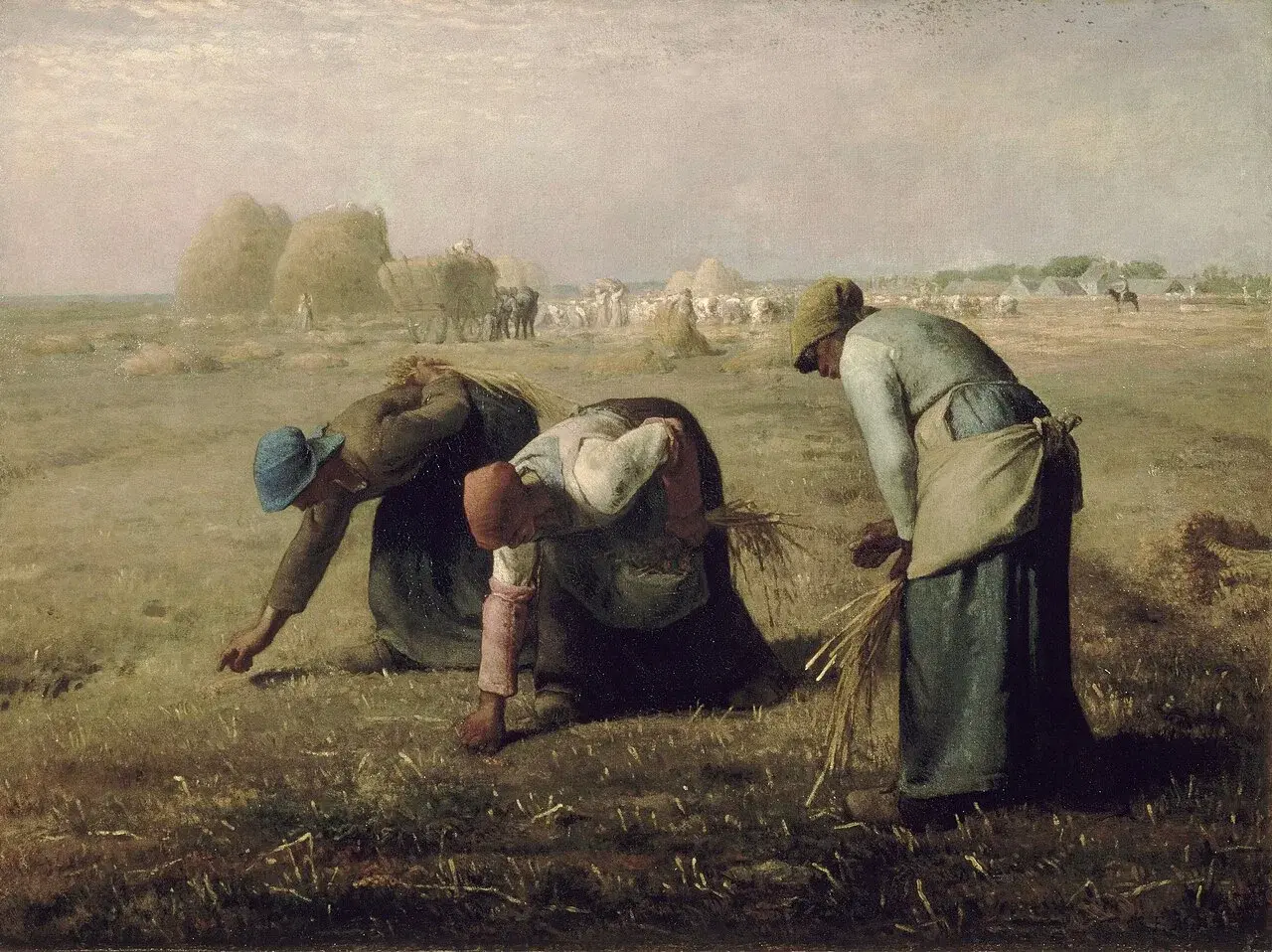
Similar Works by Other Artists
Keep exploring
Ends soon
Robbie Williams
8 Nov 2025 – 7 May 2026
Moco Museum Amsterdam
Ends soon
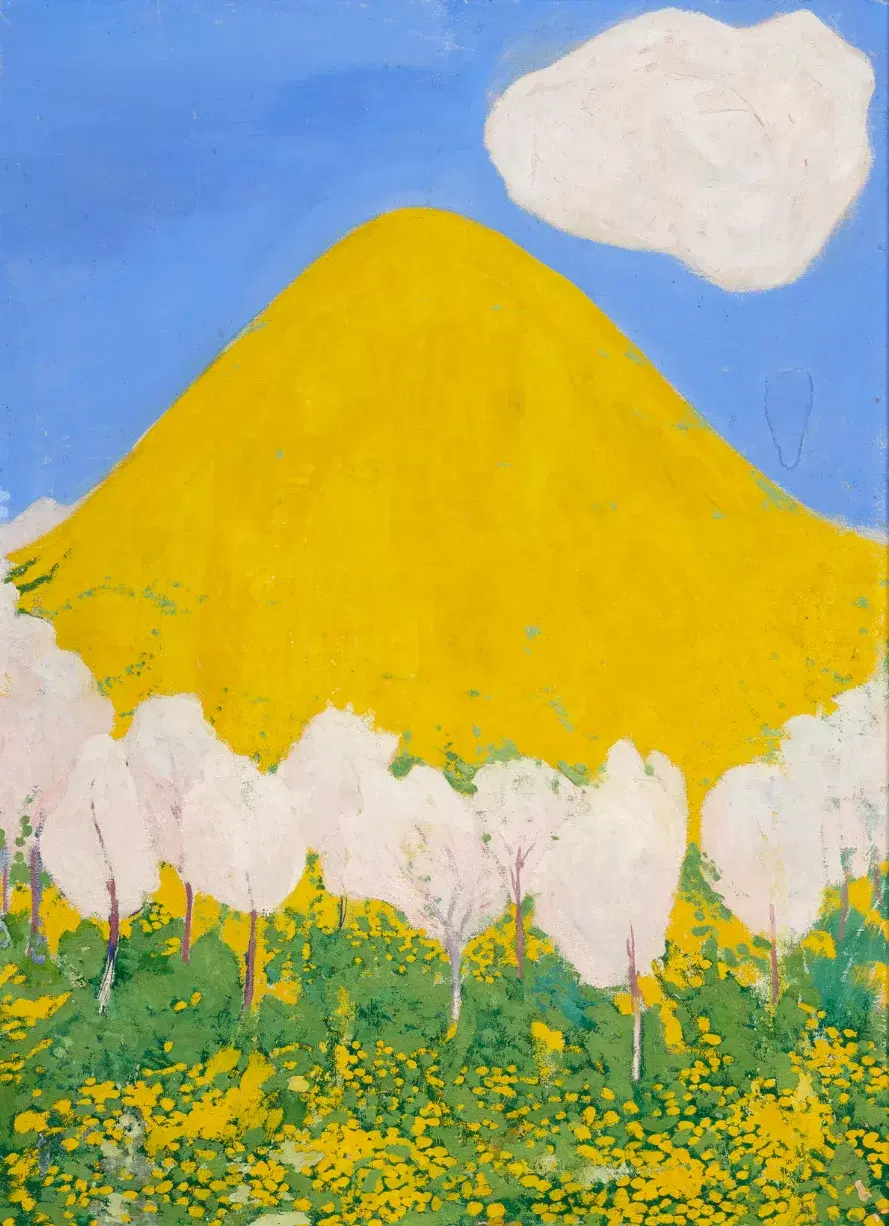
Exhibition Yellow
13 Feb – 17 May 2026
Van Gogh Museum
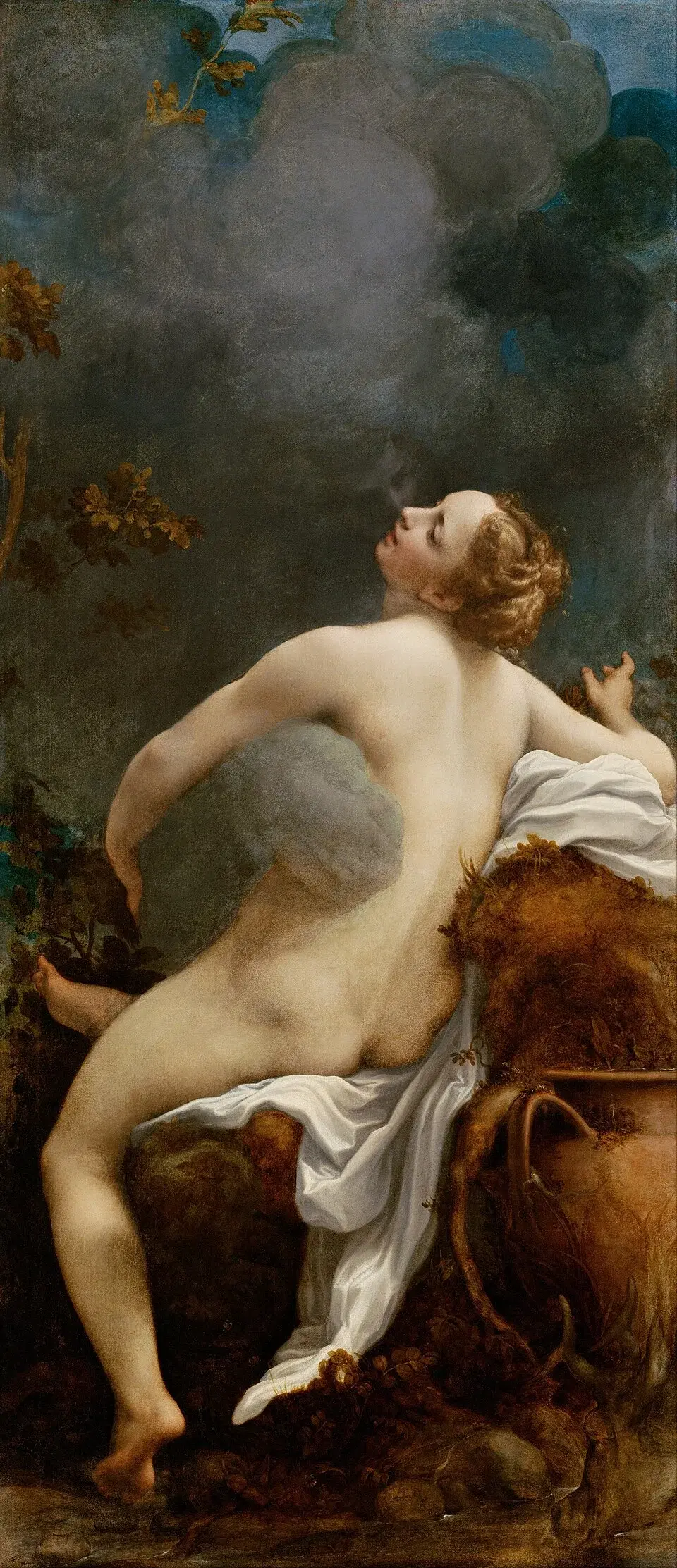
Metamorphoses
6 Feb – 25 May 2026
Rijksmuseum
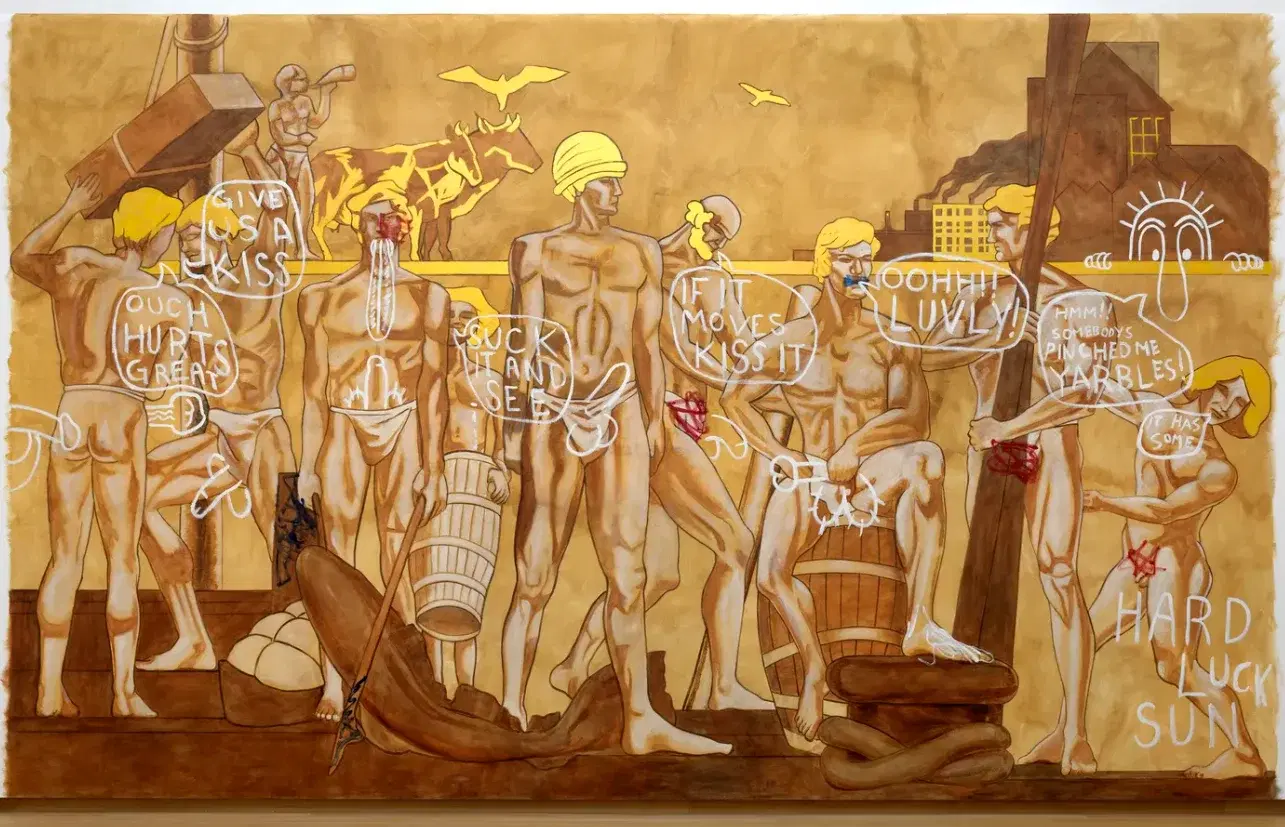
Manosphere: Masculinity Now
18 Apr – 2 Aug 2026
The Stedelijk Museum

Martin Parr
3 Apr – 12 Aug 2026
Foam Fotografiemuseum Amsterdam
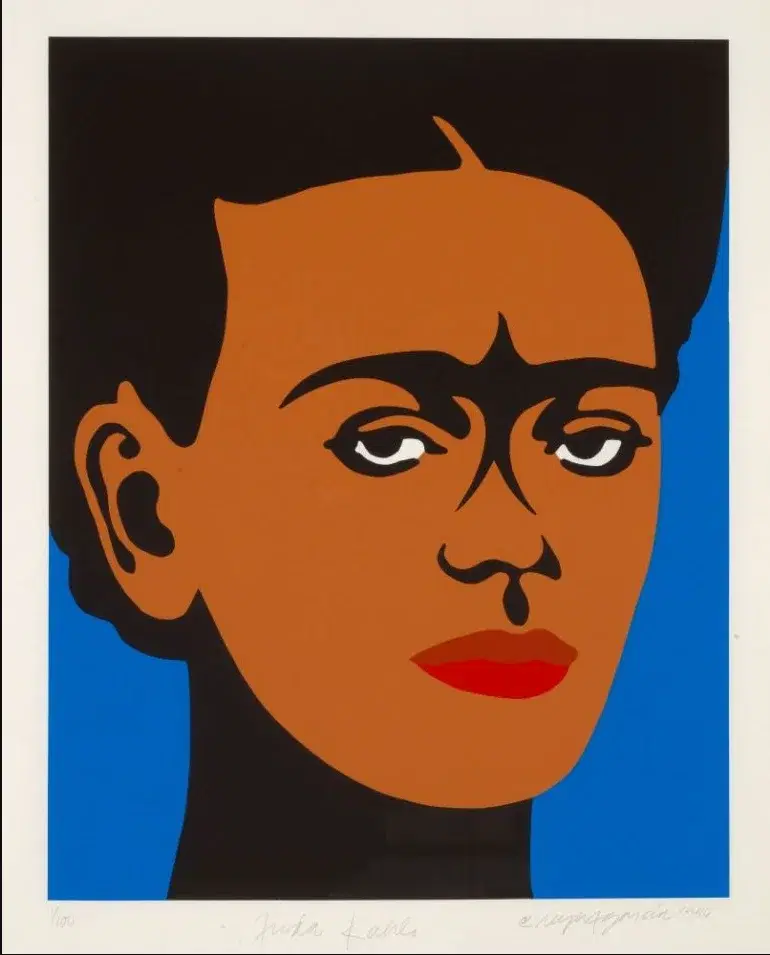
American Identities
13 Feb – 6 Sep 2026
H’ART Museum
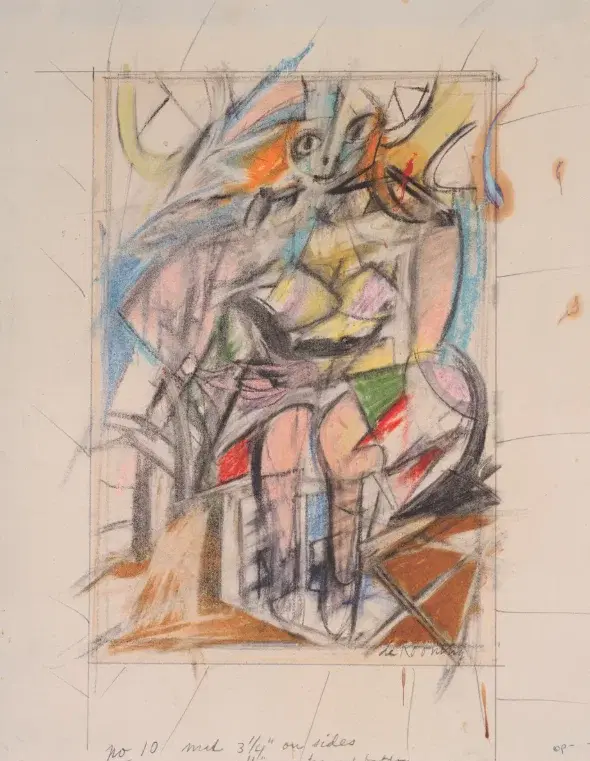
Willem de Kooning at work
9 Oct 2026 – 17 Jan 2027
Rijksmuseum
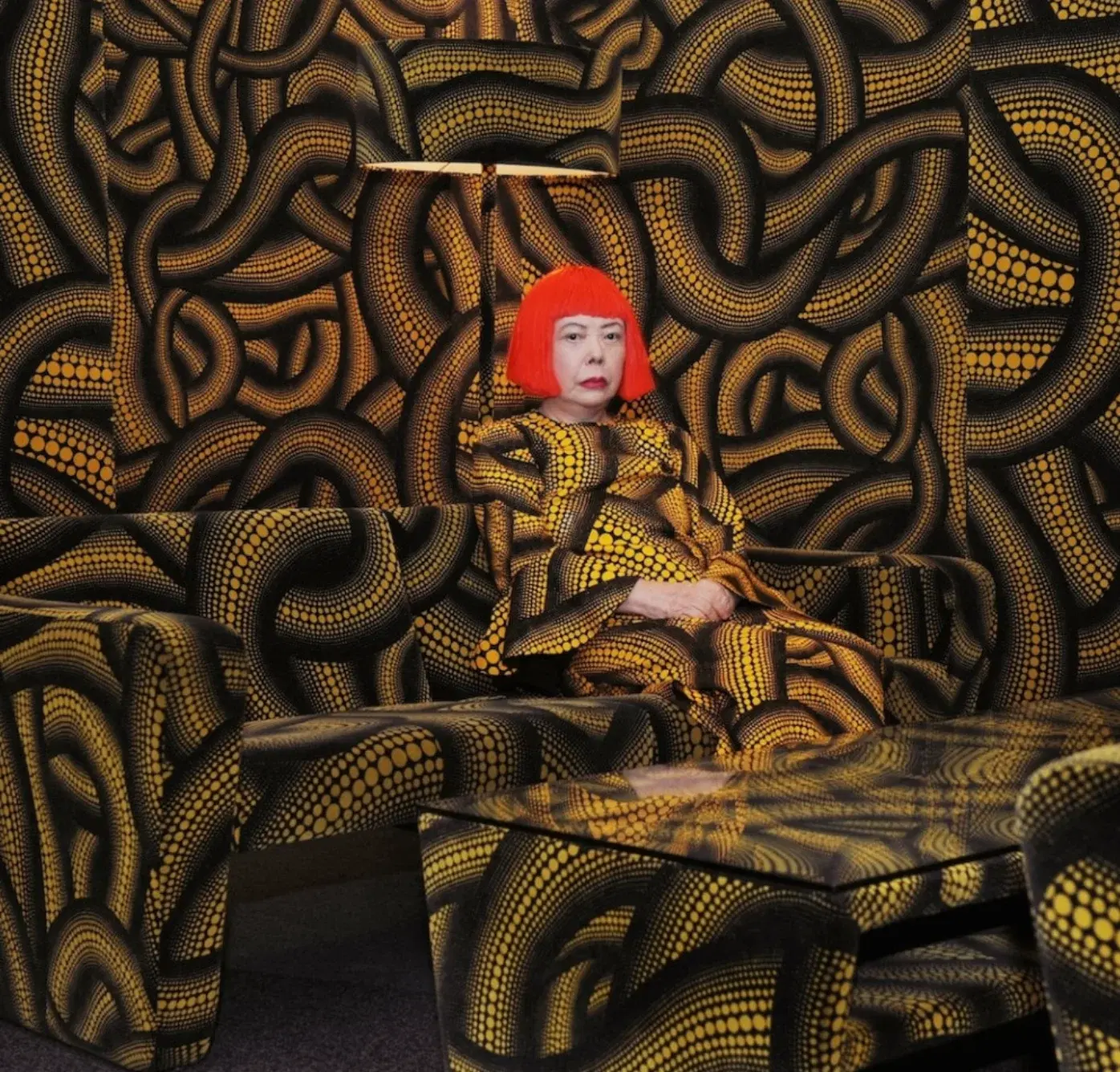
Yayoi Kusama
11 Sep 2026 – 17 Jan 2027
The Stedelijk Museum
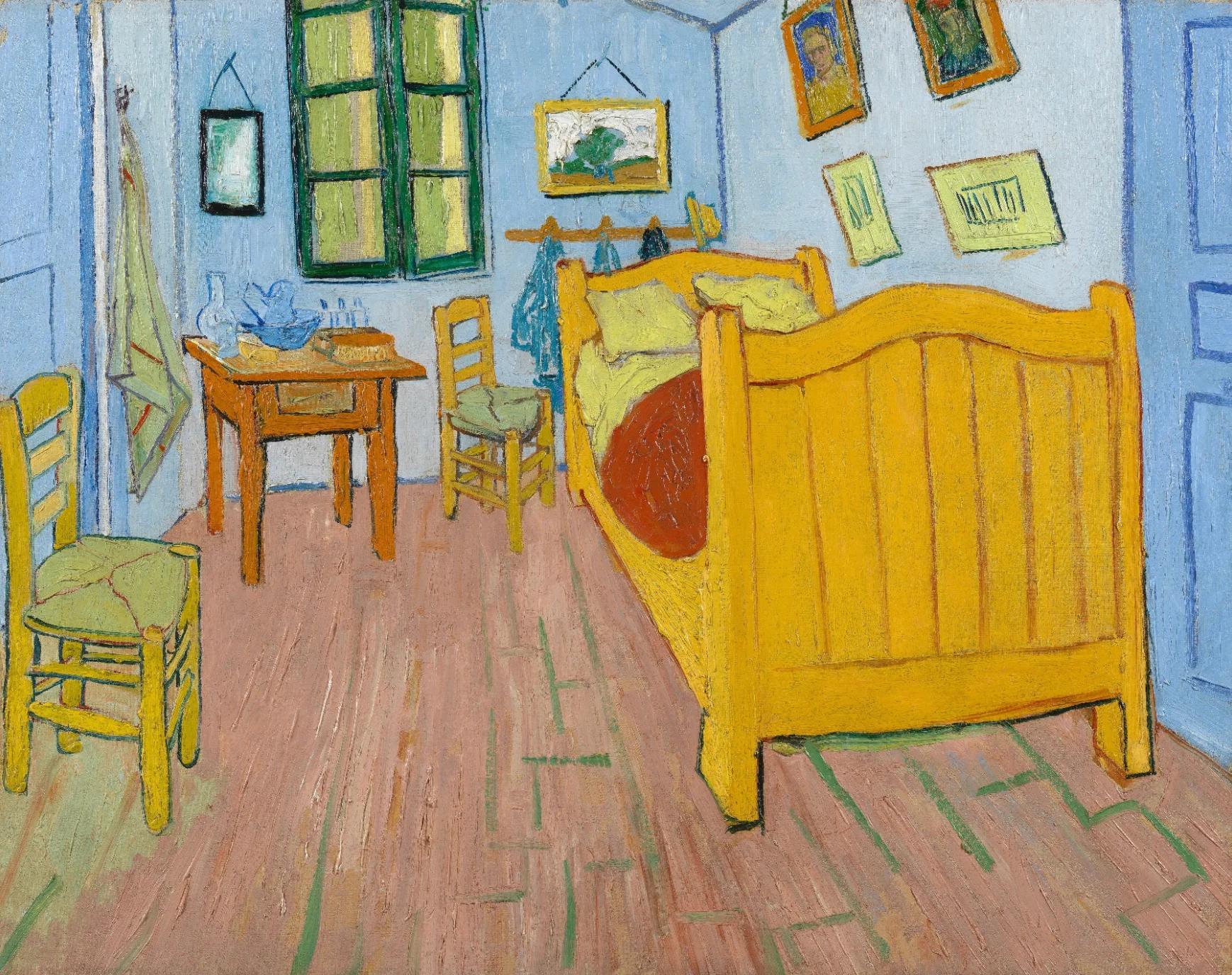
The Permanent Collection: Van Gogh’s Masterpieces
Van Gogh Museum
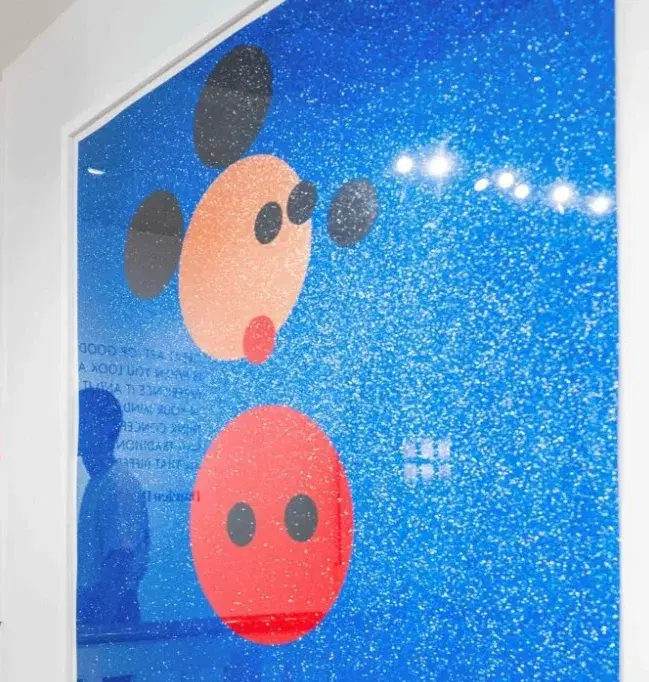
Modern Masters Amsterdam
Moco Museum Amsterdam