The Tempest
#76
Meet the artist
GGiorgione1477–1510Italian
Dates
c. 1506–1508
Specifications
- Original title
- La Tempesta
- Movement
- High Renaissance
- Medium
- Oil Painting
- Genre
- Landscape
- Dimensions
- 82 × 73 cm
Wikimedia Commons
About the Artwork
A storm is coming… but no one seems to care.
That’s exactly why you can’t look away.
A quiet, almost cinematic scene: a soldier stands on one side, a woman nursing a child on the other. Between them, a small stream. Behind them, a city. Above them, lightning cracks across a darkening sky.
Nothing happens. And yet everything feels about to.
Why it still matters / Worth the trip?
Because this is where painting stops explaining… and starts suggesting.
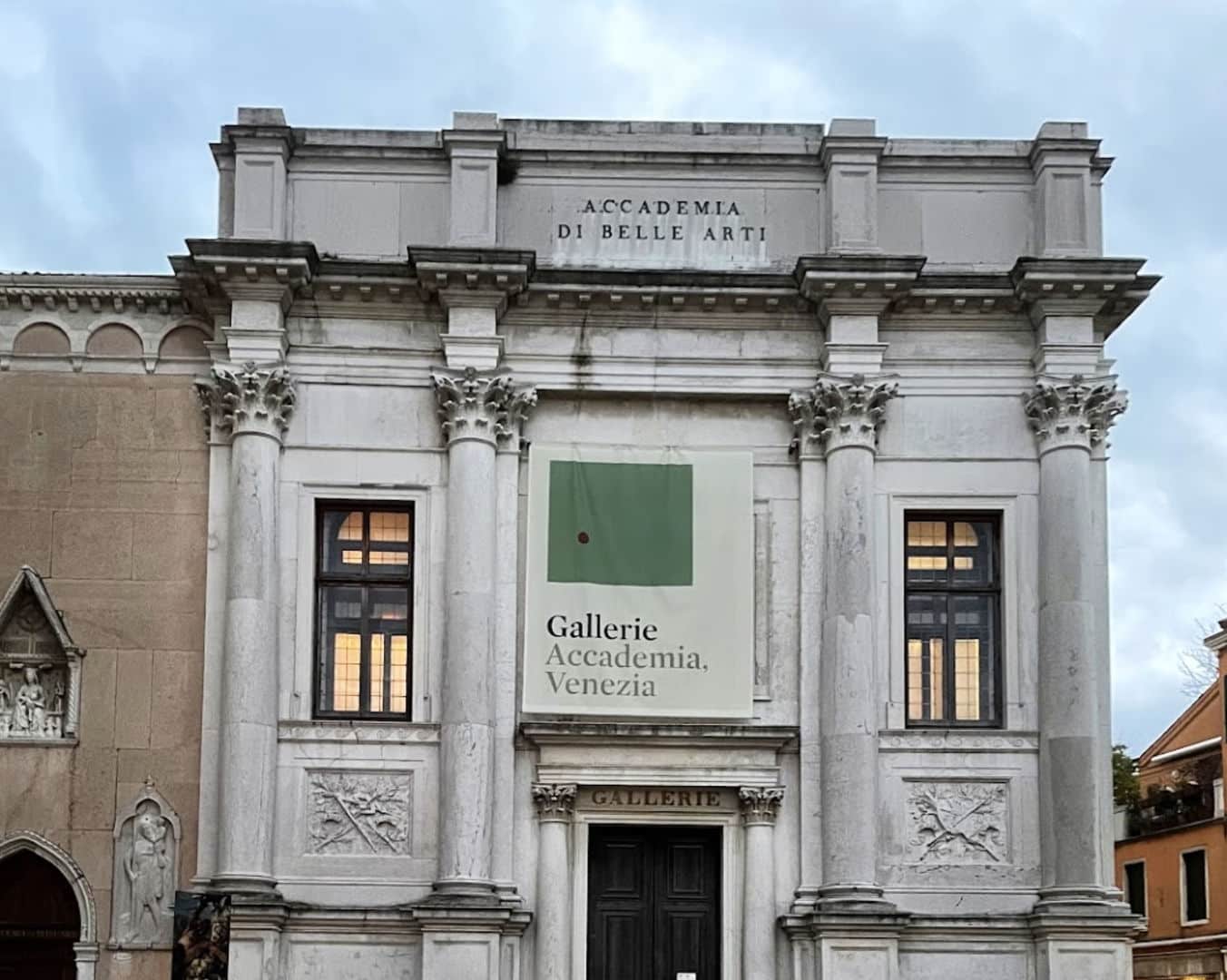
Standing in front of it at Gallerie dell'Accademia feels strangely modern — almost like watching a paused film loaded with tension.
If Artlovers is about traveling for a feeling, this is one of those works:
you don’t go to understand it — you go to feel it.
Spotlight
No one really knows what this painting means. Not even historians agree.
Is it a biblical scene? A myth? A poetic invention?
What makes it radical is that Giorgione flips the rules of Renaissance painting:
The landscape becomes more important than the story
The mood matters more than the narrative
The mystery is the point
It’s one of the first artworks in Western history where ambiguity isn’t a problem — it’s the experience.
How to experience it
do not force one narrative; let the weather and spacing work on you
Don’t stop here
More to explore by Giorgione
Same feeling, different artists
Similar Works by Other Artists
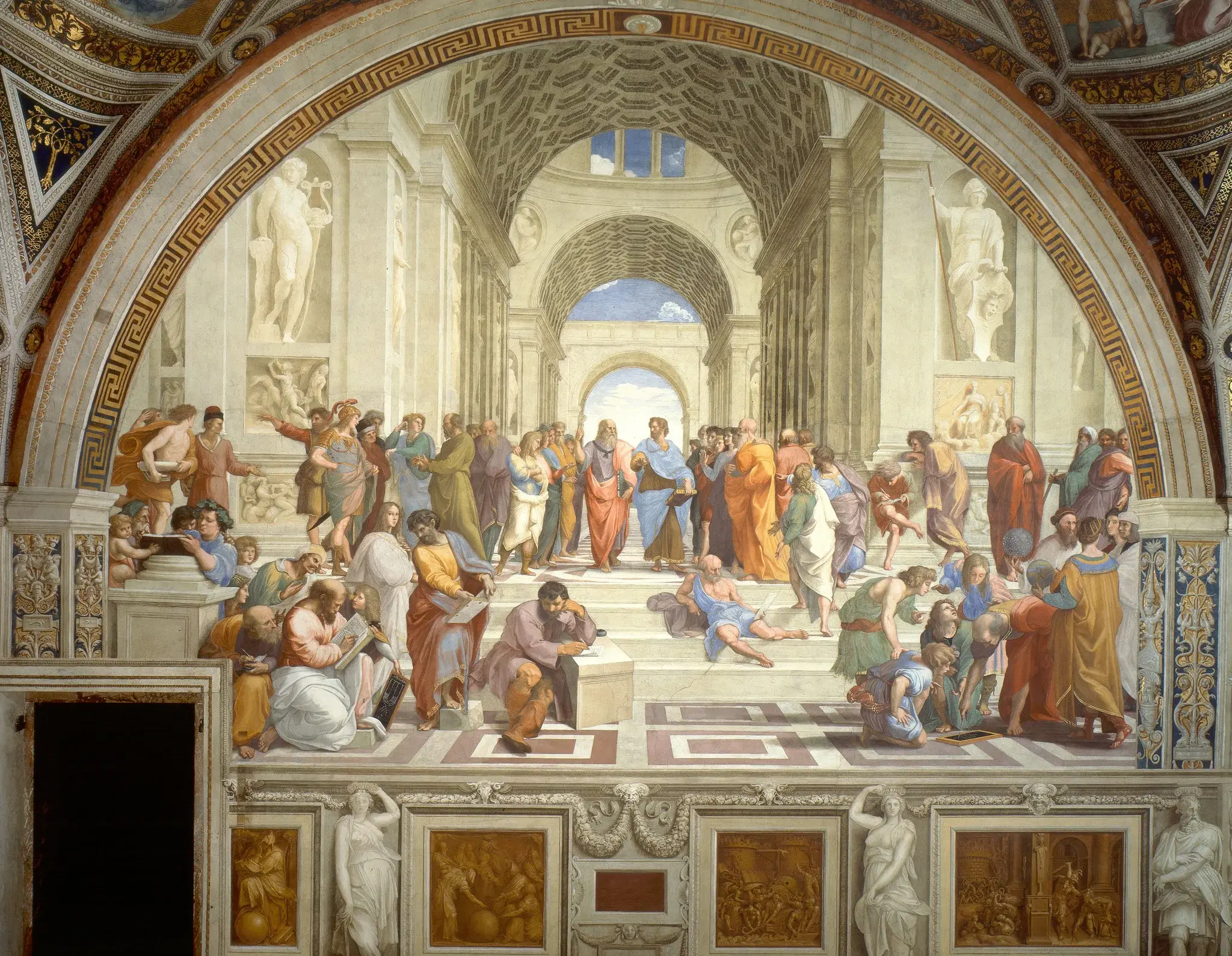
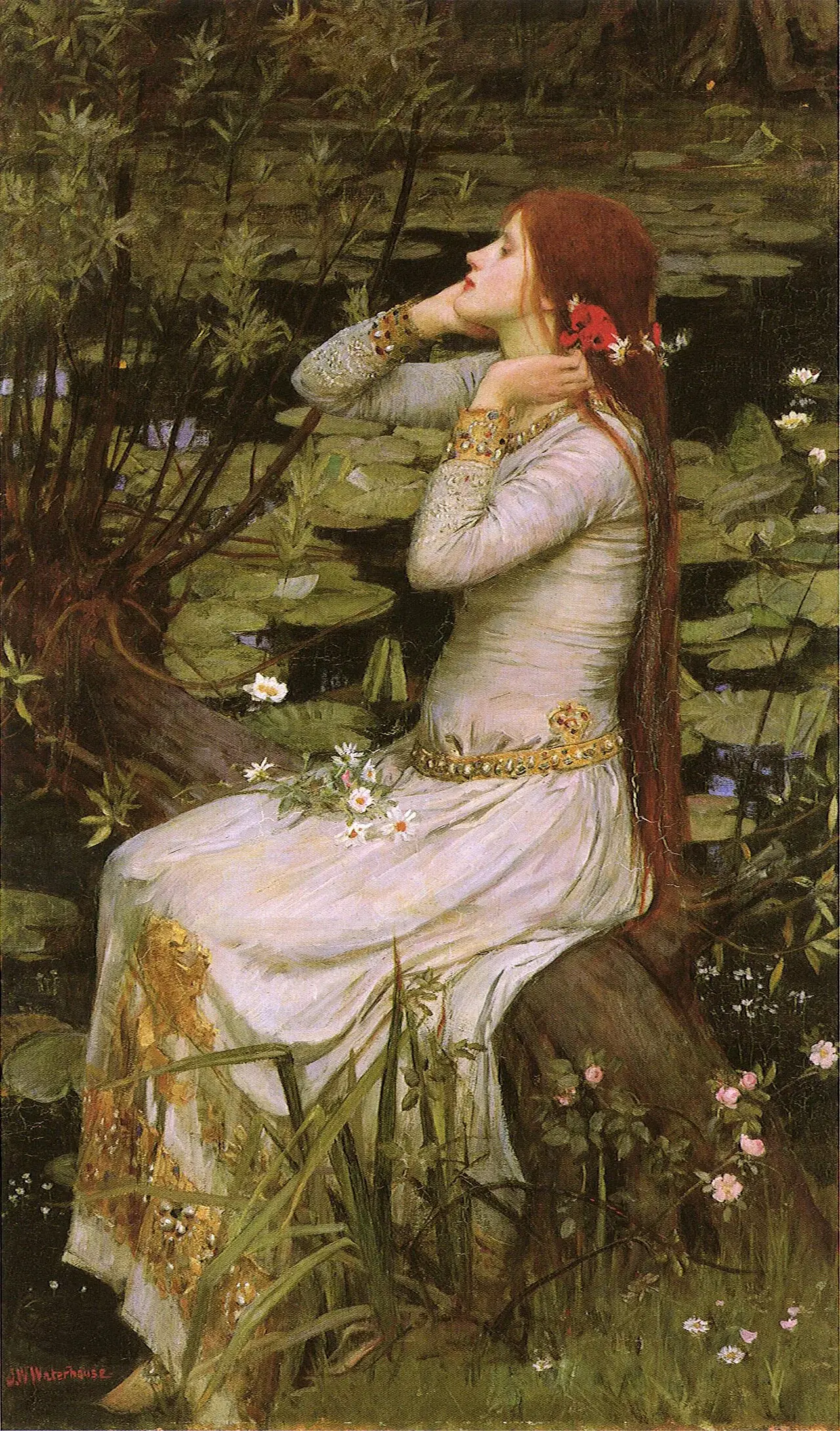
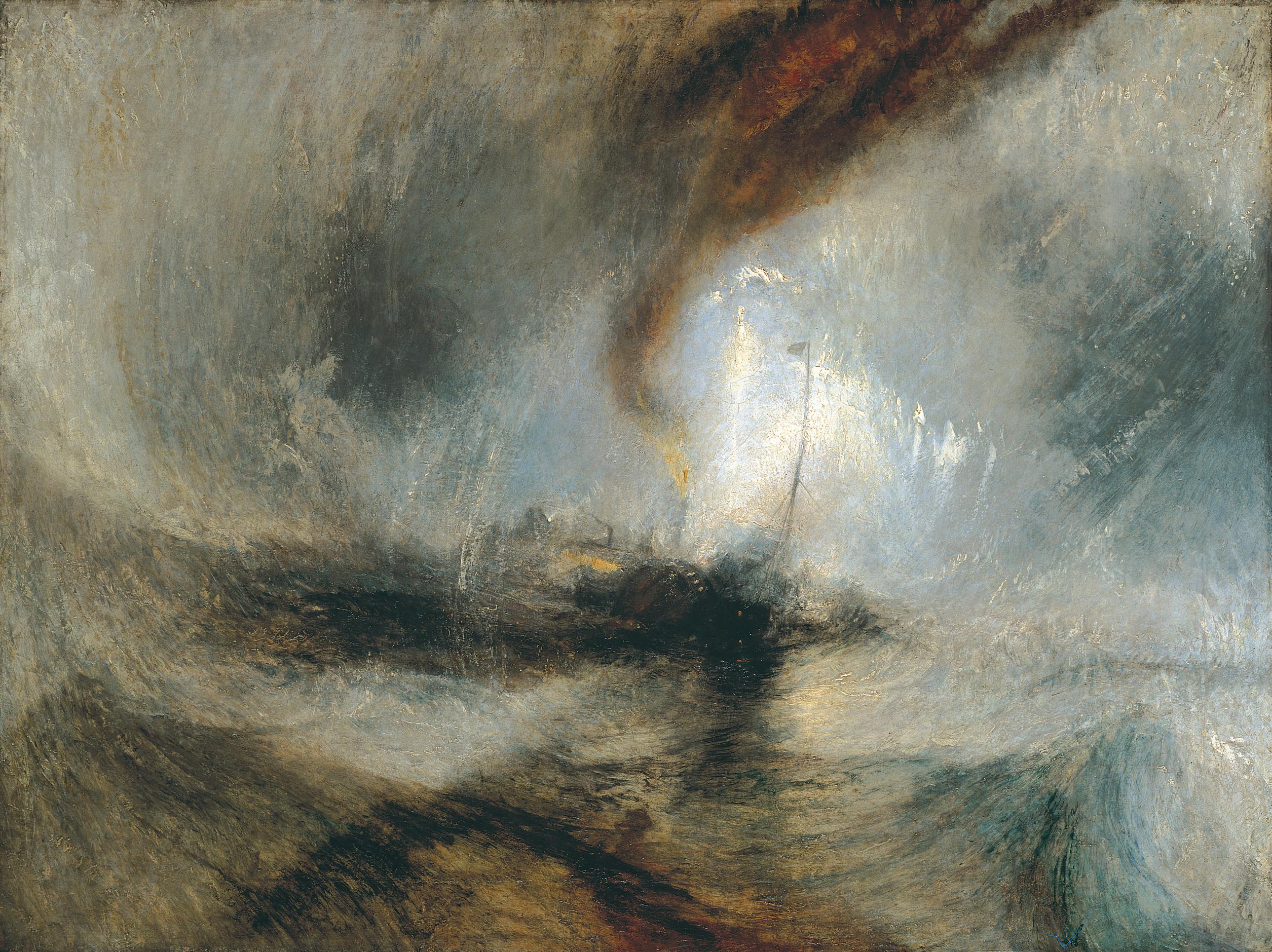
Keep exploring
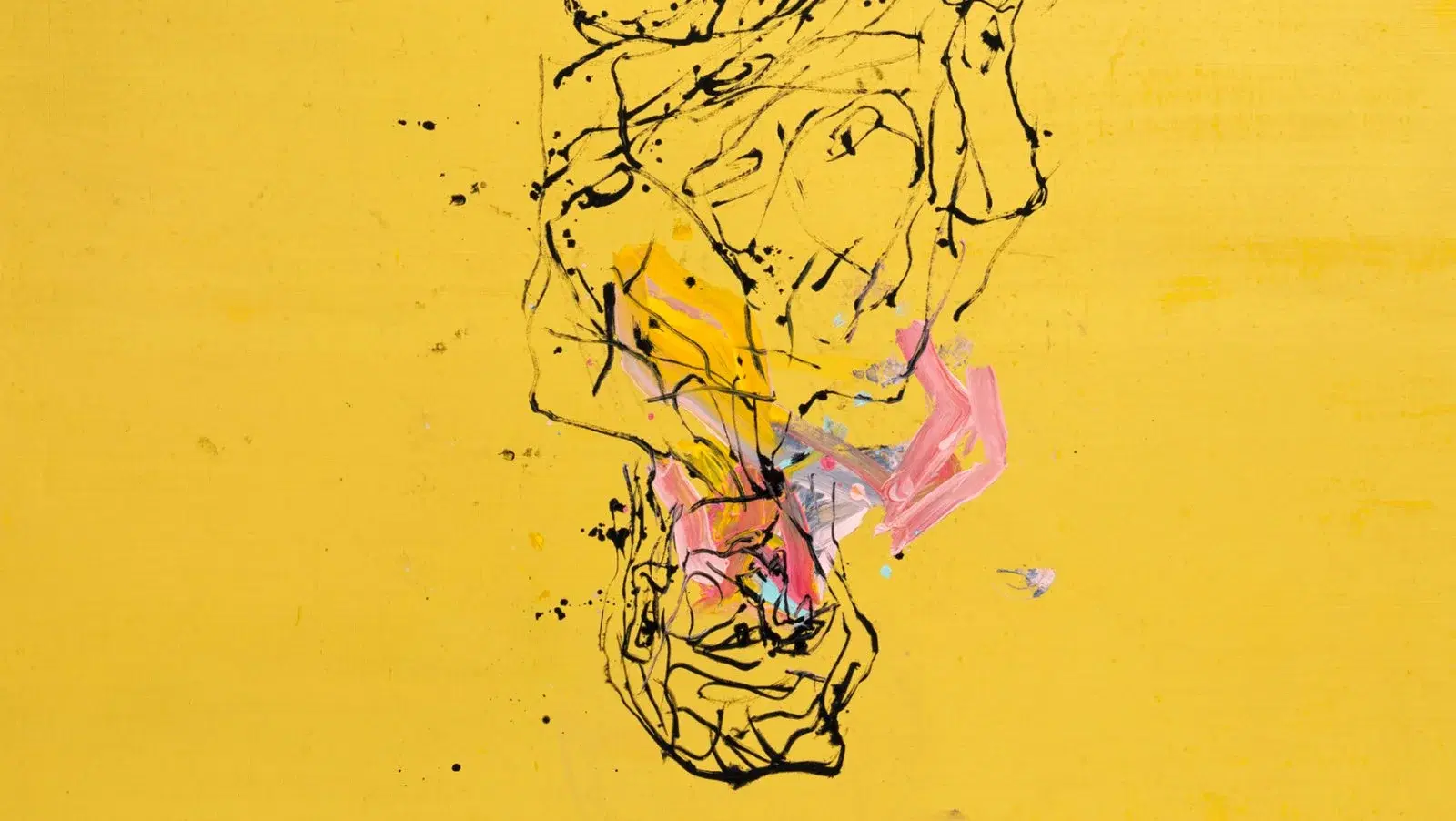
Georg Baselitz. Eroi d’Oro
6 May – 27 Sep 2026
Fondazione Giorgio Cini

Marina Abramović exhibition Transforming Energy at Gallerie dell'Accademia di Venezia
6 May – 19 Oct 2026
Gallerie dell’Accademia di Venezia
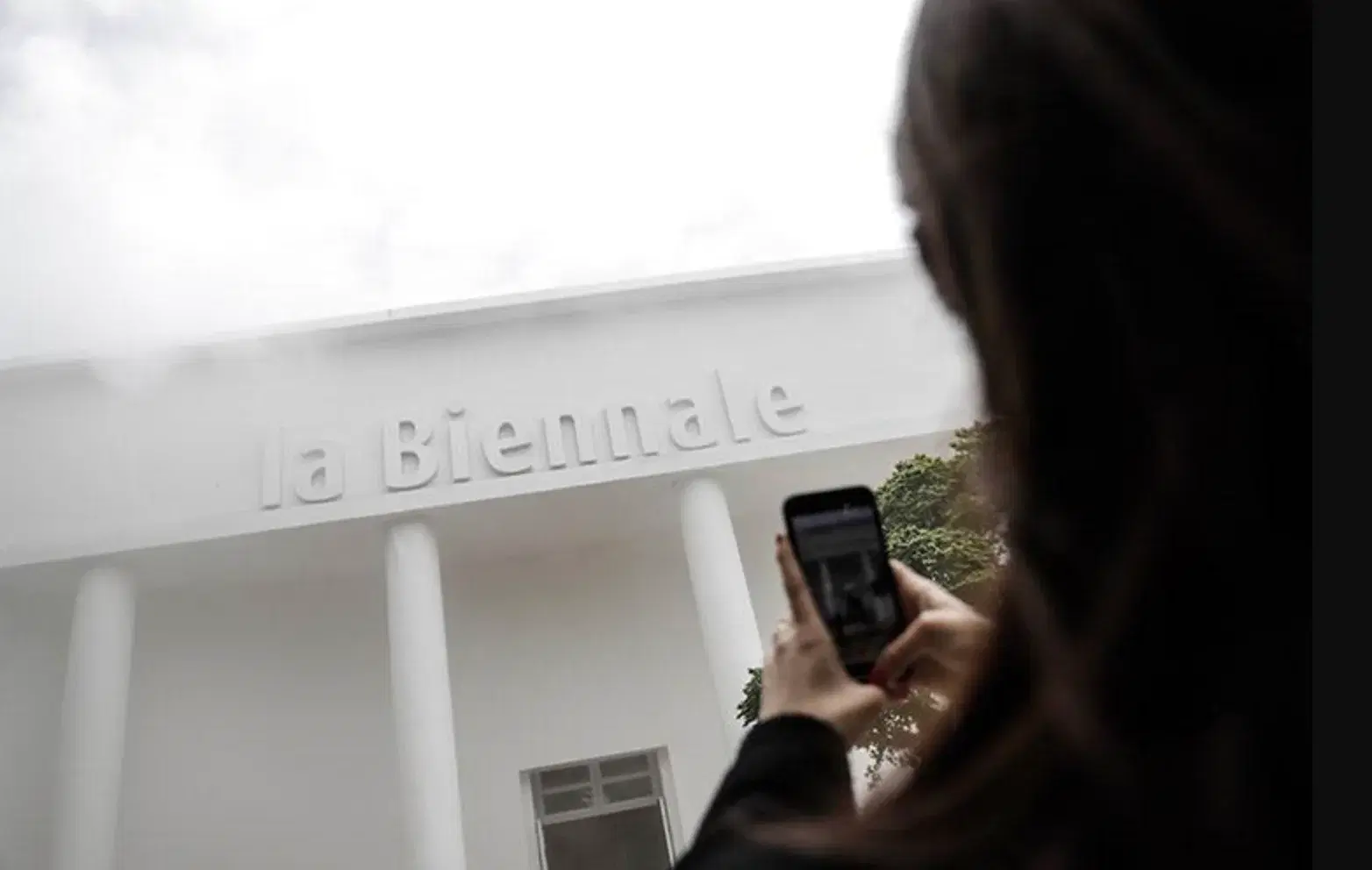
Venice Biennale
9 May – 22 Nov 2026
Ca’ Giustinian
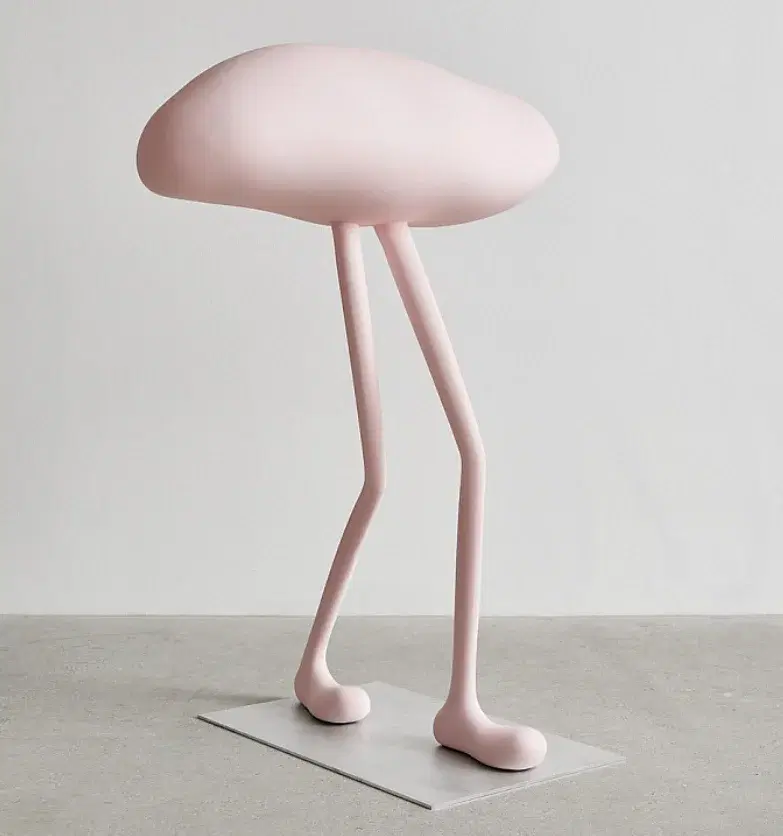
Erwin Wurm. Dreamers
6 May – 22 Nov 2026
Palazzo Fortuny Venezia
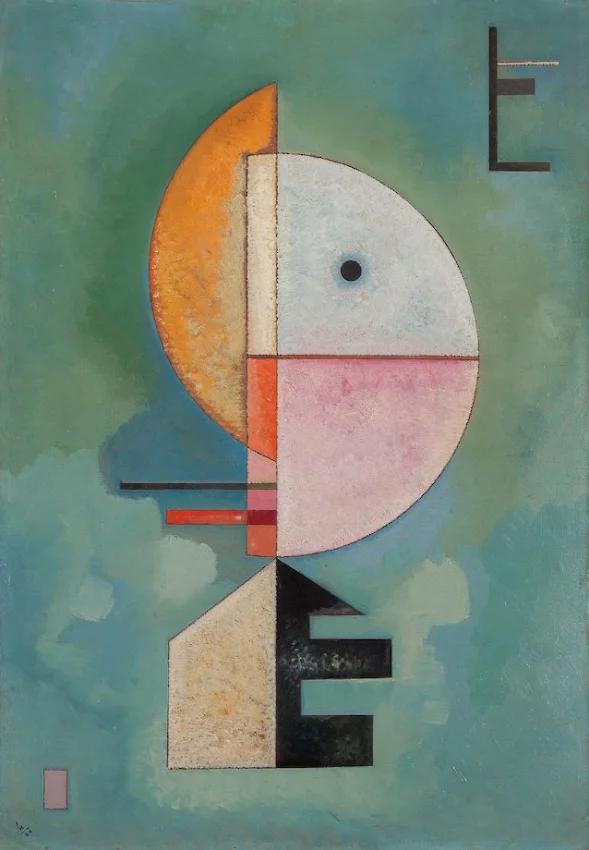
Peggy Guggenheim Collection in Venice
Peggy Guggenheim Collection