Las Meninas
#5
You’re not just looking at the painting… the painting is looking at you.
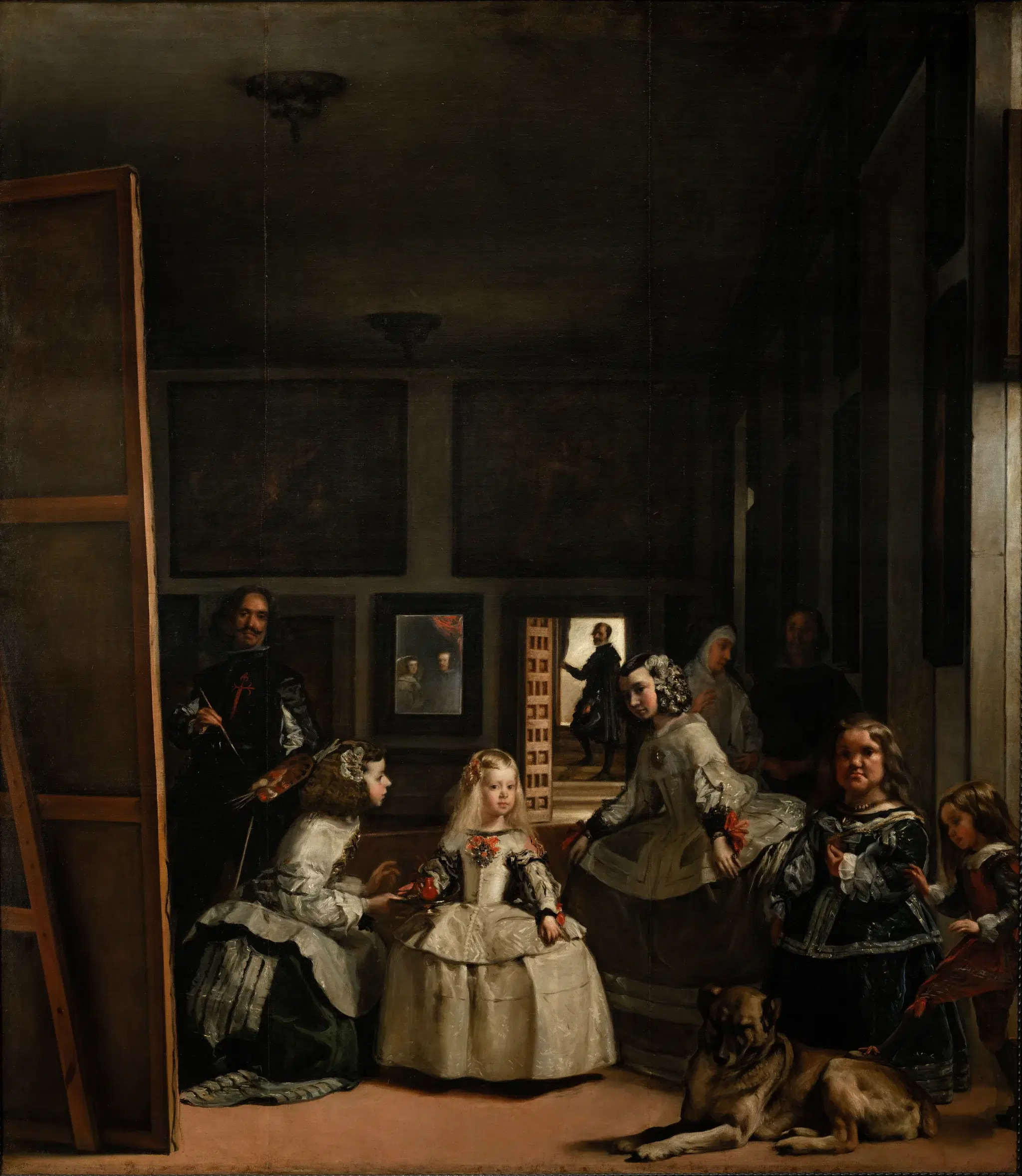
Meet the artist
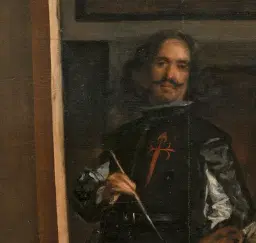
Diego Velázquez1599–1660Spanish
Dates
1656
Specifications
- Original title
- Las Meninas - La familia de Felipe IV
- Movement
- Baroque
- Medium
- Oil Painting
- Genre
- Group Portrait
- Dimensions
- 320.5 × 281.5 cm
Wikimedia Commons
About the Artwork
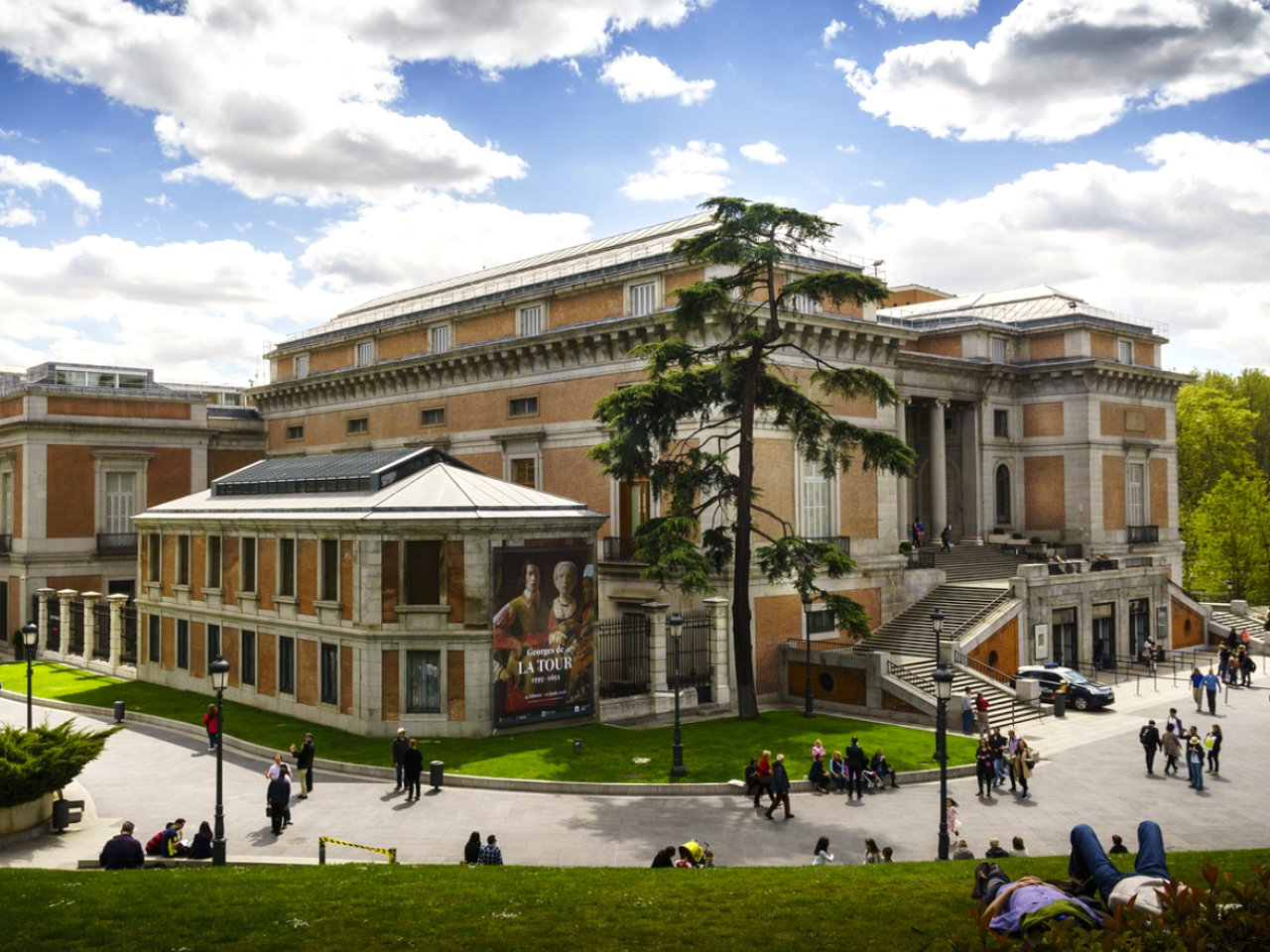
Diego Velázquez's Las Meninas, painted in 1656, isn't just a painting; it's a philosophical statement on art, reality, and the role of the artist.
Inside a royal room, the young Infanta Margarita is surrounded by her attendants — the meninas.
A dog rests, dwarfs interact, a nun watches, and in the background, a man pauses in a doorway flooded with light.
On the left, Diego Velázquez paints… but what exactly?
At the back, a mirror reflects the King and Queen — positioned exactly where you are standing.
Spotlight
This painting breaks reality. You, the viewer, stand in the place of the King and Queen
The artist paints you — while you look at him
The mirror confirms a presence that isn’t physically in the room
Velázquez turns painting into a game of perception:
Who is the subject? Who is observing? What is real?
Centuries before photography or cinema, this is already about frames, perspective, and point of view.
It’s why artists like Pablo Picasso spent months reinterpreting it — trying to decode its genius.
Worth the trip
Las Meninas matters because it's a painting about painting.
It invites us to consider the illusionistic power of art and the complex relationship between the artist, the subject, and the viewer. Because standing in front of it at the Museo del Prado is disorienting in the best way. It’s large, immersive, almost like stepping into a scene that continues beyond the canvas. And then it clicks: you’re part of it. If Artlovers is about experiencing art, not just seeing it — Las Meninas is one of the purest examples ever created.
How to experience it
Start from the doorway - Pause before stepping in. The scene reveals itself like a stage.
Stand at the center - Place yourself where the king and queen would be — that’s the key.
Look at Velázquez first - Diego Velázquez is painting… you.
Then find the mirror - At the back — the royal couple appears. That’s your position.
Follow the gazes - Everyone is looking somewhere. Track who looks at whom.
Let it confuse you- If you’re slightly disoriented, you’re seeing it right.
Artlovers tip
This isn’t a painting to understand instantly. It’s one to enter.
Don’t stop here
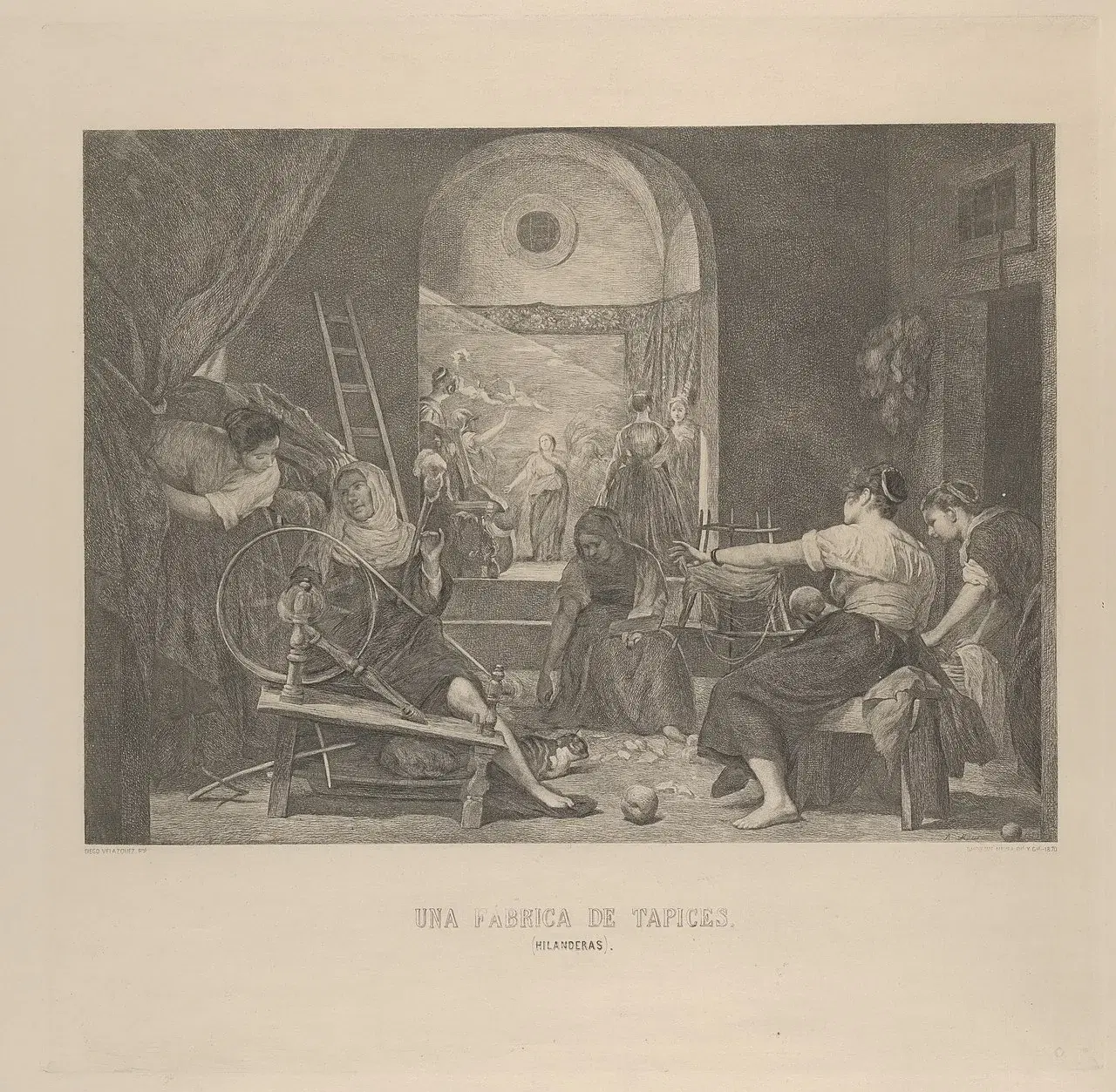
More to explore by Diego Velázquez
Same feeling, different artists
Similar Works by Other Artists
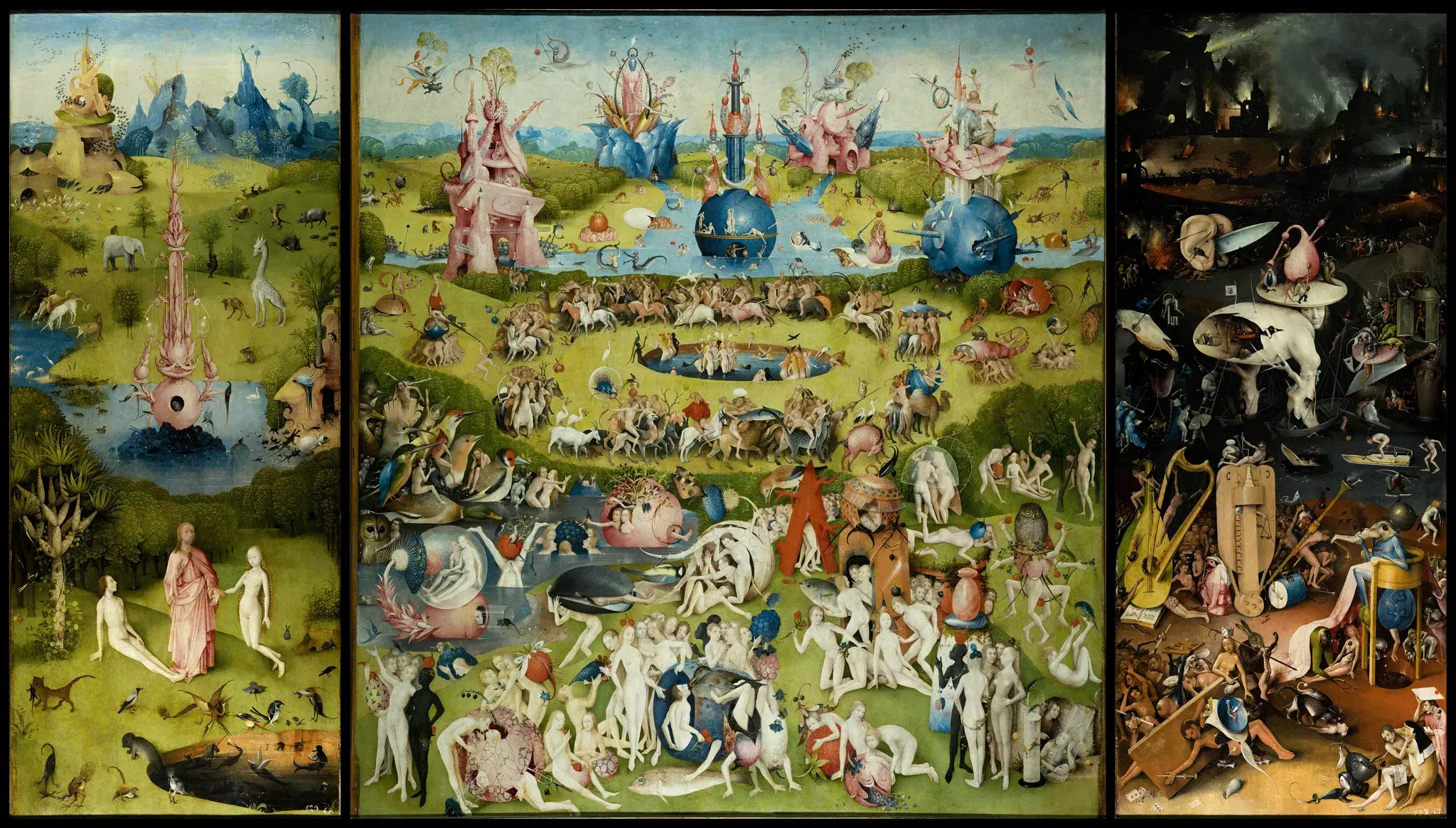
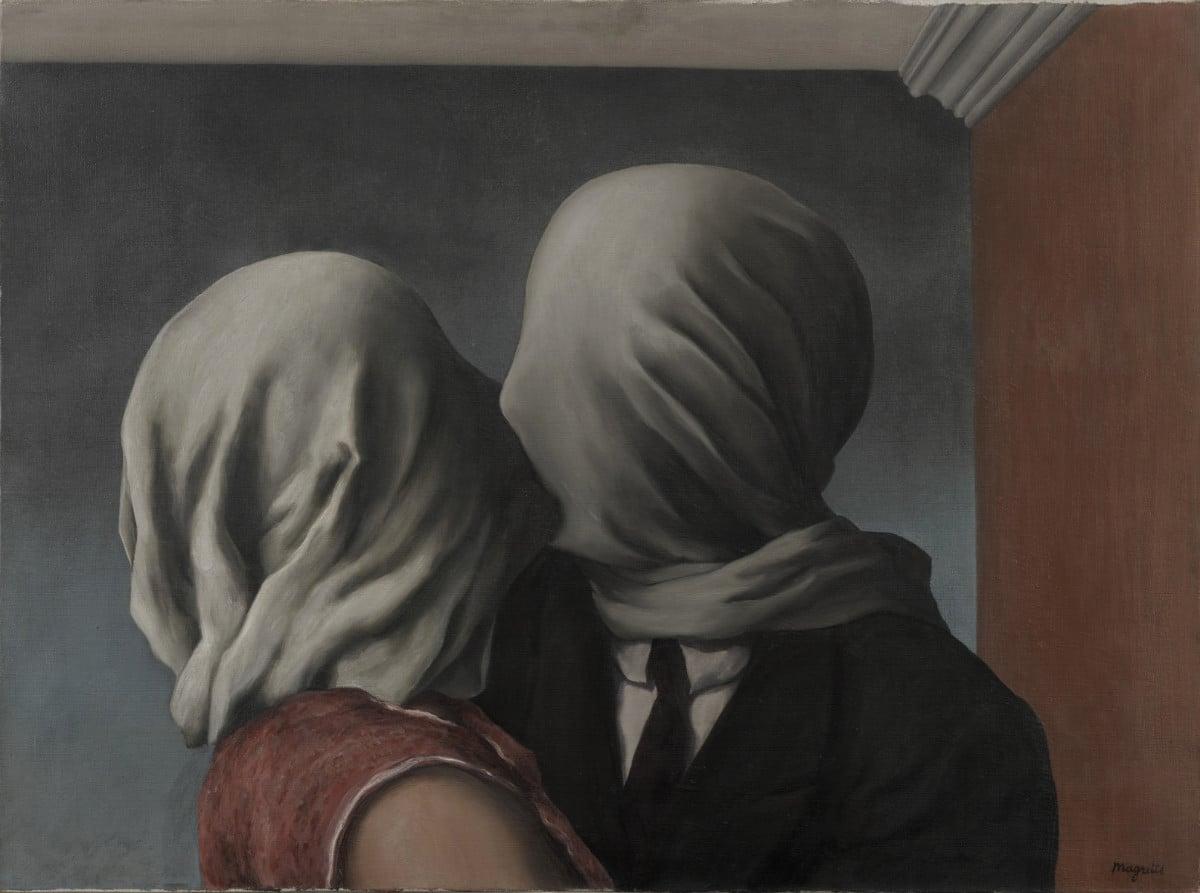
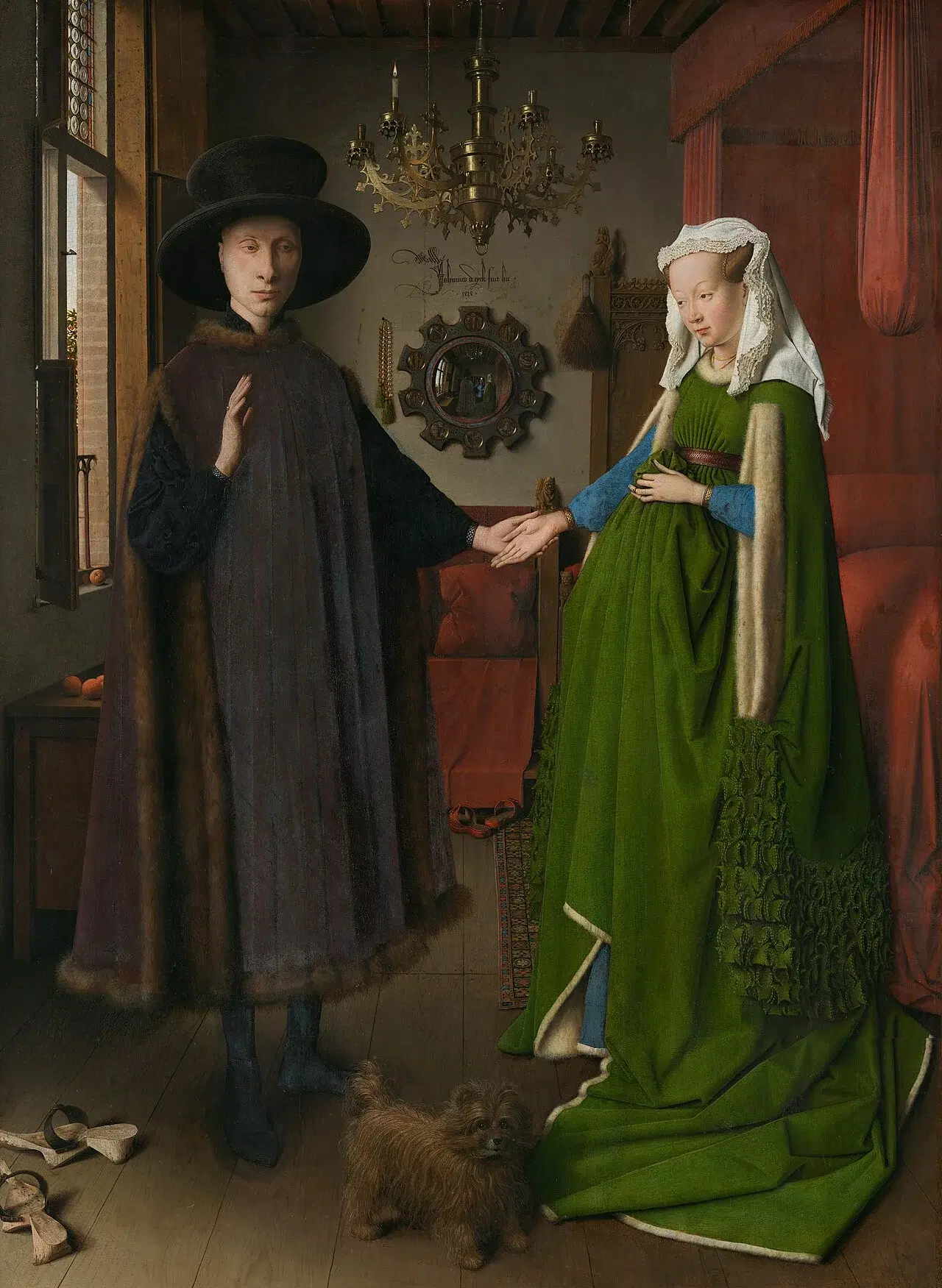
Keep exploring
Ends soon
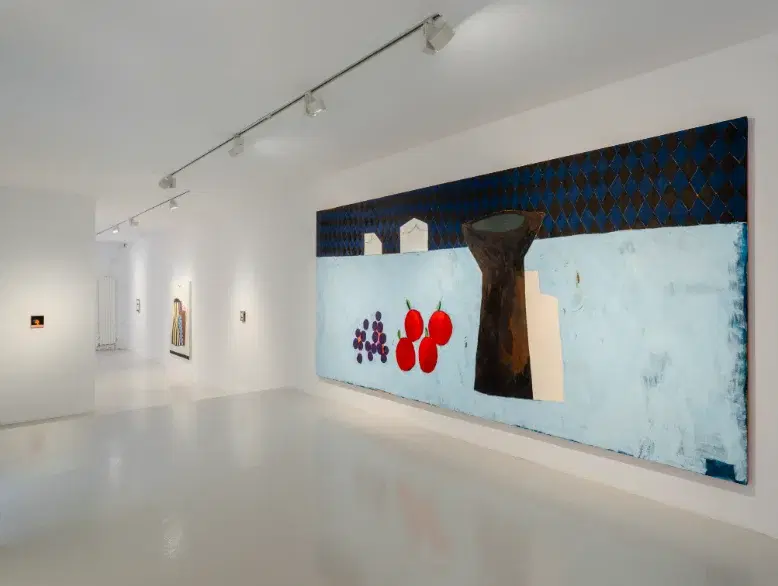
Ad Lucem
14 Mar – 9 May 2026
Blanca Berlín
Ends soon
Ana Prata
5 Mar – 9 May 2026
Travesía Cuatro Madrid

Ends soon
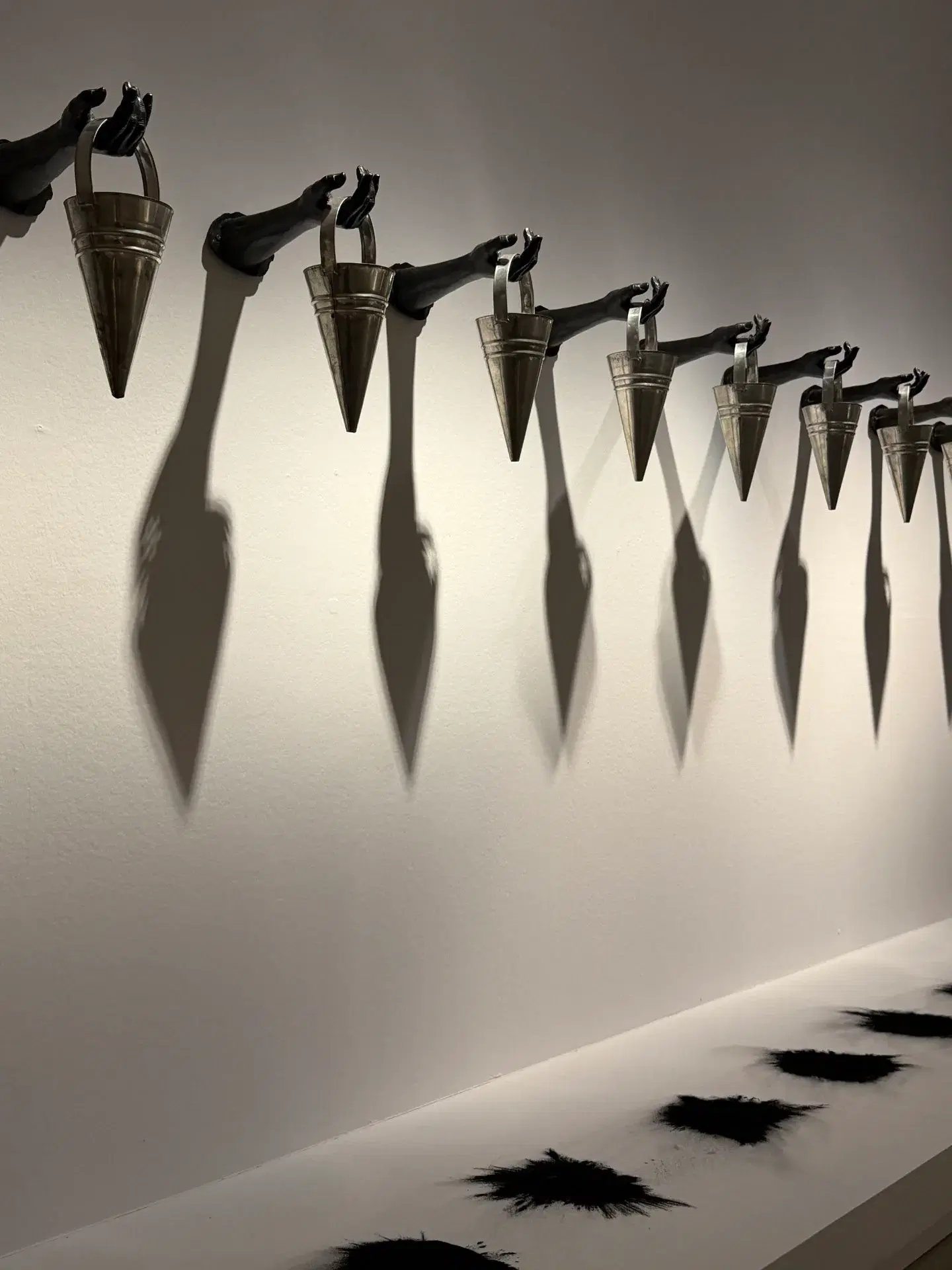
Traversing the 20th Century
10 Feb – 10 May 2026
Museum ICO Madrid
Ends soon
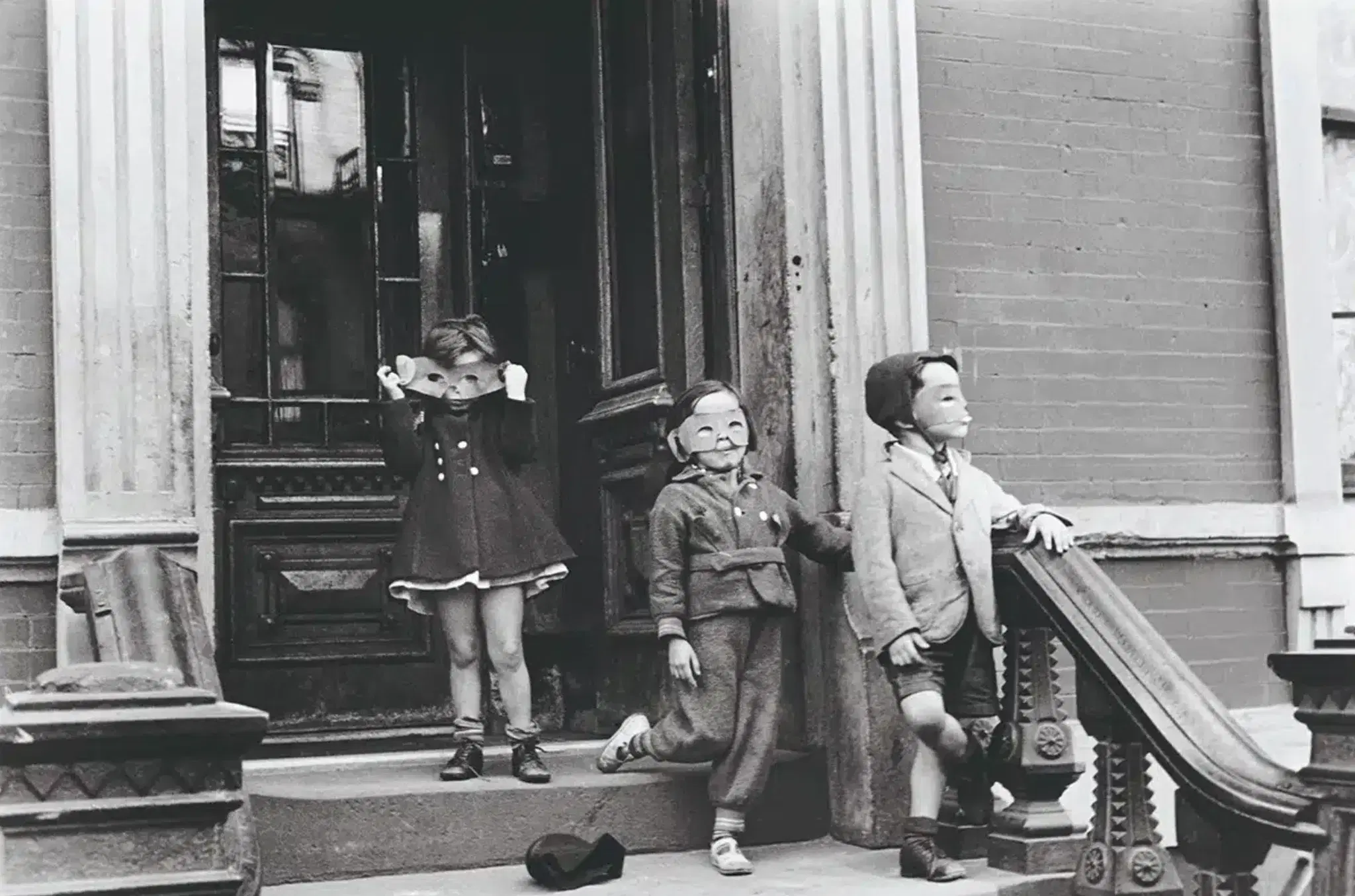
Journeying through the 20th Century
10 Feb – 10 May 2026
Museum ICO Madrid
Ends soon
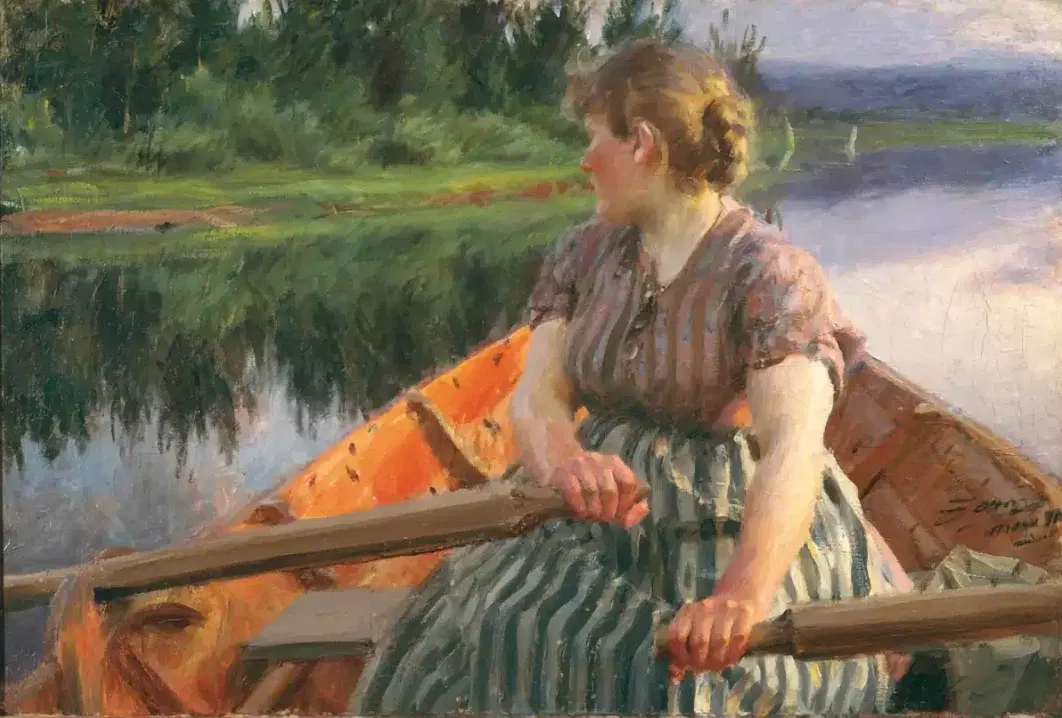
Helen Levitt
19 Feb – 17 May 2026
Fundación Mapfre Sala Recoletos
Ends soon
Anders Zorn.
19 Feb – 17 May 2026
Fundación Mapfre Sala Recoletos
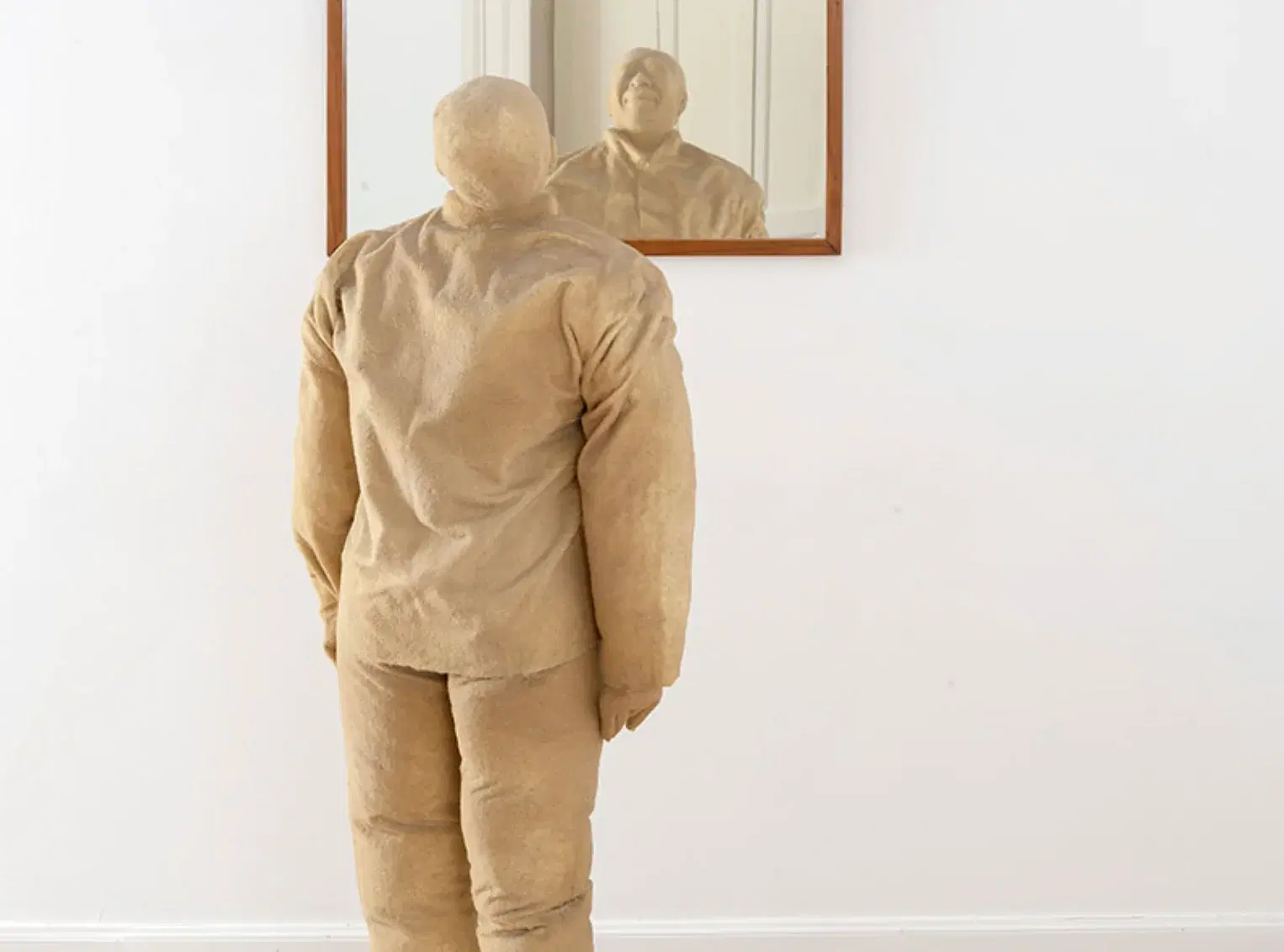
Space and Time
4 Mar – 23 May 2026
Casa de América
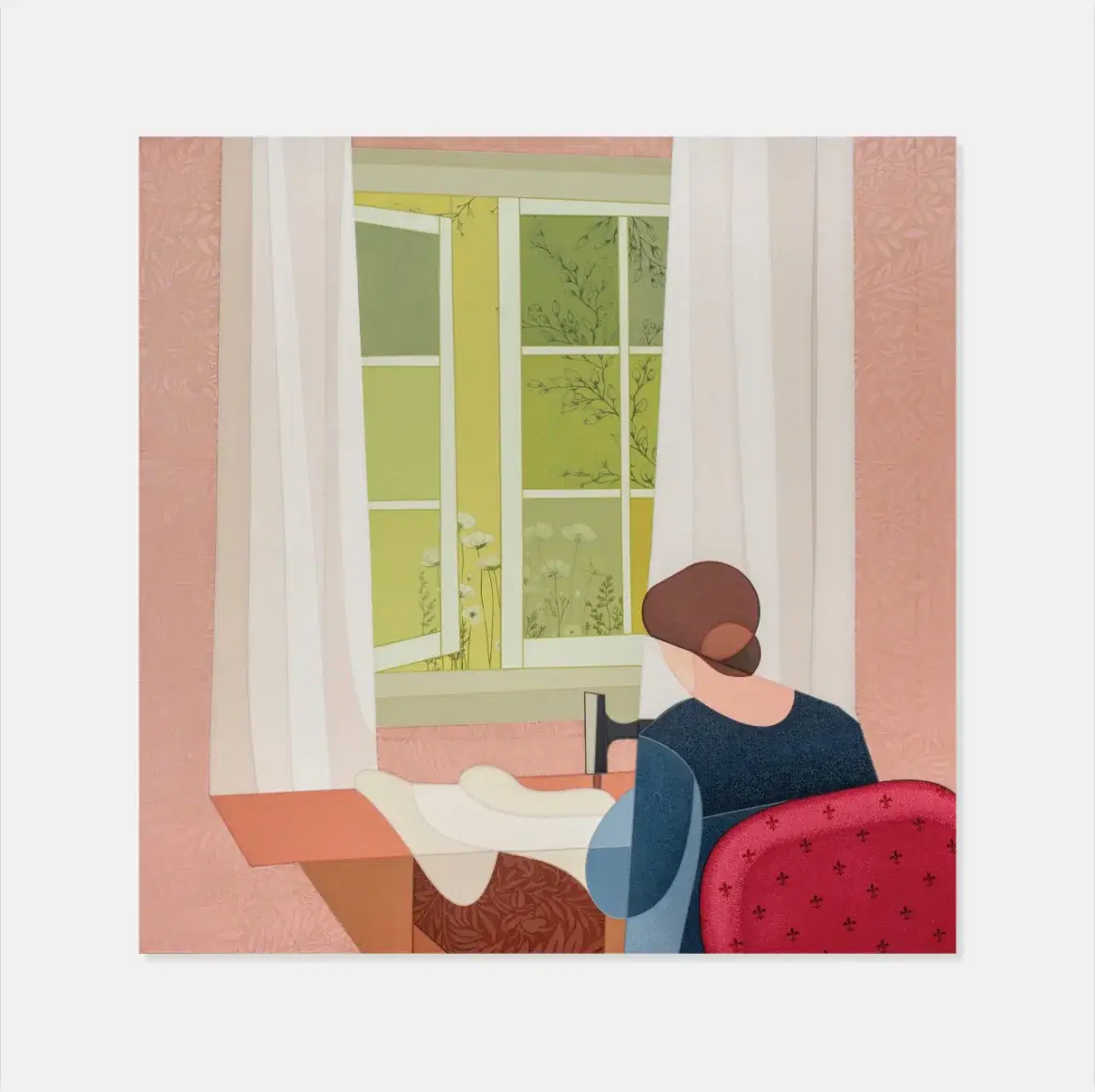
Eduardo Ponjuán. Ruy Lopez Opening
26 Feb – 23 May 2026
El Apartamento Madrid
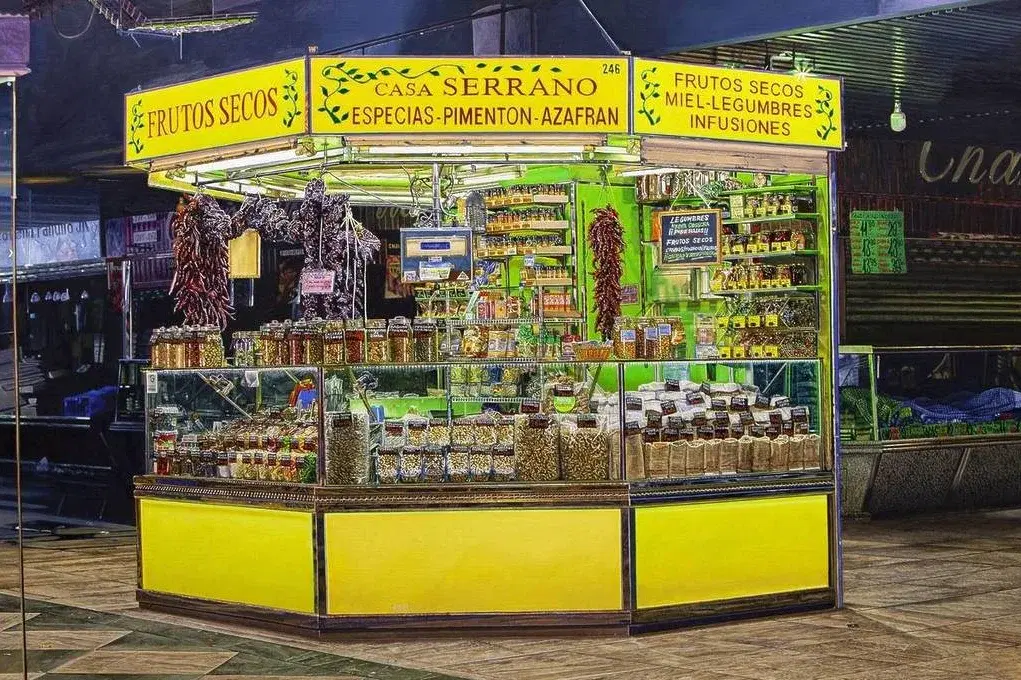
Hyperrealist Madrid
16 Dec 2025 – 24 May 2026
Museum of History of Madrid
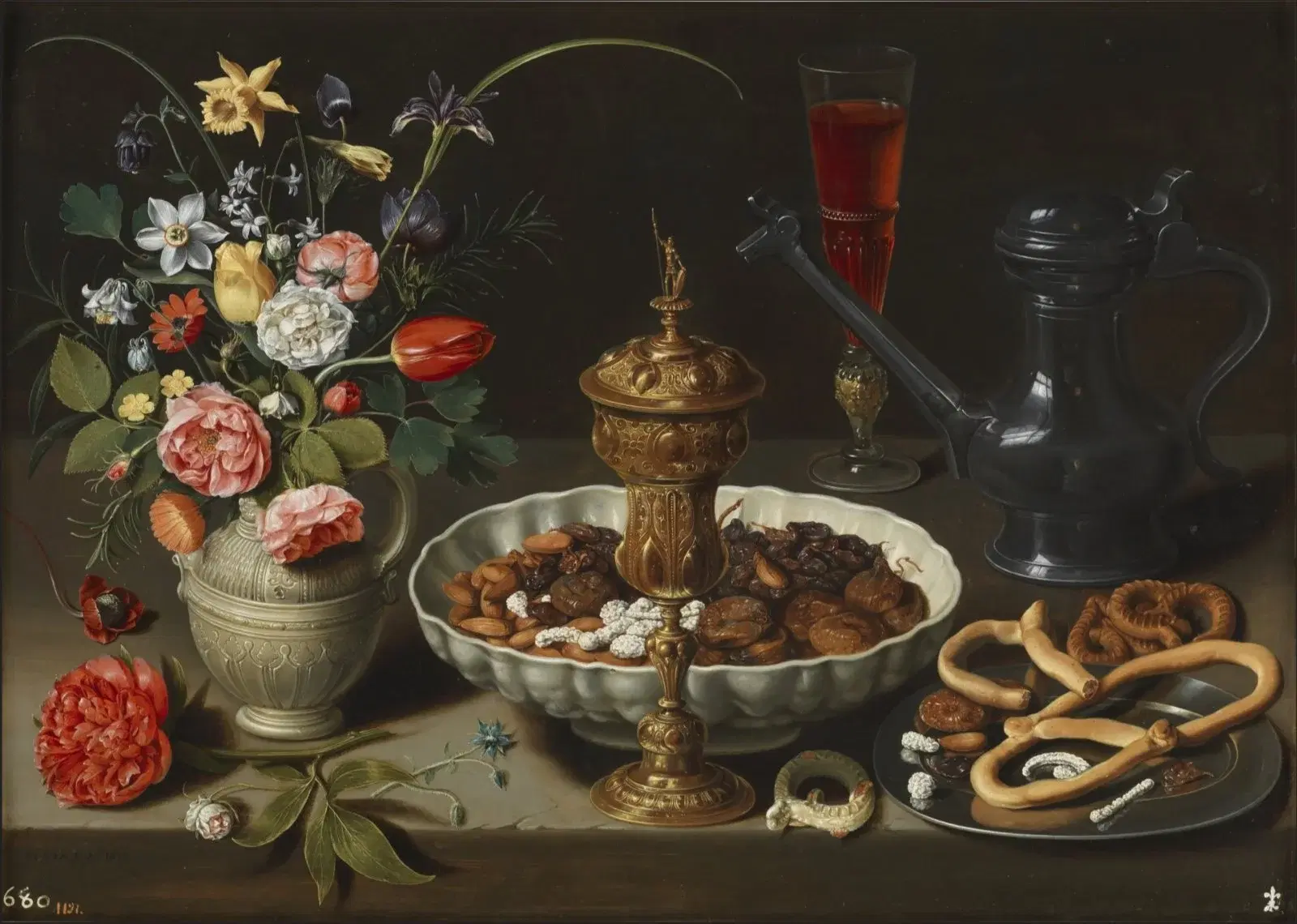
The Female Perspective
12 Jan – 24 May 2026
Museo Nacional del Prado