Olympia
Édouard Manet
1863
Wikimedia Commons
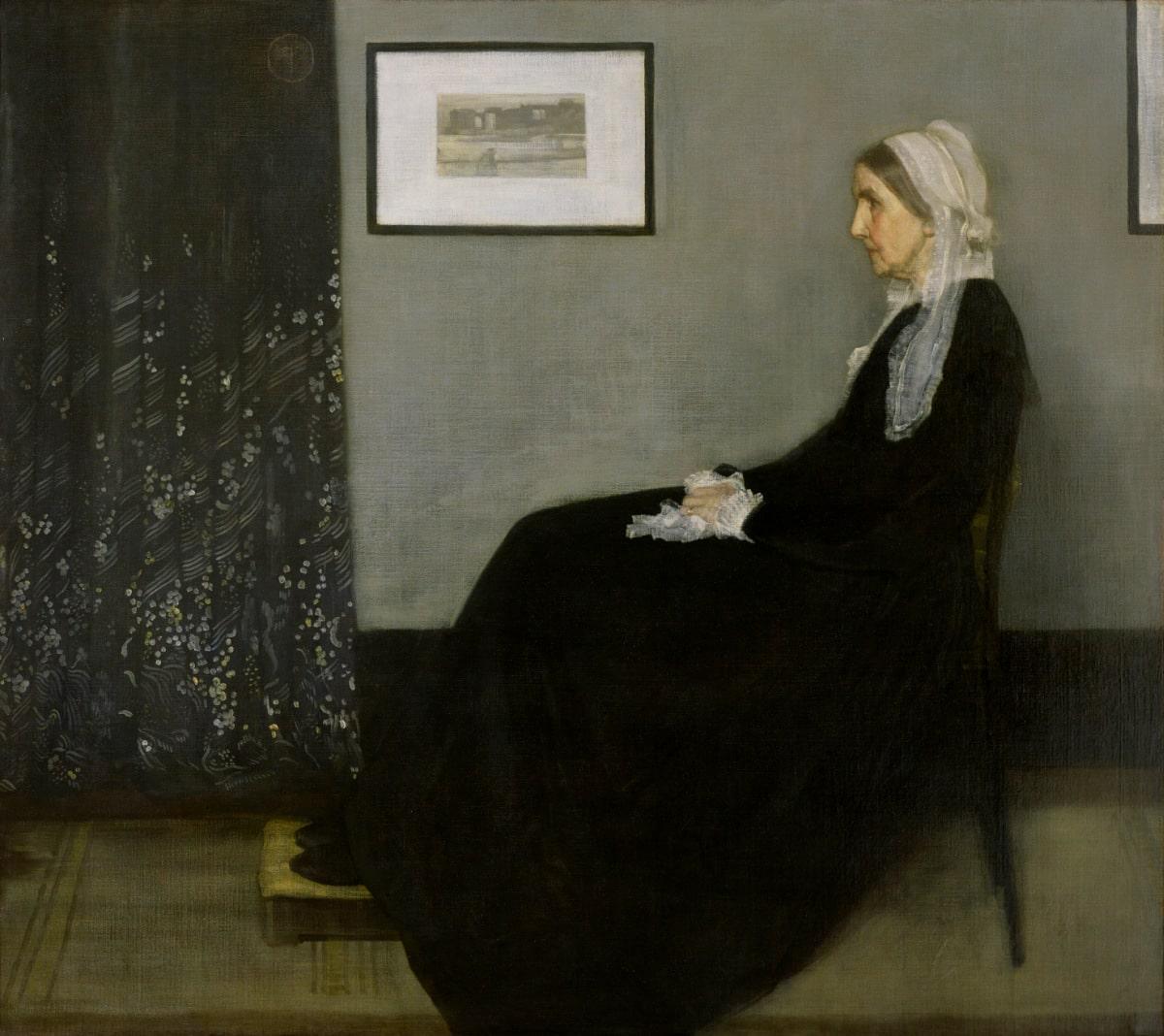
Arrangement in Grey and Black No. 1
James McNeill Whistler, 1871
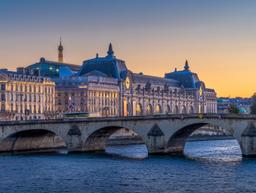
Arrangement in Grey and Black No.1, commonly known as "Whistler's Mother," is arguably one of the most iconic portraits in art history. Painted by James McNeill Whistler, it depicts his mother, Anna McNeill Whistler, seated in profile against a plain grey wall. She is dressed in a simple black dress, her hands resting in her lap, creating a composition of elegant simplicity. More than just a likeness, Whistler aimed for an "arrangement" of forms and colors, akin to a musical composition, prioritizing aesthetic harmony over photographic realism.
Completed in 1871, the painting initially faced criticism for its perceived lack of emotion and unconventional composition. However, it gradually gained recognition for its innovative approach to portraiture and its profound impact on the development of modern art. It became a symbol of motherhood, austerity, and Victorian values, and even inadvertently spawned countless parodies and pop-cultural references, solidifying its place in the collective consciousness. The painting's acquisition by the French state in 1891 further cemented its importance as a masterpiece, representing a significant departure from traditional academic art.
Whistler's meticulous brushwork and subtle tonal variations contribute to the painting's quiet intensity. He employed a limited color palette, emphasizing the subtle interplay of grey and black to create a sense of depth and atmosphere. The deliberate arrangement of shapes and lines, along with the carefully considered negative space, showcases Whistler's dedication to formal composition and his belief in "art for art's sake." The enduring appeal of "Whistler's Mother" lies in its ability to transcend its subject matter, becoming a timeless study in form, color, and the power of suggestion.
Édouard Manet
1863
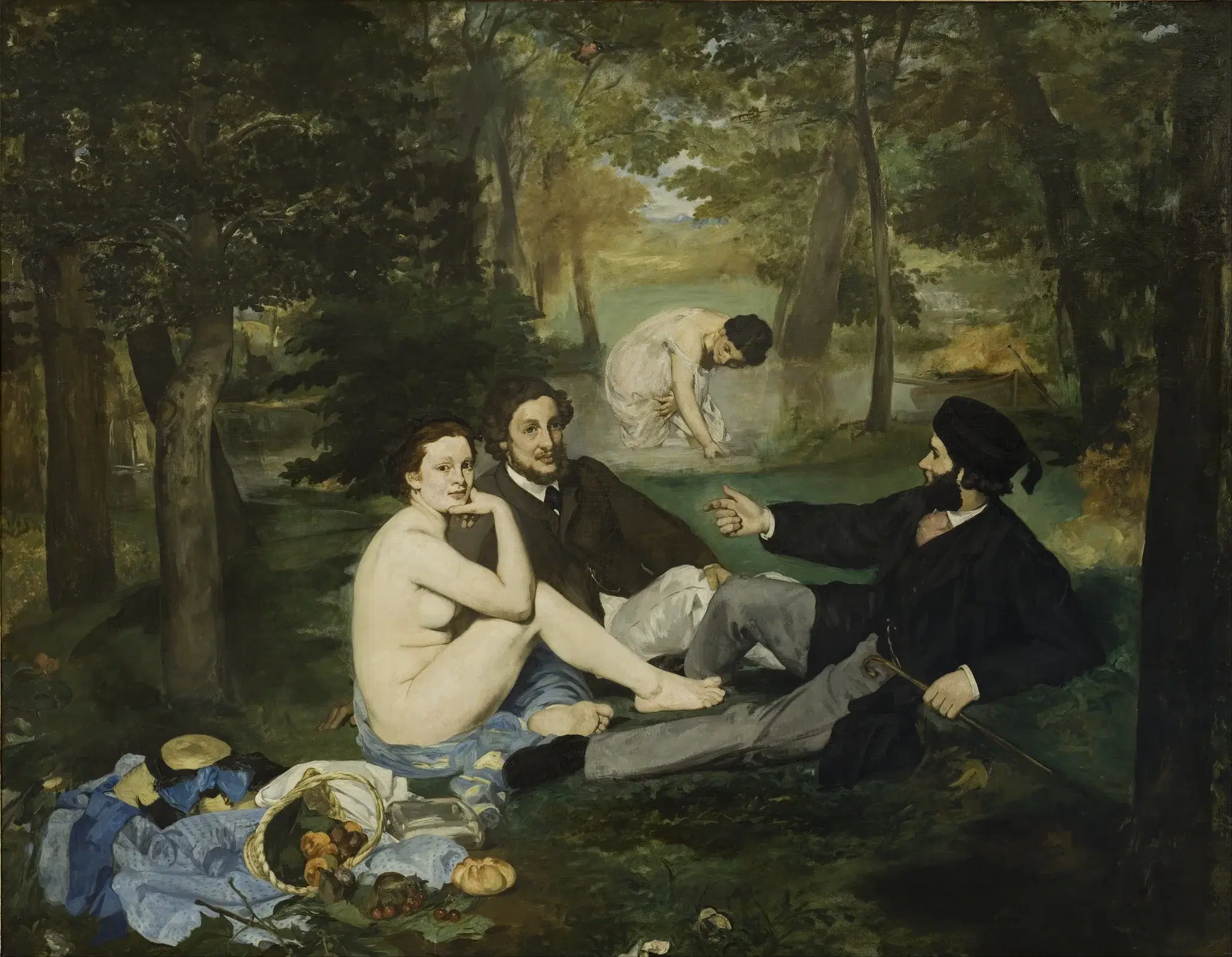
Édouard Manet
1862–1863
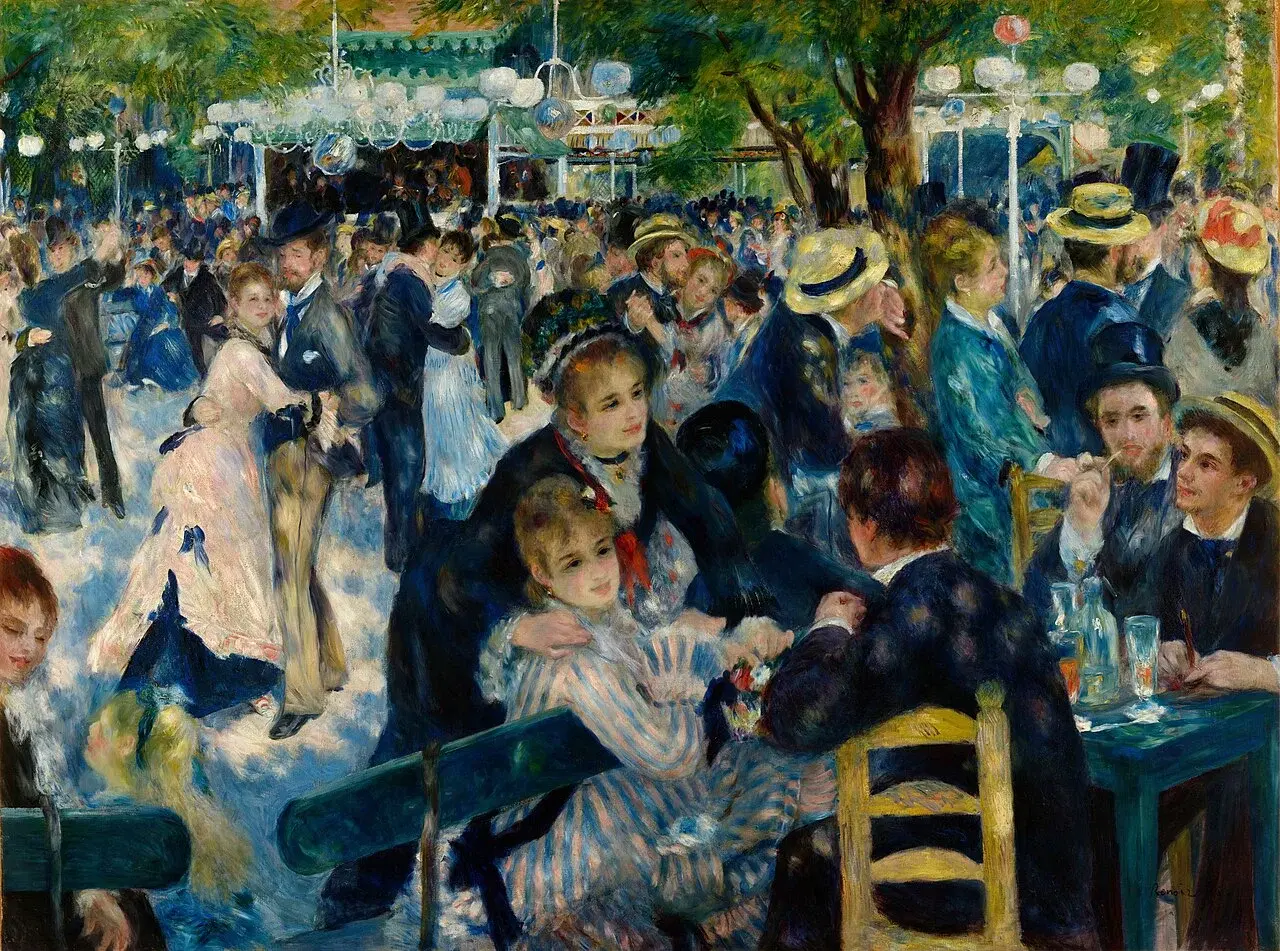
Pierre-Auguste Renoir
1876
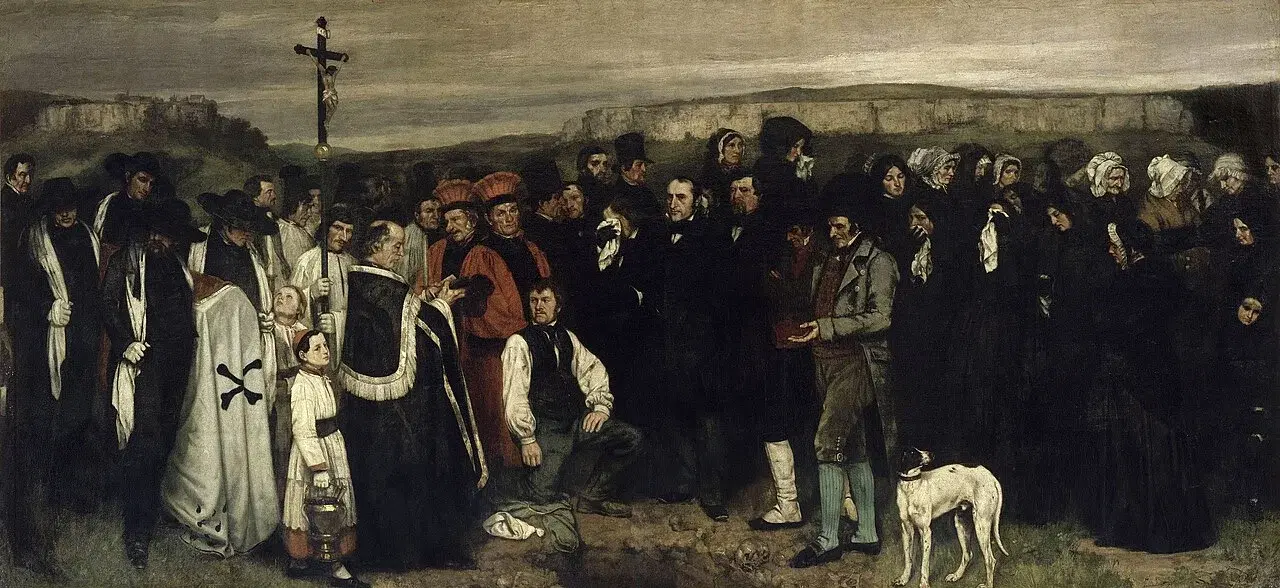
Gustave Courbet
1849–1850
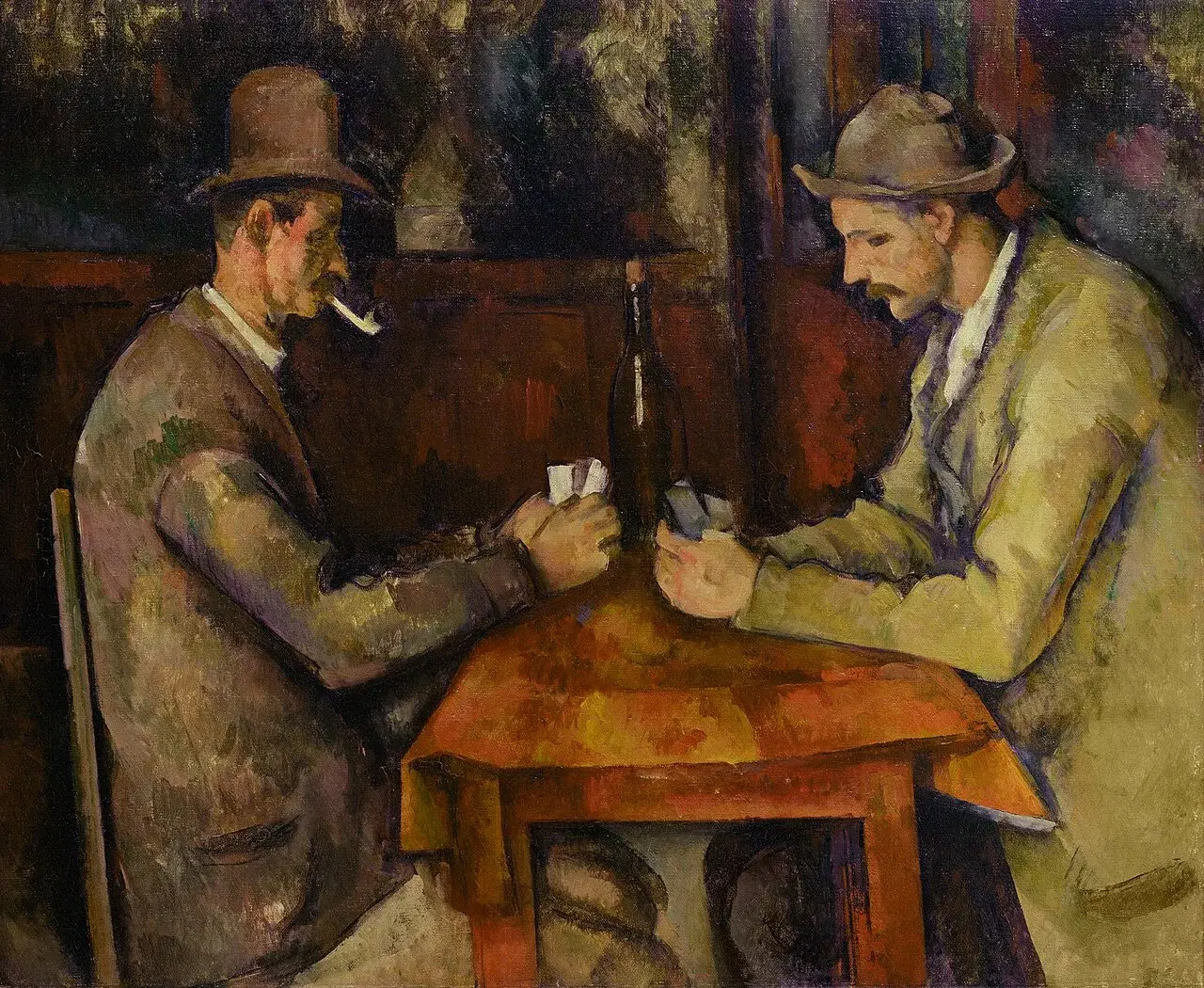
Paul Cezanne
c. 1890–1895
Vincent van Gogh
1889
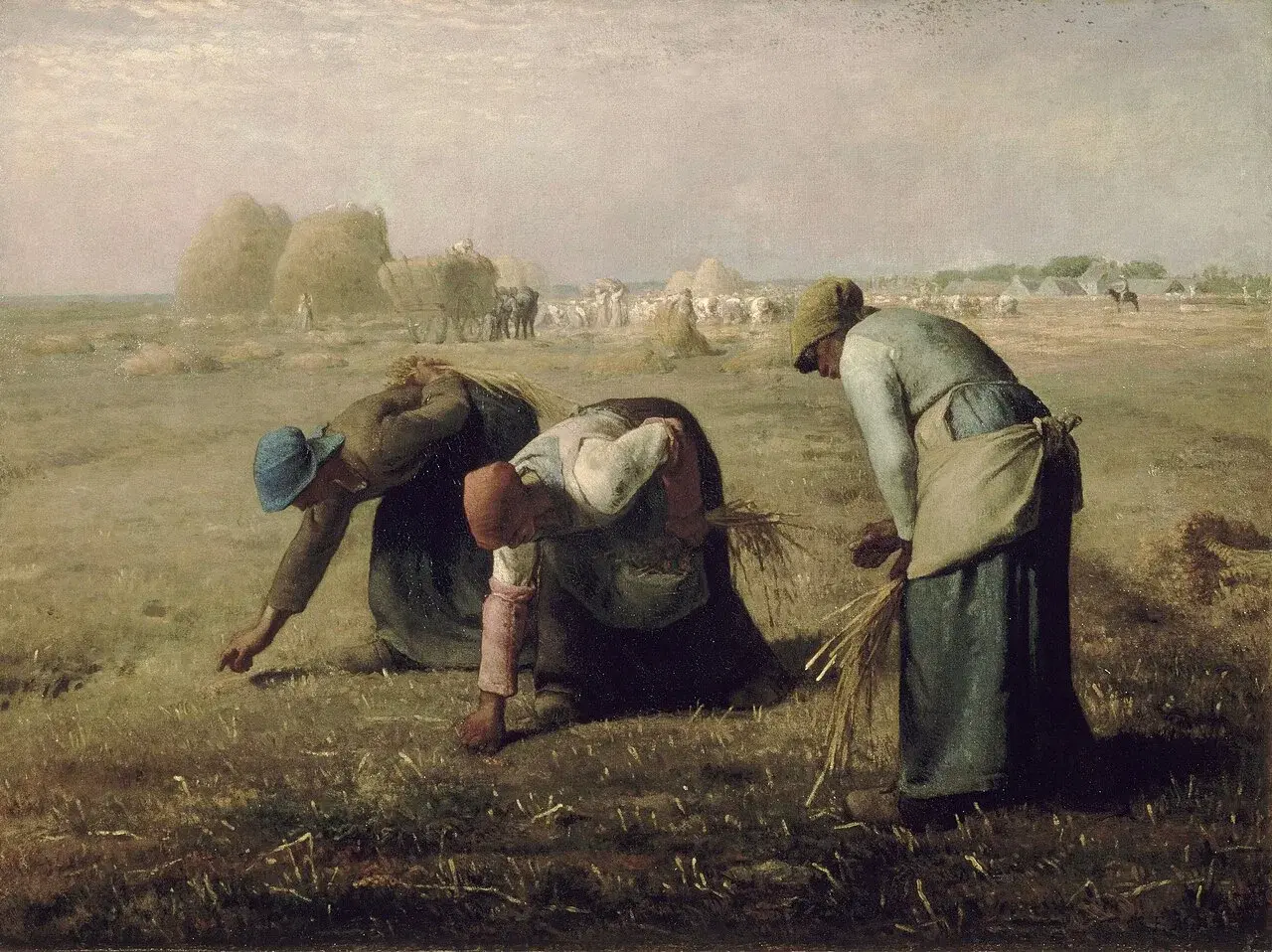
Jean-François Millet
1857
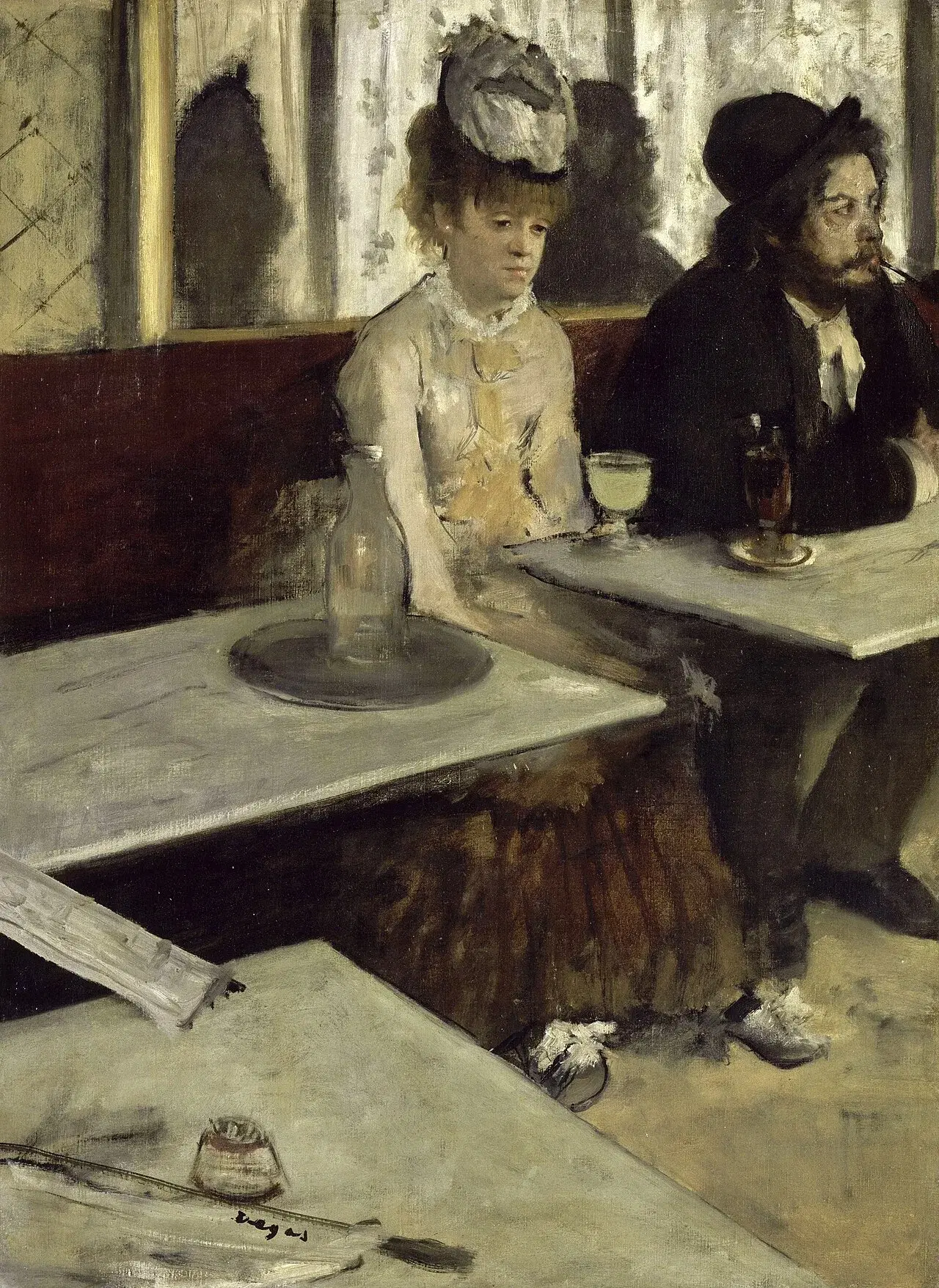
Edgar Degas
1875–1876
Edgar Degas
1874
James Abbott McNeill Whistler
1871