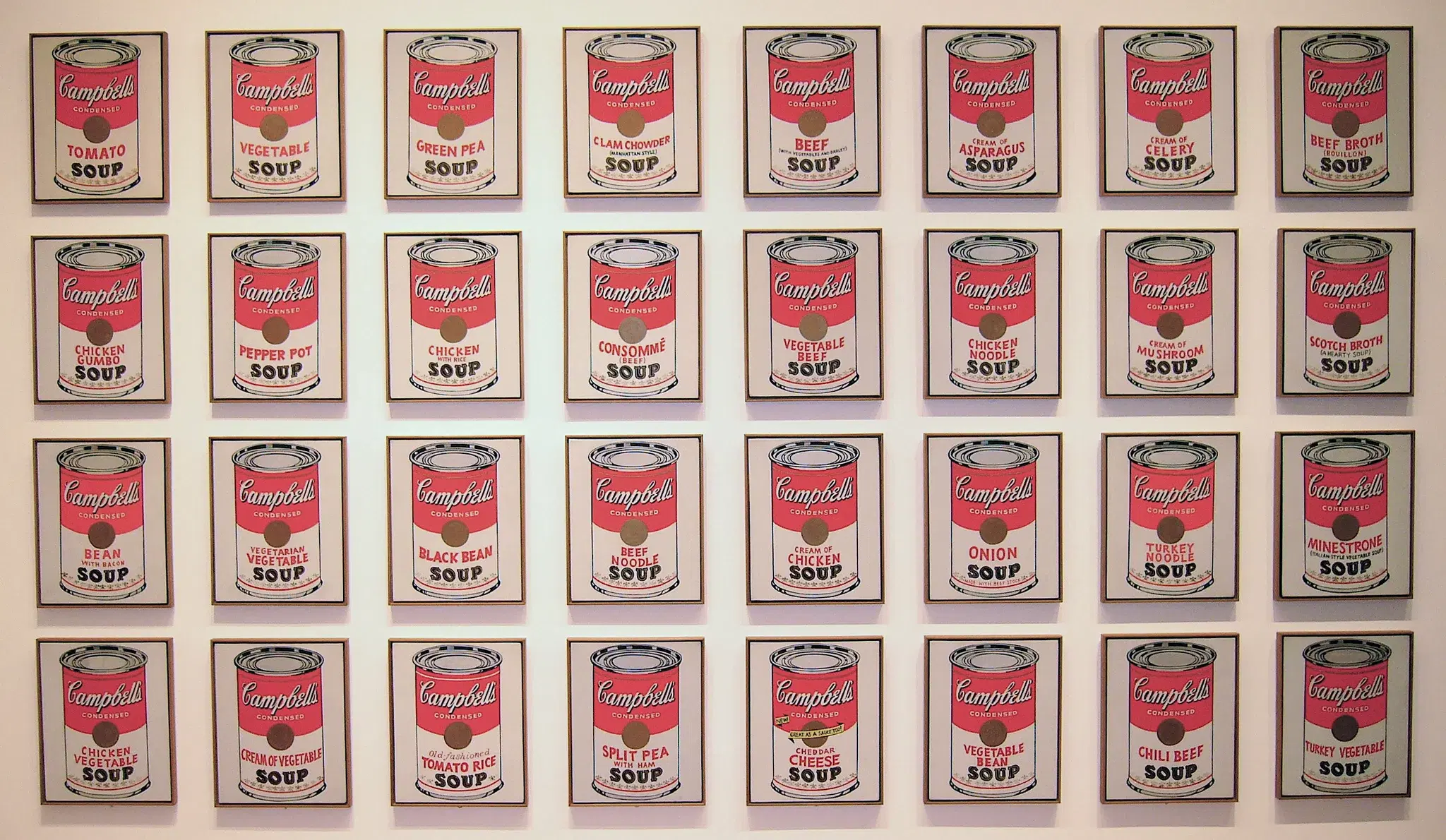
Campbell’s Soup Cans
#46
Meet the artist
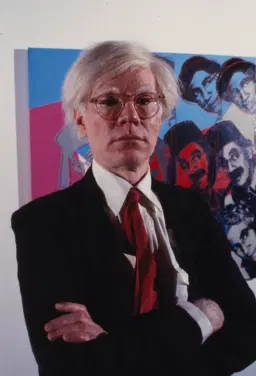
Andy Warhol1928–1987American
Dates
1962
Specifications
- Original title
- Campbell's Soup Cans
- Dimensions
- 51 × 41 cm
Wikimedia Commons
About the Artwork
Andy Warhol's "Campbell's Soup Cans," created in 1962, is an iconic work of Pop Art depicting thirty-two canvases, each representing a different flavor of Campbell's soup. This seemingly simple subject matter was revolutionary, elevating everyday consumer goods to the realm of high art. Warhol challenged traditional notions of artistic value and originality, embracing mass production and the aesthetics of commercial culture. The artwork reflects the post-war American landscape, saturated with advertising and readily available products, and it questions the role of the artist in a society increasingly dominated by consumerism.
Historically, "Campbell's Soup Cans" marked a turning point in the art world, solidifying Pop Art's place as a major movement. Warhol's choice of subject matter and his deadpan presentation of it challenged the prevailing Abstract Expressionist style, which emphasized emotional depth and personal expression. Warhol embraced a deliberately impersonal and mechanical approach, reflecting the repetitive nature of mass production. The artwork sparked controversy and debate, but it ultimately changed the way art was perceived and paved the way for future generations of artists to engage with popular culture.
Warhol employed silkscreen printing, a commercial technique typically used for mass-produced items, to create "Campbell's Soup Cans." This method allowed him to reproduce the images quickly and consistently, further blurring the lines between art and commerce. The precise, almost photographic quality of the cans, combined with the bold, graphic lettering, created a visually striking and memorable image. The repetition of the thirty-two cans in a grid-like arrangement reinforces the themes of mass production and consumerism, highlighting the pervasive nature of these products in everyday life and prompting viewers to consider the impact of mass media on our perception of the world.
How to experience it
stand far enough back to feel the serial effect
Don’t stop here
More to explore by Andy Warhol
Same feeling, different artists
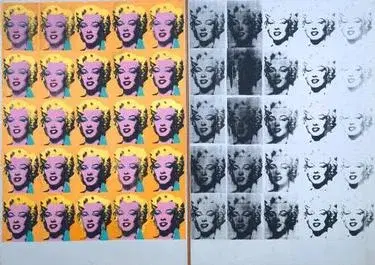
Similar Works by Other Artists

Keep exploring
Ends soon
Frieze New York 2026
13 May – 17 May 2026
The Shed New York
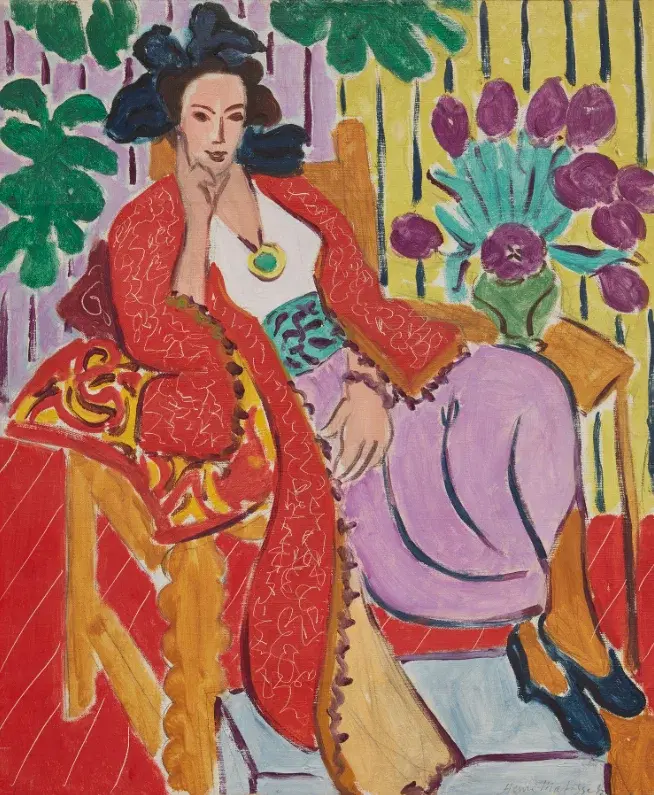
Matisse. The Pursuit of Harmony
9 Apr – 22 May 2026
Acquavella Galleries
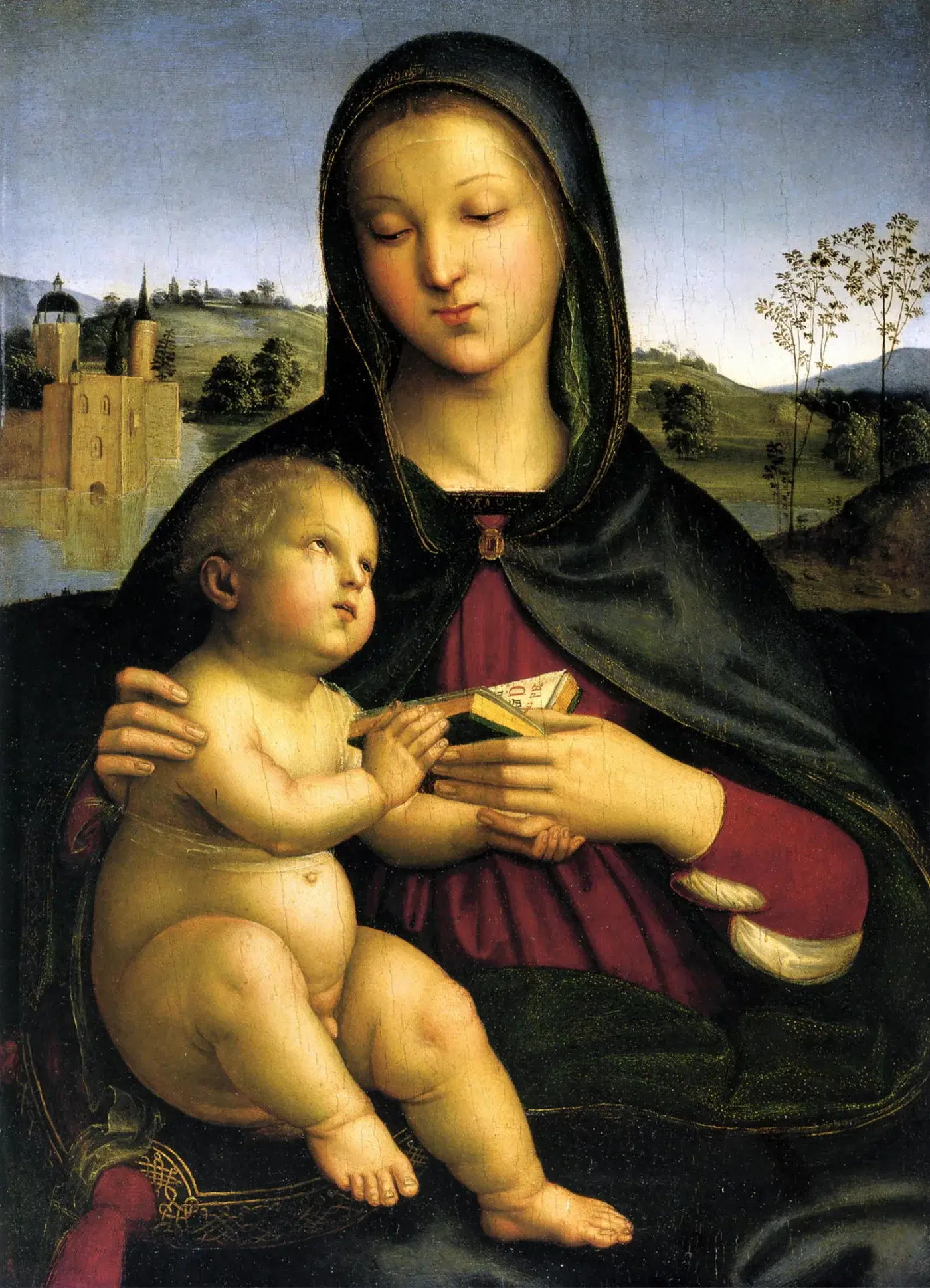
Raphael: Sublime Poetry
29 Mar – 28 Jun 2026
Metropolitan Museum of Art
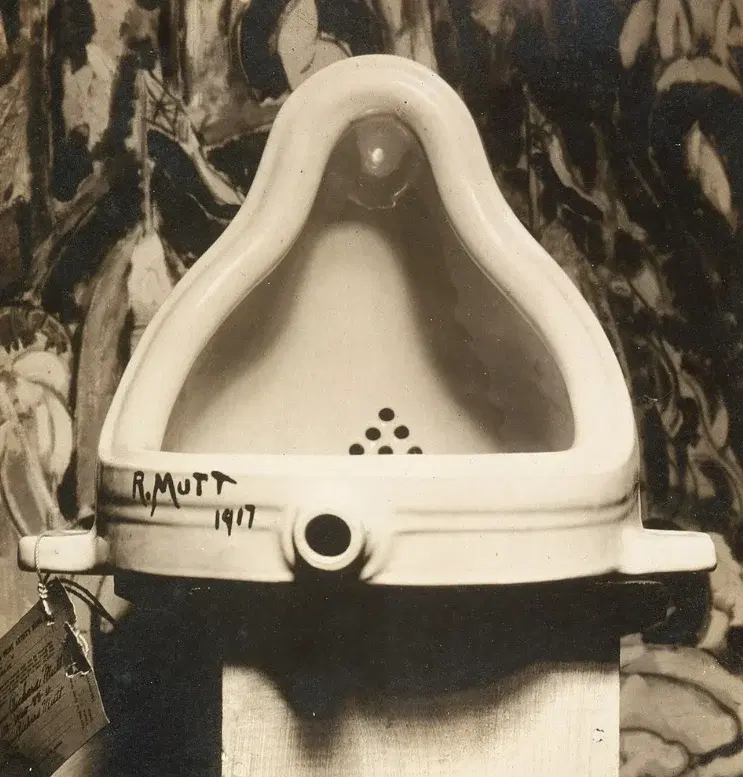
Marcel Duchamp
13 Apr – 22 Aug 2026
MoMA The Museum of Modern Art
Whitney Biennial 2026
8 Mar – 23 Aug 2026
Whitney Museum of American Art
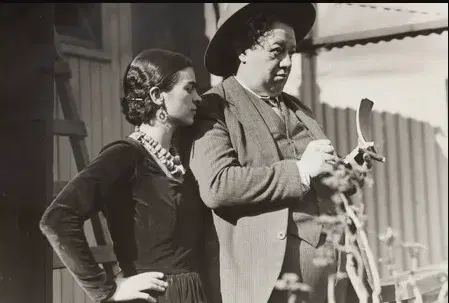
Frida and Diego. The Last Dream.
1 Apr – 12 Sep 2026
MoMA The Museum of Modern Art
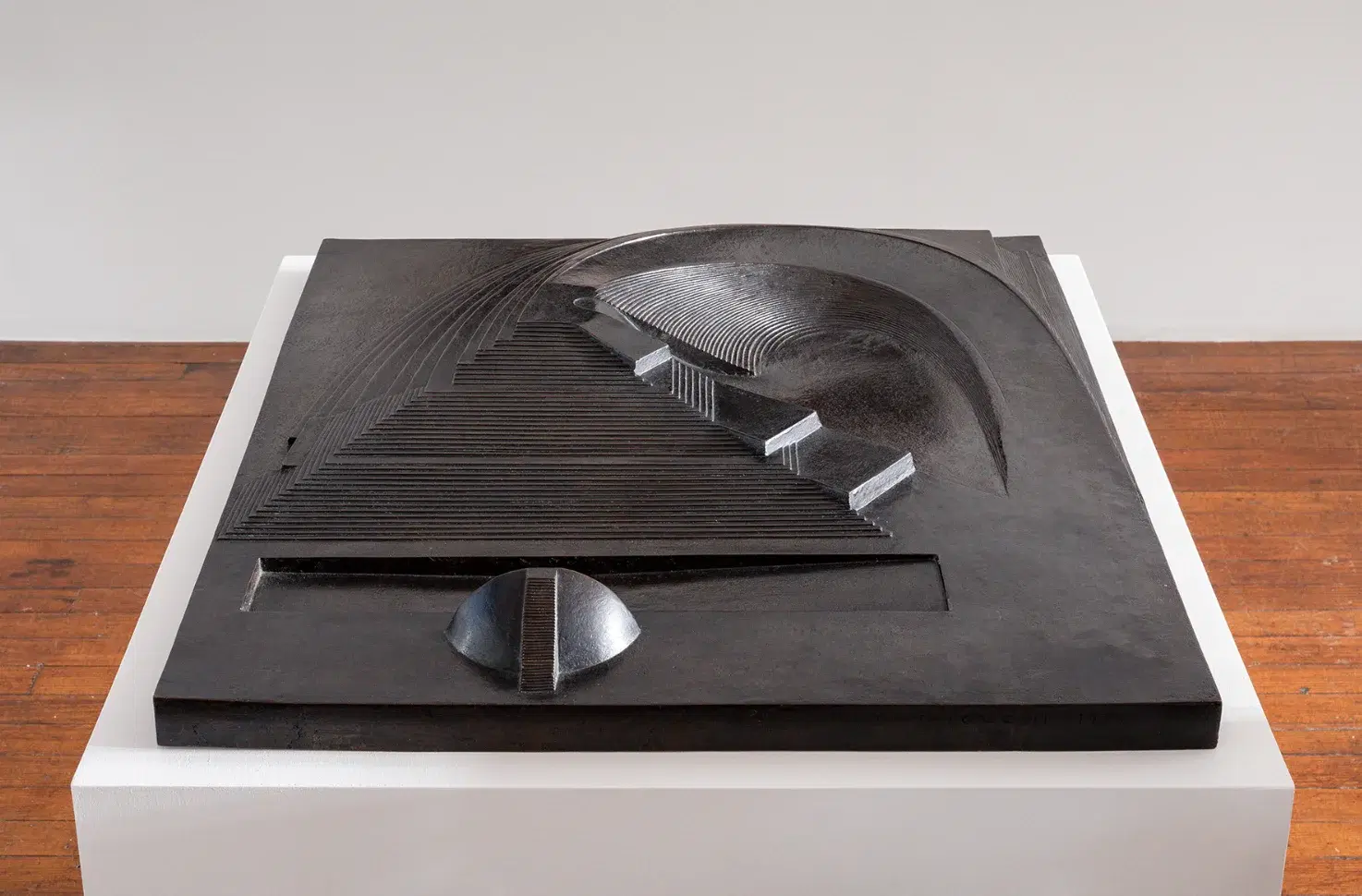
Noguchi’s New York
4 Feb – 13 Sep 2026
The Noguchi Museum
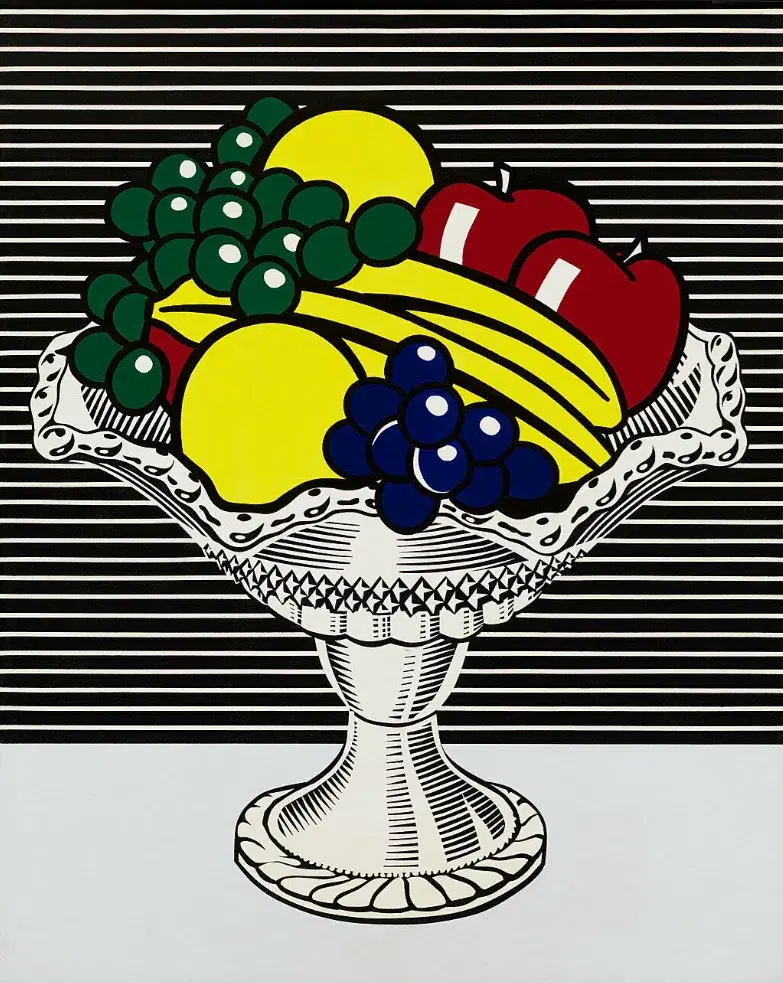
Roy Lichtenstein
1 Oct 2026 – 1 Jan 2027
Whitney Museum of American Art
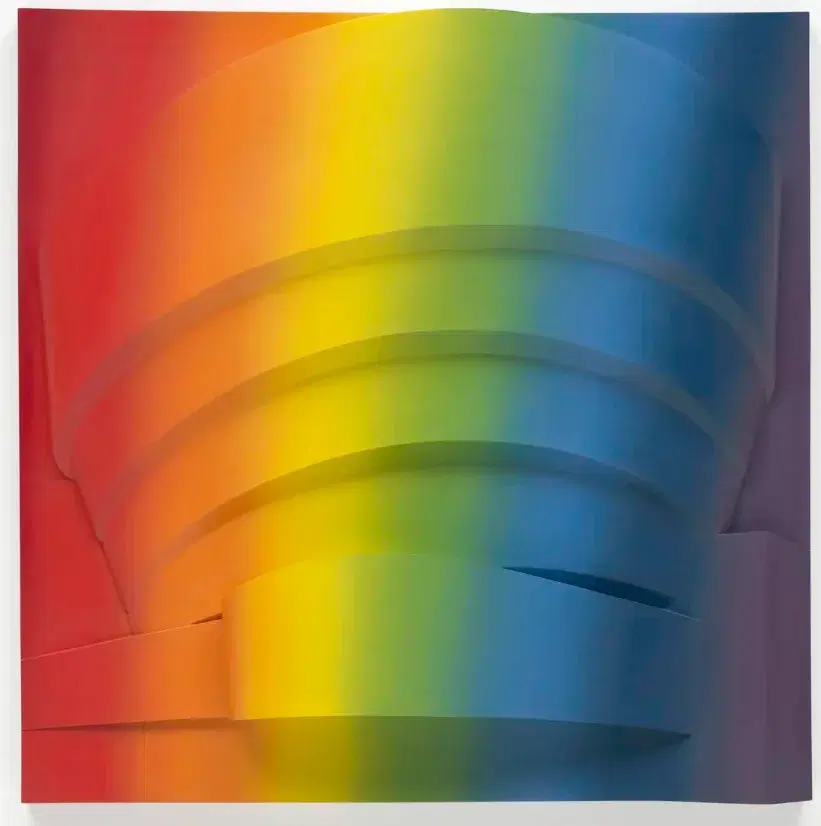
Guggenheim Pop
5 Jun 2026 – 10 Jan 2027
Solomon R. Guggenheim Museum
Moma Permanent Collection
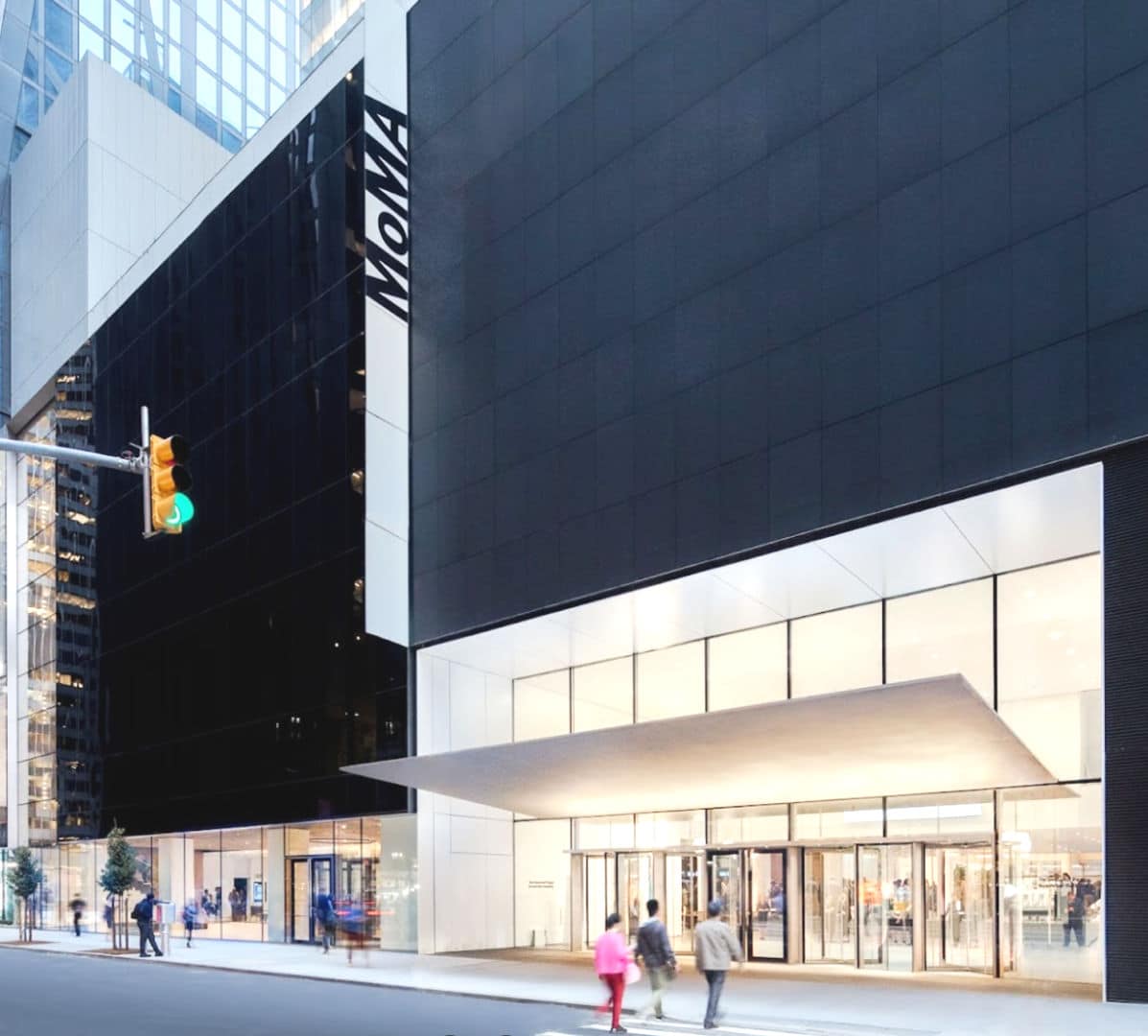
MoMA The Museum of Modern Art