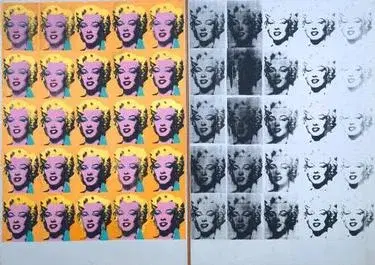
Marilyn Diptych
#47
Meet the artist
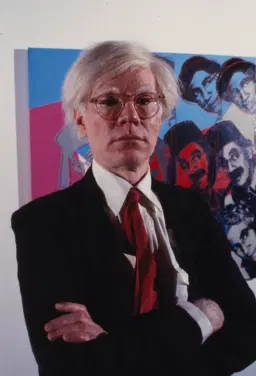
Andy Warhol1928–1987American
Dates
1962
Specifications
- Dimensions
- 205.4 × 289.6 cm
Wikimedia Commons
About the Artwork
Andy Warhol's "Marilyn Diptych," created in 1962, is an iconic representation of celebrity, death, and the power of repetition in Pop Art. The artwork features fifty images of Marilyn Monroe, sourced from a publicity photograph from her 1953 film "Niagara." Completed shortly after Monroe's untimely death, the diptych format—two panels side-by-side—enhances the work's thematic weight. The left panel bursts with vibrant, albeit slightly off-register, colors, while the right panel fades into stark black and white, with the images becoming increasingly blurred and distorted. This contrast is often interpreted as a commentary on the duality of Monroe's life: the manufactured glamour of her public persona versus the fading reality of her mortality.
The "Marilyn Diptych" holds significant historical importance as a defining piece of the Pop Art movement, which challenged traditional notions of art by incorporating imagery from popular culture and mass media. Warhol's use of silk-screening, a technique borrowed from commercial printing, further emphasized this connection to mass production. The artwork also exemplifies the concept of appropriation, as Warhol utilized a pre-existing photograph without initial permission, sparking debates about originality and copyright. Despite the controversy, the work's impact on subsequent art and culture is undeniable, solidifying Warhol's place as a leading figure in modern art.
Beyond its historical context, the "Marilyn Diptych" matters because it captures the essence of celebrity worship and the ephemeral nature of fame. The repetition of Monroe's image forces viewers to confront the constructed image of a star, while the contrasting colors and fading details hint at the underlying vulnerability and decay that lie beneath the surface. The artwork invites us to consider the complex relationship between image, reality, and mortality, prompting reflection on our own fascination with celebrity and the transient nature of human existence. Its enduring appeal lies in its ability to provoke thought and spark conversation about the cultural forces that shape our world.
How to experience it
compare the bright left half and fading right half
Don’t stop here
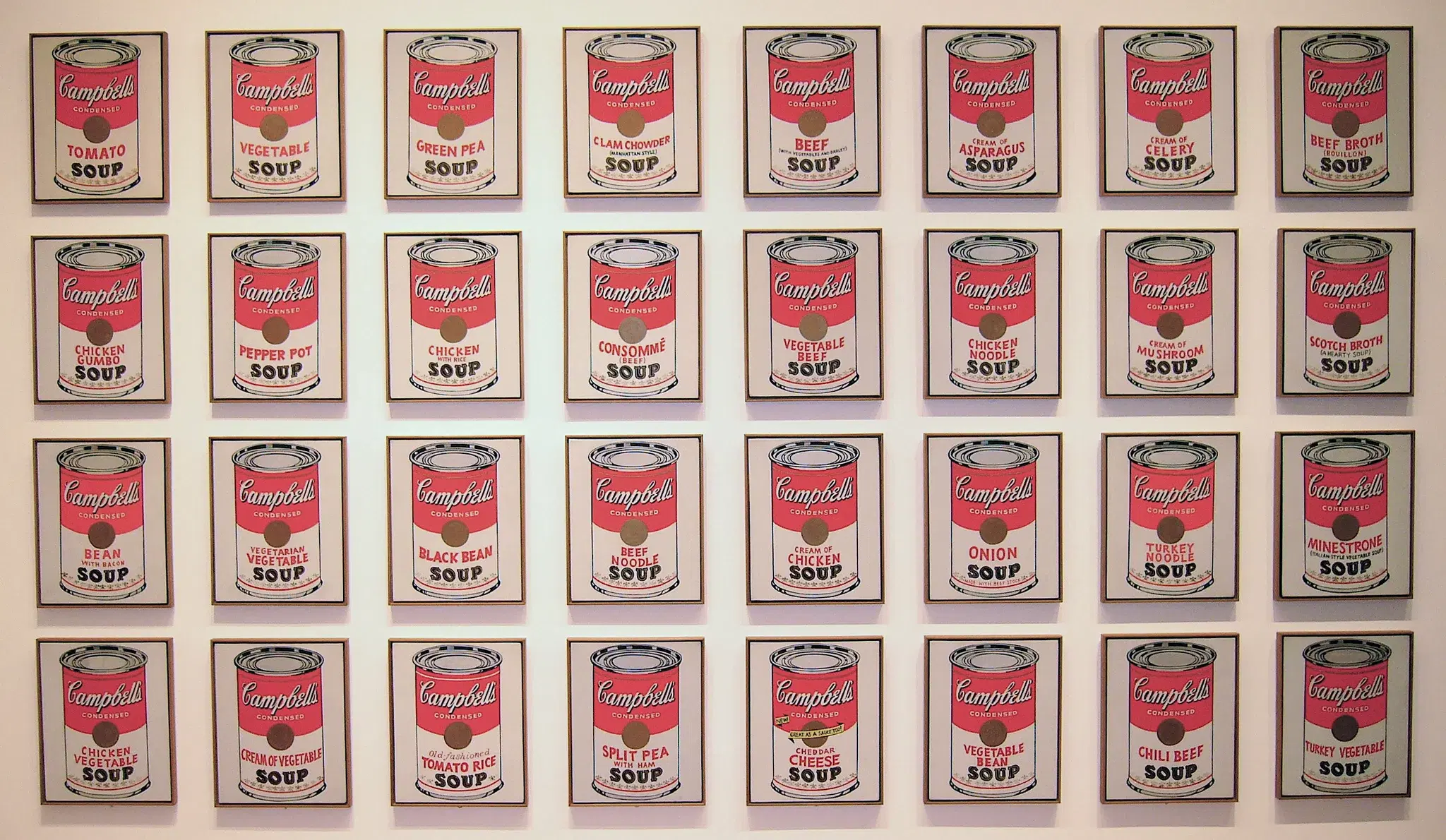
More to explore by Andy Warhol
Same feeling, different artists
Similar Works by Other Artists

Keep exploring
Ends soon
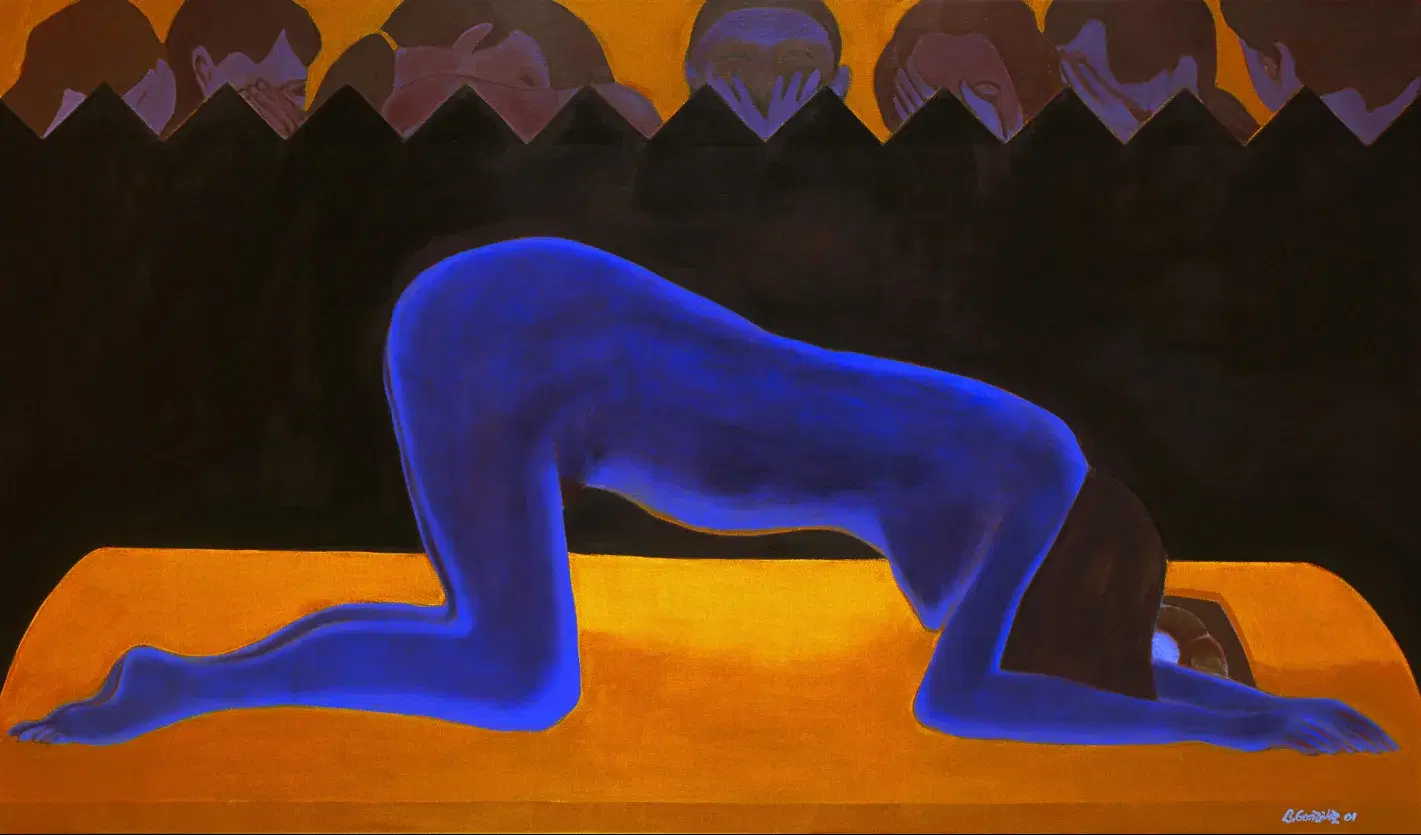
Beatriz González
25 Feb – 10 May 2026
Barbican
Ends soon
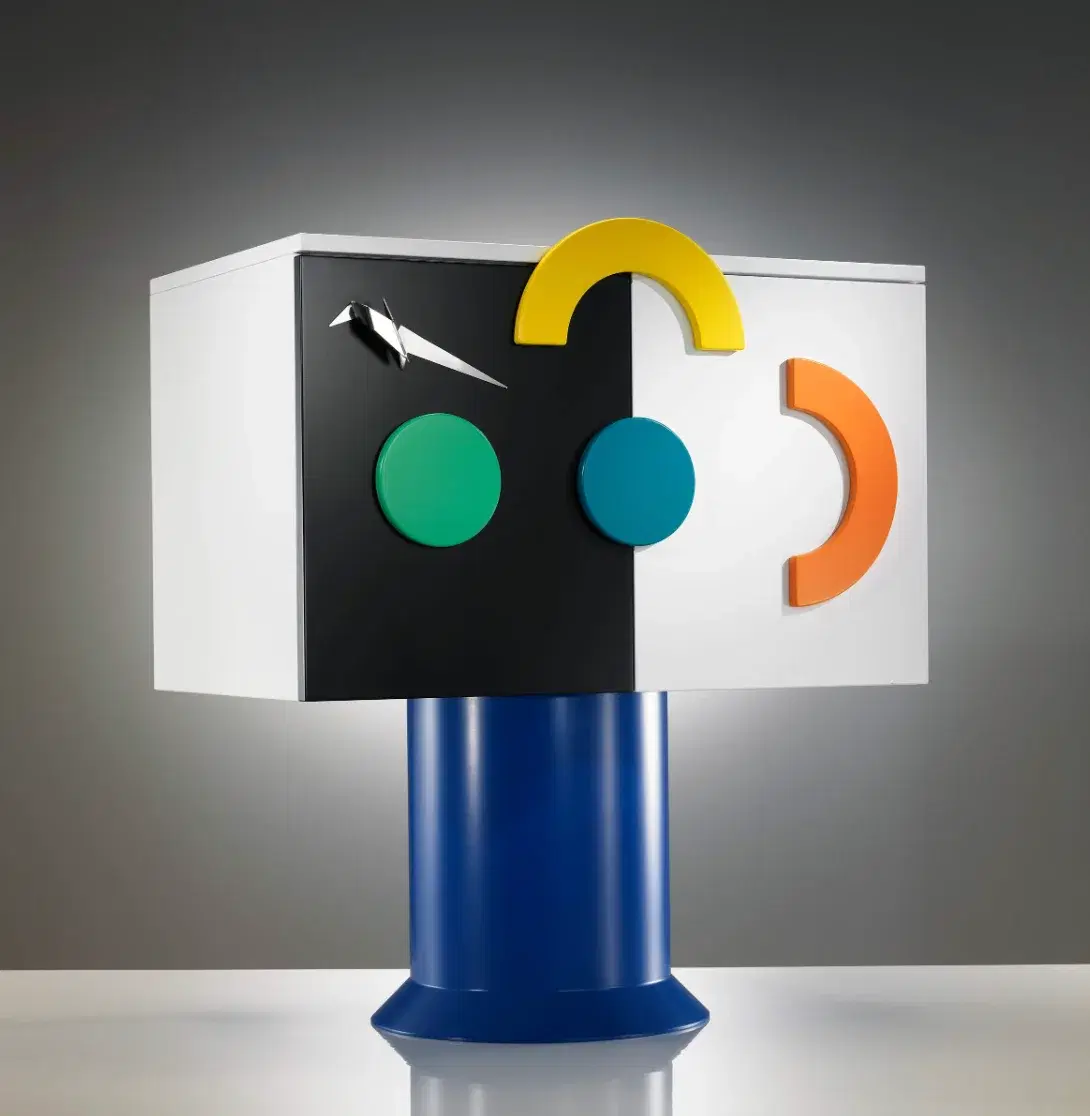
Alessandro Mendini
16 Jan – 10 May 2026
Estorick Collection of Modern Italian Art
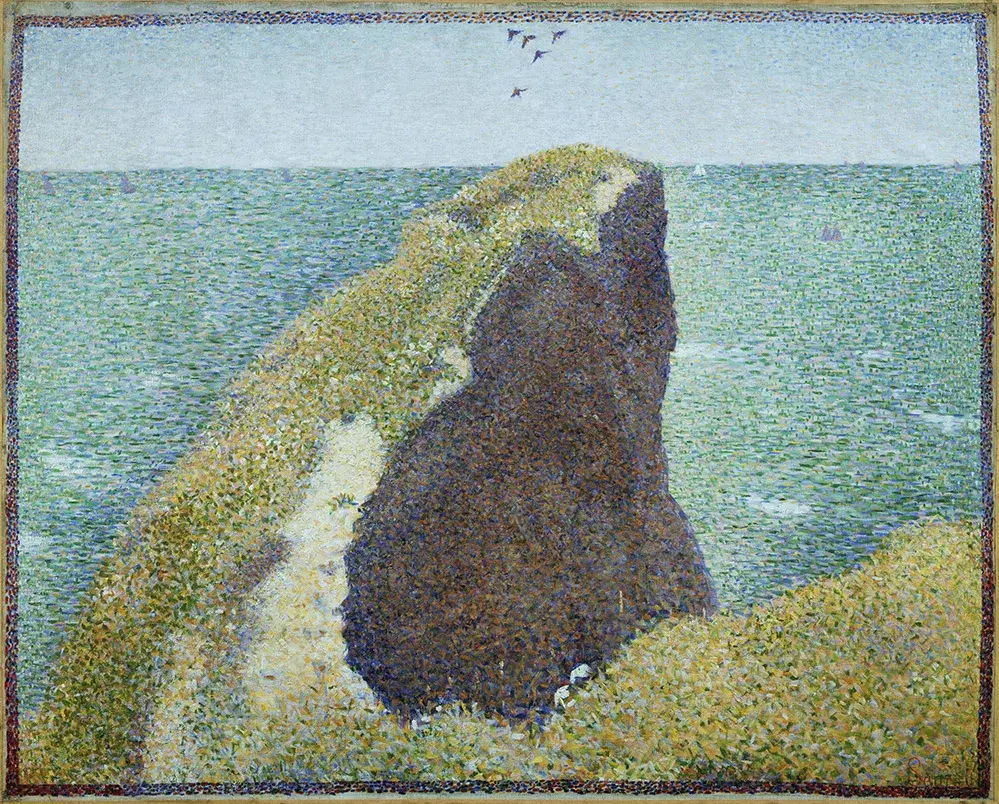
Ends soon
Seurat and the Sea
13 Feb – 17 May 2026
The Courtauld

Ends soon
London Craft Week
11 May – 17 May 2026
The Courtauld
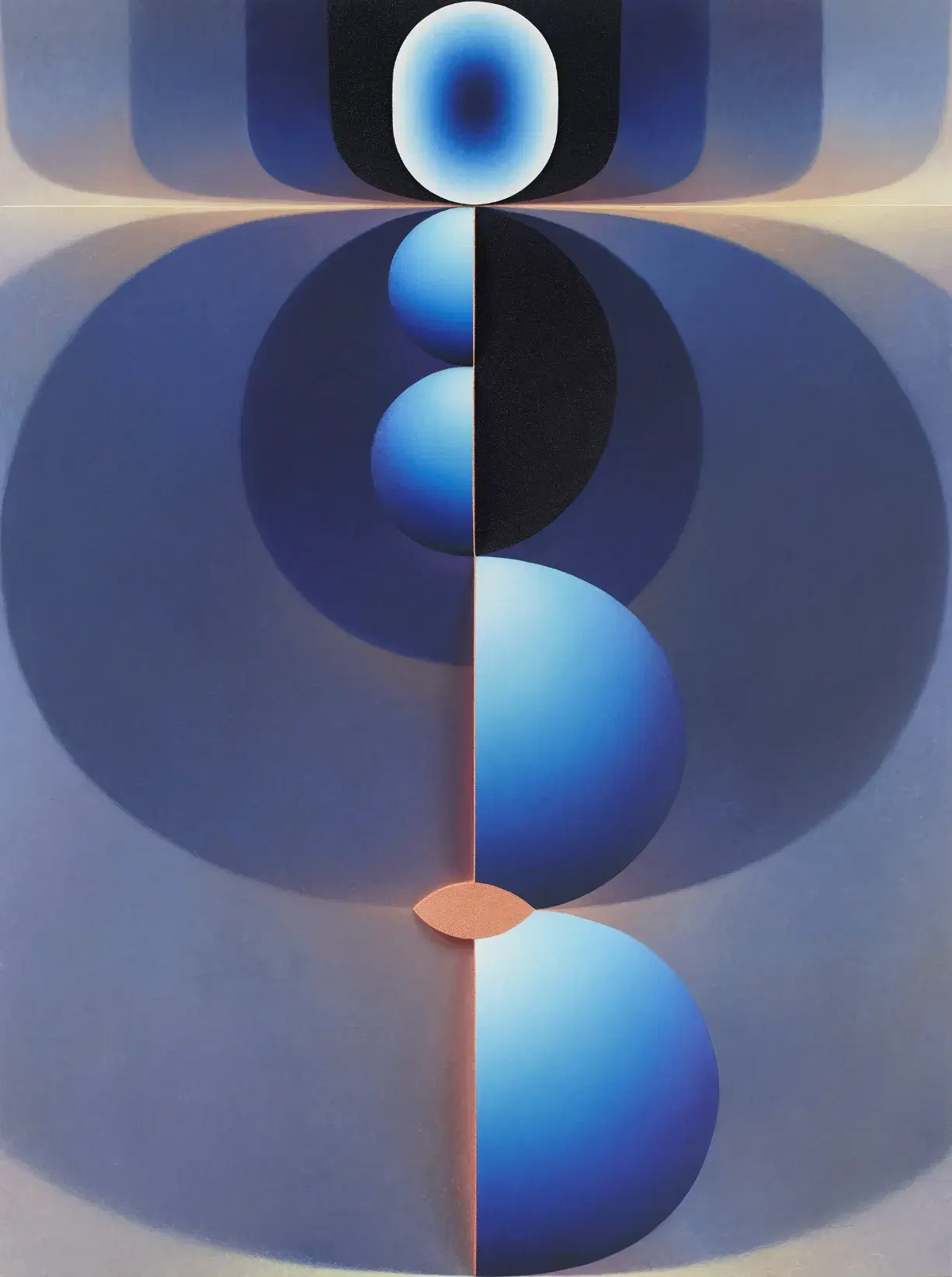
Loie Hollowell. Overview Effect
4 Mar – 23 May 2026
Pace Gallery London

Lynda Benglis: Encounters: Giacometti.
12 Feb – 31 May 2026
Barbican
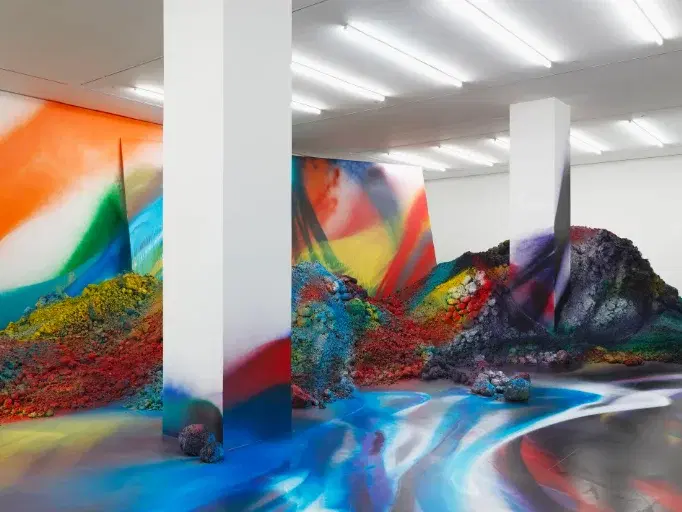
Katharina Grosse
22 Apr – 31 May 2026
White Cube Gallery Bermondsey
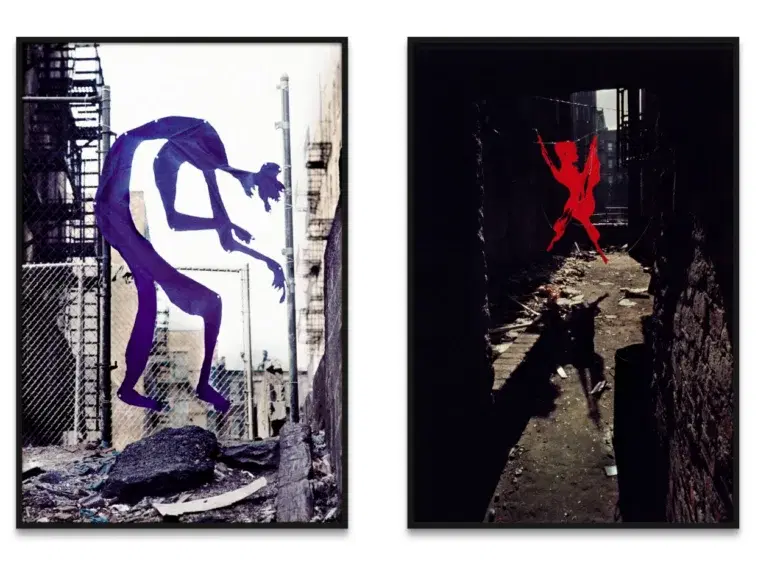
Senga Nengudi: Performance Works 1972-1982
1 Apr – 14 Jun 2026
Whitechapel Gallery

Veronica Ryan: Multiple Conversations
1 Apr – 14 Jun 2026
Whitechapel Gallery
Michaelina Wautier
27 Mar – 21 Jun 2026
The Royal Academy of Arts London