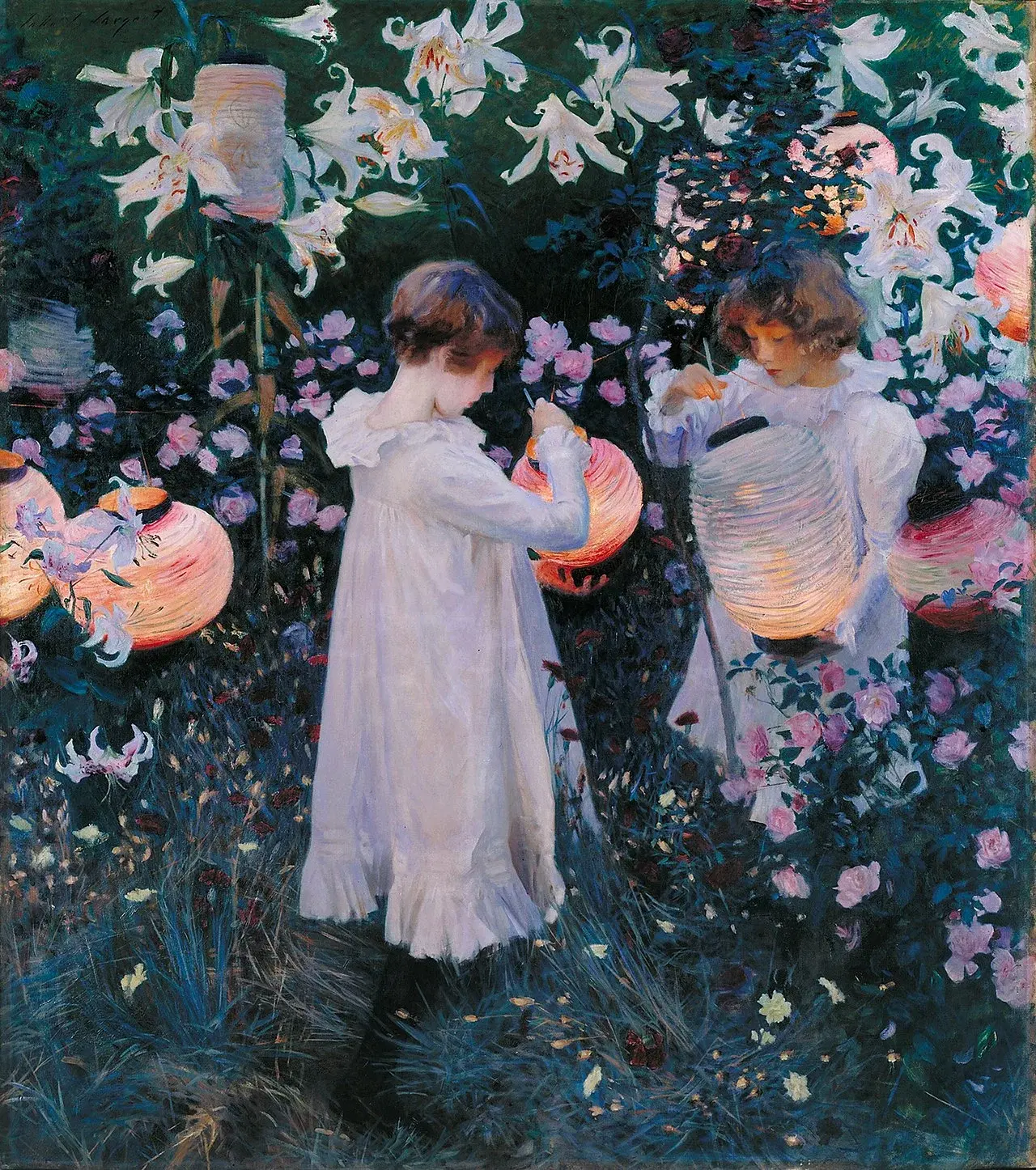
Carnation, Lily, Lily, Rose
Meet the artist
JJohn Singer Sargent1856–1925American
Dates
1885–1886
Specifications
- Movement
- Impressionism
- Medium
- Oil Painting
- Genre
- Genre Painting
About the Artwork
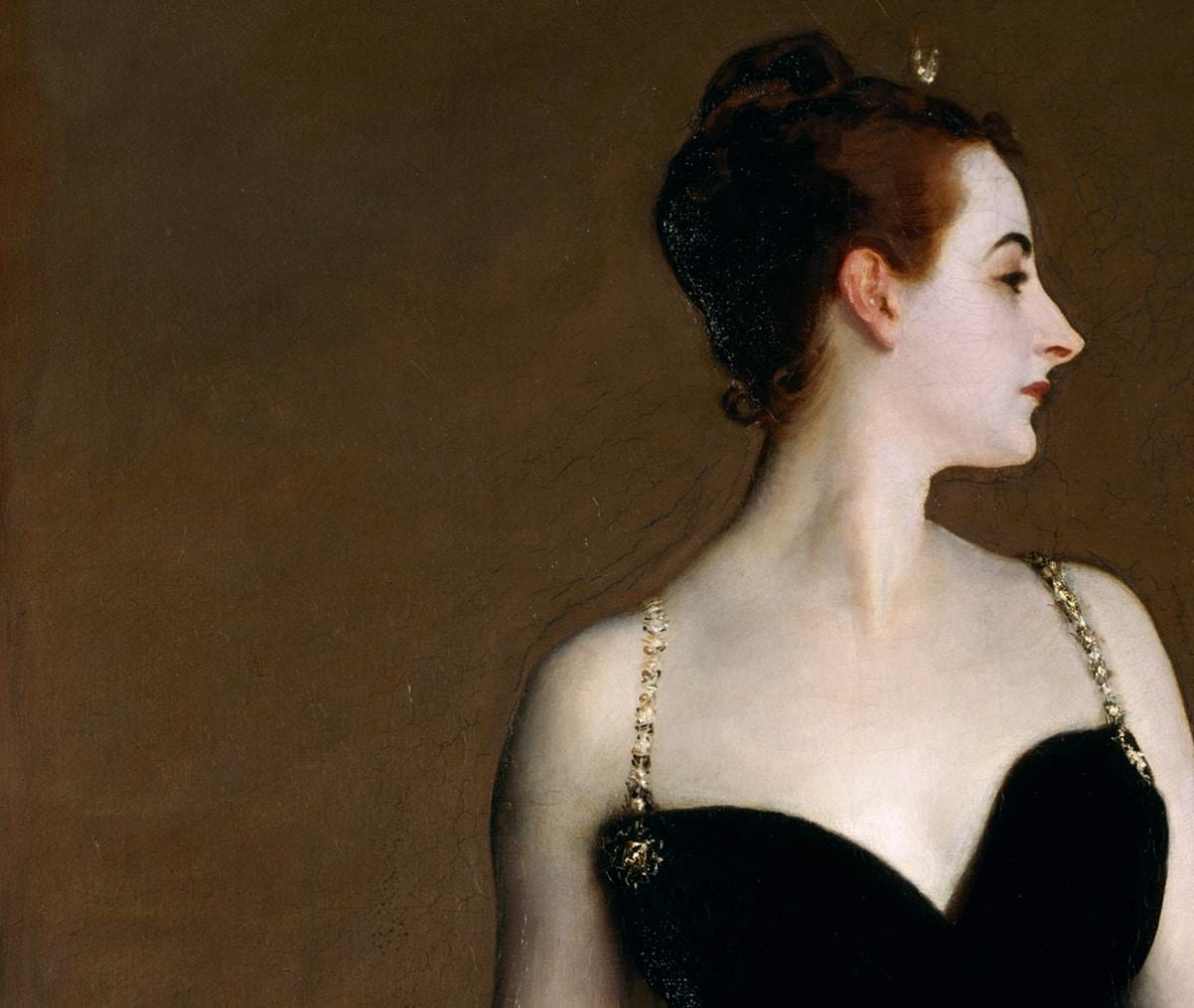
Carnation, Lily, Lily, Rose is among the most beloved paintings in the Tate collection and a defining statement of late 19th-century Impressionism in England. John Singer Sargent began the work in the summer of 1885, having recently relocated from Paris to the English countryside following the scandal that engulfed his Portrait of Madame X. He set up in the gardens around Broadway in the Cotswolds and painted en plein air, capturing the evanescent quality of twilight — returning to the canvas each day for the few minutes when the fading light produced the work's distinctive violet atmosphere. Two daughters of illustrator Frederick Barnard, eleven-year-old Dolly and seven-year-old Polly, are depicted in white dresses lighting paper lanterns amid an abundant garden of roses, lilies, and carnations. Sargent resumed work the following summer of 1886 before the large oil on canvas — measuring 174 by 154 centimetres — was finally complete. The title comes from the refrain of a popular Victorian glee song. The painting was exhibited at the Royal Academy in 1887 and purchased by the Tate, where it has remained, as a definitive image of golden childhood set in flickering, unearthly light.
Don’t stop here
More to explore by John Singer Sargent
Same feeling, different artists
Similar Works by Other Artists
Keep exploring
Ends soon
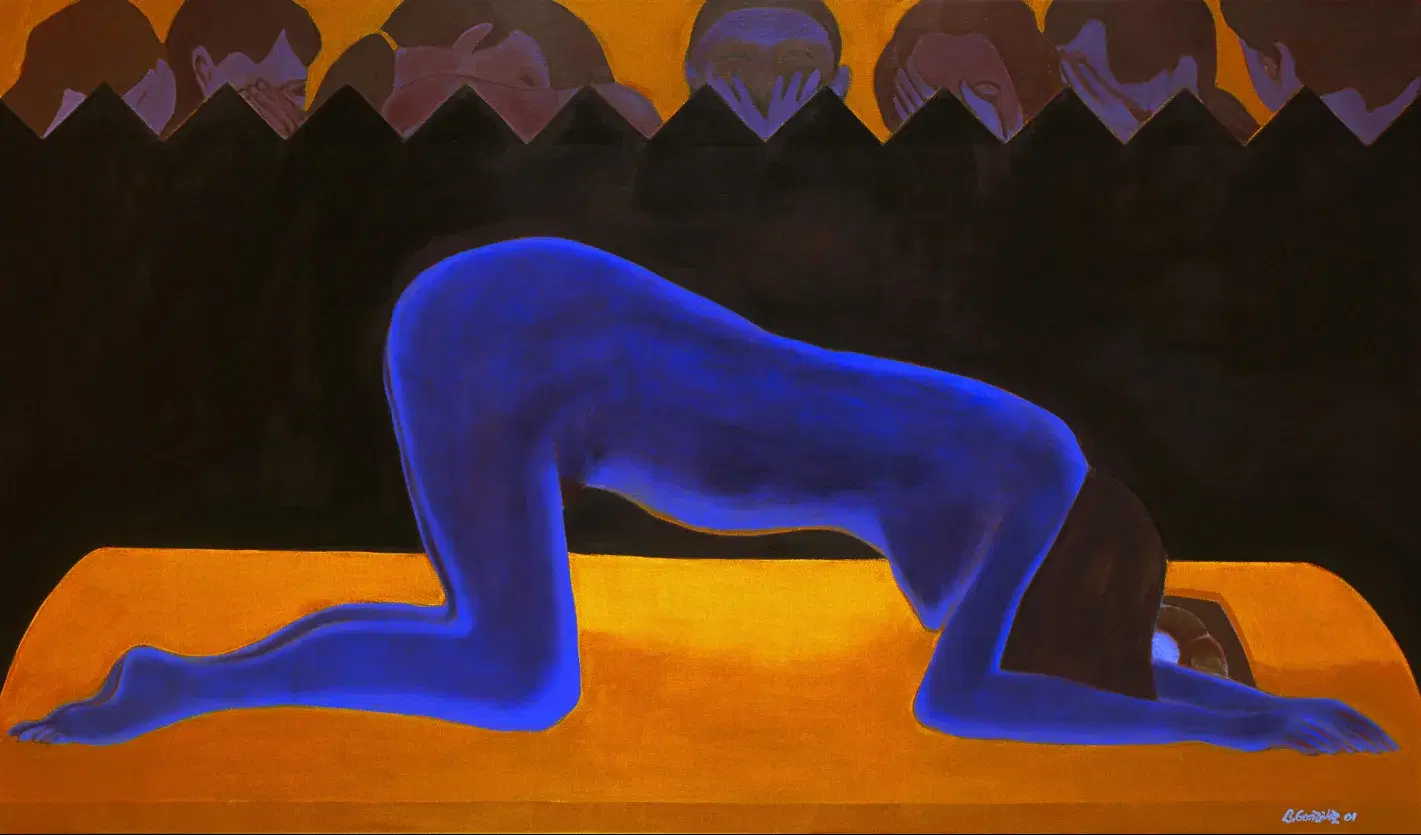
Beatriz González
25 Feb – 10 May 2026
Barbican
Ends soon
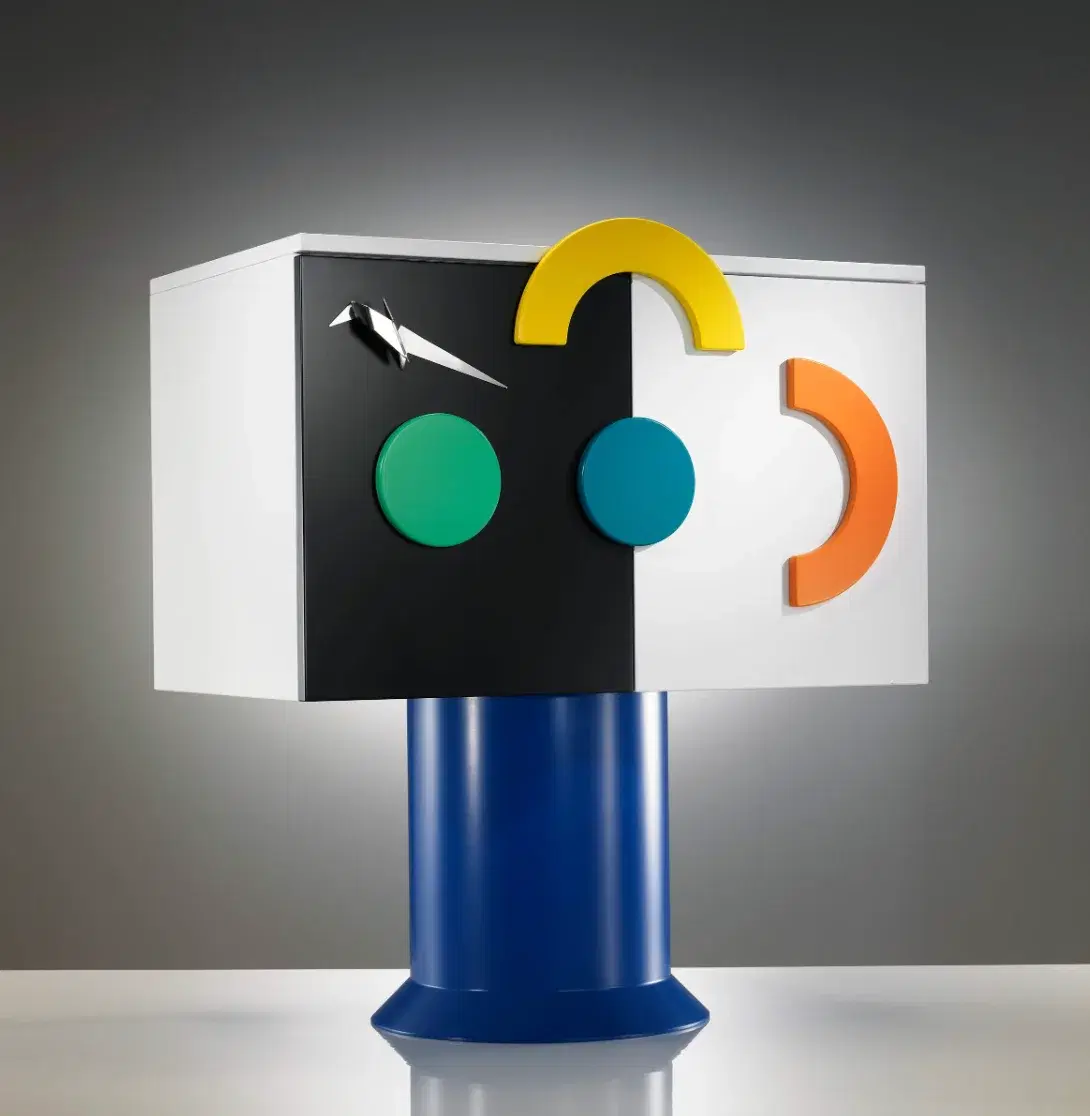
Alessandro Mendini
16 Jan – 10 May 2026
Estorick Collection of Modern Italian Art
Ends soon
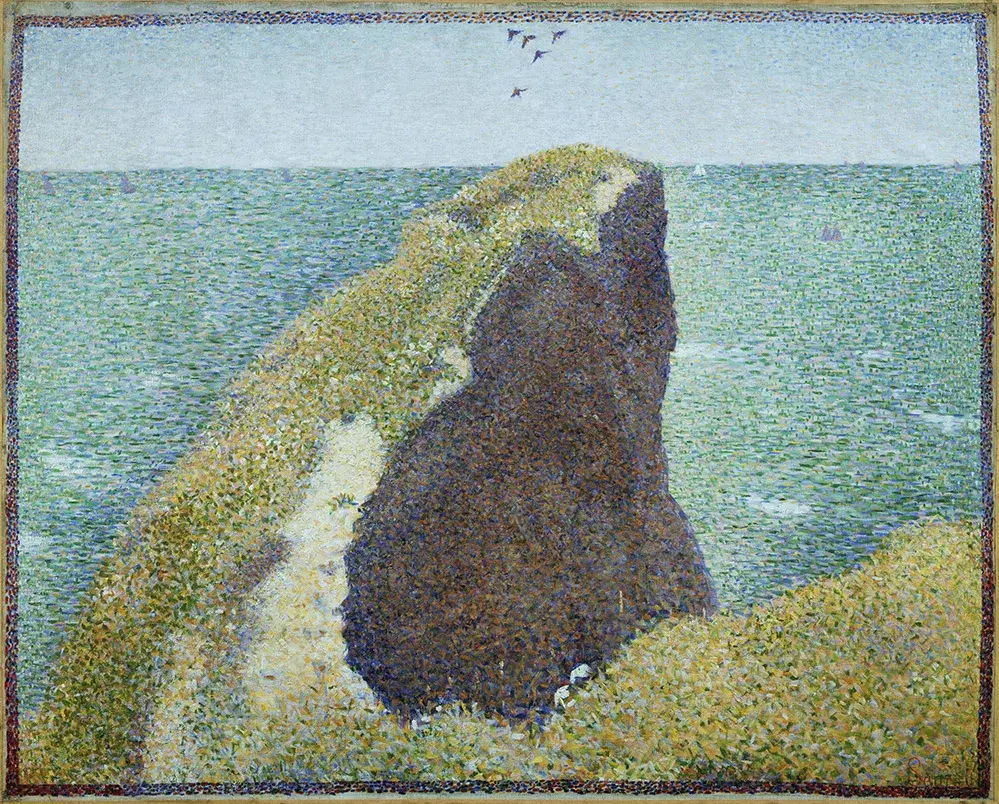
Seurat and the Sea
13 Feb – 17 May 2026
The Courtauld

Ends soon
London Craft Week
11 May – 17 May 2026
The Courtauld
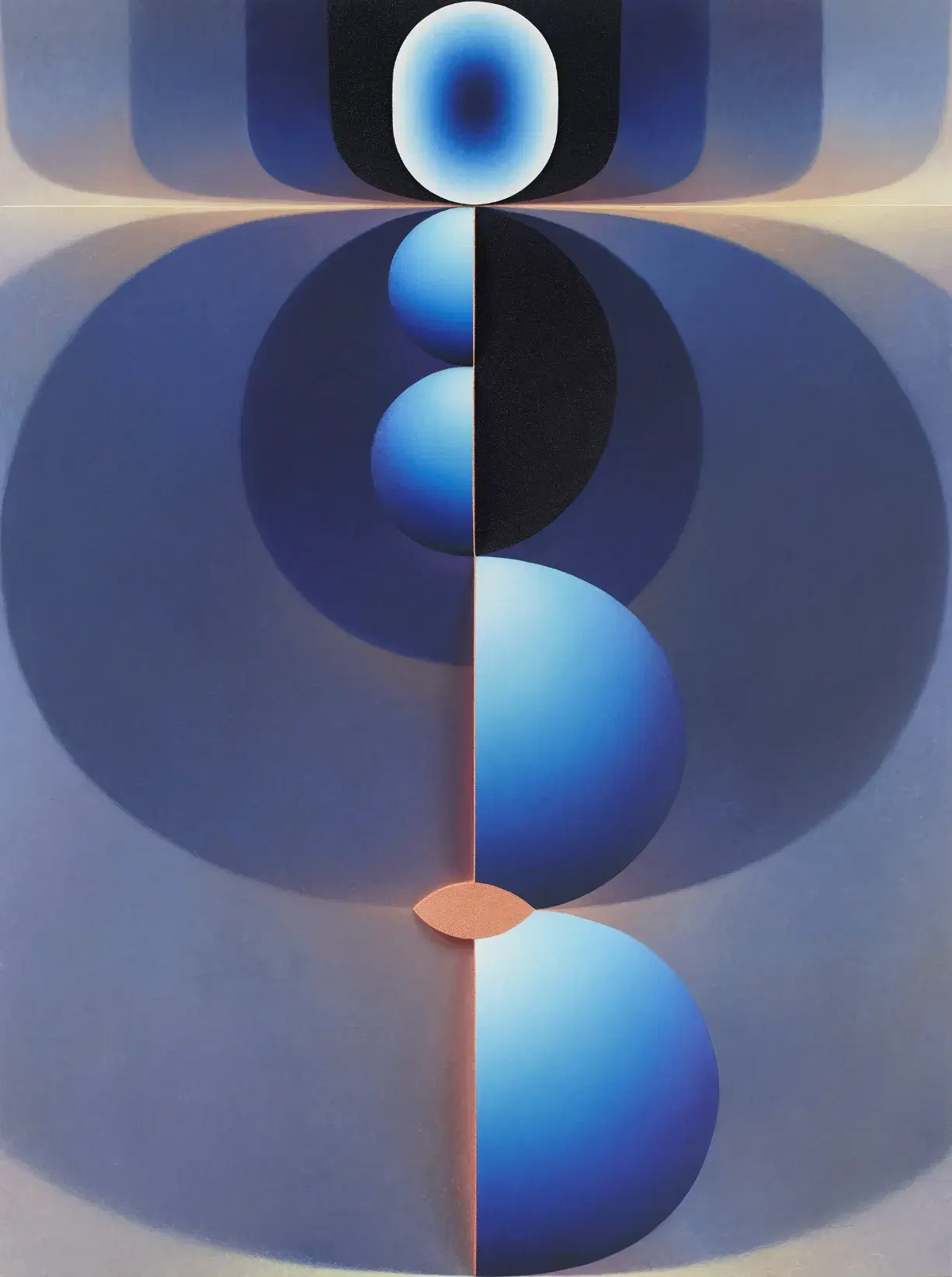
Loie Hollowell. Overview Effect
4 Mar – 23 May 2026
Pace Gallery London
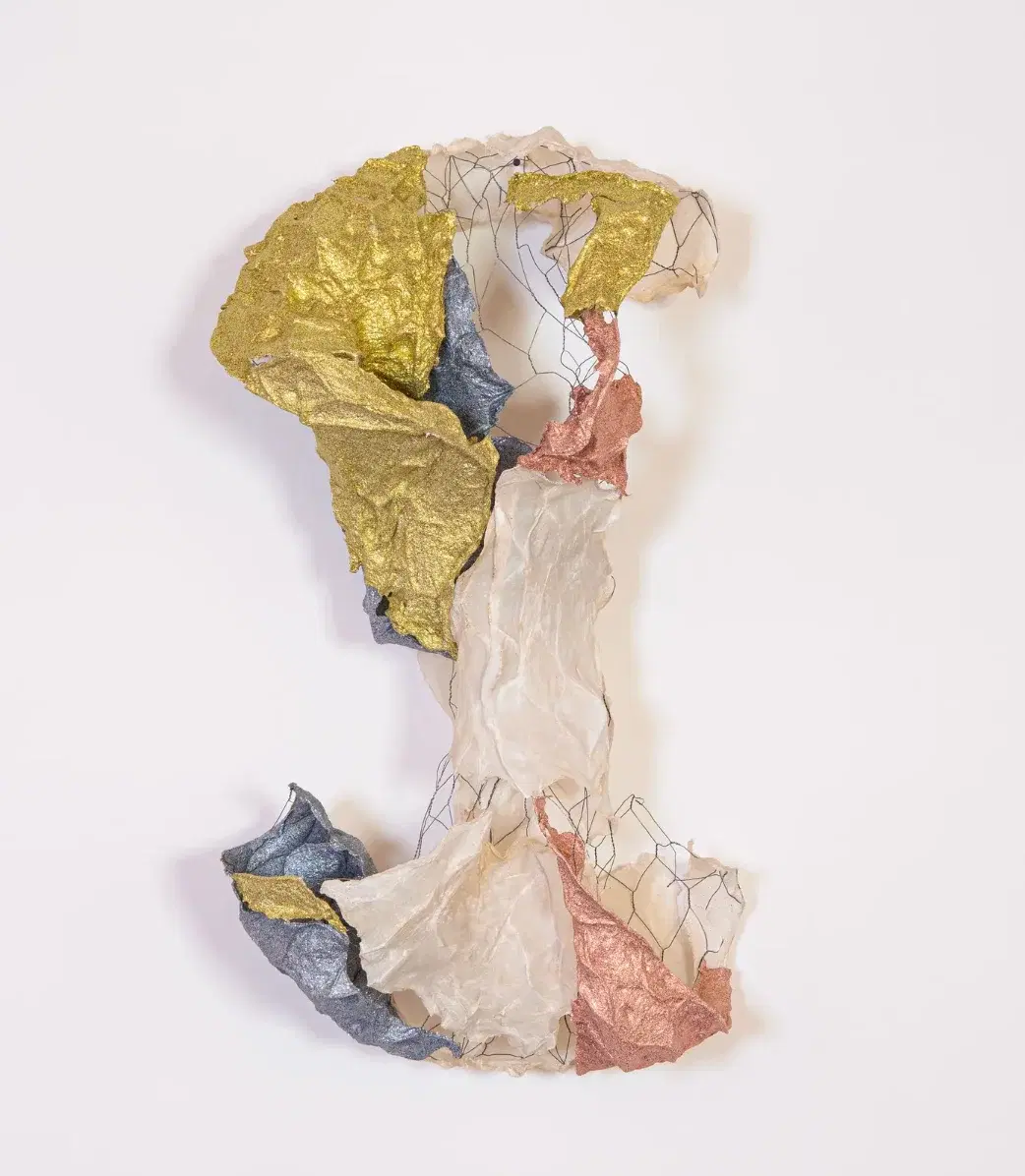
Lynda Benglis: Encounters: Giacometti.
12 Feb – 31 May 2026
Barbican
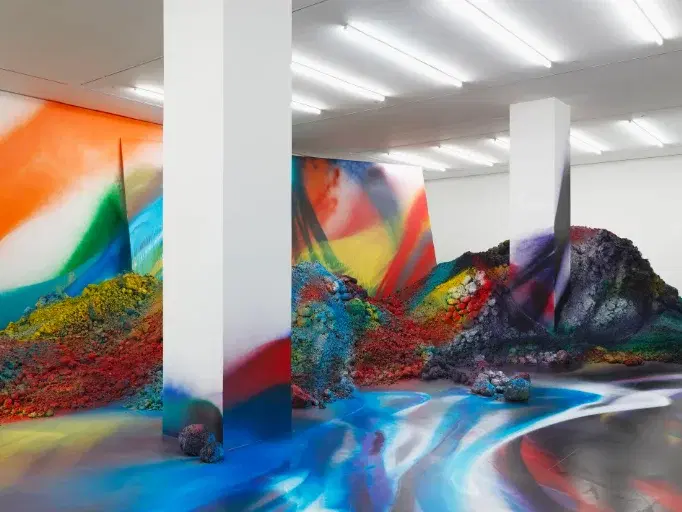
Katharina Grosse
22 Apr – 31 May 2026
White Cube Gallery Bermondsey
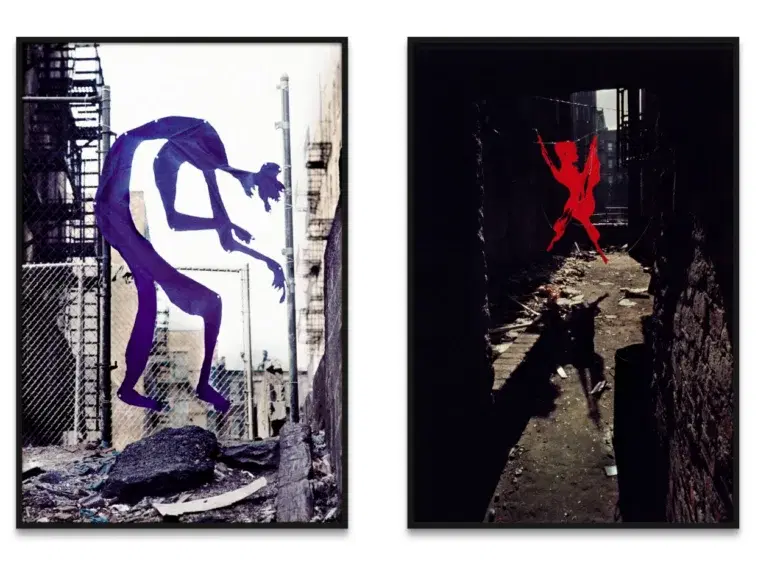
Senga Nengudi: Performance Works 1972-1982
1 Apr – 14 Jun 2026
Whitechapel Gallery

Veronica Ryan: Multiple Conversations
1 Apr – 14 Jun 2026
Whitechapel Gallery
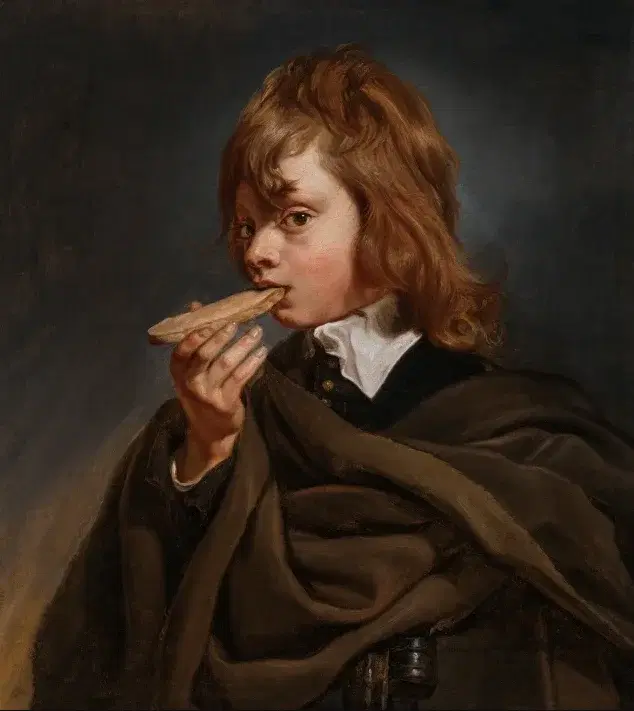
Michaelina Wautier
27 Mar – 21 Jun 2026
The Royal Academy of Arts London