Guernica
#6
No color. No escape. Just the sound of a scream you can almost hear.
1 / 2
Meet the artist
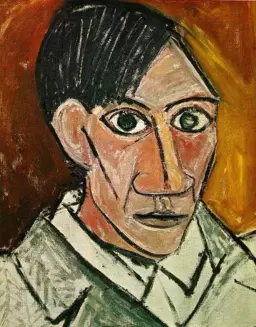
Pablo Picasso1881–1973Spanish
Dates
1937
Specifications
- Movement
- Cubism, Surrealism
- Medium
- Oil Painting
- Genre
- Historical Painting
- Dimensions
- 349.3 × 776.6 cm
© Artlovers Guernica Picasso
About the Artwork
A fractured world in black, white, and grey.
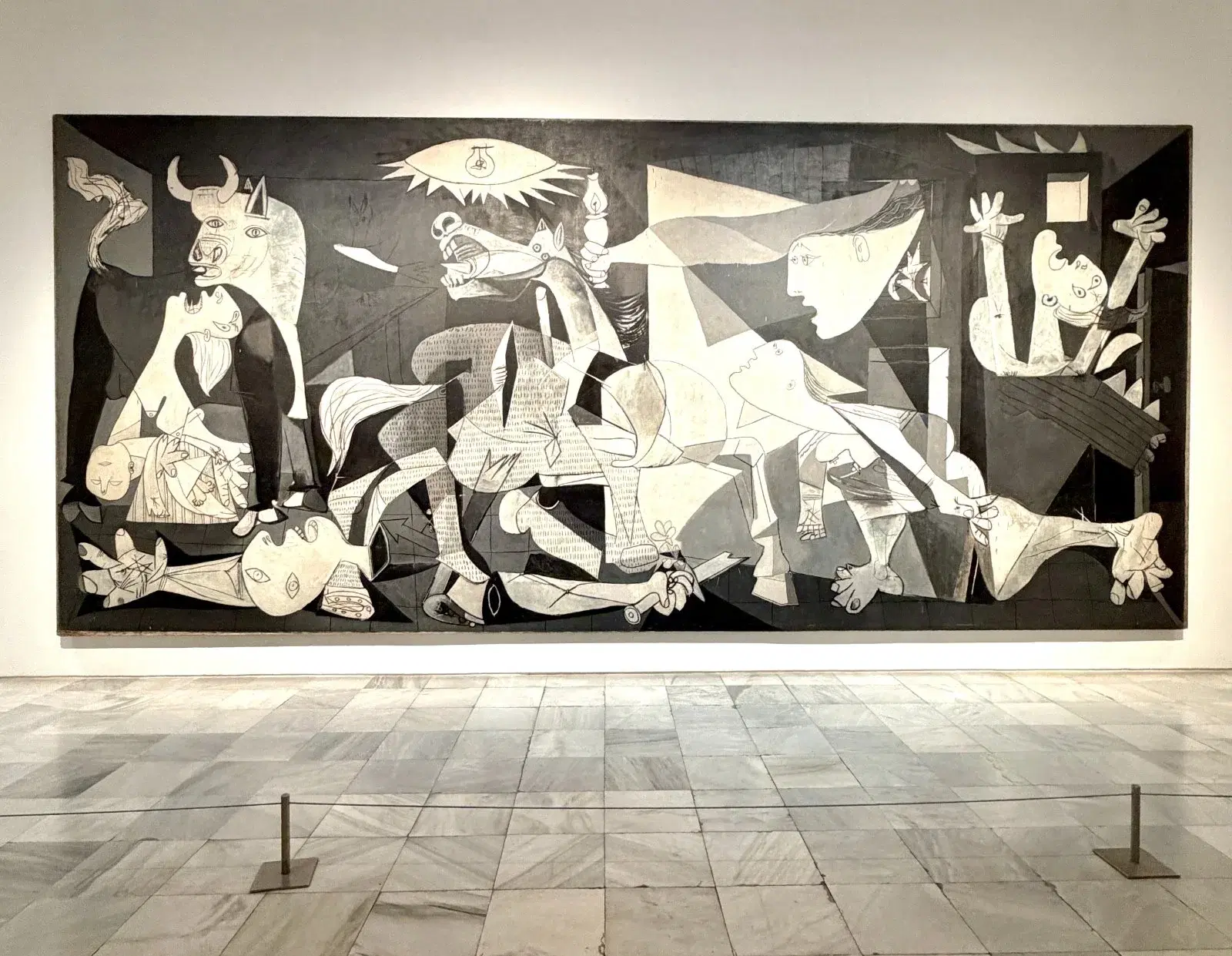
A horse screams in agony. A mother holds her dead child, crying upward. A fallen soldier lies broken. A bull watches. A lightbulb burns above like a cold, artificial sun.
Bodies are shattered. Space is distorted. There’s no ground, no sky — just chaos.
Pablo Picasso's Guernica is a monumental black, white, and grey painting that captures the horrors of the Nazi German bombing of the Basque town of Guernica on April 26, 1937, during the Spanish Civil War. The canvas explodes with fragmented figures: screaming women, a dead child, a dismembered soldier, a wounded horse, and a glaring bull, all rendered in Picasso's distinctive Cubist style. The stark monochrome palette amplifies the painting's sense of tragedy and despair, eschewing color to deliver a more immediate and powerful impact.
Beyond its immediate depiction of a horrific event, Guernica has become a universal symbol of the suffering caused by war and violence. Commissioned by the Spanish Republican government for the 1937 World's Fair in Paris, it served as a powerful indictment of fascism and a call for peace. The painting's impact was immediate and profound, solidifying Picasso's status as a political artist and cementing Guernica's place in the canon of modern art.
Picasso employed several artistic techniques to amplify the emotional weight of Guernica. The use of Cubist fragmentation reflects the shattered reality of the bombing, while the distorted and anguished figures express the trauma and pain inflicted upon the civilian population. The lack of color focuses the viewer's attention on the composition and the raw emotions conveyed. Guernica matters because it serves as a timeless reminder of the devastating consequences of war and a testament to the power of art to bear witness to historical atrocities and advocate for peace and justice. Its continued resonance speaks to its enduring power as a symbol of human suffering and resistance.
Spotlight
Pablo Picasso painted this in response to the bombing of the Basque town of Guernica during the Spanish Civil War.
But instead of showing the event literally, he creates something more universal:
No clear narrative, yet total emotional clarity
No color, amplifying the brutality — like a newspaper, like memory stripped bare
Symbols that still provoke debate:
The bull — brutality? Spain? The horse — the people? suffering? The lightbulb — technology? surveillance? destruction?
When asked what the painting meant, Picasso reportedly said: “This bull is a bull… this horse is a horse.” Meaning isn’t fixed — it’s felt.
Worth the trip
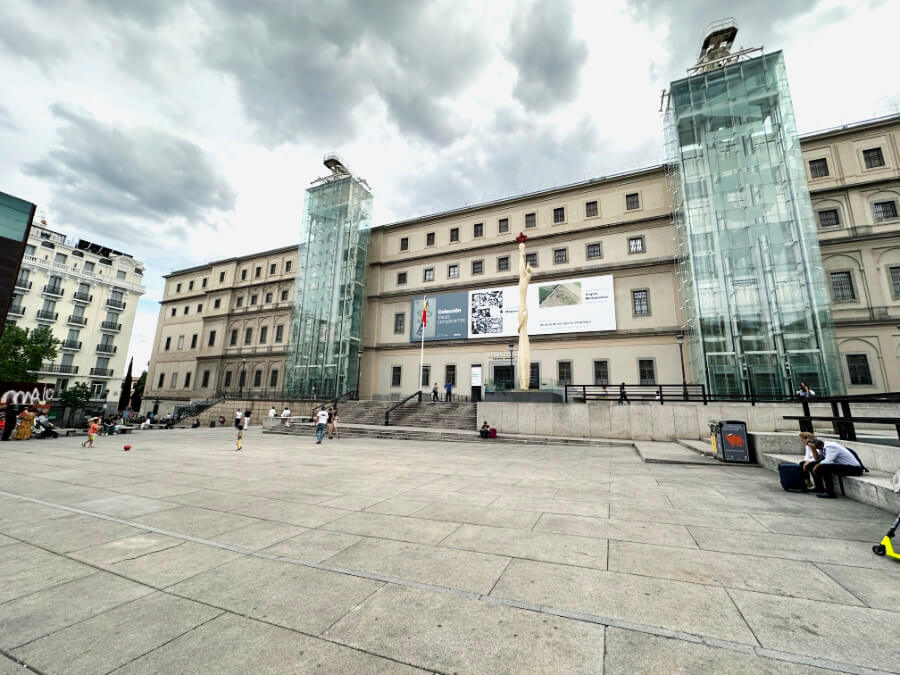
Because standing in front of it at the Museo Reina Sofía is overwhelming. It’s massive. It surrounds you. It doesn’t let you stay neutral. This isn’t just art — it’s a statement that still feels urgent today. If Artlovers is about traveling for what matters, this is one of those works that reminds you why art exists at all.
Until 2026, Guernica at the Museo Reina Sofía had a strict rule:
no photos. at all.
How to experience it
Start from far away - Let the scale hit you first. It’s not a painting — it’s a wall of impact.
Accept the confusion - There’s no single story. It’s meant to feel fragmented.
Stay in silence for a moment - It’s not just visual — it’s emotional. Let it land.
Artlovers tip
Just since 2026 you can take photos. But just because you can… doesn’t mean you should rush it. Take the photo. Sure. Then put your phone away. Afterwards, step back again. The second look hits differently.
Don’t stop here
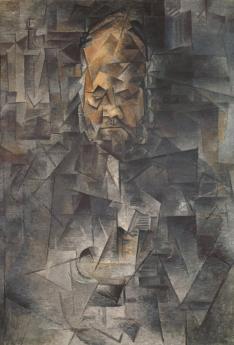
More to explore by Pablo Picasso
Keep exploring
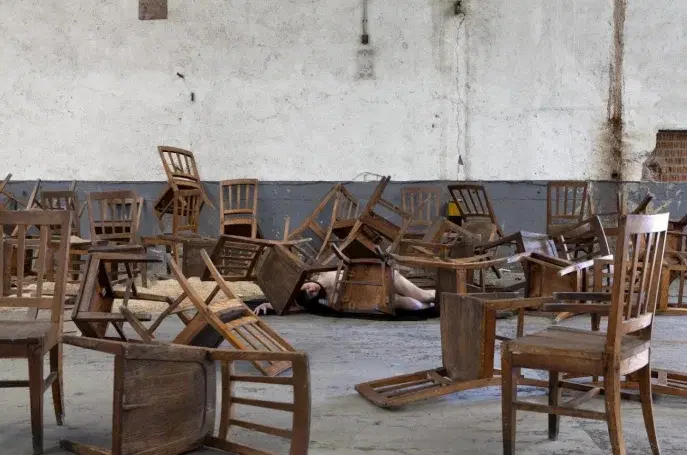
Ends soon
Ad Lucem
14 Mar – 9 May 2026
Blanca Berlín
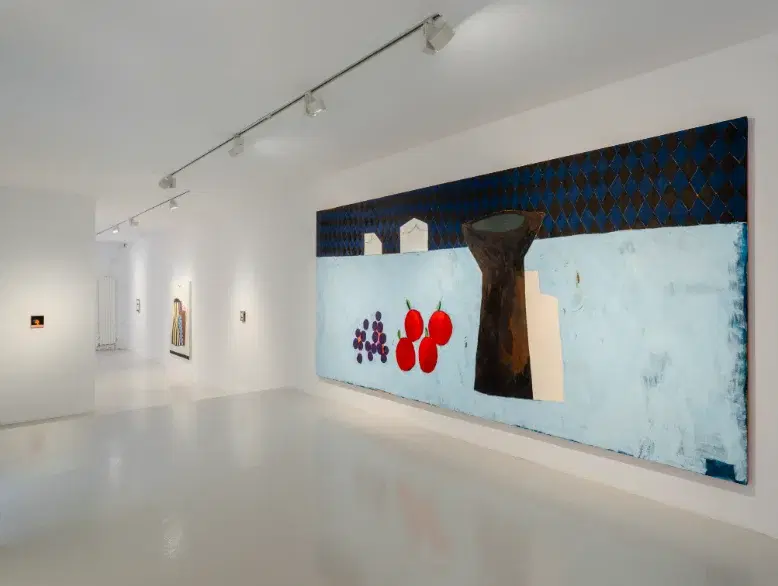
Ends soon
Ana Prata
5 Mar – 9 May 2026
Travesía Cuatro Madrid
Ends soon
Traversing the 20th Century
10 Feb – 10 May 2026
Museum ICO Madrid
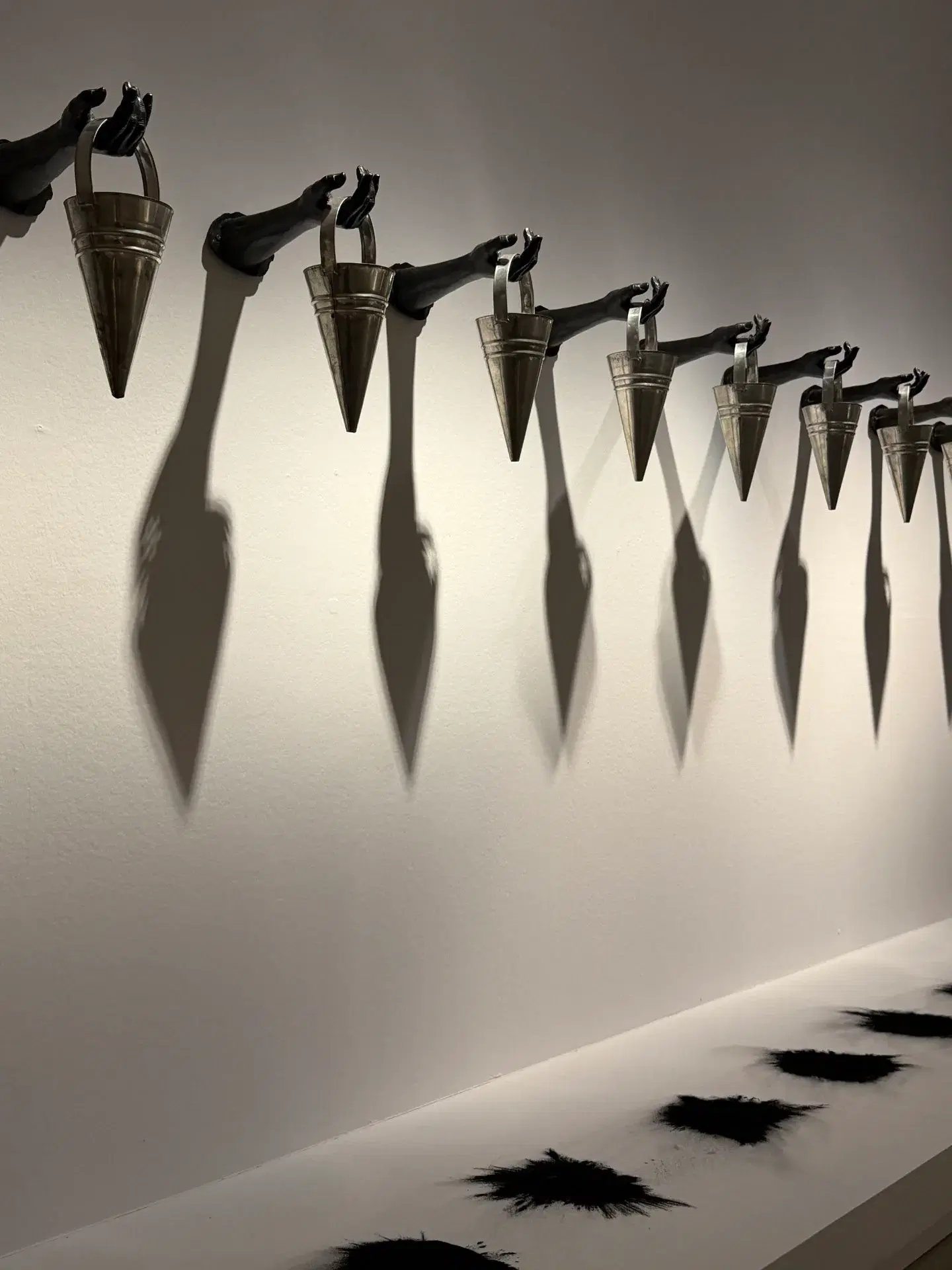
Ends soon
Journeying through the 20th Century
10 Feb – 10 May 2026
Museum ICO Madrid
Ends soon
Helen Levitt
19 Feb – 17 May 2026
Fundación Mapfre Sala Recoletos
Ends soon
Anders Zorn.
19 Feb – 17 May 2026
Fundación Mapfre Sala Recoletos
Space and Time
4 Mar – 23 May 2026
Casa de América
Eduardo Ponjuán. Ruy Lopez Opening
26 Feb – 23 May 2026
El Apartamento Madrid
Hyperrealist Madrid
16 Dec 2025 – 24 May 2026
Museum of History of Madrid
The Female Perspective
12 Jan – 24 May 2026
Museo Nacional del Prado