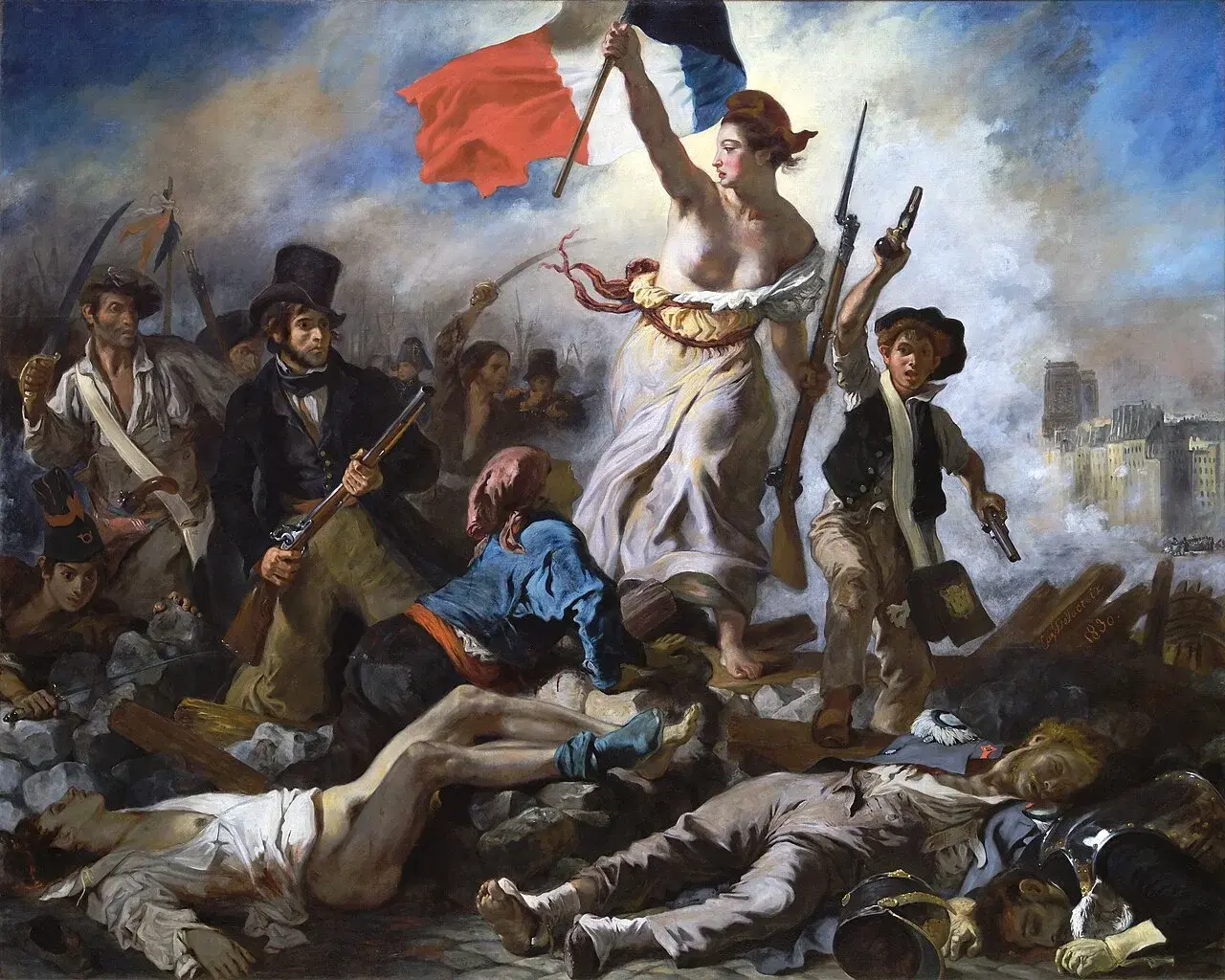
Liberty Leading the People
#16
She doesn’t walk — she leads a revolution
Meet the artist
EEugène Delacroix1798–1863French
Dates
1830
Specifications
- Original title
- Le 28 juillet 1830. La Liberté guidant le peuple
- Movement
- Romanticism
- Medium
- Oil Painting
- Genre
- Historical Painting
- Dimensions
- 260 × 325 cm
Wikimedia Commons
About the Artwork
Eugène Delacroix's *Liberty Leading the People*, an iconic masterpiece housed in the Louvre, vividly captures the spirit of the July Revolution of 1830. This wasn't just another historical painting; it was a bold statement by Delacroix, a leading figure of the Romantic movement, rejecting the rigid, academic style of the time in favor of freely brushed color and emotional intensity. The painting depicts a bare-breasted woman, personifying Liberty, fearlessly leading a diverse group of revolutionaries – a mix of bourgeoisie, students, and working-class citizens – over a barricade and fallen bodies. She carries the tricolor flag of France, symbolizing the revolution's ideals, and brandishes a bayonetted musket, embodying both freedom and force. The scene pulsates with the energy of rebellion and the fervent desire for change.
Beyond its immediate depiction of the revolution, *Liberty Leading the People* holds significant historical and symbolic weight. It marked a shift away from the Enlightenment and towards the Romantic era, embracing emotion and individualism. The figure of Liberty, wearing a Phrygian cap, became synonymous with Marianne, the symbol of France and the French Republic. The painting's impact extended beyond the art world, possibly influencing Victor Hugo's *Les Misérables*, with the character of Gavroche echoing the pistol-wielding boy in Delacroix's work. Its sometimes controversial nature even led to its temporary removal from public view, highlighting the painting's powerful message. Recent restoration efforts have revealed hidden details, like the grey and gold dress of Liberty and a previously obscured boot, adding new layers to our understanding of this pivotal work.
*Liberty Leading the People* is not only a historical document but also a testament to Delacroix's innovative artistic techniques. He skillfully uses light and shadow to create drama and focus attention on Liberty, the central figure. The loose brushstrokes and vibrant colors contribute to the painting's dynamic energy, contrasting with the detailed, precise style of earlier academic art. The composition, with its pyramidal structure and diagonal lines, draws the viewer's eye into the heart of the action.
Spotlight
Eugène Delacroix blends reality and symbolism:
- The scene is inspired by the July Revolution of 1830 in Paris
- Liberty (often associated with Marianne) is both real and mythological
- The mix of social classes sends a clear message: revolution belongs to everyone
And the boy with pistols? He later inspired Victor Hugo’s Gavroche in Les Misérables.
It’s propaganda, poetry, and painting — all at once.
Worth the trip
Because seeing it at the Louvre Museum feels electric.
It’s large, dynamic, almost cinematic. You don’t just see a revolution — you feel pulled into it.
And beyond history, it still resonates: freedom, resistance, collective action.
If Artlovers is about traveling for powerful ideas, this is one of the clearest visual symbols ever created.
How to experience it
Start from a distance - Let the full energy hit you — it’s about movement, not detail.
Lock onto Liberty - She’s your anchor. Everything radiates from her.
Follow the flag - Your eye moves upward — it’s intentional, almost like hope rising.
Then drop your gaze - Look at the bodies below. That contrast is the message.
Notice the people - Different classes, same fight — it’s a collective scene.
Move closer for expressions - Faces, gestures, tension — it becomes human.
Step back again - Reconnect emotion + composition.
Artlovers tip
Think of it as a still from a film — not the beginning, not the end… but the exact moment everything changes.
Like People Have the Power by Patti Smith, Liberty Leading the People feels like a visual anthem — the moment when the people rise and history shifts.
Same feeling, different artists
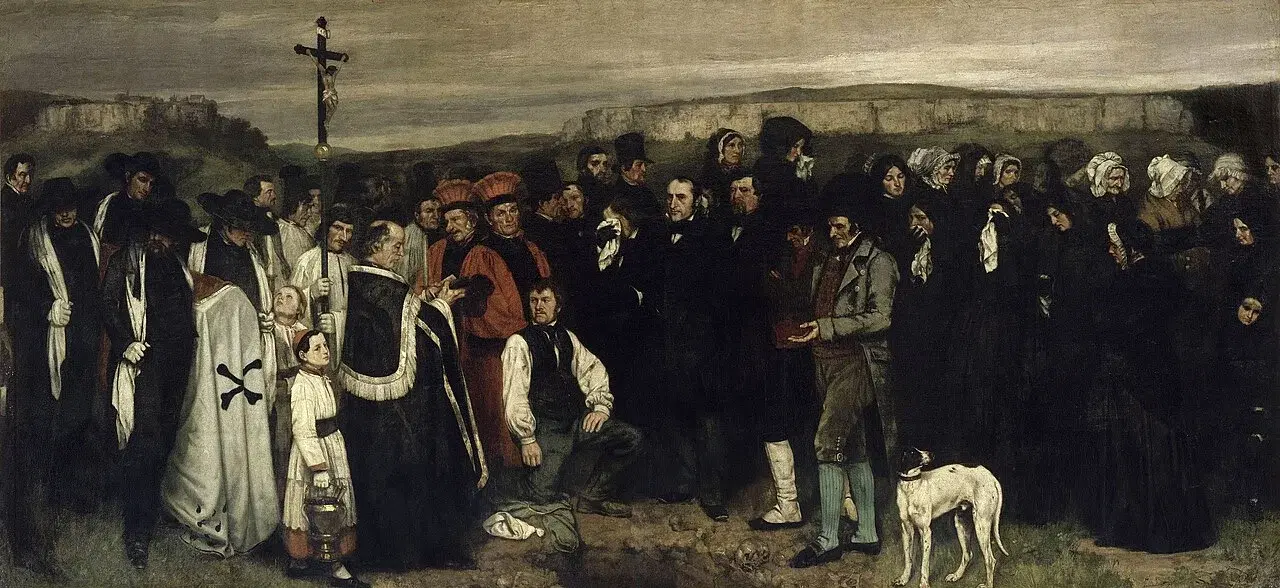
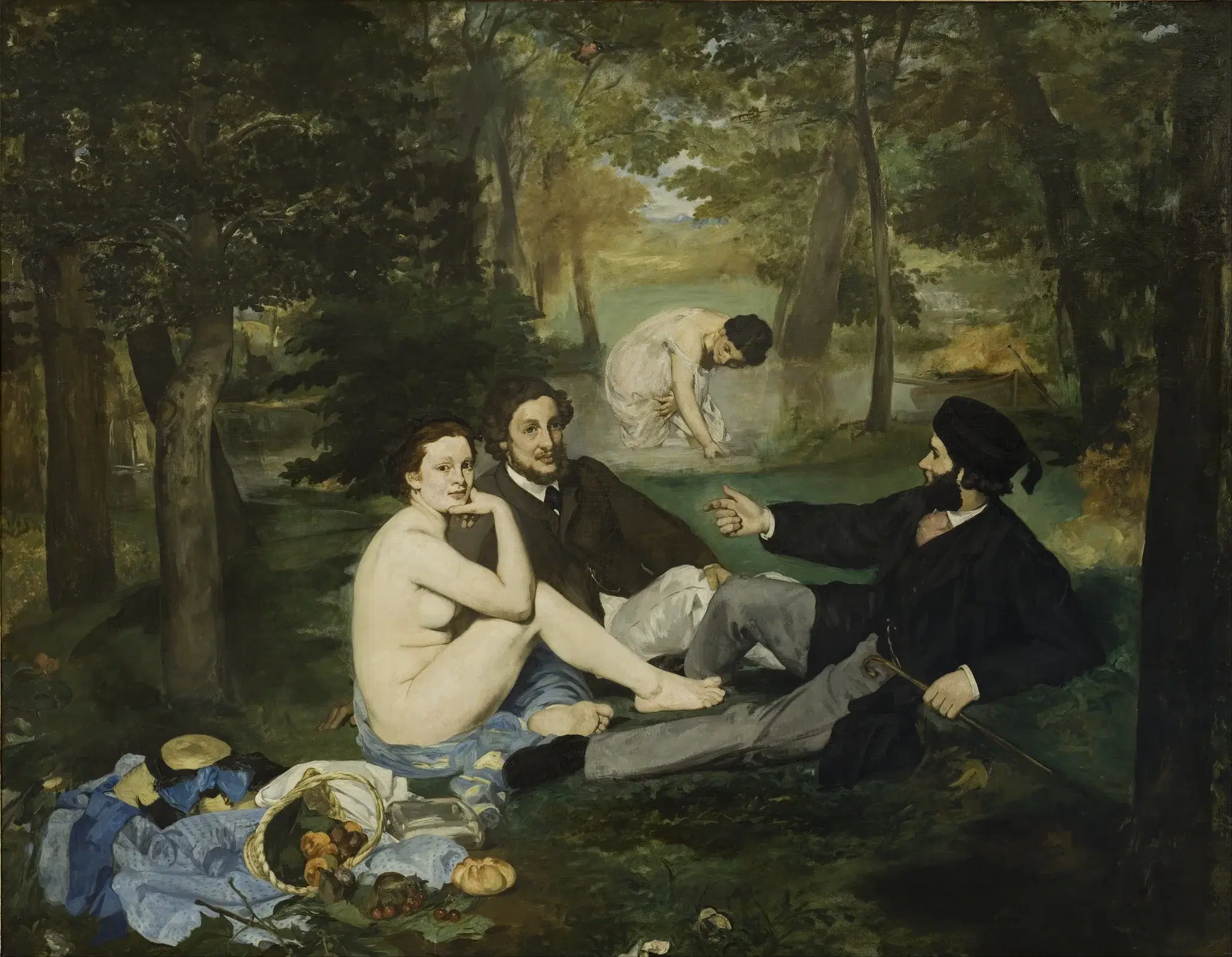
Similar Works by Other Artists
Keep exploring
Ends soon
Northern Light
Musée d’Orsay
Martin Parr. Global warning
30 Jan – 24 May 2026
Jeu de Paume
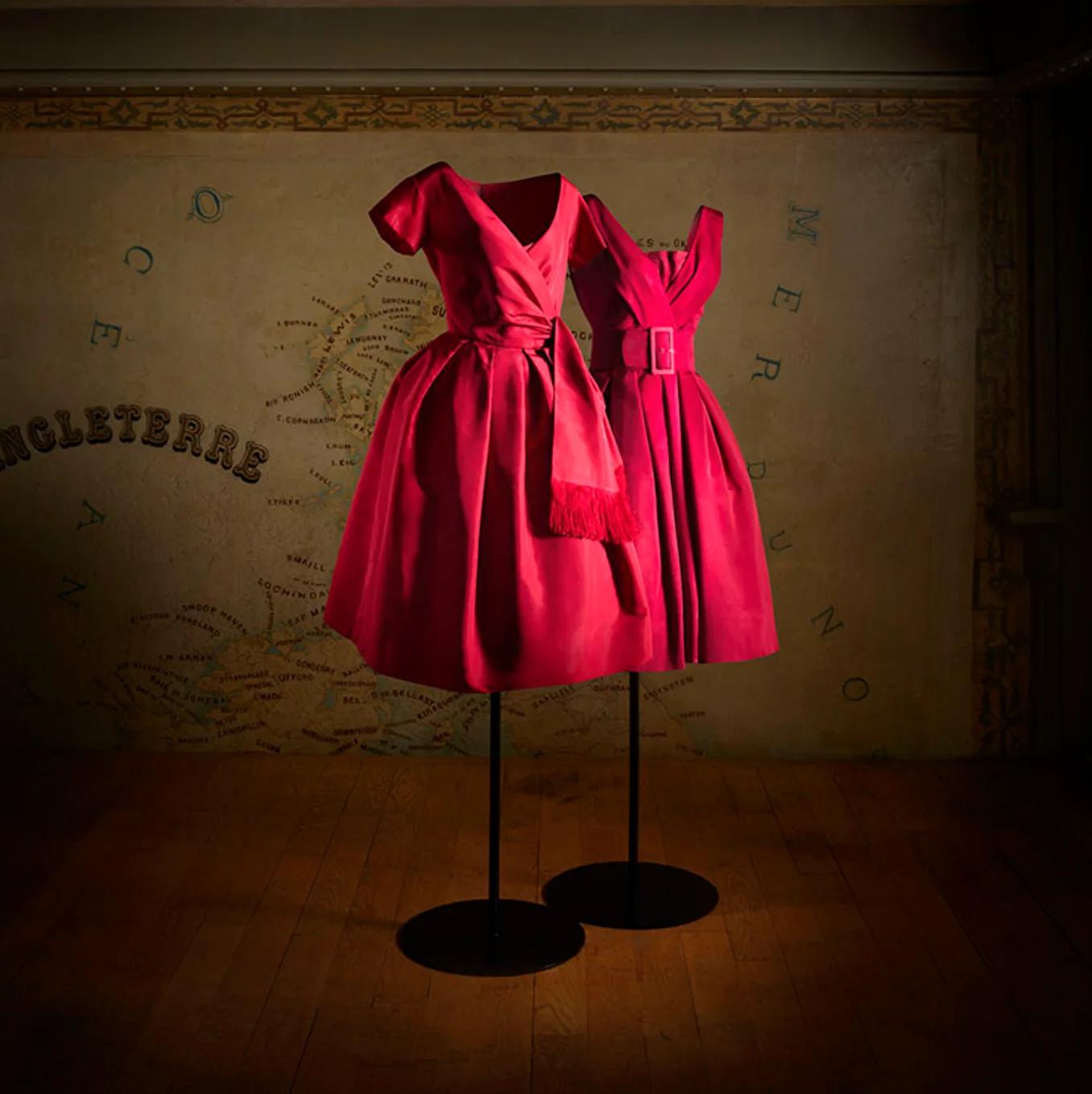
Azzedine Alaïa and Christian Dior, two masters of haute couture
12 Dec 2025 – 24 May 2026
Fondation Azzedine Alaïa
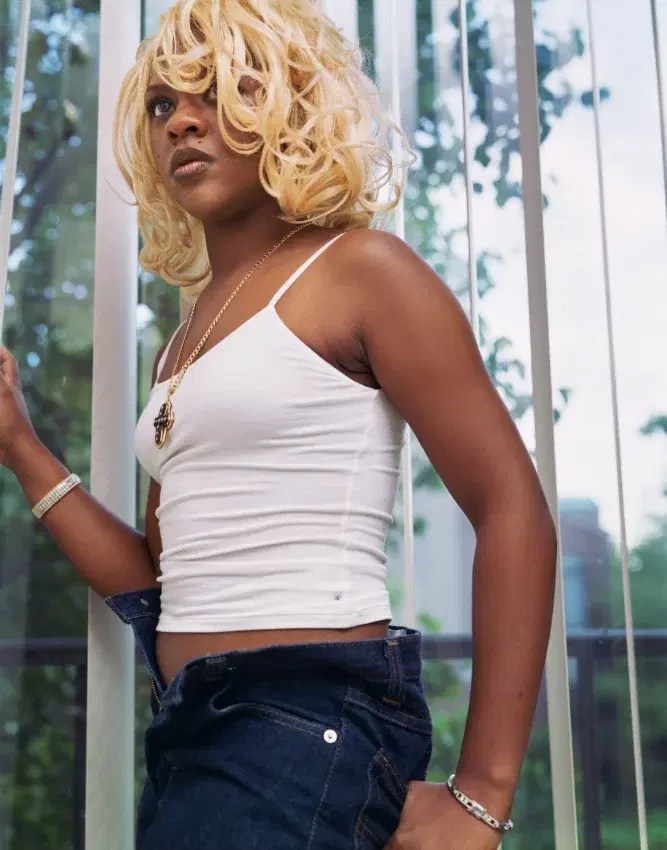
Dana Lixenberg. American Images
11 Feb – 24 May 2026
MEP – Maison Européenne de la Photographie
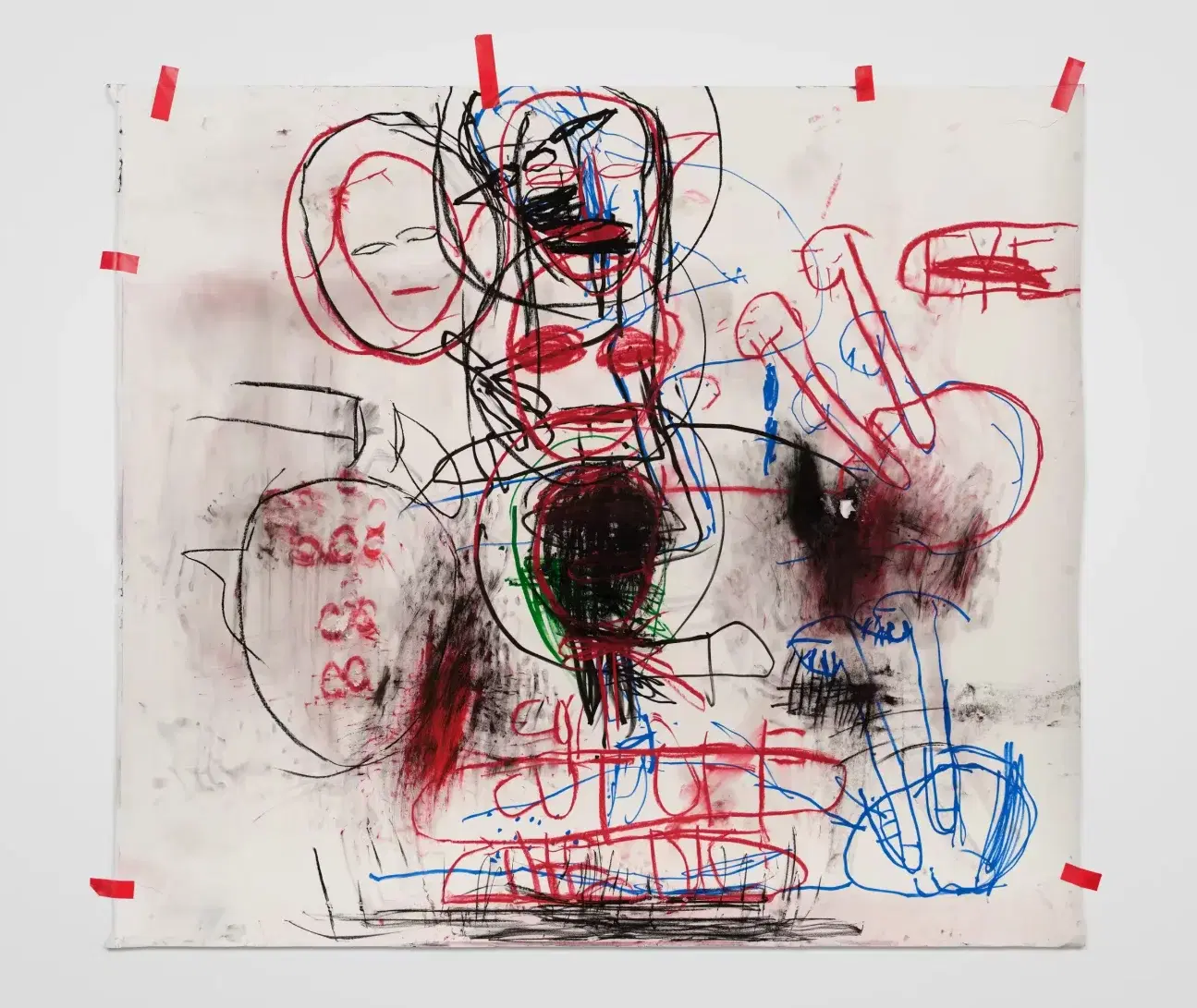
Paul McCarthy
21 Mar – 30 May 2026
Hauser & Wirth Paris
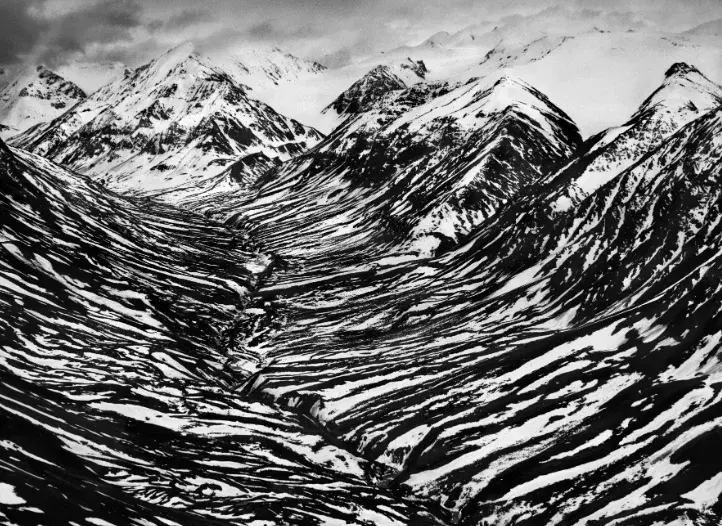
Sebastião Salgado
21 Feb – 30 May 2026
Hôtel de Ville
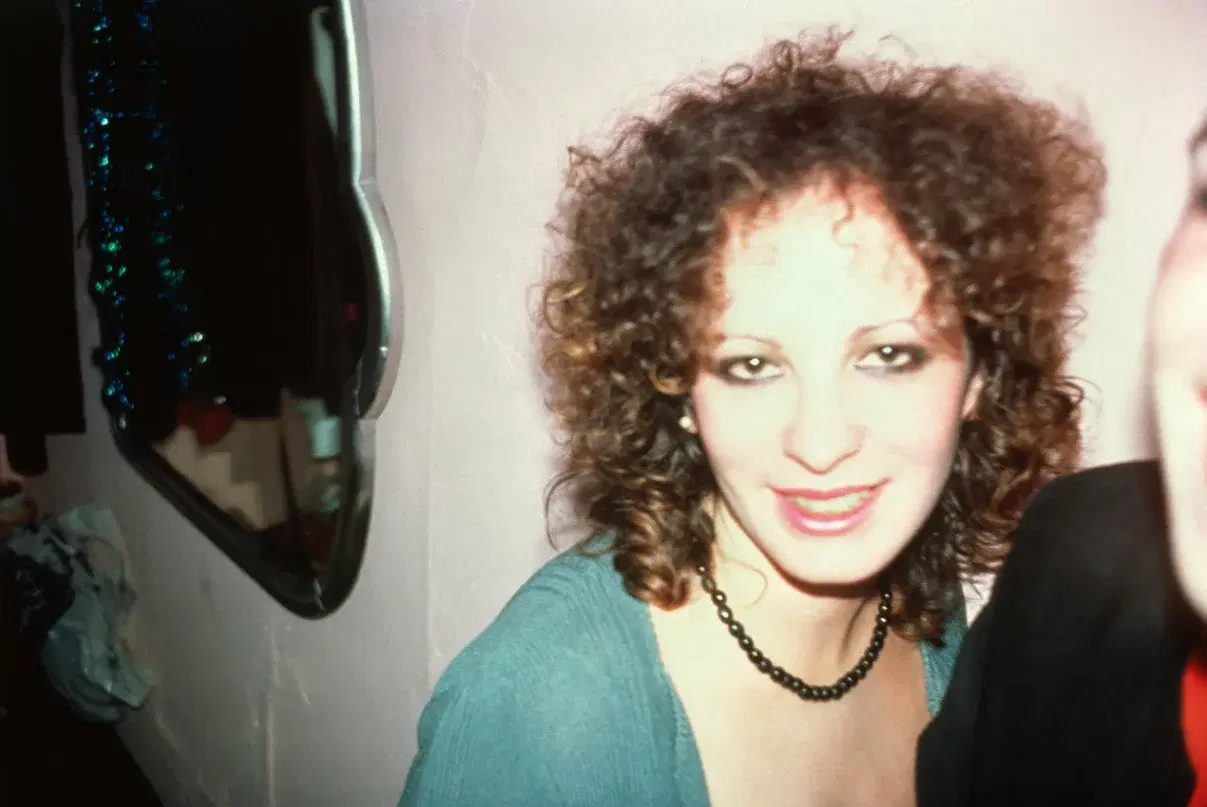
Nan Goldin
18 Mar – 21 Jun 2026
Grand Palais Paris
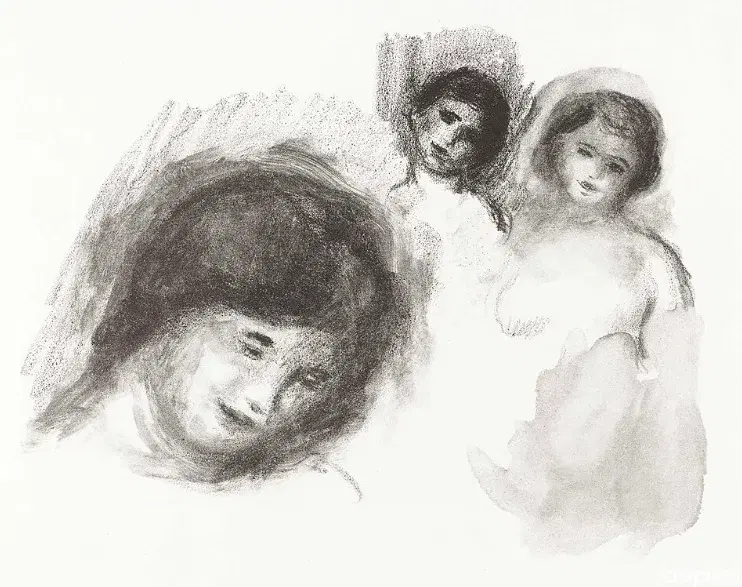
Renoir Drawings
17 Mar – 5 Jul 2026
Musée d’Orsay
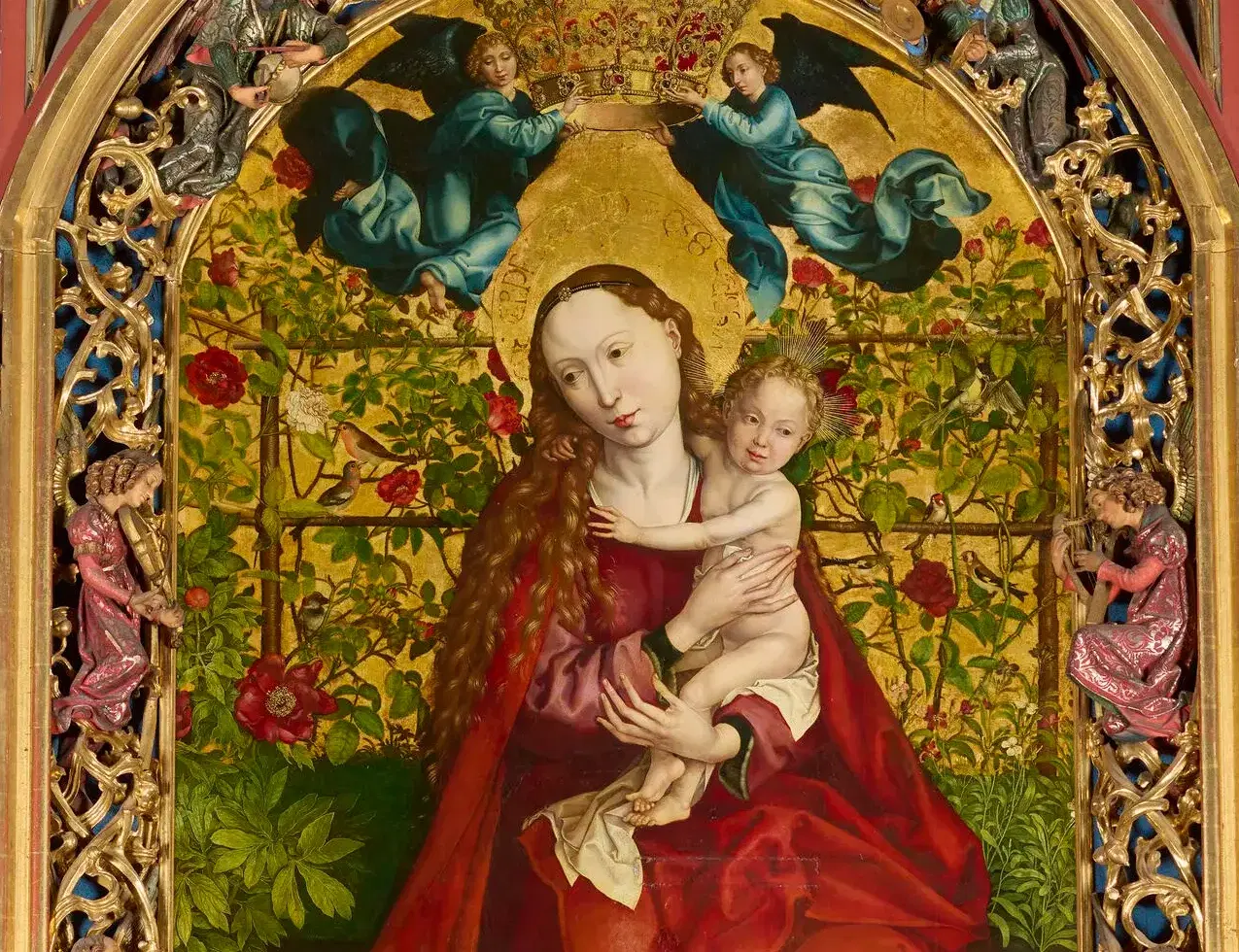
Martin Schongauer
8 Apr – 20 Jul 2026
Louvre Museum
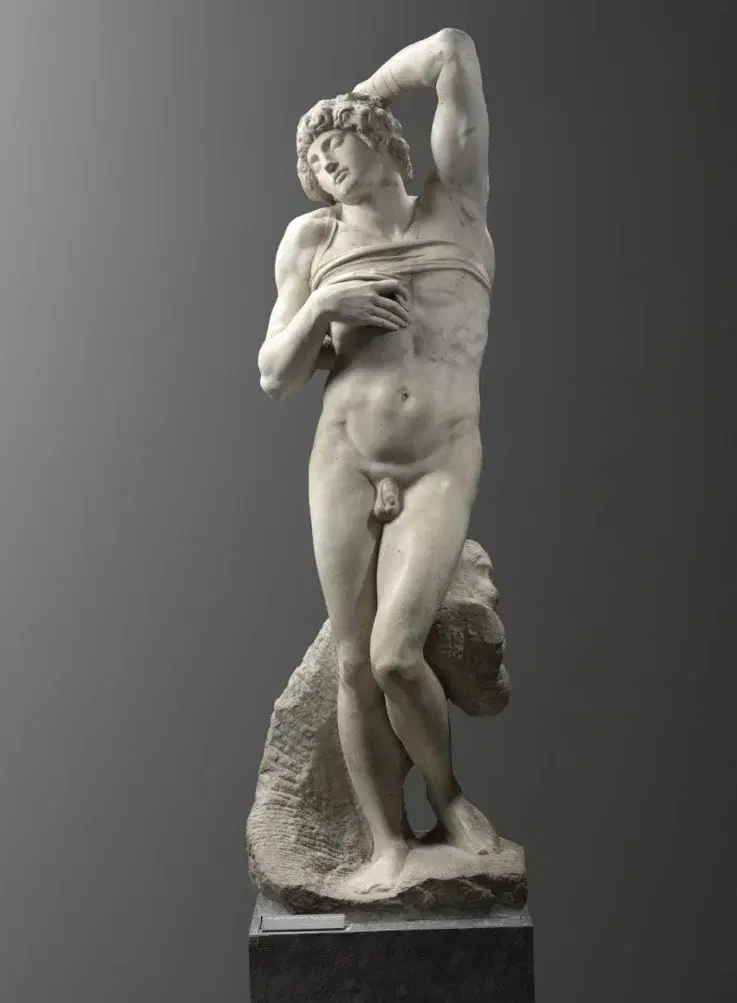
Michelangelo and Rodin
15 Apr – 20 Jul 2026
Louvre Museum