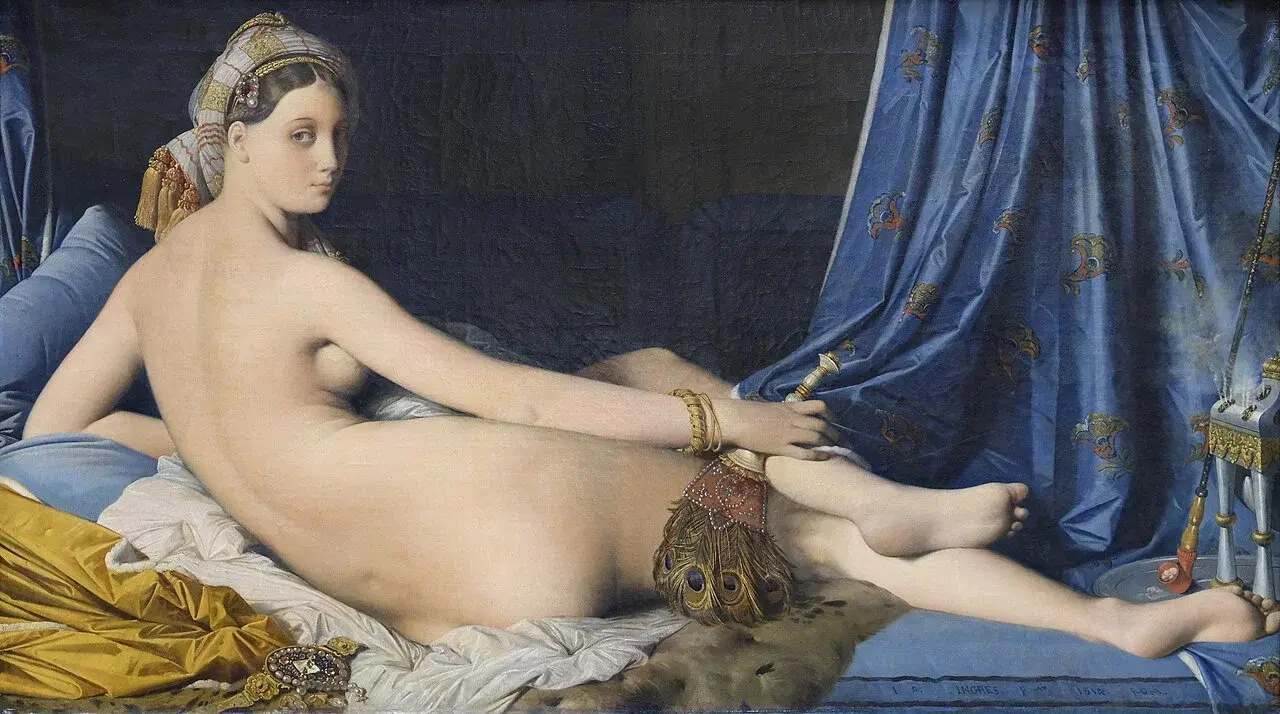
Grande Odalisque
#81
Meet the artist
JJean-Auguste-Dominique Ingres1780–1867French
Dates
1814
Specifications
- Original title
- La Grande Odalisque
- Dimensions
- 91 × 162 cm
Wikimedia Commons
About the Artwork
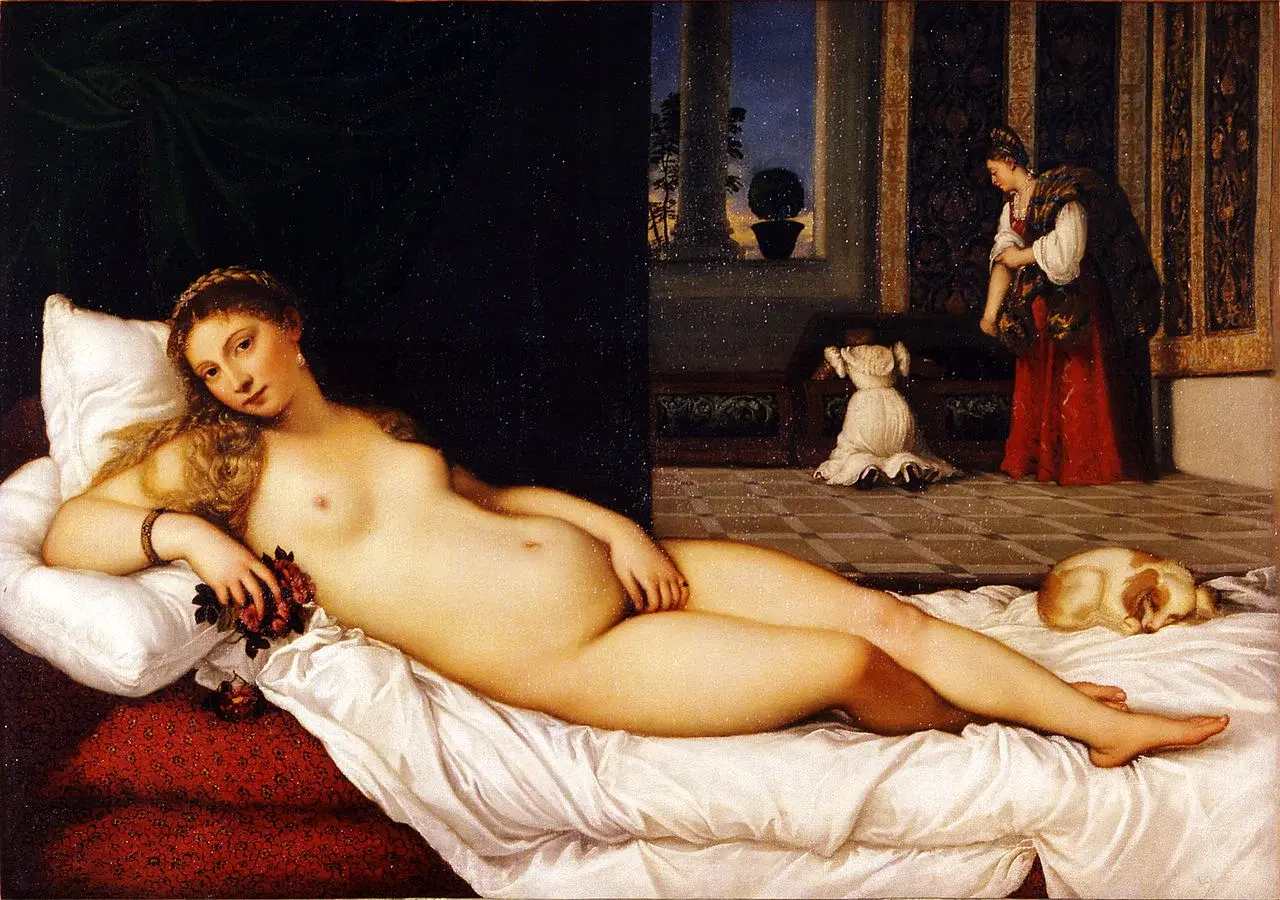
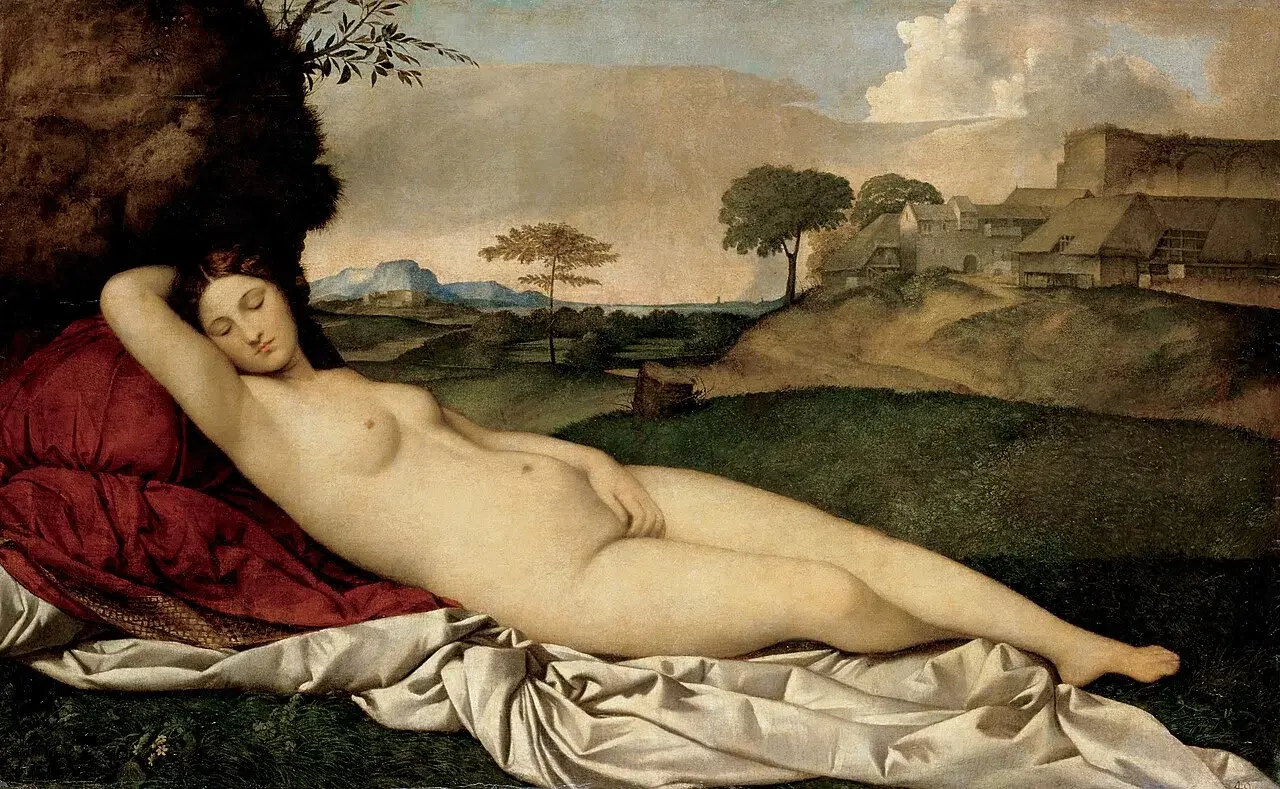
Jean-Auguste-Dominique Ingres's "Grande Odalisque," painted in 1814, is a provocative depiction of a reclining odalisque, a concubine, that caused a stir among Ingres' contemporaries. Commissioned by Napoleon Bonaparte's sister, Queen Caroline Murat of Naples, the painting exemplifies a shift away from strict Neoclassicism and towards a more exotic and sensual Romanticism. While Ingres drew inspiration from classical nudes like Giorgione's "Dresden Venus" and Titian's "Venus of Urbino," as well as Jacques-Louis David's "Portrait of Madame Récamier" for the pose, the "Grande Odalisque" deviates significantly, embracing a languid pose and distorted proportions that immediately set it apart.
The painting's historical significance lies in its audacious departure from academic norms. Ingres daringly manipulated anatomy, elongating the figure's back, limbs, and pelvis to achieve a heightened sense of sensuality and elegance. This deliberate distortion, rather than being a mere error, reflects Ingres's fascination with Mannerist artists like Parmigianino, known for similar anatomical exaggerations. The cool color palette and abundance of light further contribute to the painting's dreamlike quality, softening the figure's volume. The initial harsh criticism accusing Ingres of disregarding anatomical realism ultimately solidified the artwork as a rebellious statement and a key moment in the transition from Neoclassicism to Romanticism. The subject's gaze is also noted to be important as it is not just a painting of a sensual concubine, but also a complex psychological make-up of a woman's thoughts and feelings.
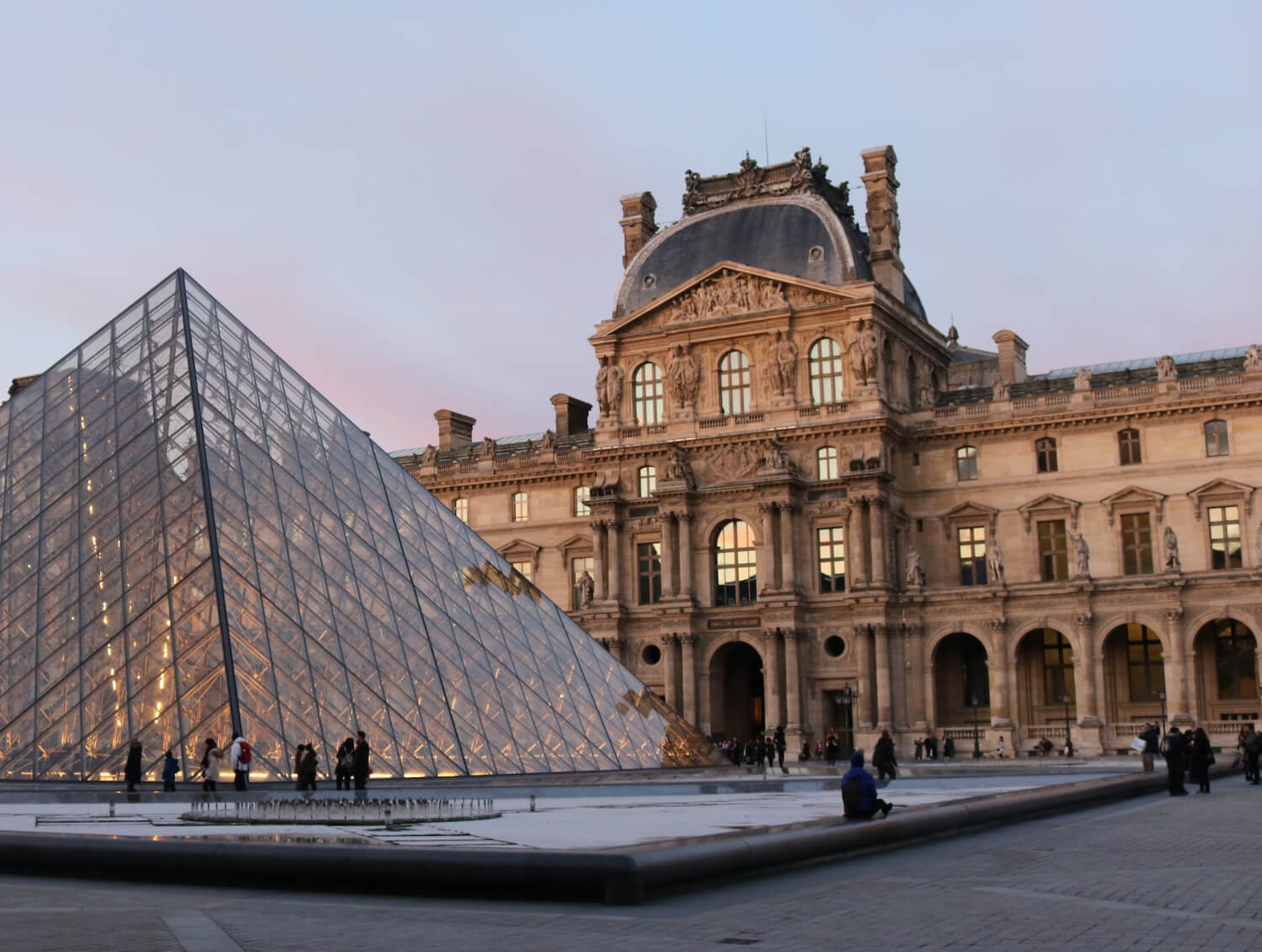
Ingres's artistic techniques are particularly noteworthy. His emphasis on long, flowing lines creates a sense of curvature and grace, while the smooth application of paint and even lighting emphasize the figure's ethereal beauty. The odalisque's opulent surroundings, including the luxurious fabrics and peacock fan, further enhance the painting's exotic appeal. "Grande Odalisque" matters because it challenged artistic conventions, embraced subjective beauty over anatomical accuracy, and paved the way for future generations of artists to explore new forms of expression. Its enduring influence is evident in numerous reinterpretations, from pop art pastiches to feminist critiques, cementing its place as a pivotal work in art history. The painting can be found at the Louvre Museum in Paris.
How to experience it
look at the impossible back and polished coolness together
Don’t stop here
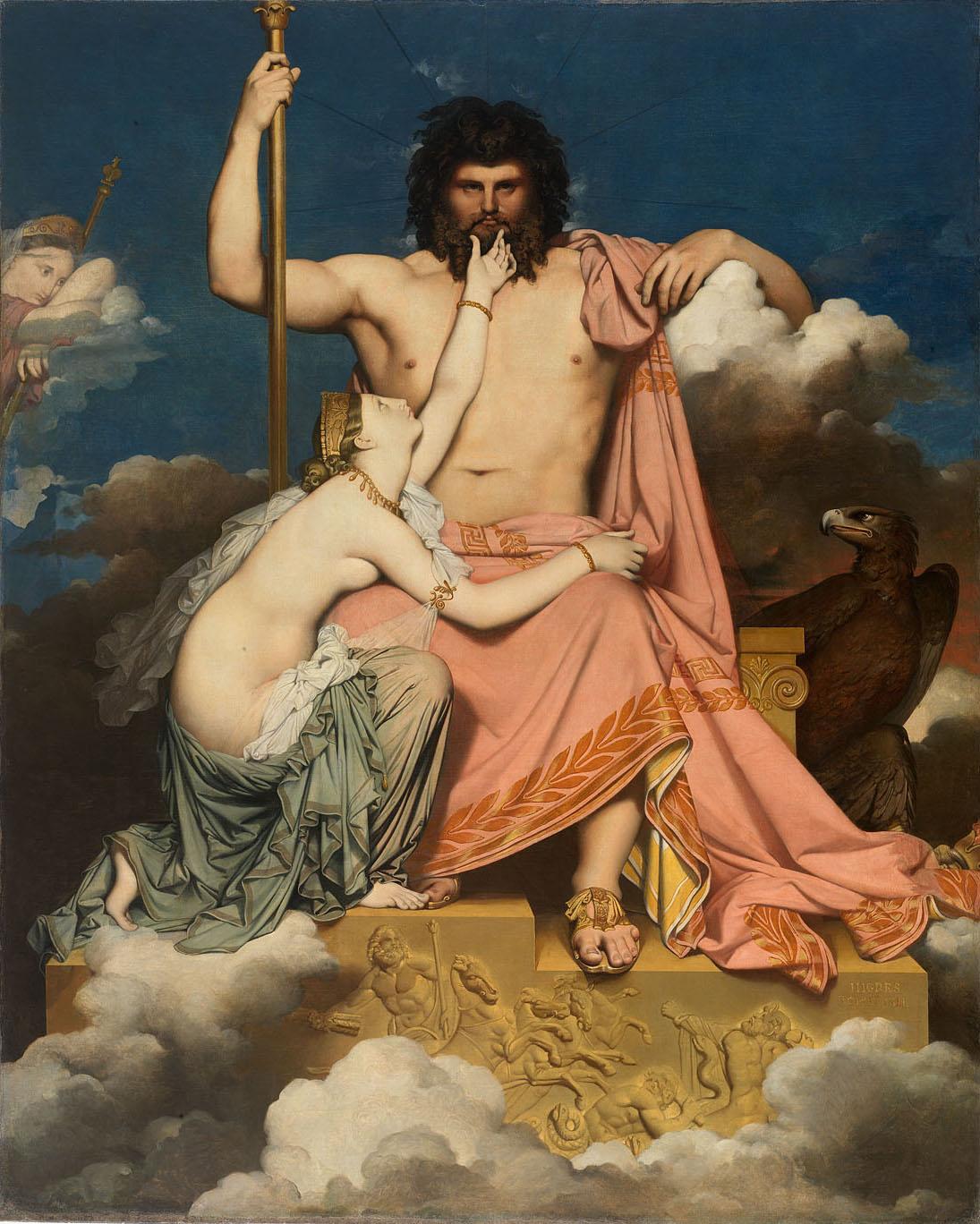
More to explore by Jean-Auguste-Dominique Ingres
Same feeling, different artists
Similar Works by Other Artists
Keep exploring
Ends soon
Northern Light
Musée d’Orsay

Martin Parr. Global warning
30 Jan – 24 May 2026
Jeu de Paume
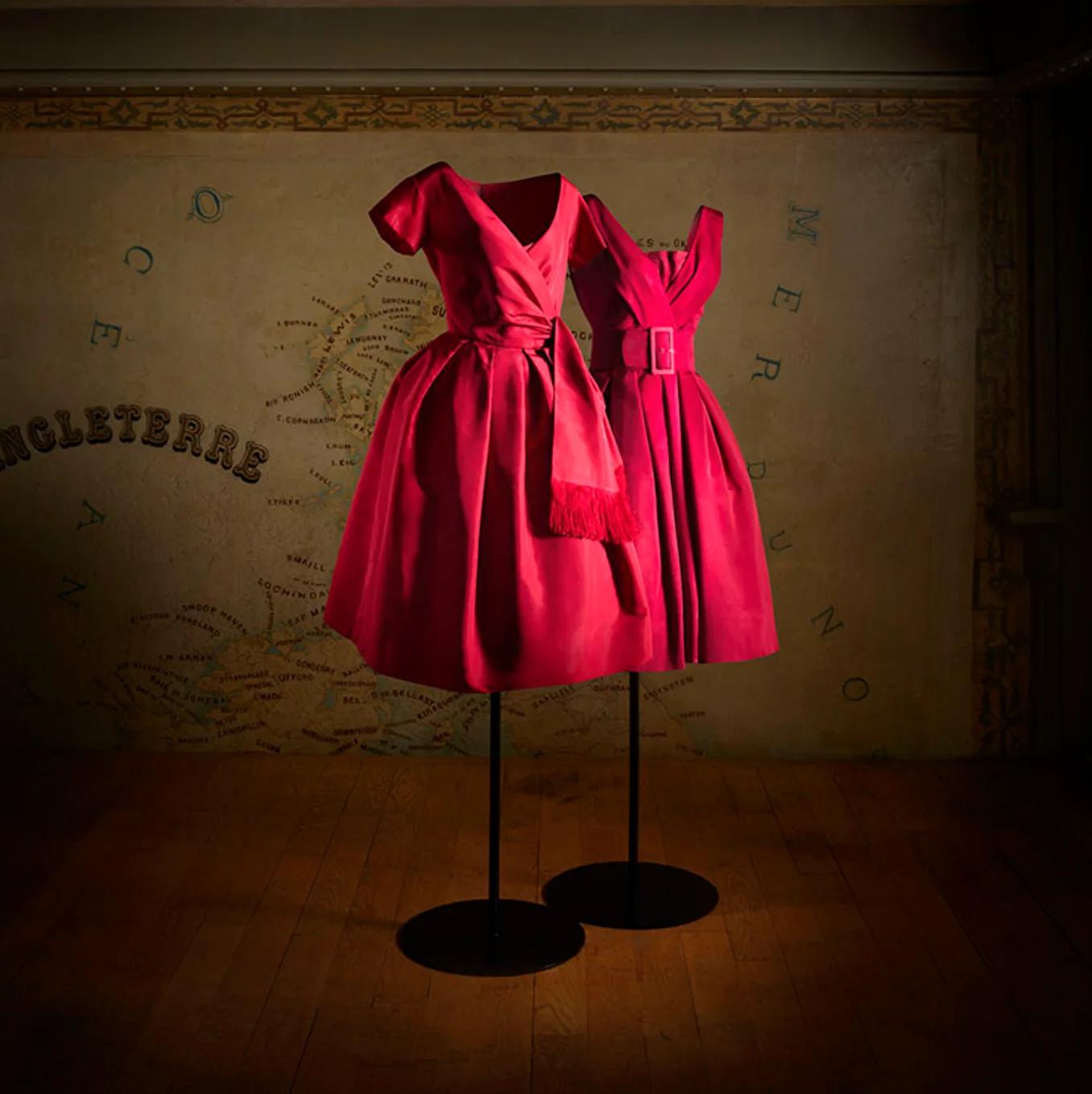
Azzedine Alaïa and Christian Dior, two masters of haute couture
12 Dec 2025 – 24 May 2026
Fondation Azzedine Alaïa

Dana Lixenberg. American Images
11 Feb – 24 May 2026
MEP – Maison Européenne de la Photographie

Paul McCarthy
21 Mar – 30 May 2026
Hauser & Wirth Paris

Sebastião Salgado
21 Feb – 30 May 2026
Hôtel de Ville

Nan Goldin
18 Mar – 21 Jun 2026
Grand Palais Paris
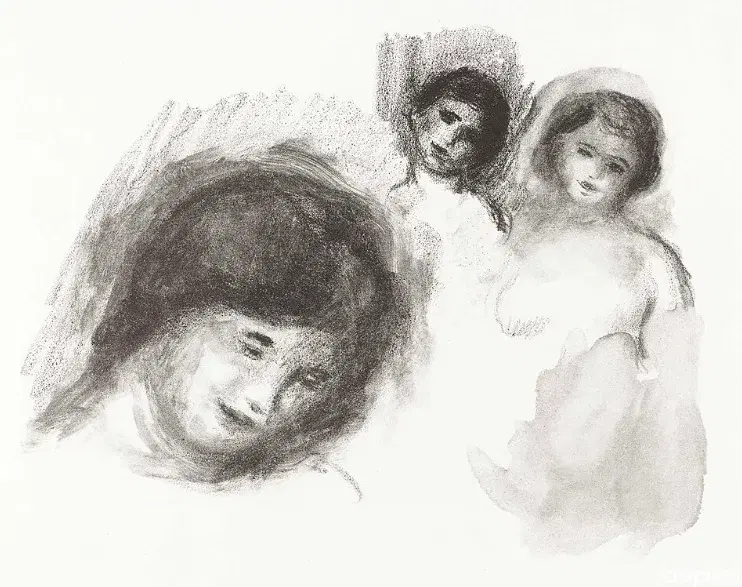
Renoir Drawings
17 Mar – 5 Jul 2026
Musée d’Orsay
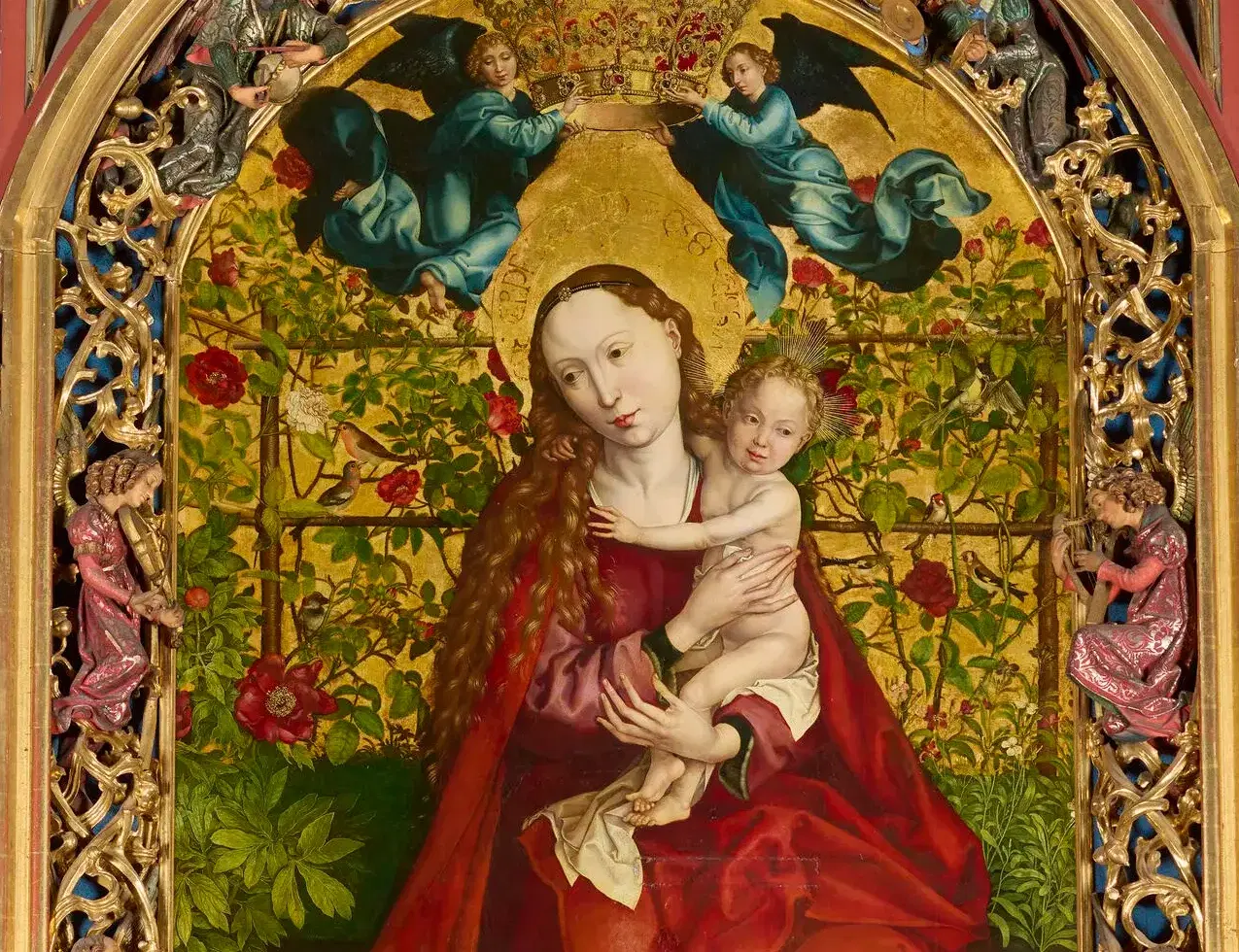
Martin Schongauer
8 Apr – 20 Jul 2026
Louvre Museum
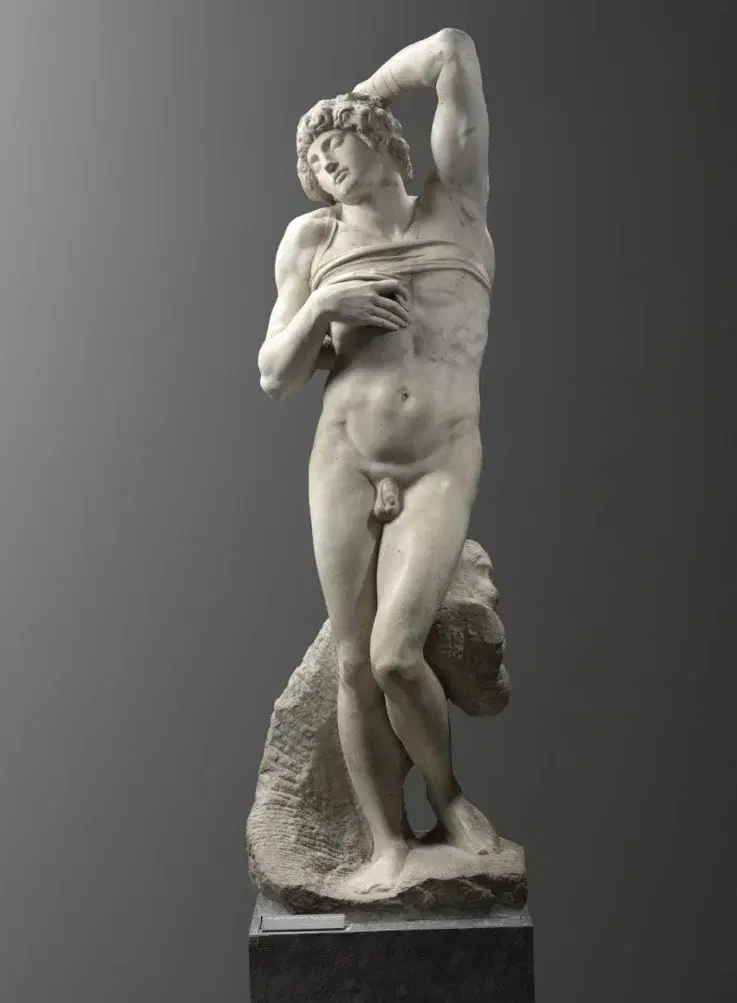
Michelangelo and Rodin
15 Apr – 20 Jul 2026
Louvre Museum