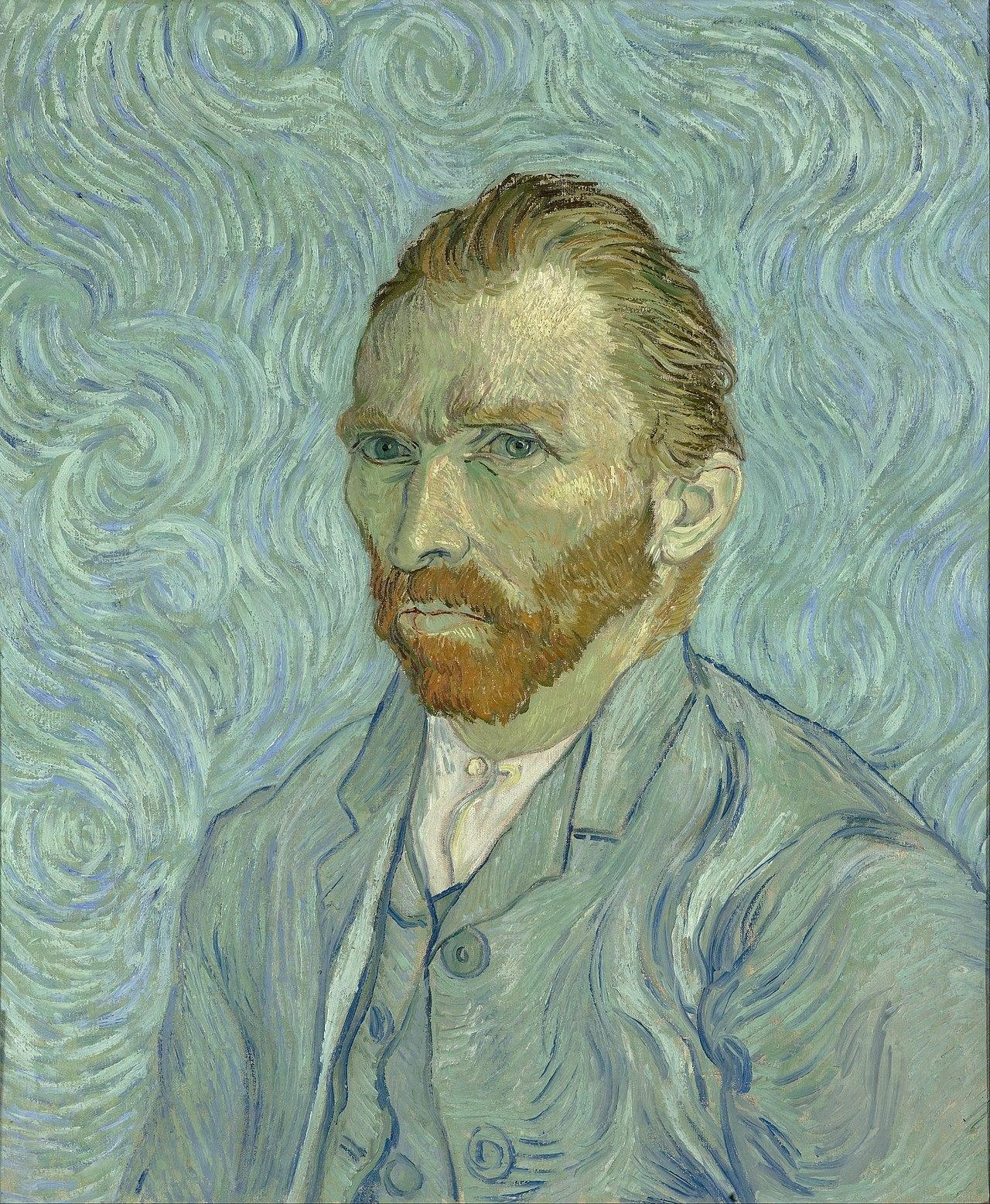
Self-Portrait (1889)
Meet the artist
Vincent van Gogh1853–1890Dutch
Dates
1889
Specifications
- Movement
- Post-Impressionism
- Medium
- Oil Painting
- Genre
- Portrait, Self-Portrait
About the Artwork
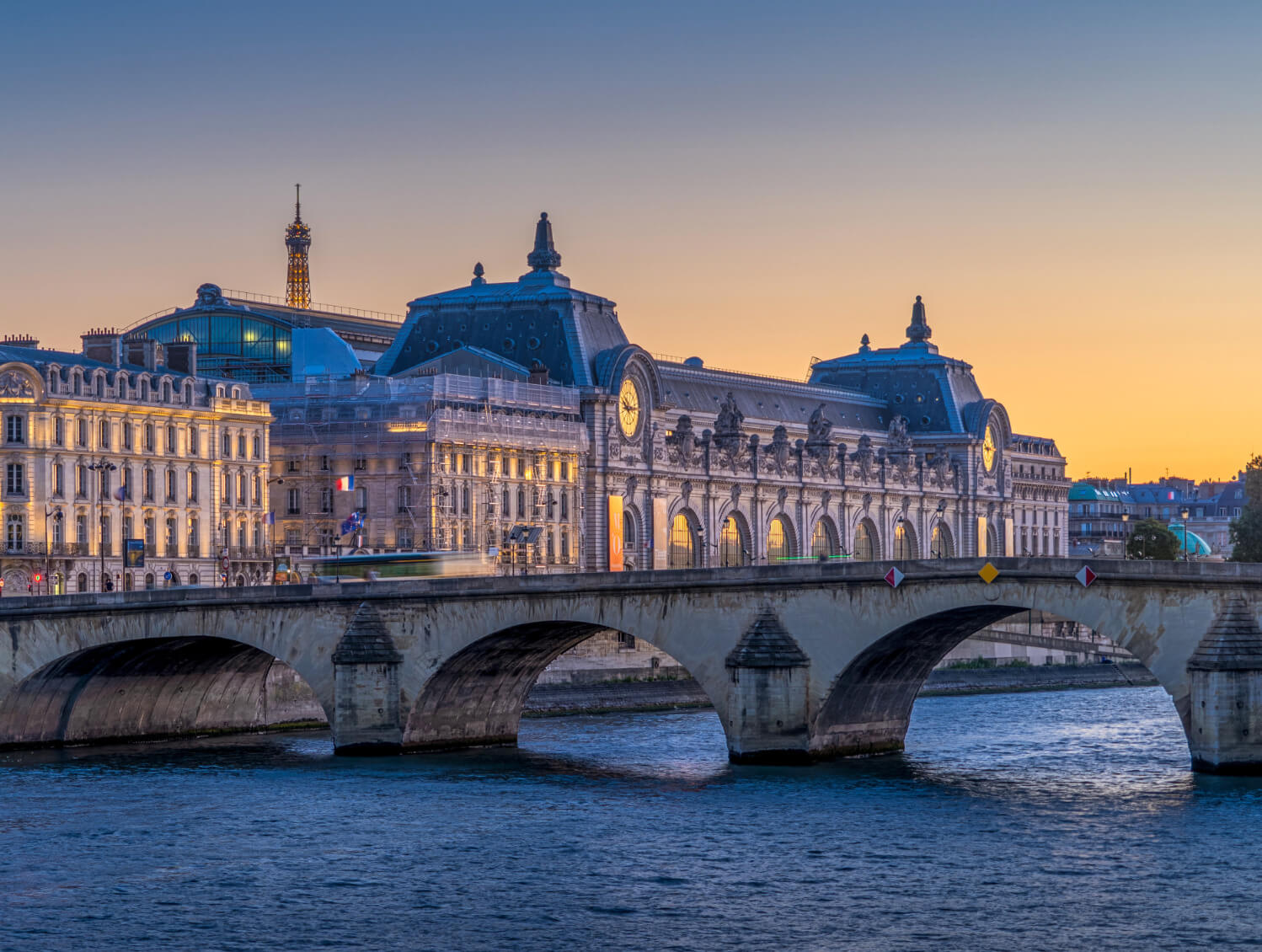
Van Gogh painted this self-portrait in September 1889 while a voluntary patient at the Saint-Paul-de-Mausole asylum in Saint-Rémy-de-Provence, where he had admitted himself following his breakdown in Arles. It is one of approximately thirty-two self-portraits he produced over his career, many of them painted because he could not afford to pay for models. Oil on canvas measuring 65 × 54 cm, the work shows the artist in three-quarter view, gazing steadily outward against a background of agitated, swirling brushwork in shades of blue and blue-green — a visual texture that has become one of the most recognizable signatures in all of Western art.\n\nThe composition is remarkable for its psychological intensity. The swirling background seems to express an inner turbulence that the composed, steady expression of the face holds in check — or perhaps barely contains. Van Gogh took the painting with him when he left Saint-Rémy for Auvers-sur-Oise in May 1890, and showed it to Dr. Paul Gachet, who reportedly described it as absolutely fanatical. It may be van Gogh's final self-portrait, though art historians continue to debate this distinction. Now held at the Musée d'Orsay in Paris, the work is among the most celebrated in the museum's collection.
Don’t stop here
More to explore by Vincent van Gogh
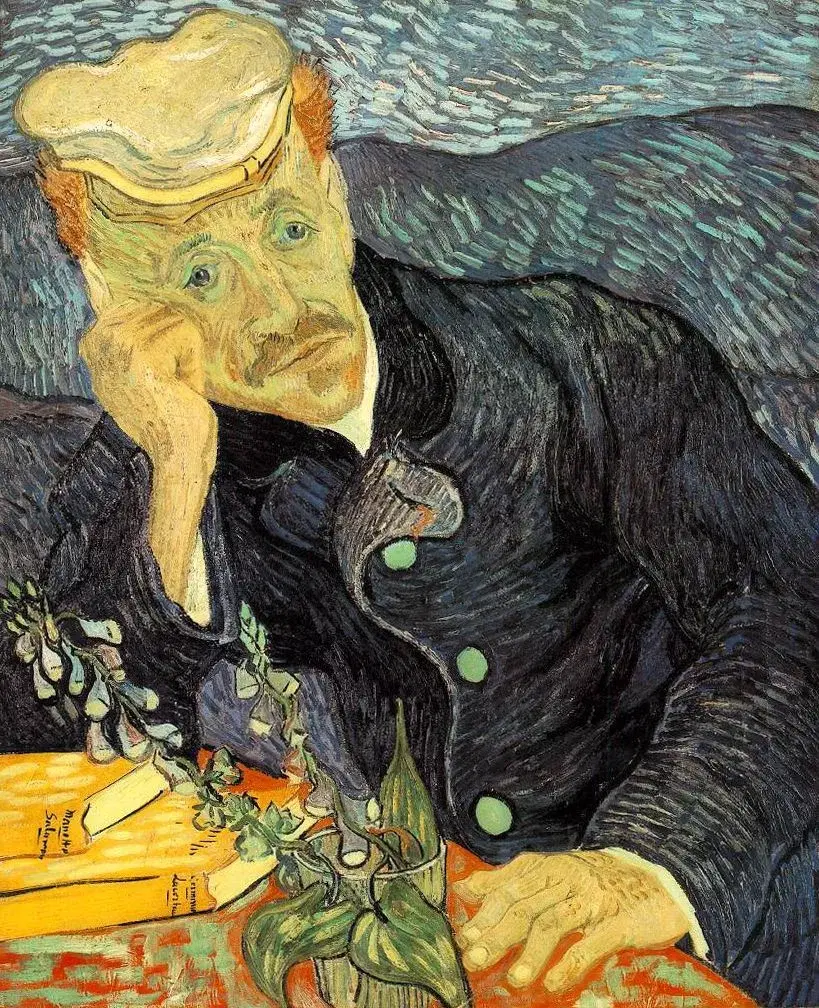
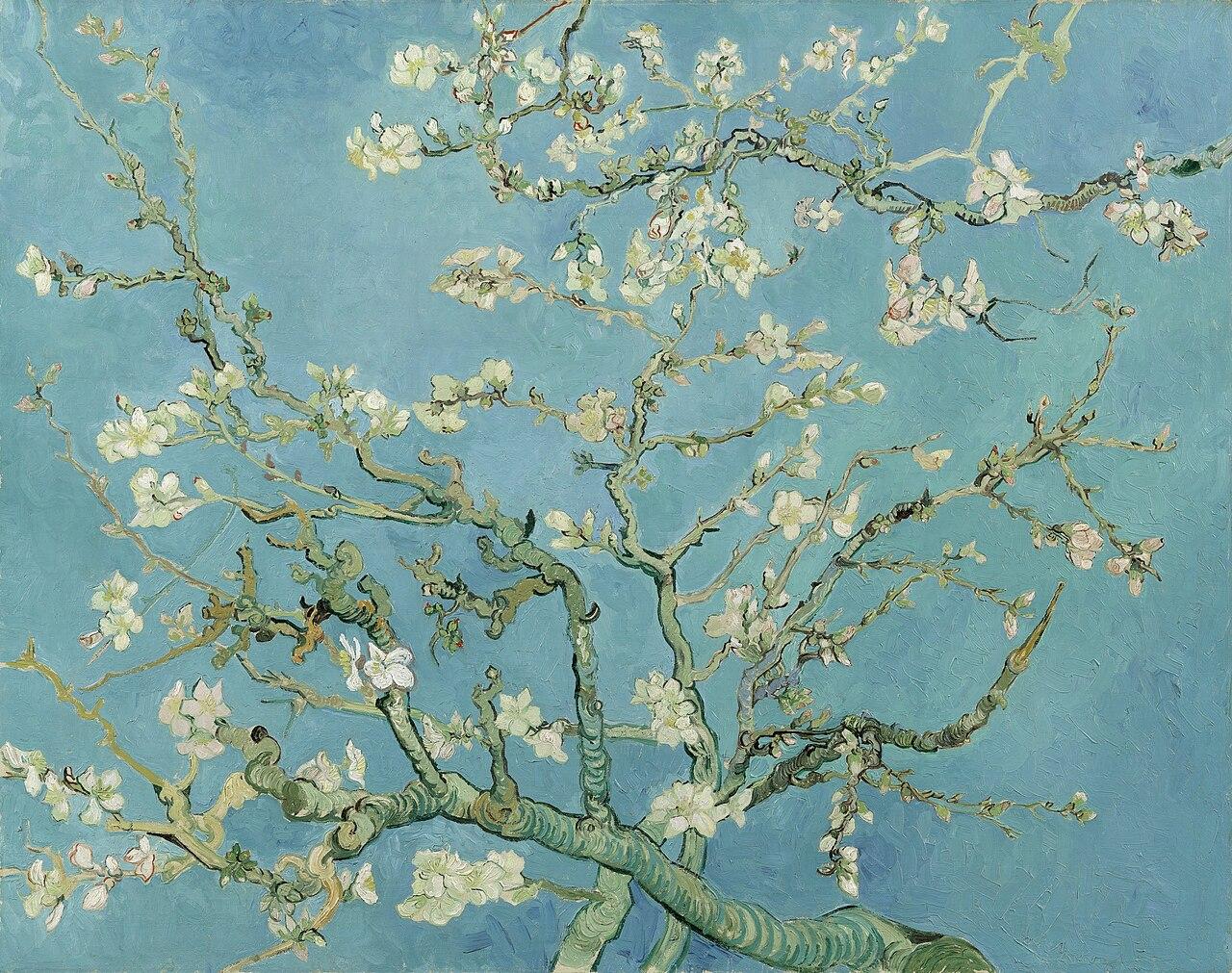
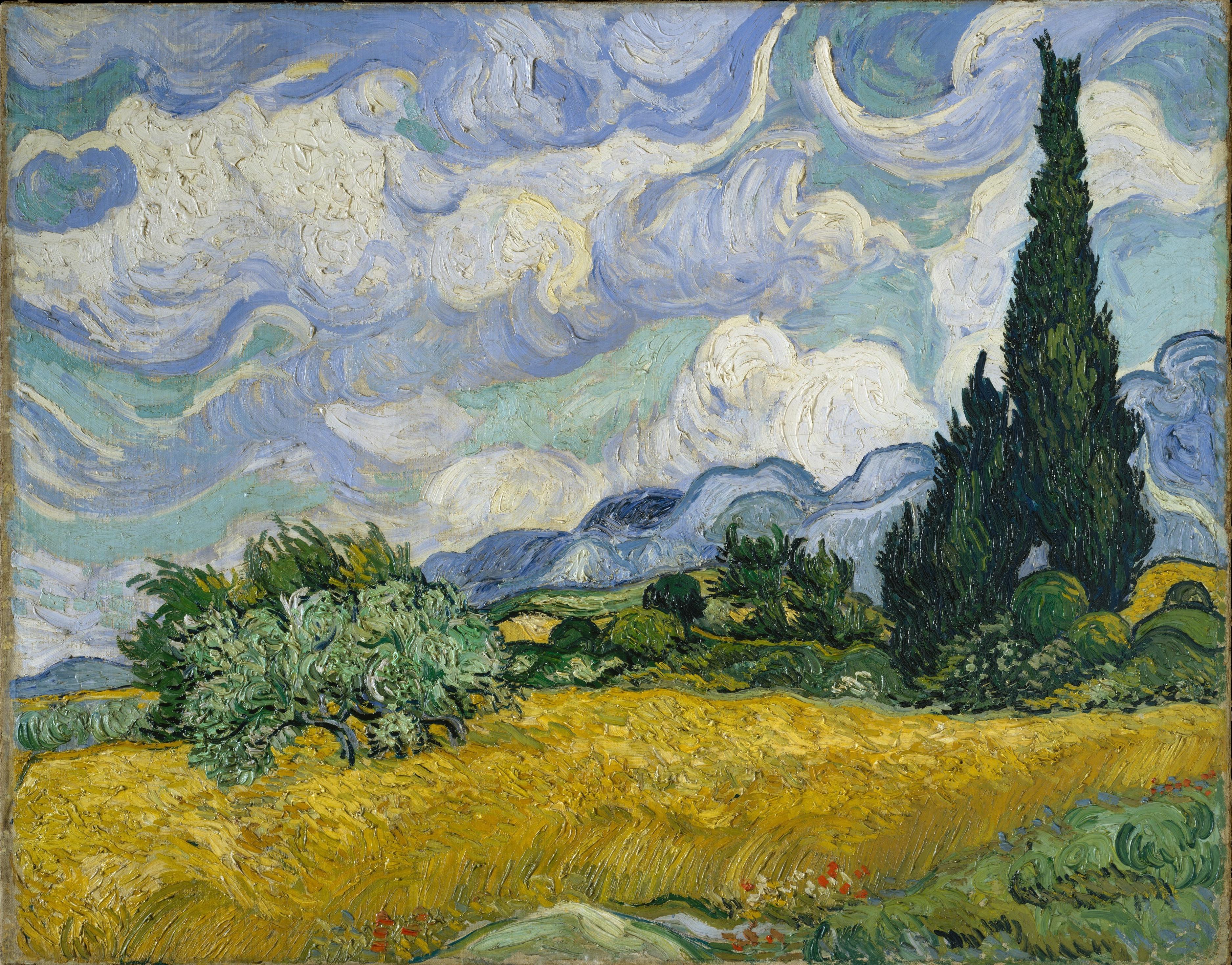
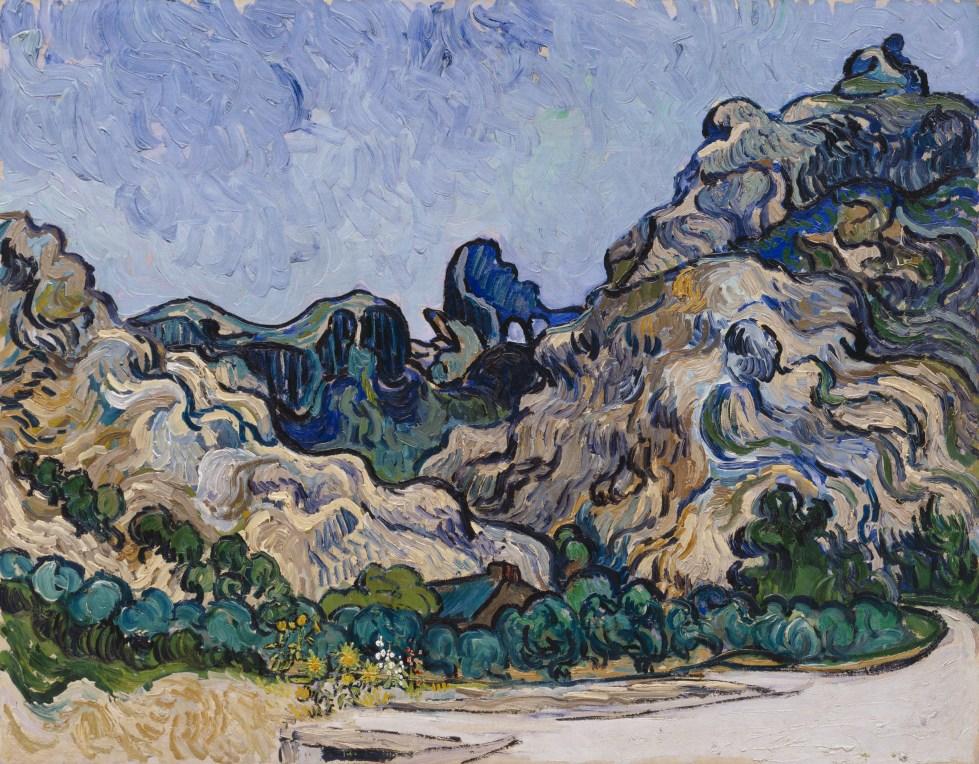
Same feeling, different artists
Similar Works by Other Artists

Self-Portrait with Beret and Turned-Up Collar
1659
64% match
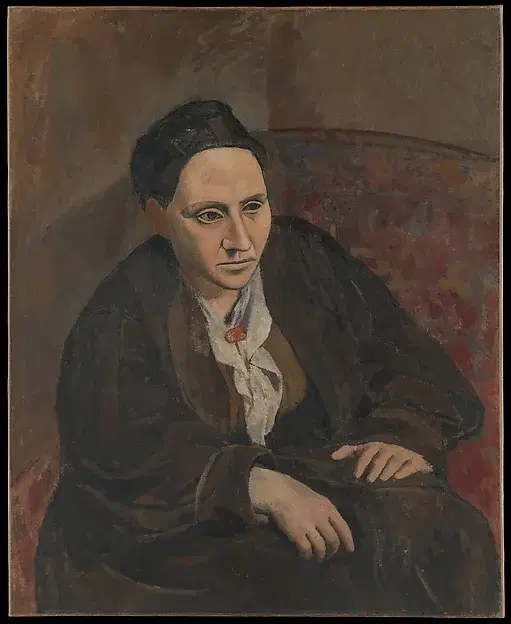
Portrait of Gertrude Stein
1905
61% match
Self-Portrait (1907)
1907
61% match
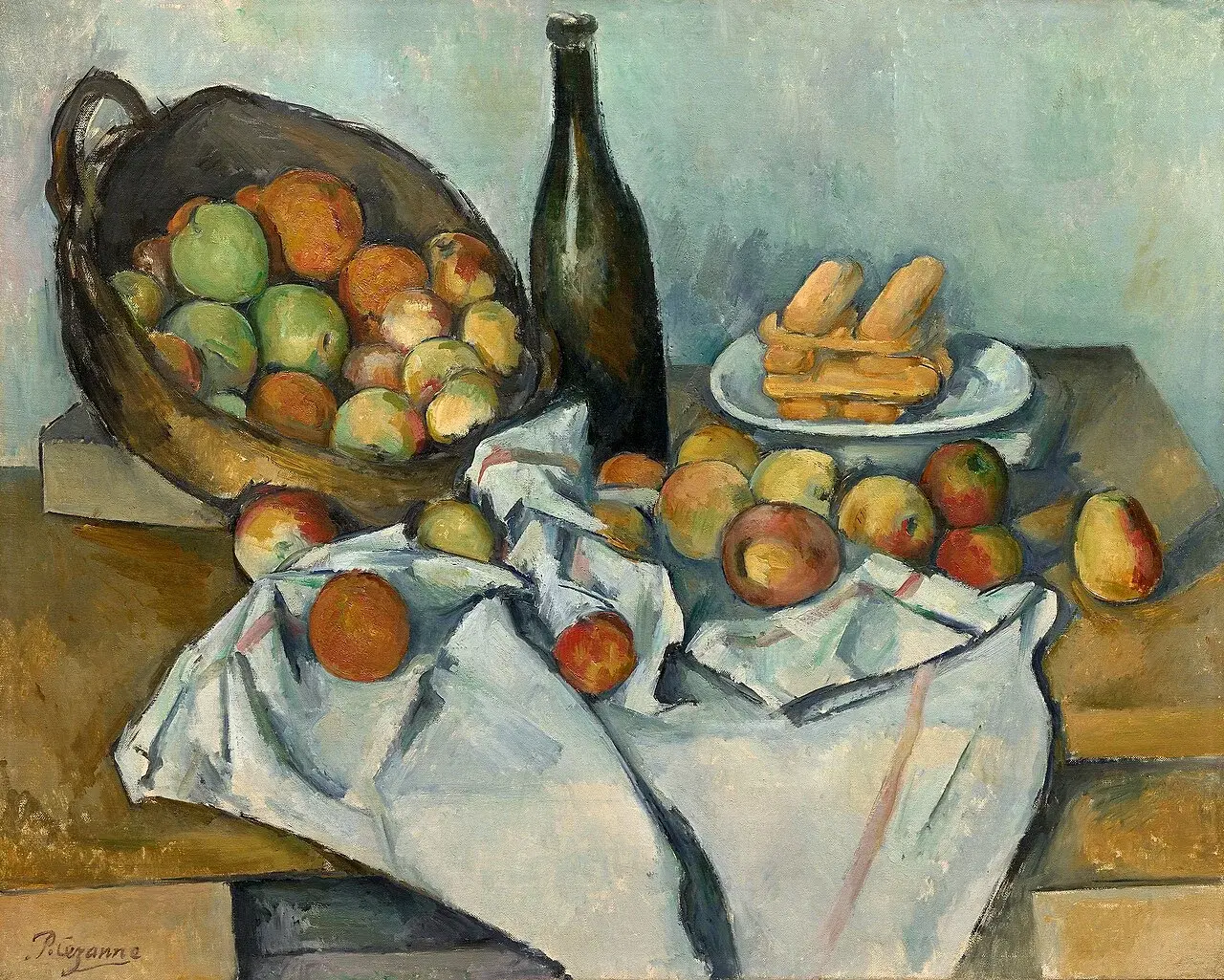
Still Life with a Basket of Apples
1893
60% match
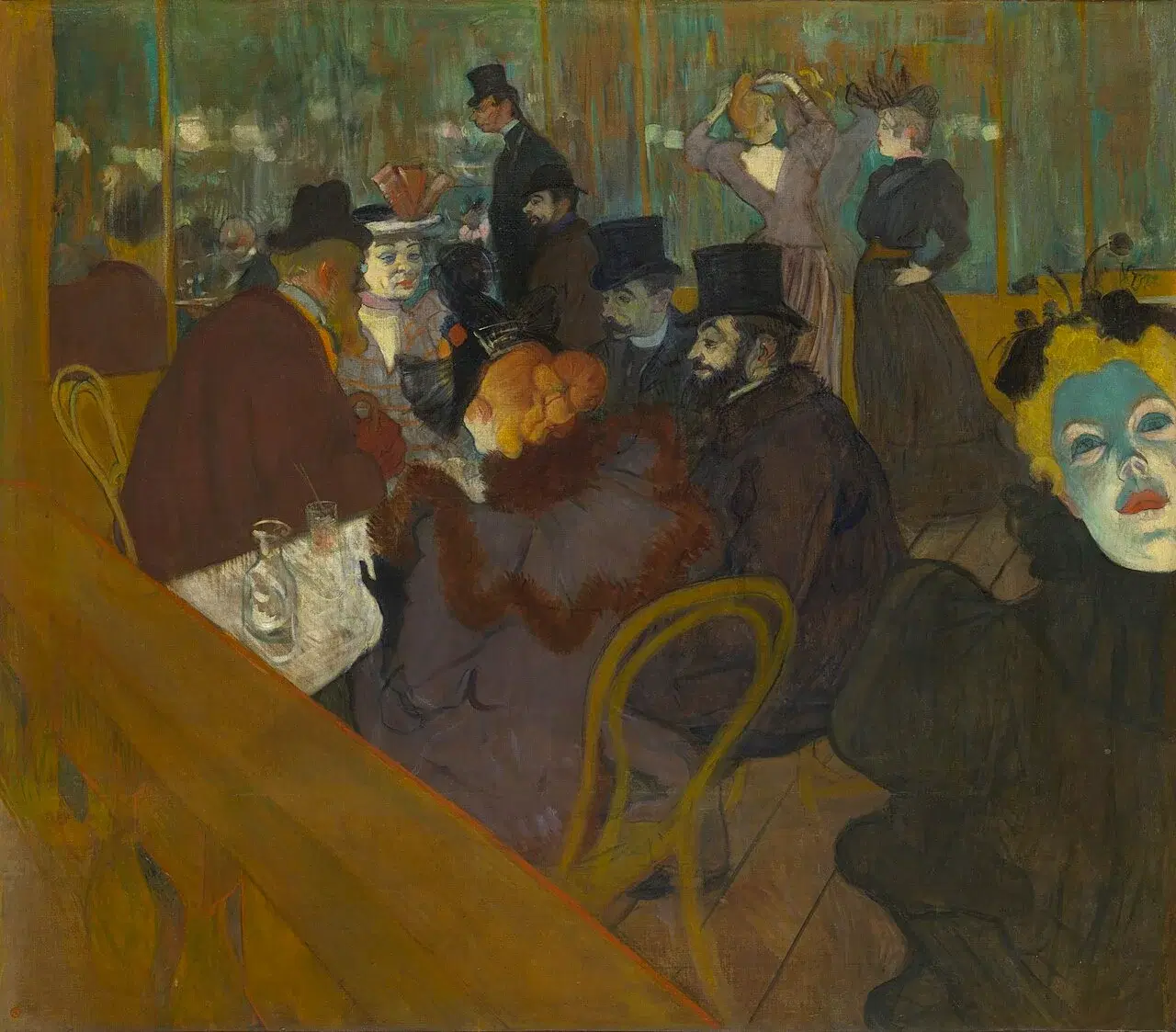
At the Moulin Rouge
1892
59% match
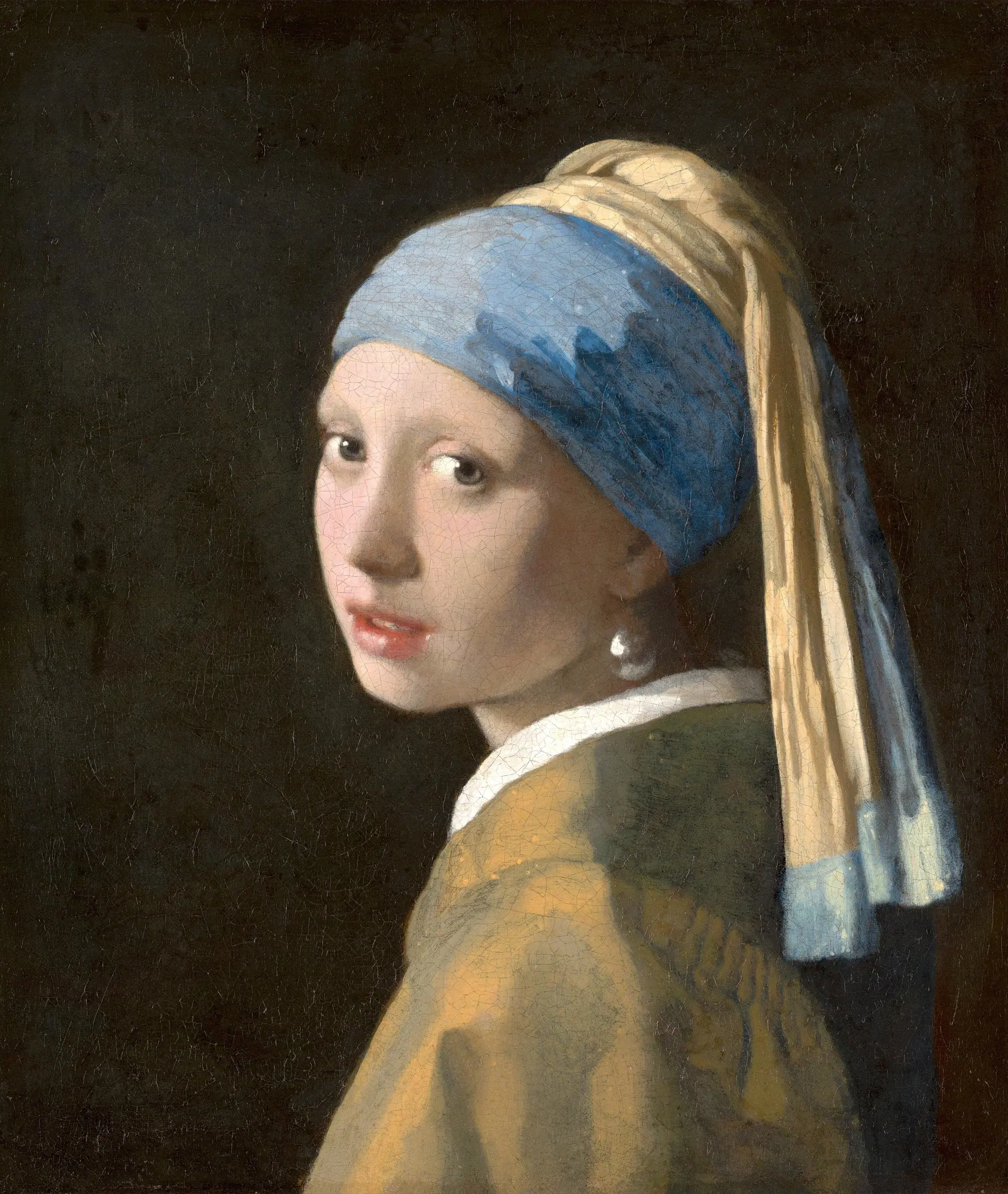
Girl with a Pearl Earring
1665
59% match
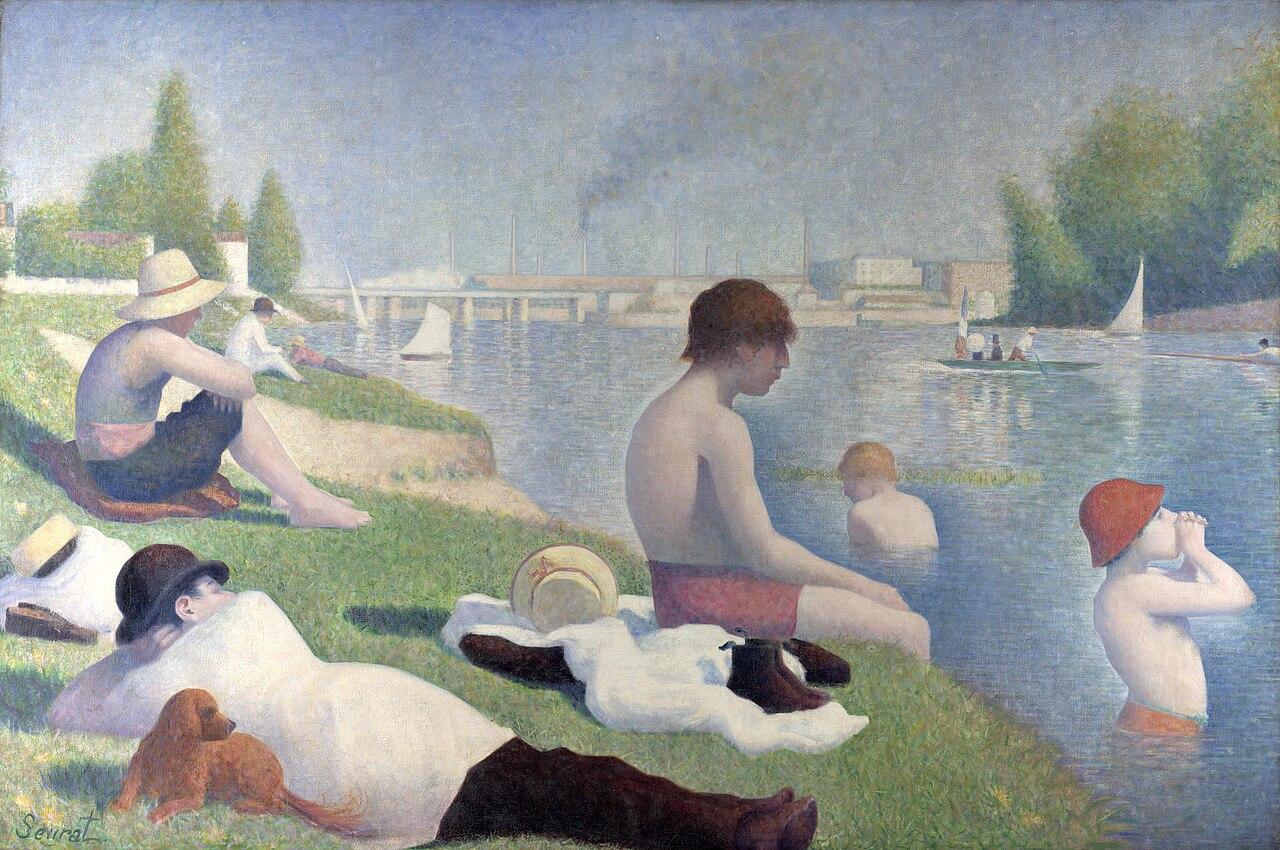
Bathers at Asnières
1884
58% match
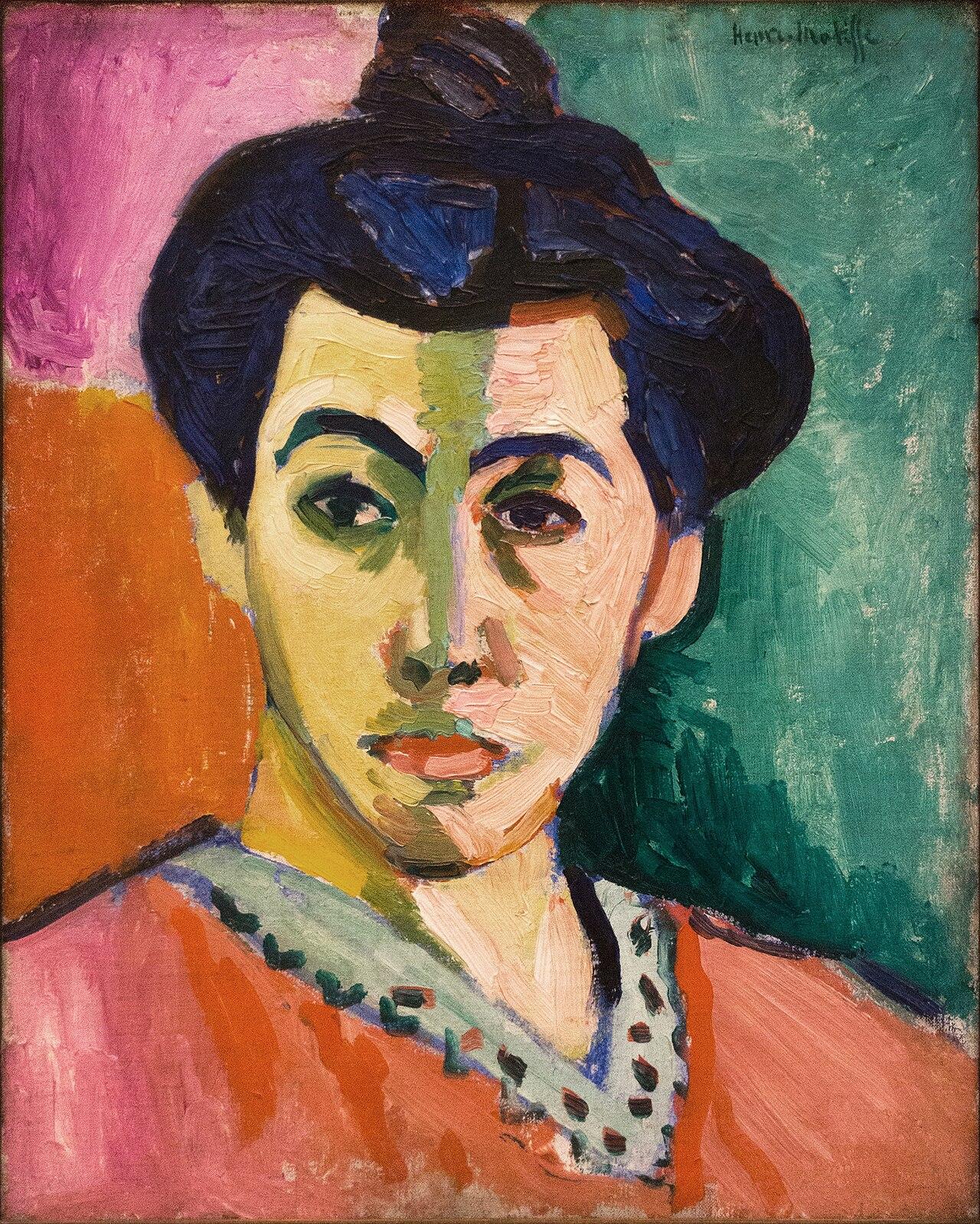
Madame Matisse
1905
58% match
Keep exploring
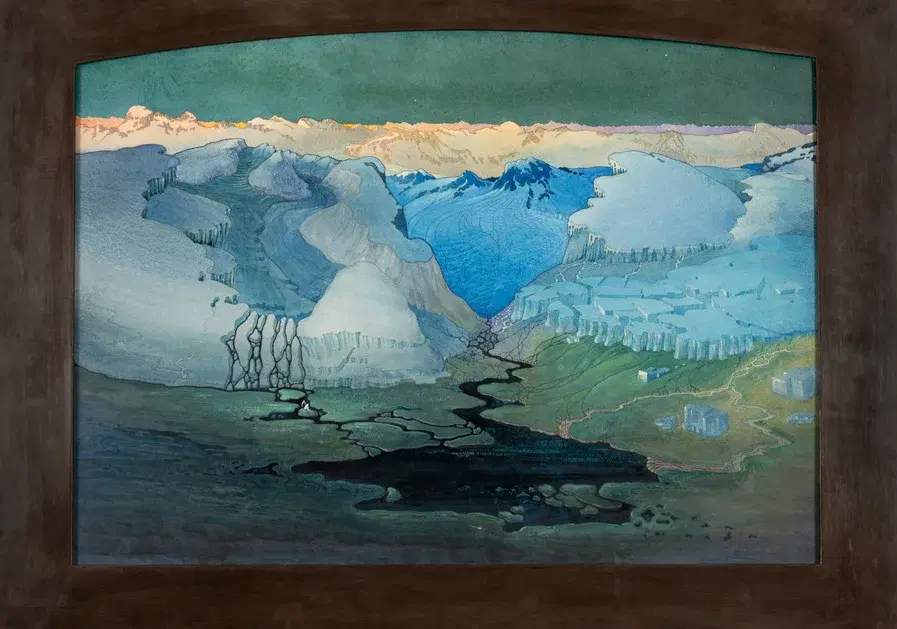
Ends soon
Northern Light
Musée d’Orsay
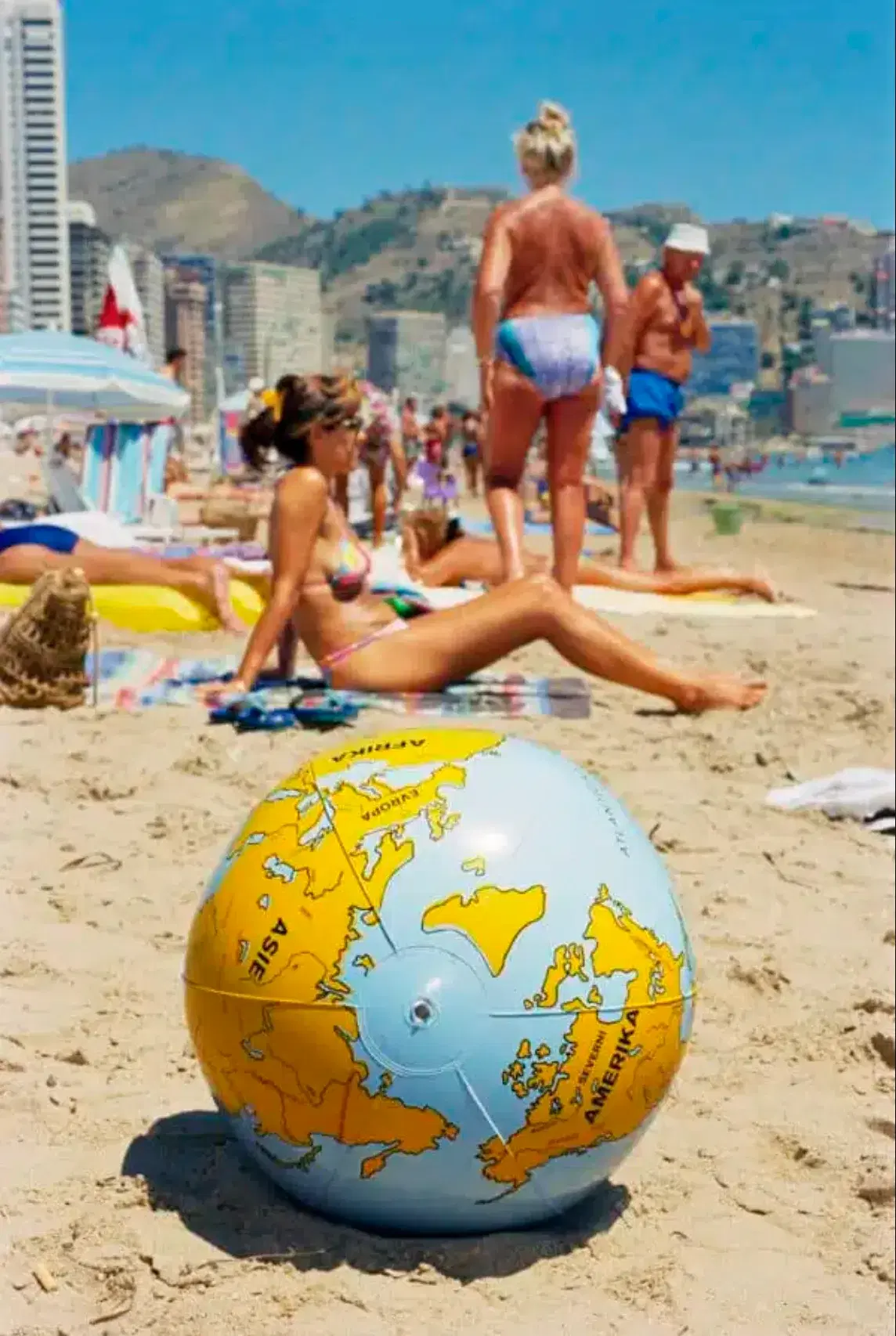
Martin Parr. Global warning
30 Jan – 24 May 2026
Jeu de Paume
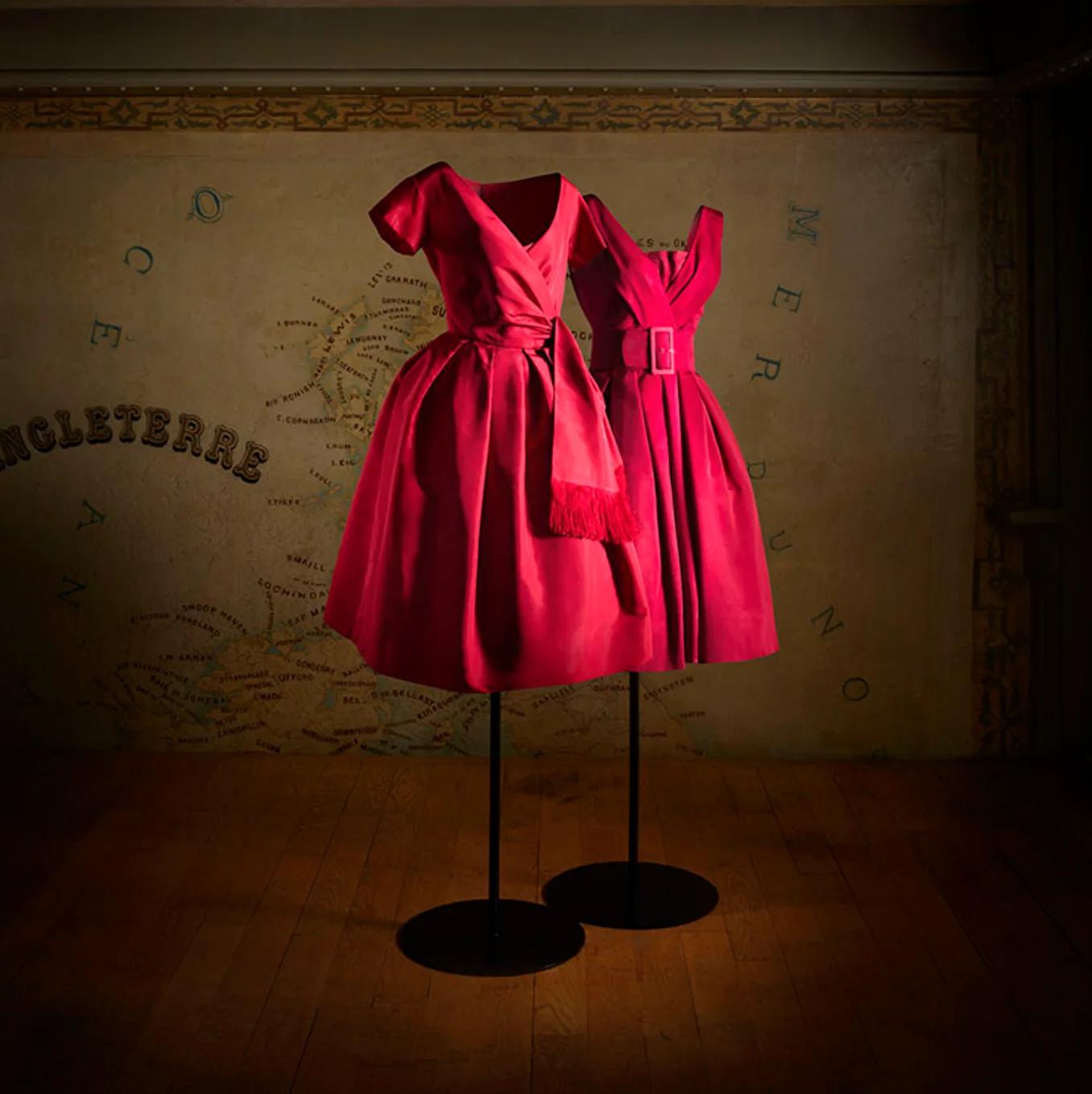
Azzedine Alaïa and Christian Dior, two masters of haute couture
12 Dec 2025 – 24 May 2026
Fondation Azzedine Alaïa
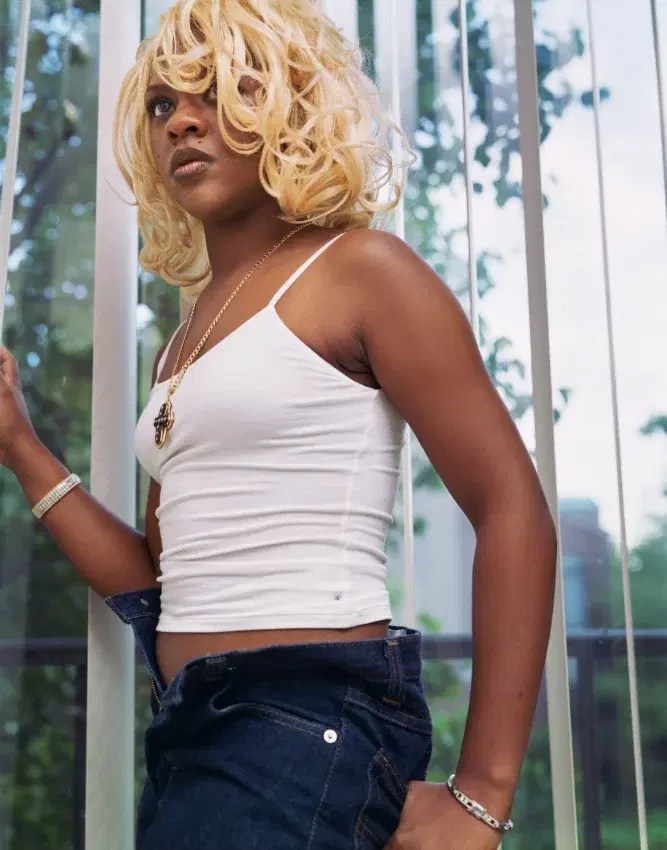
Dana Lixenberg. American Images
11 Feb – 24 May 2026
MEP – Maison Européenne de la Photographie
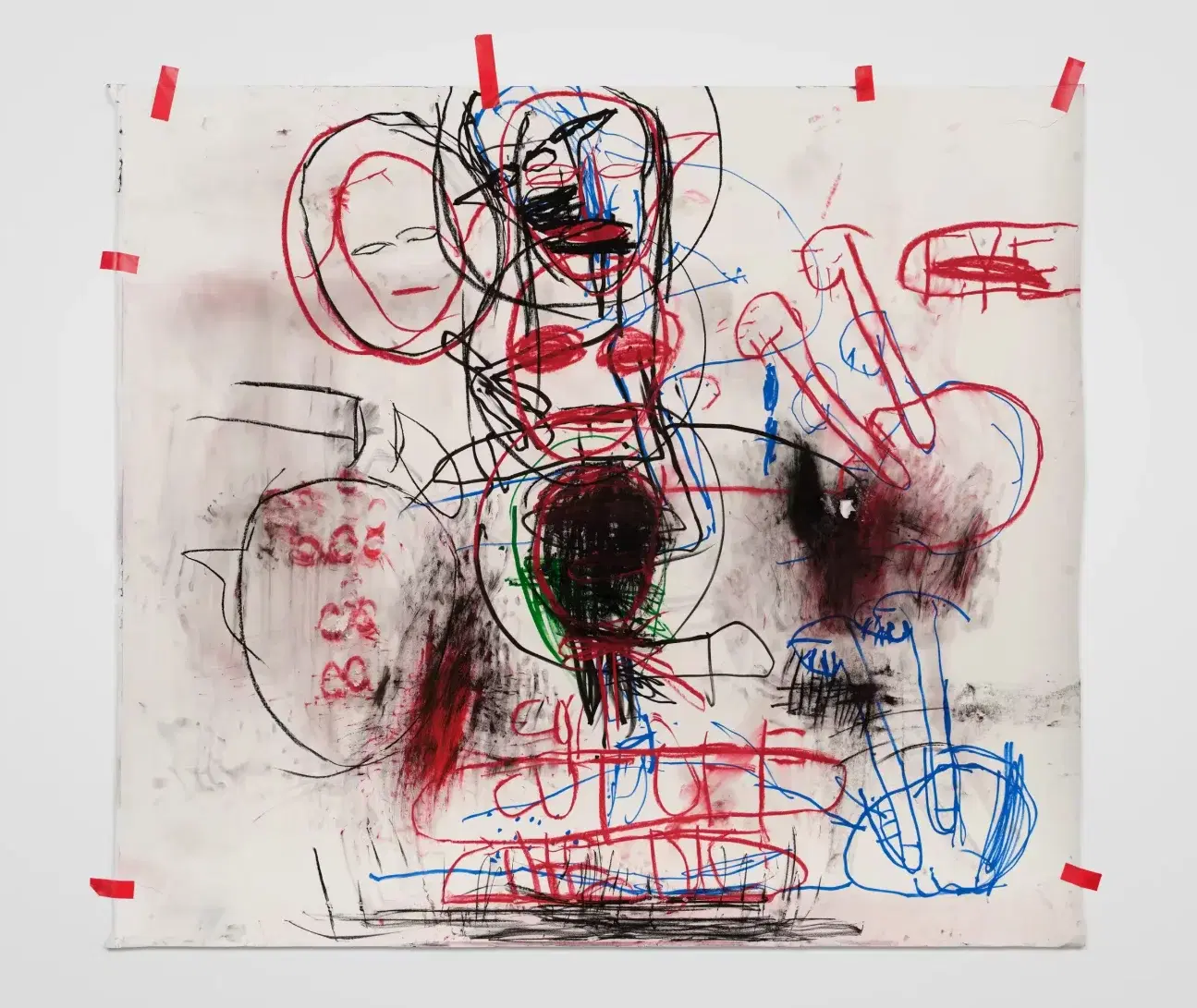
Paul McCarthy
21 Mar – 30 May 2026
Hauser & Wirth Paris
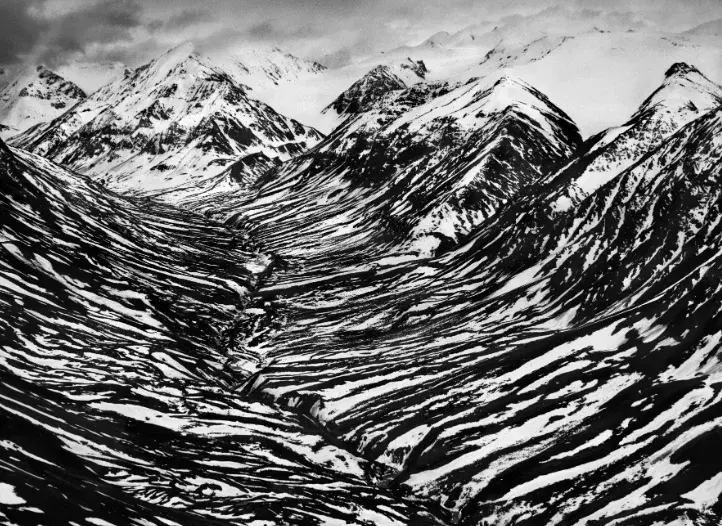
Sebastião Salgado
21 Feb – 30 May 2026
Hôtel de Ville
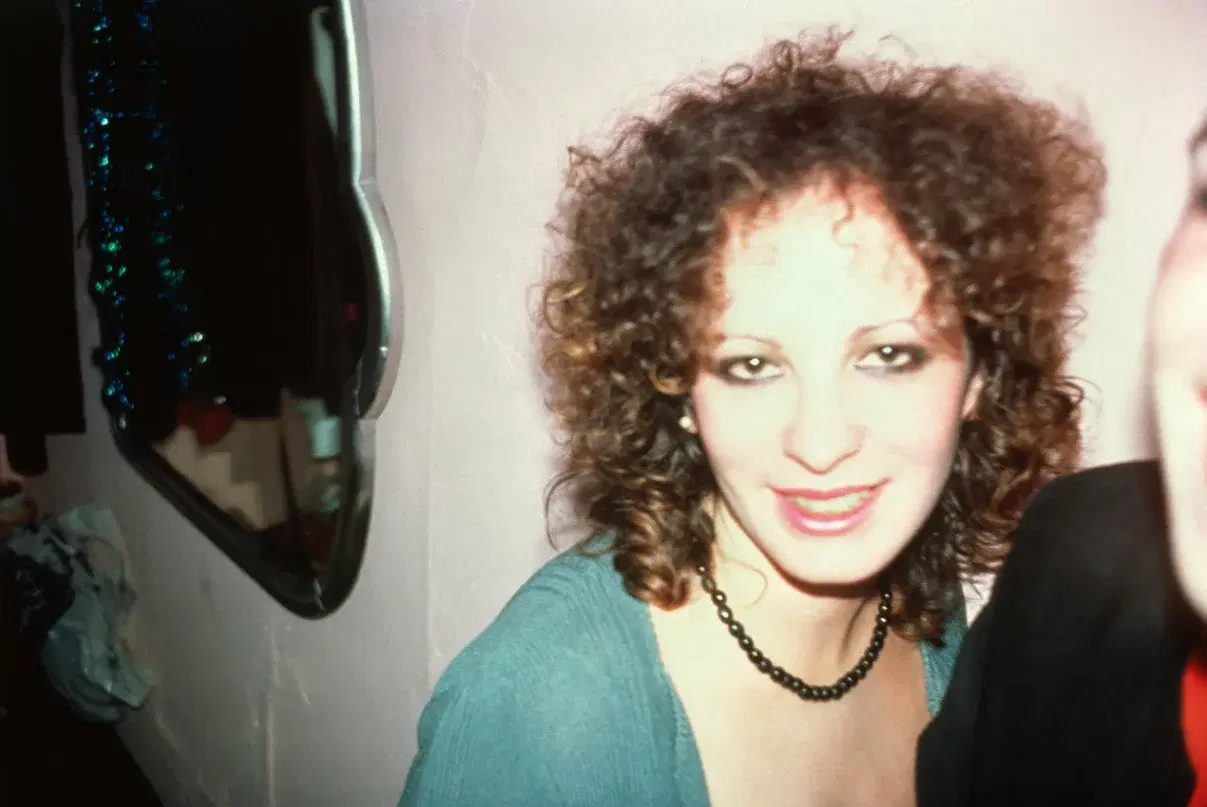
Nan Goldin
18 Mar – 21 Jun 2026
Grand Palais Paris
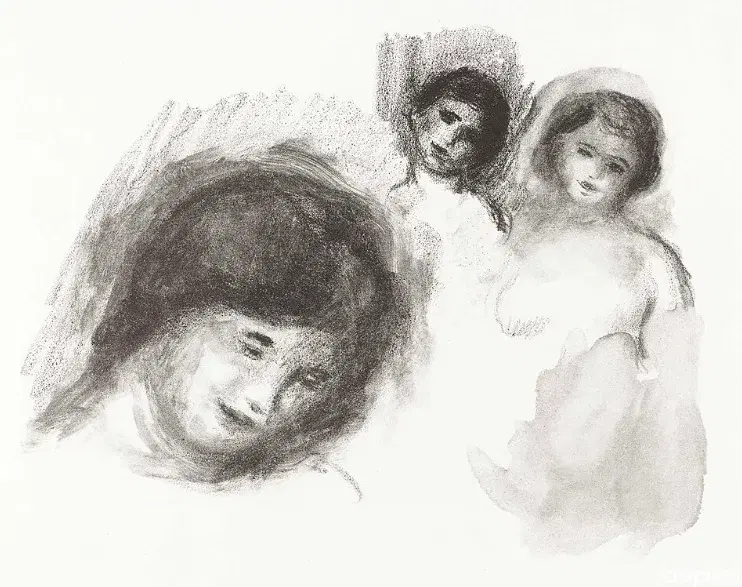
Renoir Drawings
17 Mar – 5 Jul 2026
Musée d’Orsay
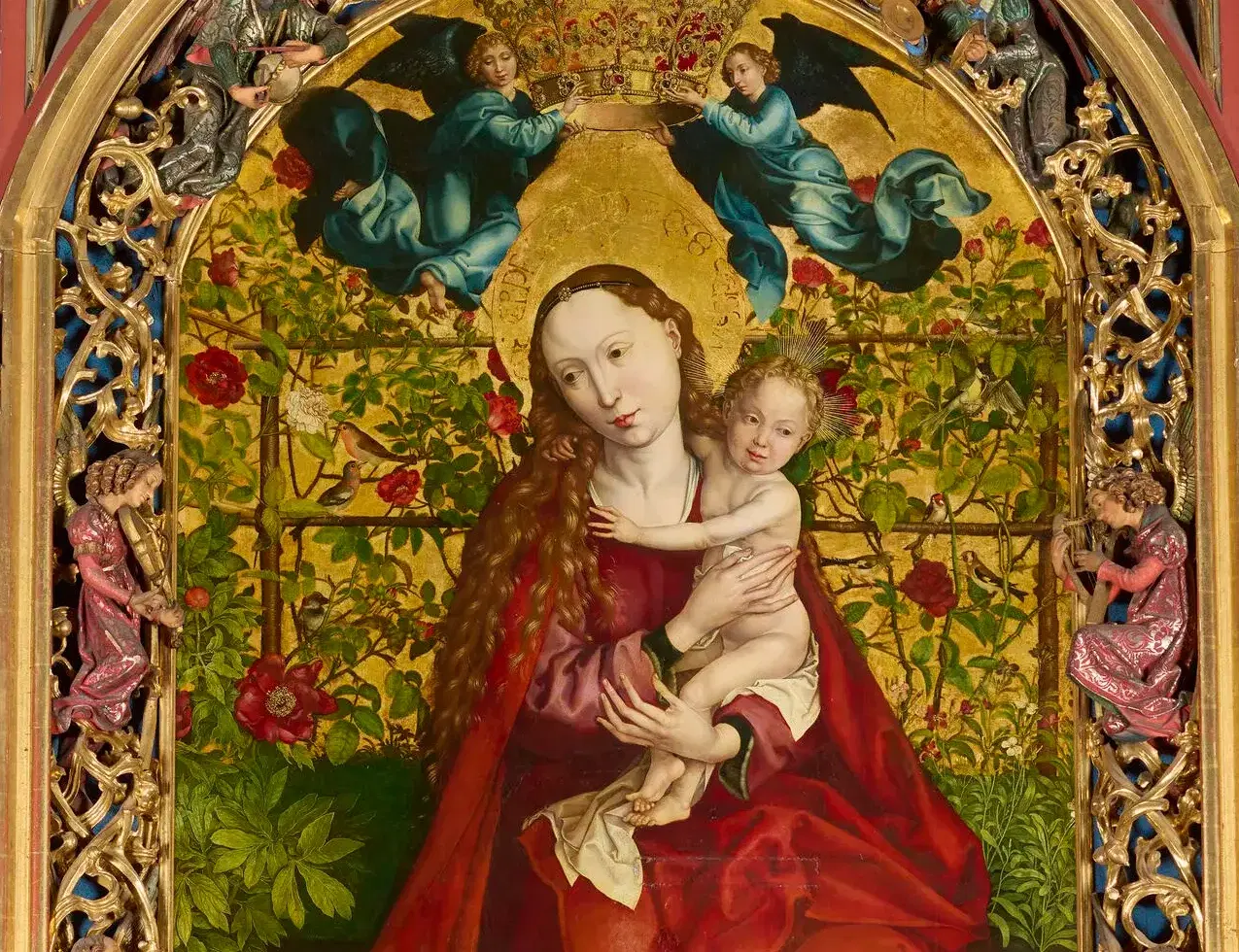
Martin Schongauer
8 Apr – 20 Jul 2026
Louvre Museum
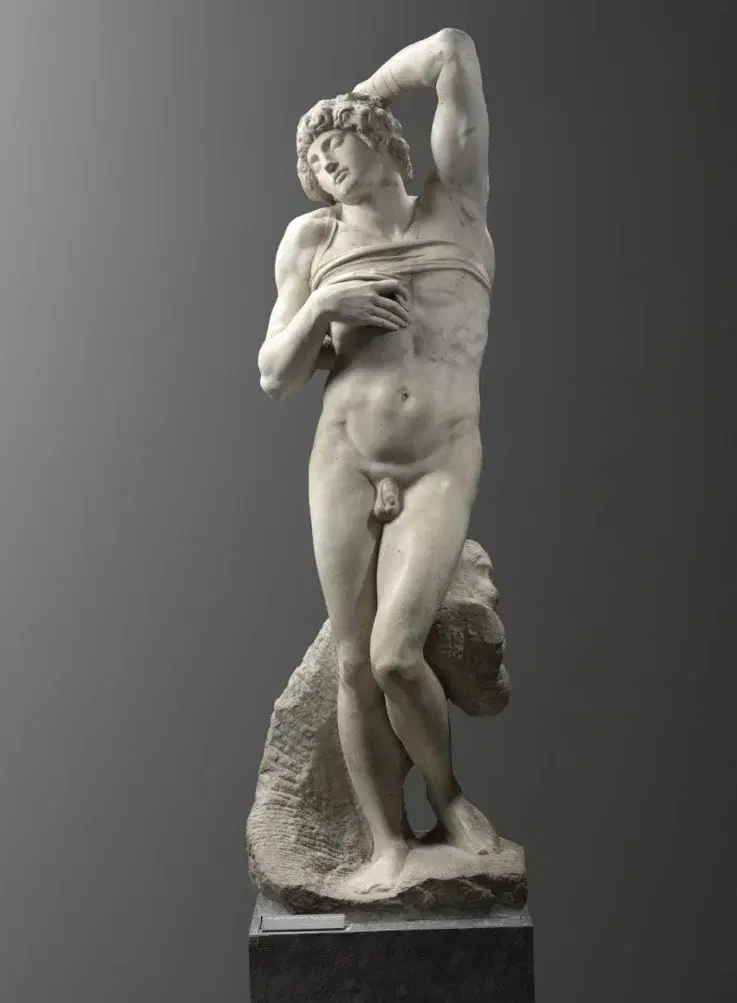
Michelangelo and Rodin
15 Apr – 20 Jul 2026
Louvre Museum