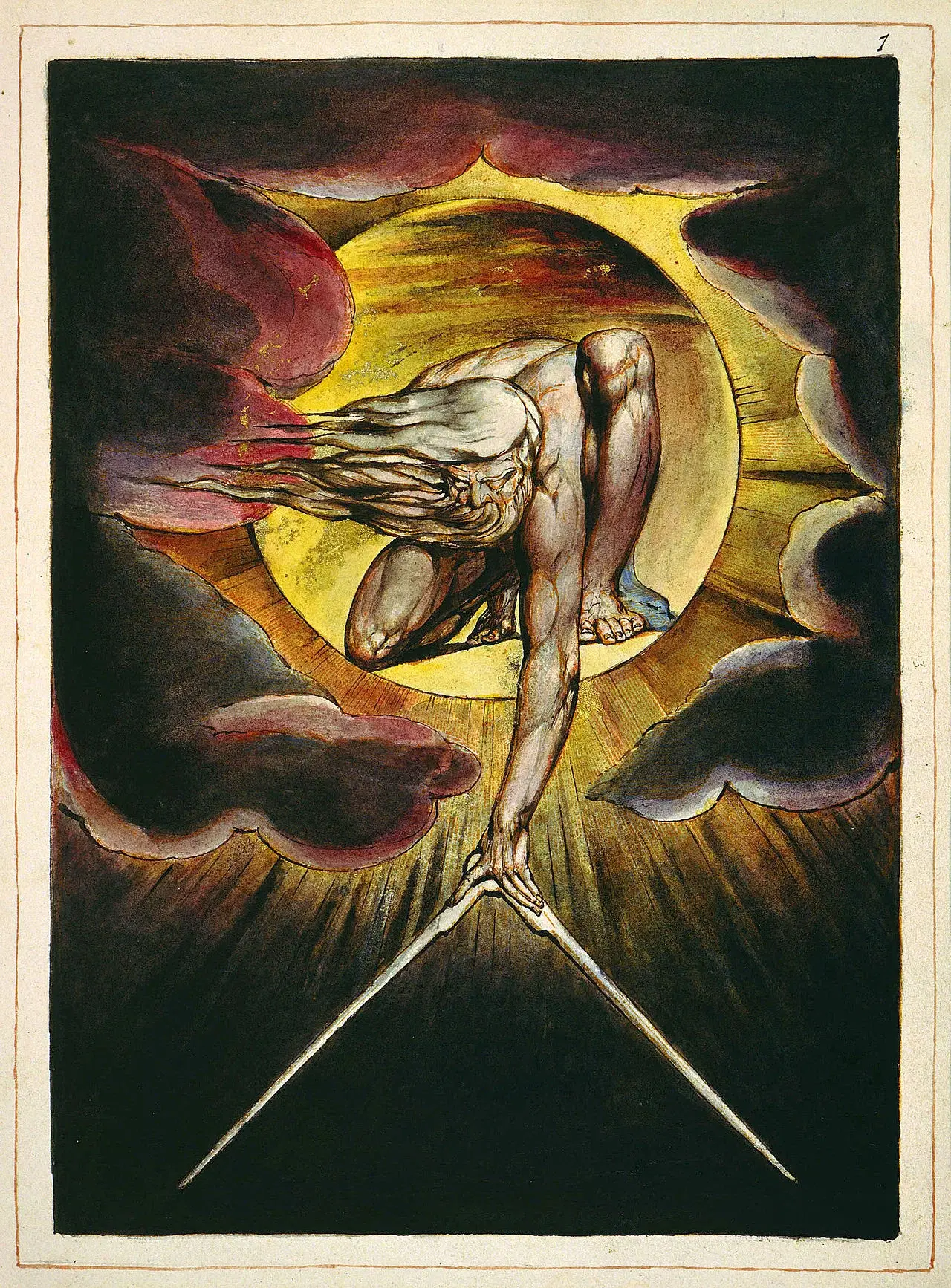
Ancient of Days
Meet the artist
WWilliam Blake1757–1827British
Dates
1794
Specifications
- Movement
- Romanticism
- Medium
- Etching, Watercolor
- Genre
- Mythological, Religious Art, Symbolic Painting
About the Artwork
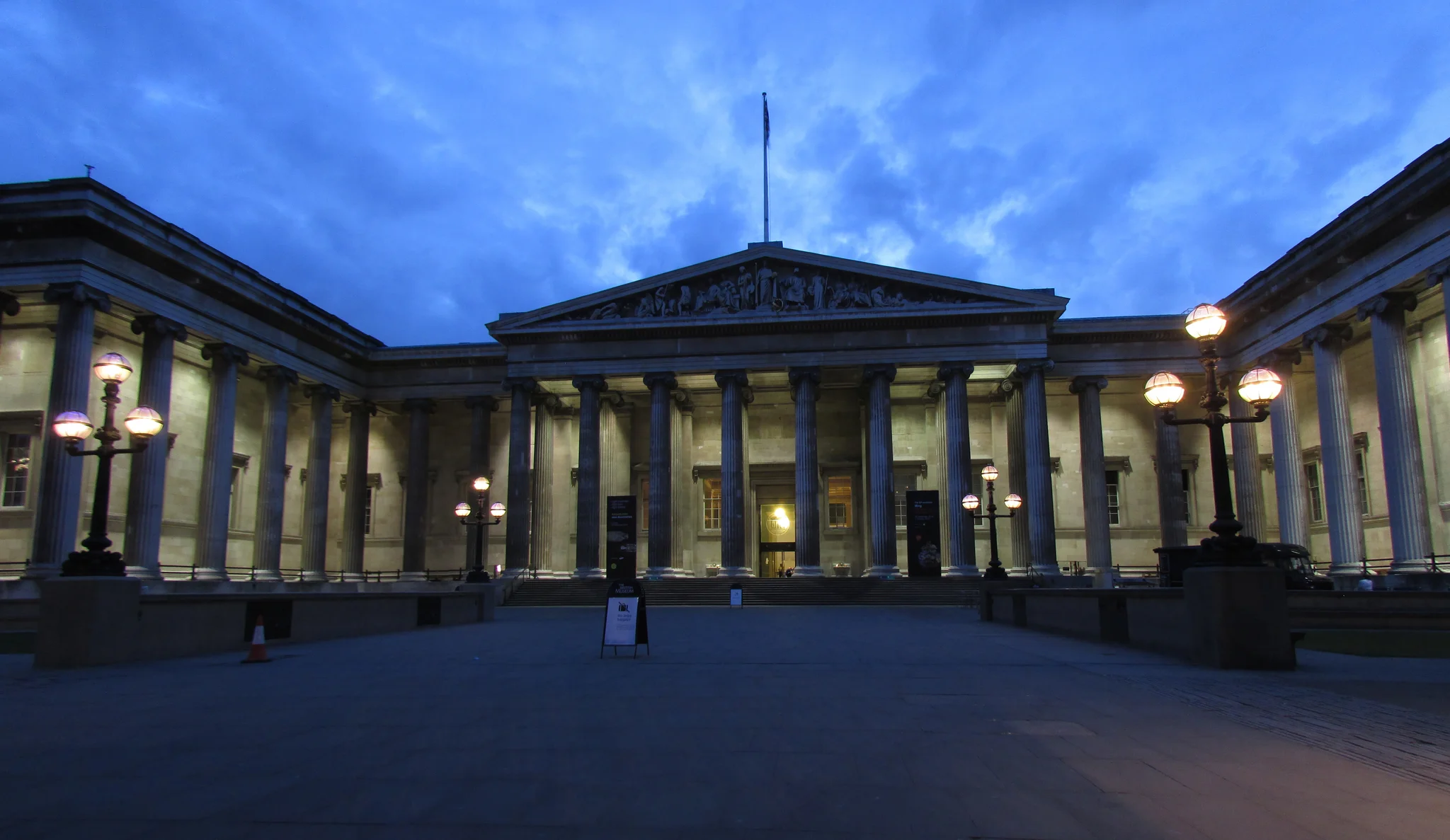
The Ancient of Days first appeared in 1794 as the frontispiece to William Blake's illuminated book Europe a Prophecy, one of his prophetic works exploring the mythology of his own invention. The image depicts Urizen — Blake's personification of reason, law, and tyranny — crouched within a solar disk, his long white hair streaming in the wind as he leans down to measure the void below with an enormous compass. The design draws its title from a divine epithet in the Book of Daniel, but Blake subverts the traditional reading: his ancient creator is not a benevolent God but a cold demiurge, imposing geometric order on the chaos of existence.\n\nBlake produced the work through his distinctive method of relief etching, printing onto paper and then applying hand-coloring in blue, black, red, and yellow, with the plates measuring approximately 23 by 17 centimetres. He reportedly regarded The Ancient of Days as a singular personal favorite and returned to it repeatedly throughout his life, coloring a final version for the engraver Frederick Tatham only weeks before his death in 1827. Multiple copies survive in collections including the British Museum and the Glasgow University Library. The image has since become one of the most widely reproduced of all Blake's works, its icon of a measuring god simultaneously evoking creation and control.
Same feeling, different artists
Similar Works by Other Artists

Keep exploring
Ends soon
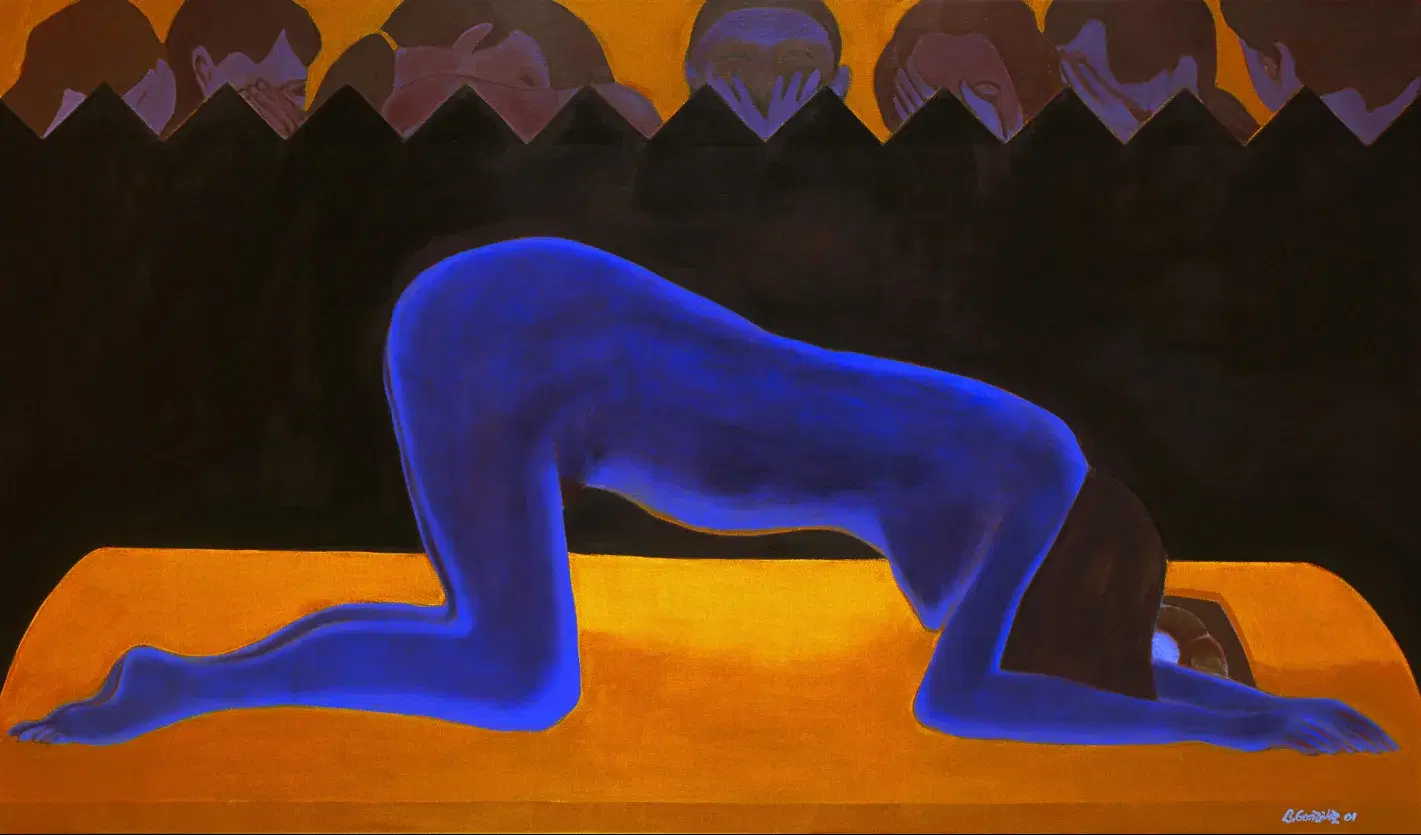
Beatriz González
25 Feb – 10 May 2026
Barbican

Ends soon
Alessandro Mendini
16 Jan – 10 May 2026
Estorick Collection of Modern Italian Art
Ends soon
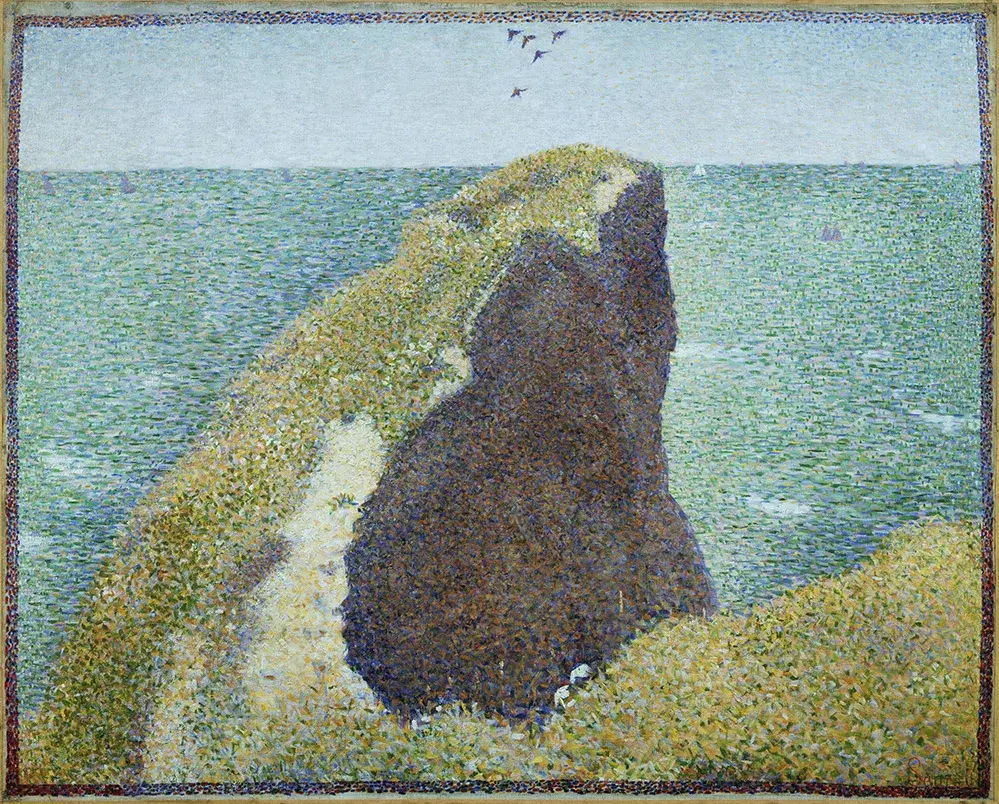
Seurat and the Sea
13 Feb – 17 May 2026
The Courtauld

Ends soon
London Craft Week
11 May – 17 May 2026
The Courtauld
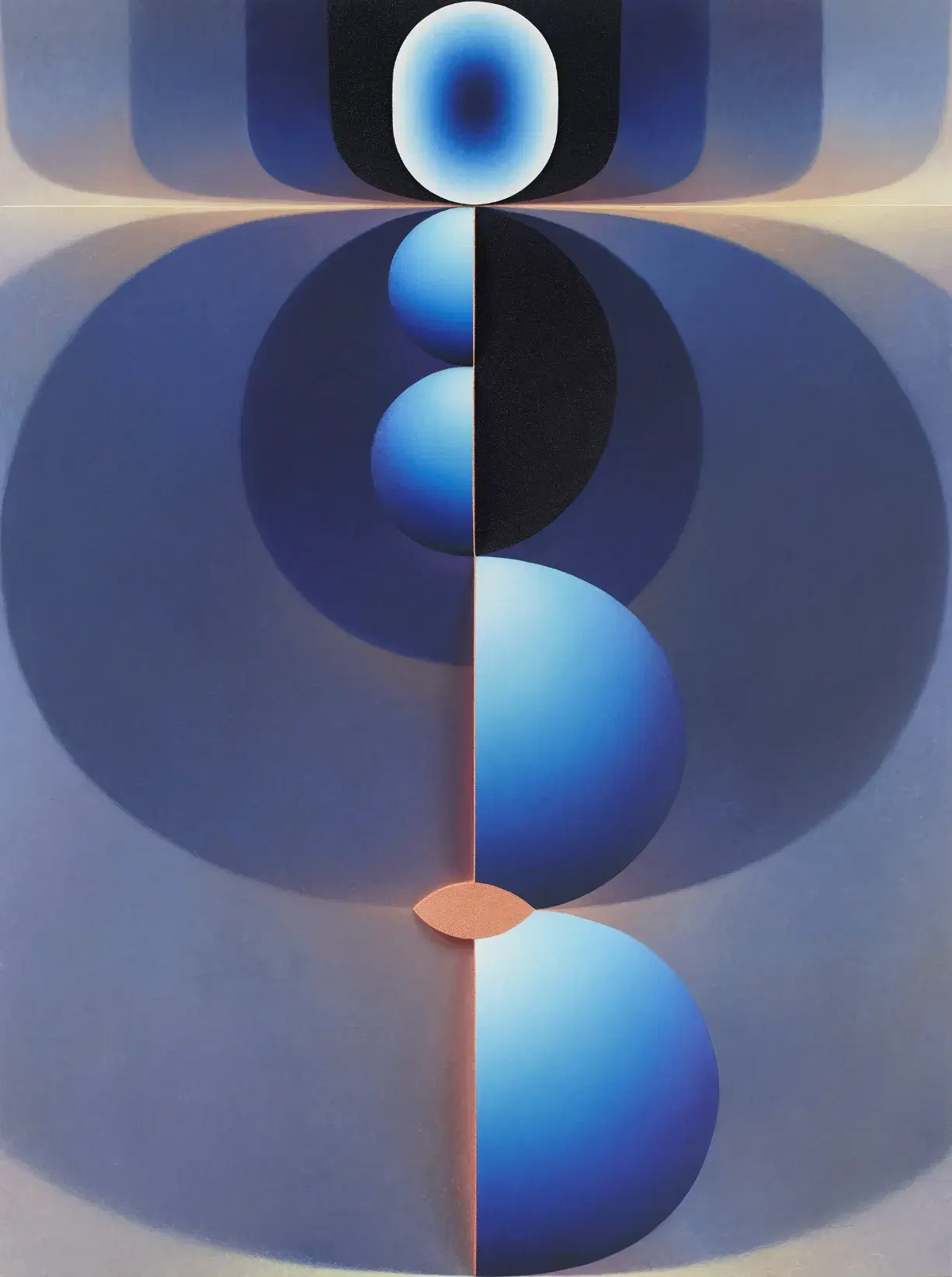
Loie Hollowell. Overview Effect
4 Mar – 23 May 2026
Pace Gallery London
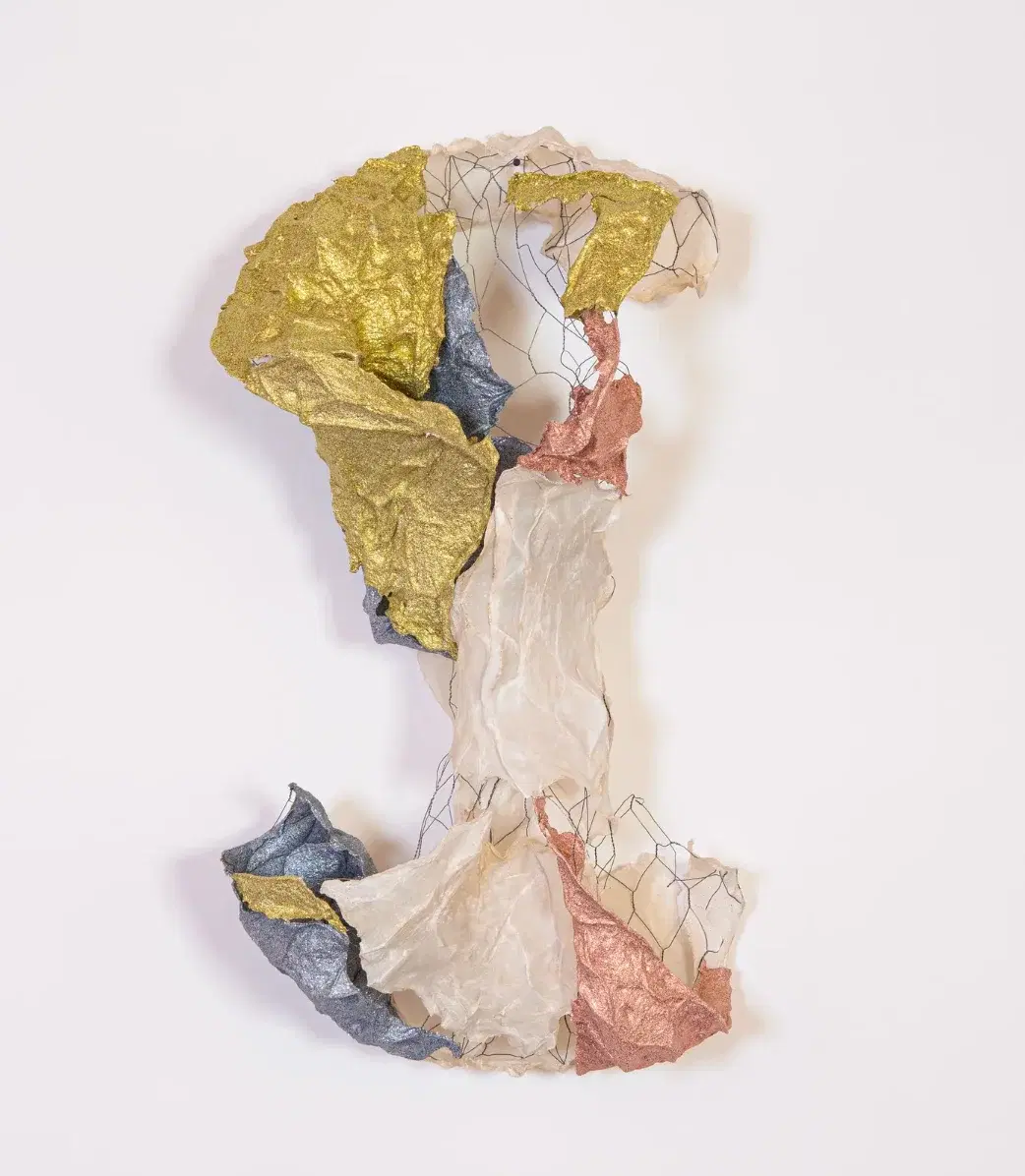
Lynda Benglis: Encounters: Giacometti.
12 Feb – 31 May 2026
Barbican

Katharina Grosse
22 Apr – 31 May 2026
White Cube Gallery Bermondsey
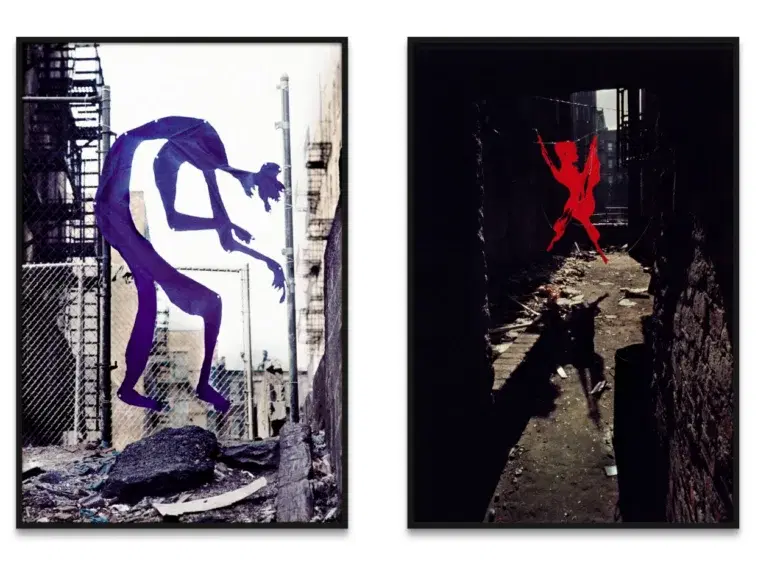
Senga Nengudi: Performance Works 1972-1982
1 Apr – 14 Jun 2026
Whitechapel Gallery

Veronica Ryan: Multiple Conversations
1 Apr – 14 Jun 2026
Whitechapel Gallery

Michaelina Wautier
27 Mar – 21 Jun 2026
The Royal Academy of Arts London