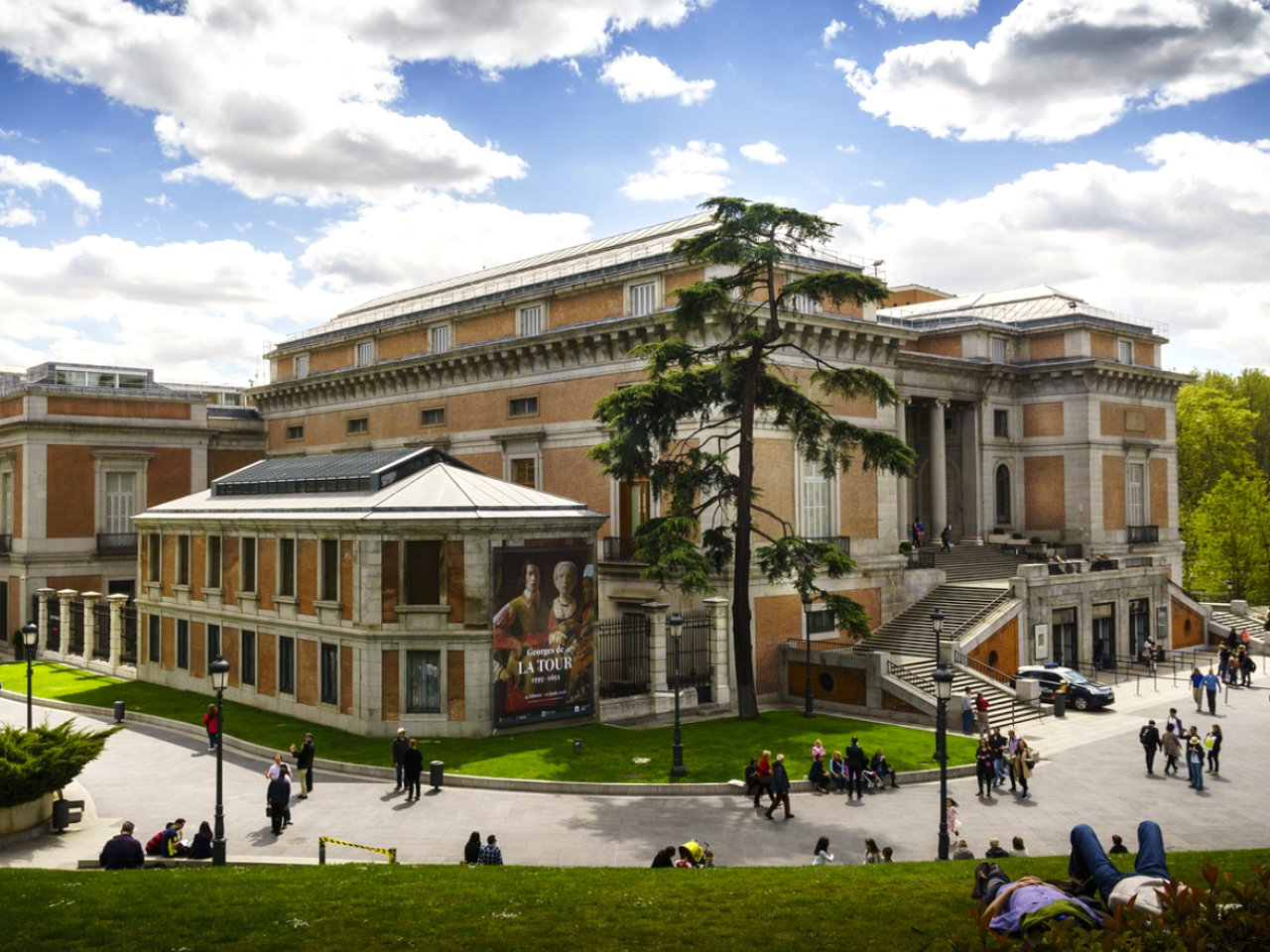
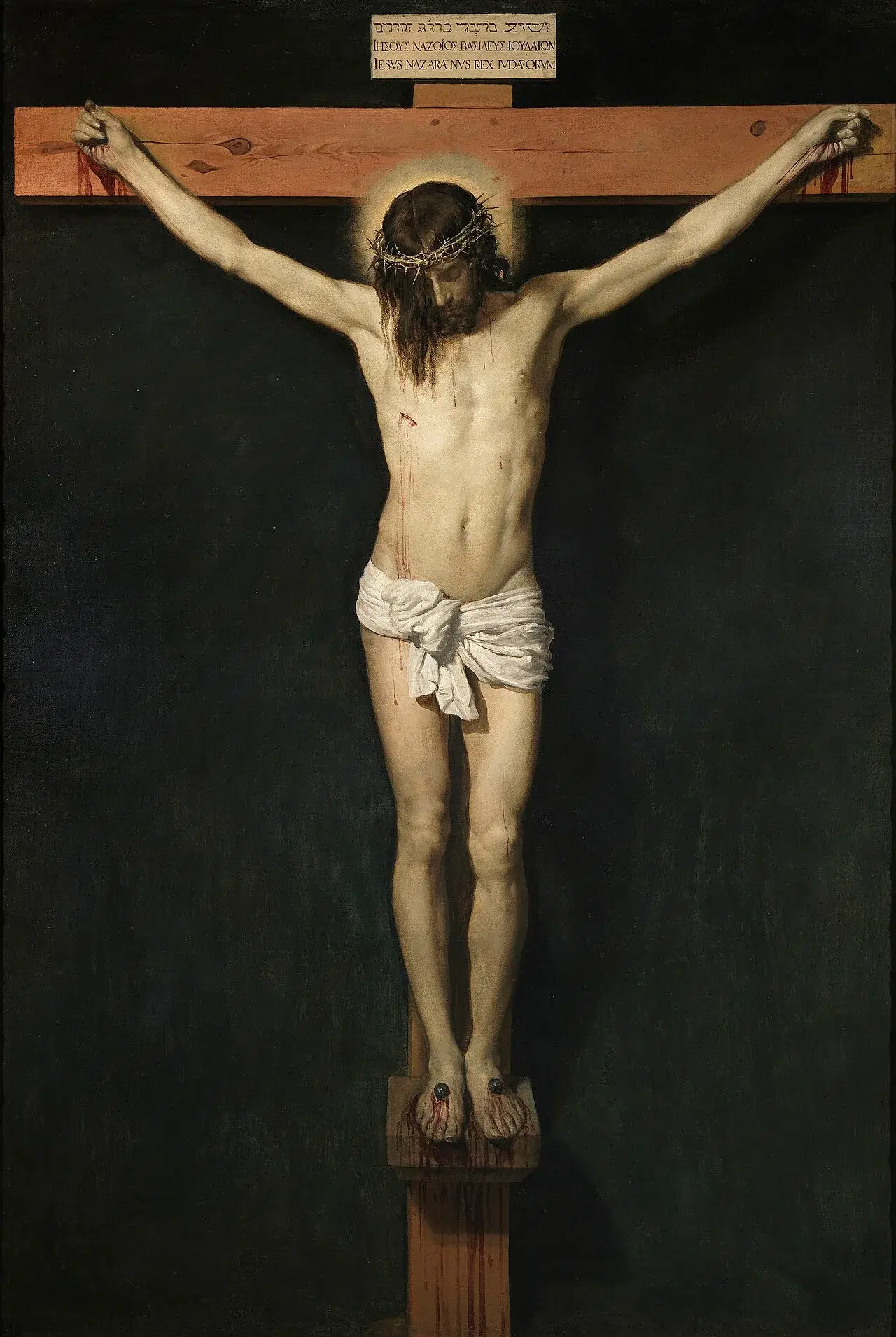
Christ Crucified
Meet the artist

Diego Velázquez1599–1660Spanish
Dates
1632
Specifications
- Movement
- Baroque
- Medium
- Oil Painting
- Genre
- Religious Painting
About the Artwork
Diego Velázquez painted Christ Crucified around 1632, almost certainly on commission for the Benedictine nuns of the Convent of San Plácido in Madrid. The large oil on canvas, measuring 249 by 170 centimetres, has since entered the permanent collection of the Museo del Prado, where it is considered the most celebrated religious painting in Spain. Velázquez chose a composition of radical simplicity: Christ alone against a near-featureless dark green ground, with no attendant figures, no crowd, and no narrative drama to distract from the solitary figure on the cross. The iconography follows that of his father-in-law and master Francisco Pacheco — four nails, feet resting together on a small wooden support, the body in a gentle contrapposto. Light falls from the left, sculpting the figure with a luminous intensity that appears to cause Christ to emerge from the darkness toward the viewer. Velázquez modelled the body with freely applied impasto and used the tip of his brush to scratch into the still-wet paint around the hair, achieving a textural subtlety that lends the figure extraordinary physical presence. The result is a devotional image of profound quietude and anatomical mastery — a meditation on suffering distilled to its essential humanity.
Don’t stop here
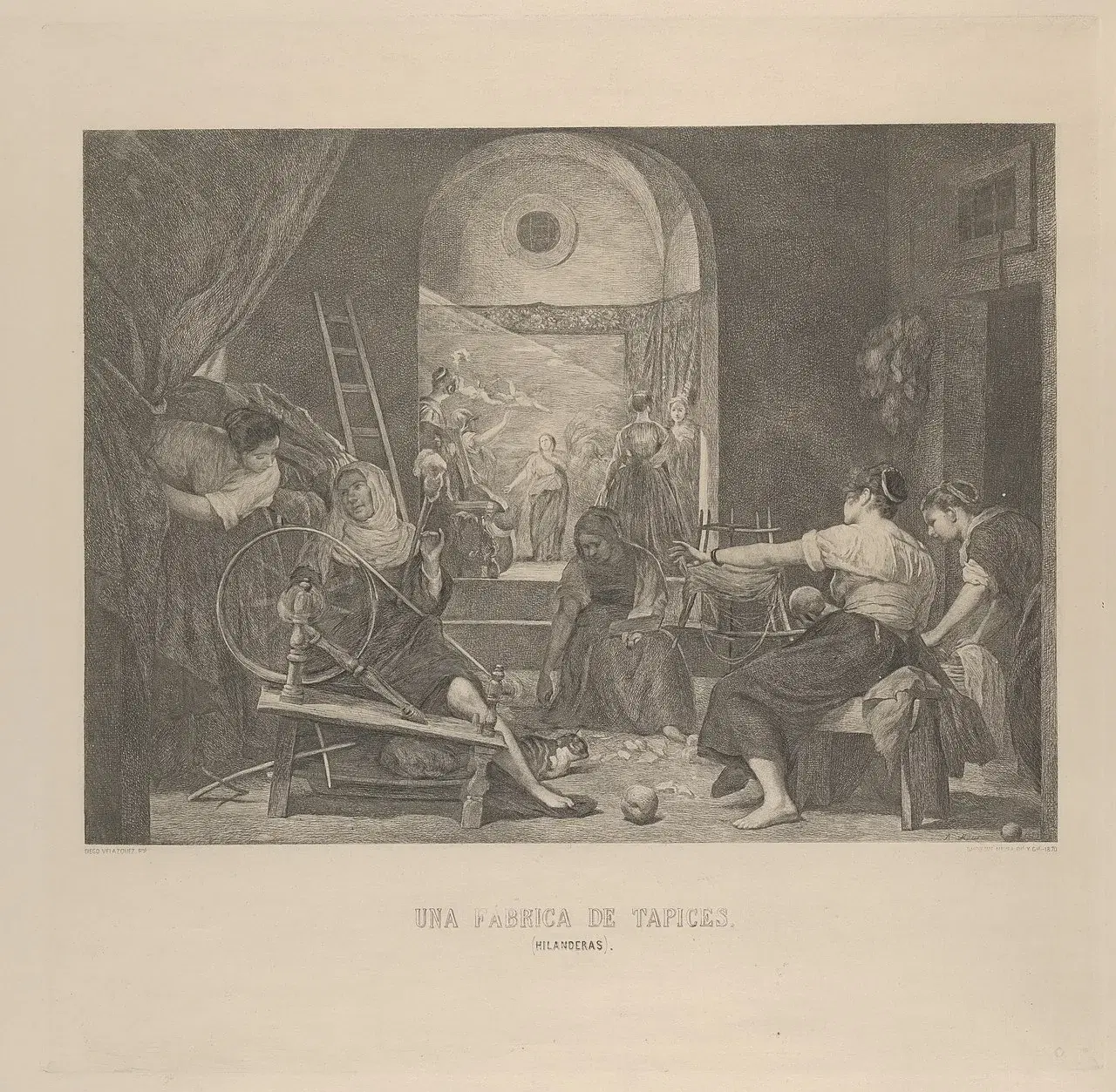
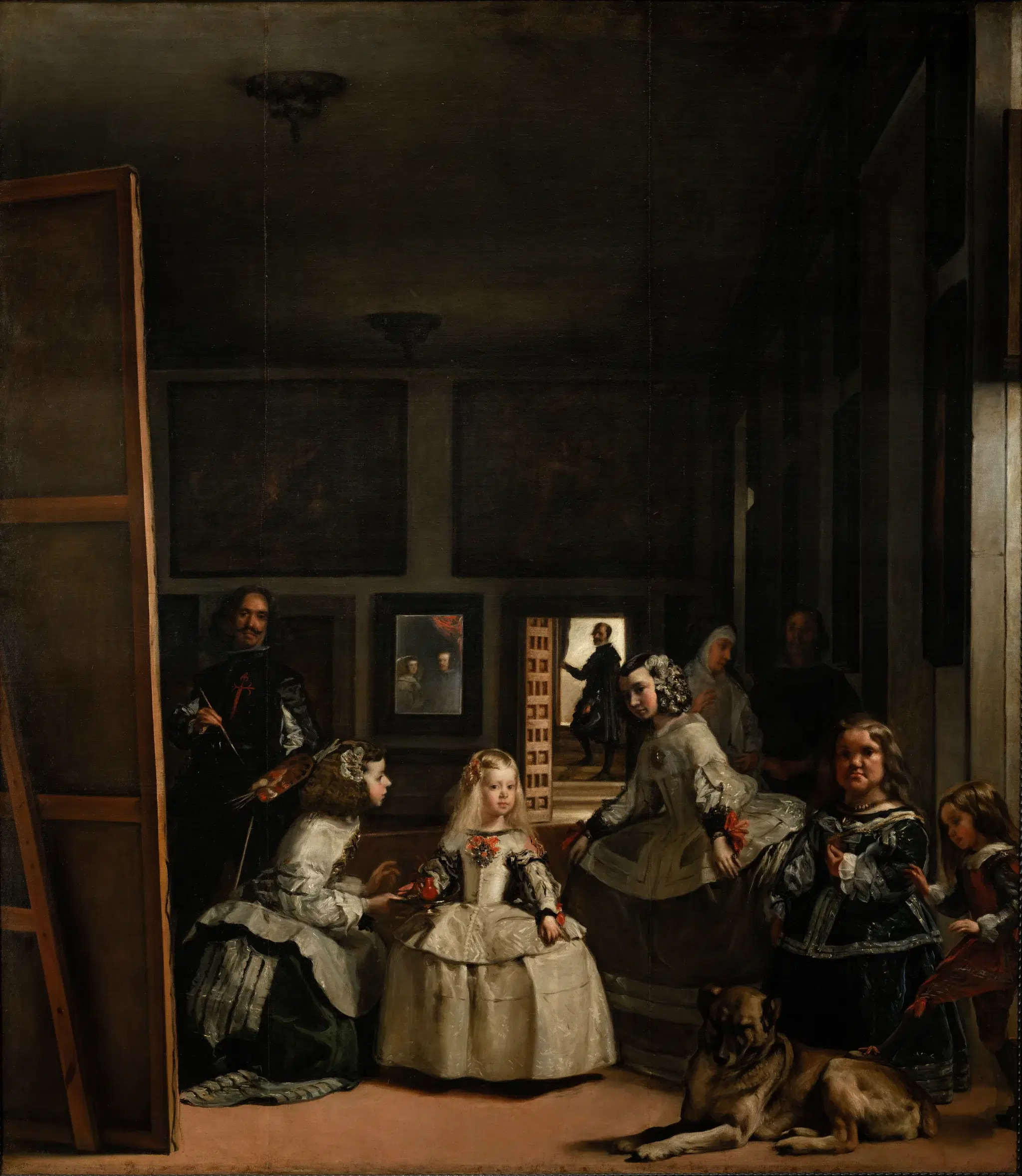
More to explore by Diego Velázquez
Same feeling, different artists
Similar Works by Other Artists

Keep exploring

Ends soon
Ad Lucem
14 Mar – 9 May 2026
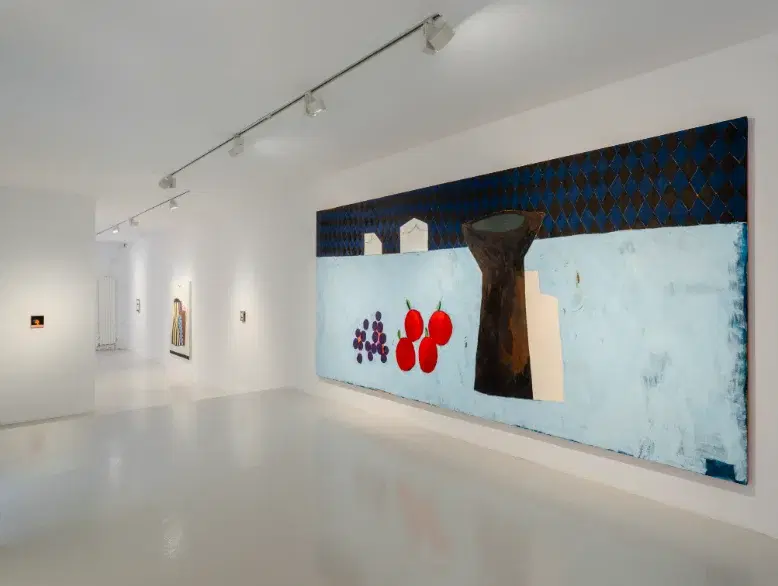
Blanca Berlín
Ends soon
Ana Prata
5 Mar – 9 May 2026
Travesía Cuatro Madrid

Ends soon
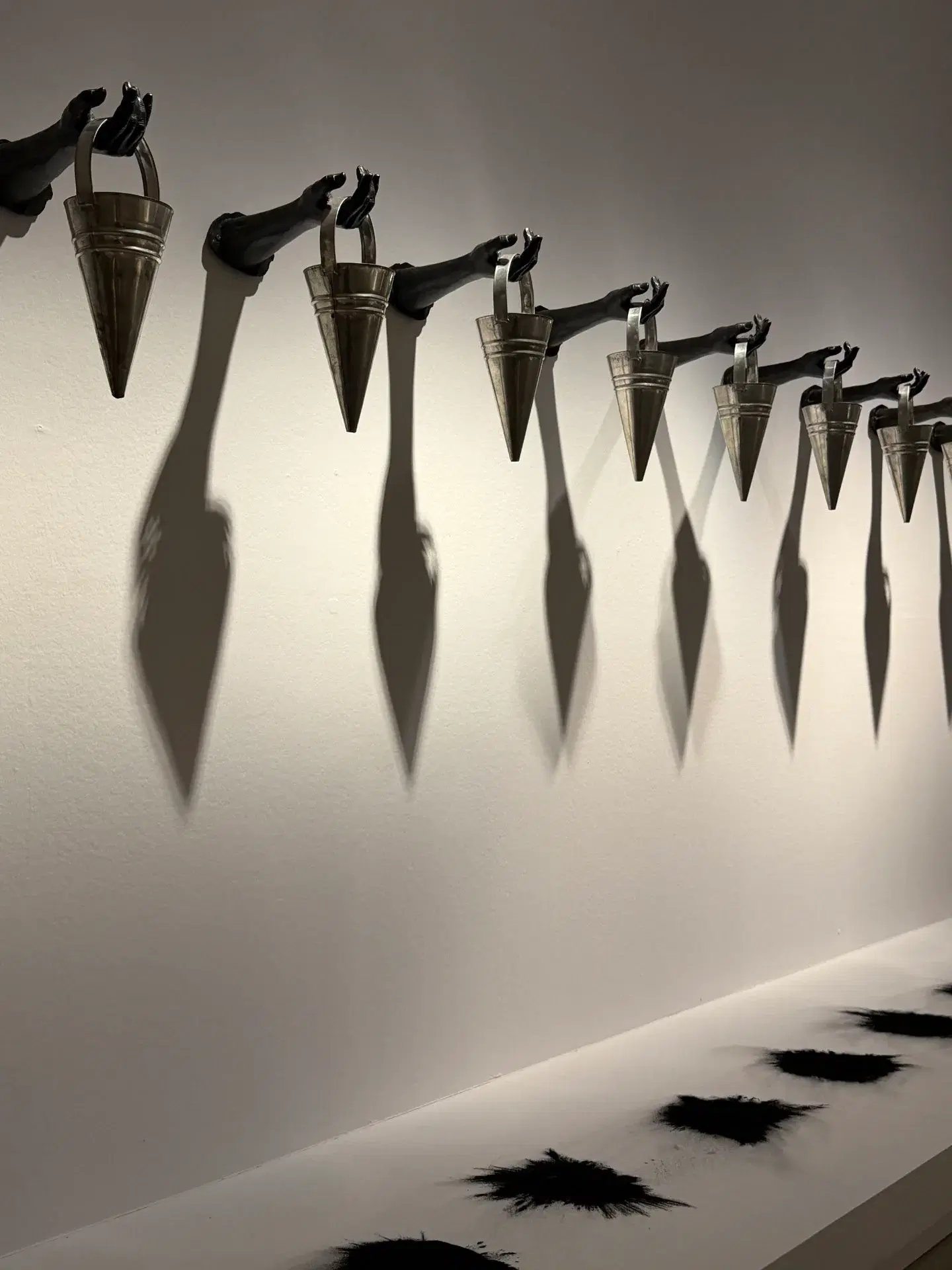
Traversing the 20th Century
10 Feb – 10 May 2026
Museum ICO Madrid
Ends soon
Journeying through the 20th Century
10 Feb – 10 May 2026
Museum ICO Madrid
Ends soon
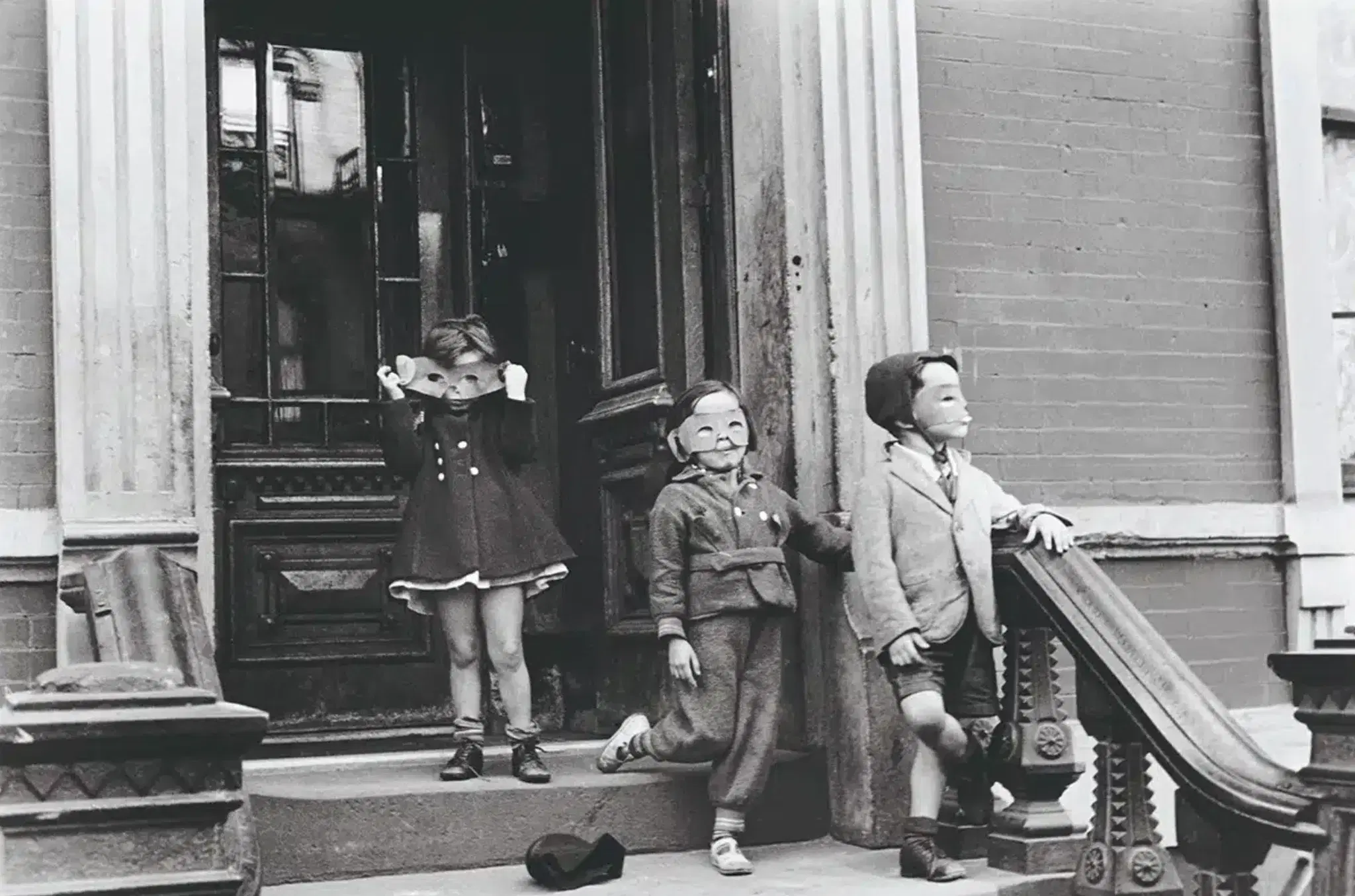
Helen Levitt
19 Feb – 17 May 2026
Fundación Mapfre Sala Recoletos

Ends soon
Anders Zorn.
19 Feb – 17 May 2026
Fundación Mapfre Sala Recoletos
Space and Time
4 Mar – 23 May 2026
Casa de América
Eduardo Ponjuán. Ruy Lopez Opening
26 Feb – 23 May 2026
El Apartamento Madrid
Hyperrealist Madrid
16 Dec 2025 – 24 May 2026
Museum of History of Madrid
The Female Perspective
12 Jan – 24 May 2026
Museo Nacional del Prado