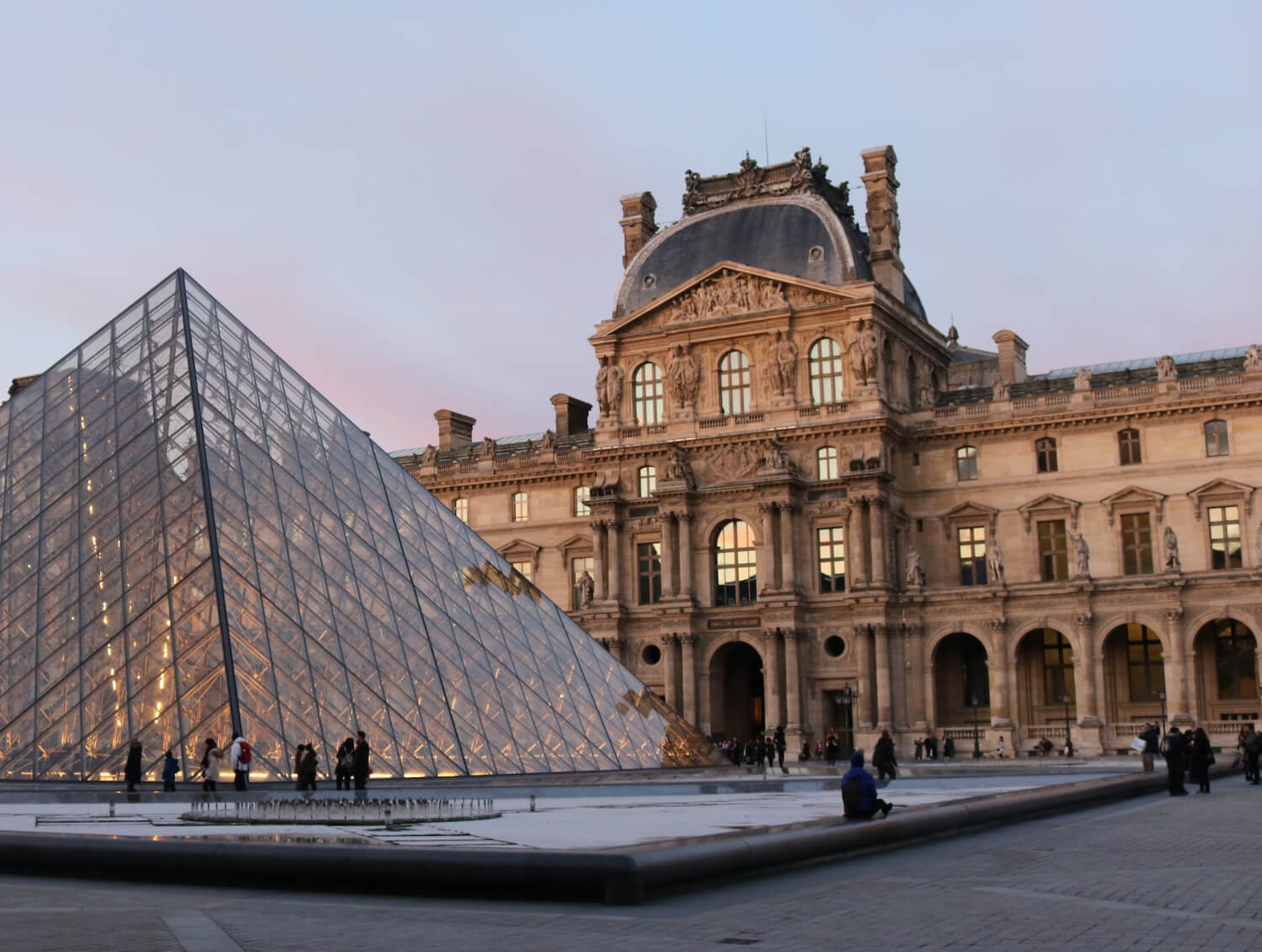
La Belle Ferronnière
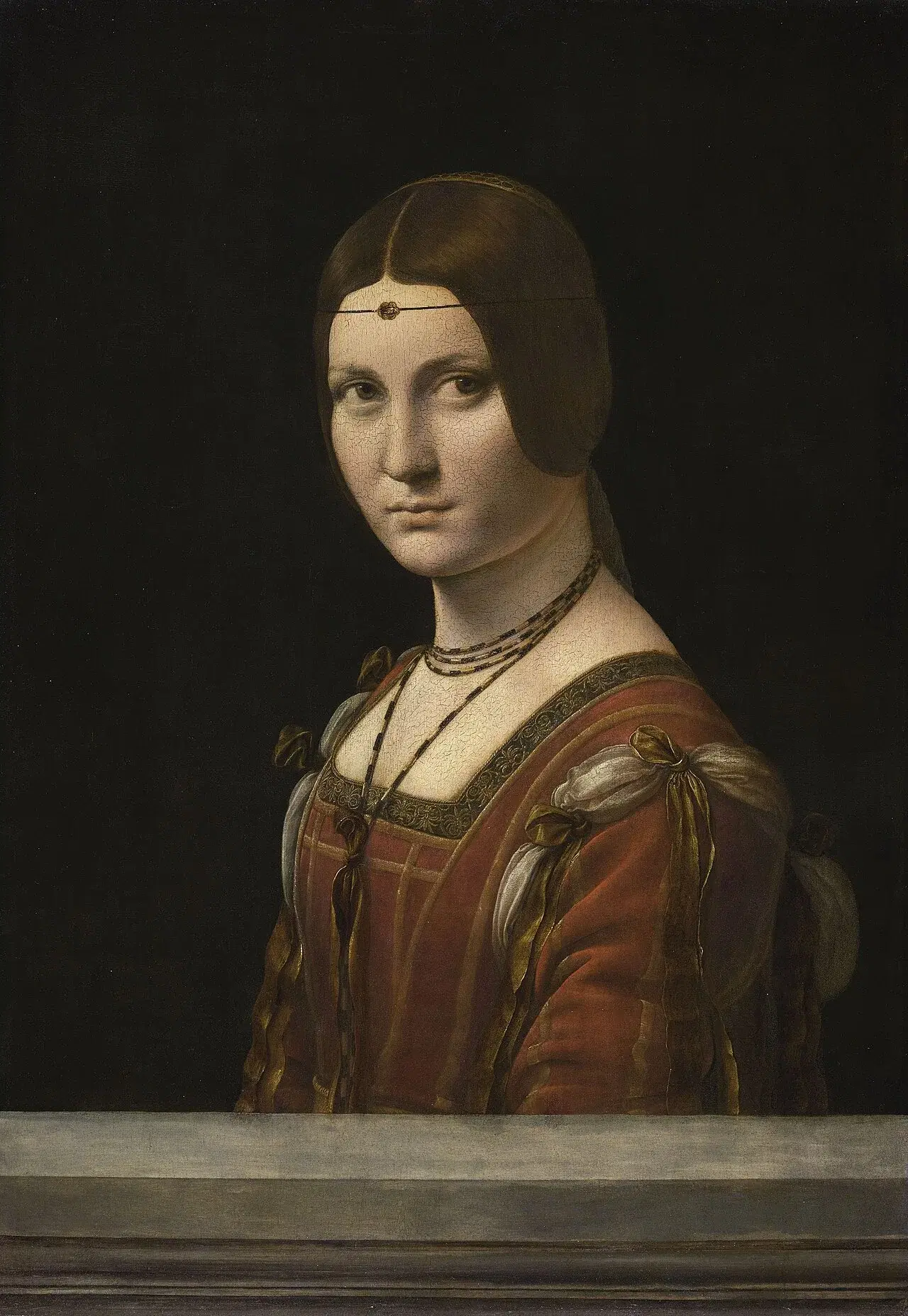
Meet the artist
Leonardo di ser Piero da Vinci1452–1519Italian
Dates
1490–1496
Specifications
- Movement
- High Renaissance, Renaissance
- Medium
- Oil Painting
- Genre
- Portrait
About the Artwork
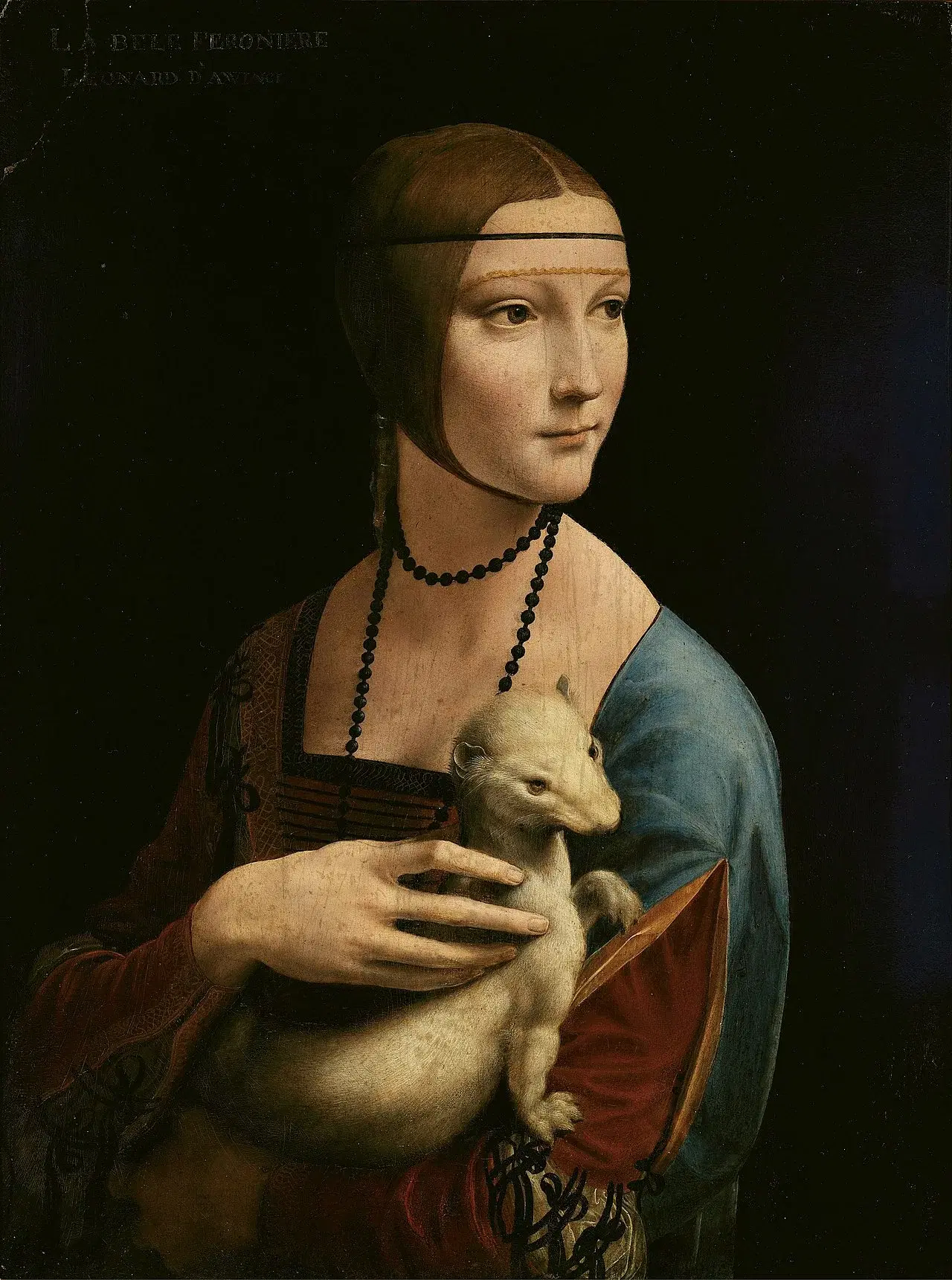
La Belle Ferronnière, painted by Leonardo da Vinci around 1490, is one of his most quietly compelling female portraits and a landmark of High Renaissance portraiture. The subject — whose identity remains debated — turns toward the viewer with a measured composure that feels simultaneously intimate and remote. Among the candidates proposed by scholars are Lucrezia Crivelli, a lady-in-waiting to the Duchess of Milan and mistress of Ludovico Sforza, and Beatrice d'Este, Sforza's wife; the uncertainty itself has become part of the painting's enduring fascination.\n\nLeonardo employed his mastery of sfumato to model the sitter's face with extraordinary subtlety, building up successive transparent layers of oil to create transitions between light and shadow of almost atmospheric delicacy. The unusual velvet ribbon worn at the center of her forehead — a ferronnière — gave the painting its misleading nickname, which as early as the seventeenth century was thought to refer to an ironmonger's wife linked to French king Francis I. Measuring 63 by 45 centimeters in oil on canvas, the work now hangs in the Louvre in Paris alongside Leonardo's other great female portraits. It endures as a testament to his unparalleled ability to capture psychological depth within a deceptively simple compositional format.
Don’t stop here
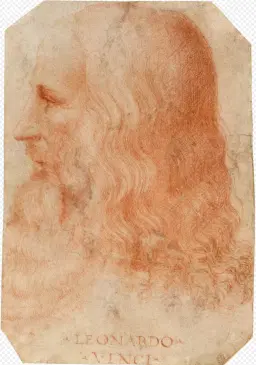
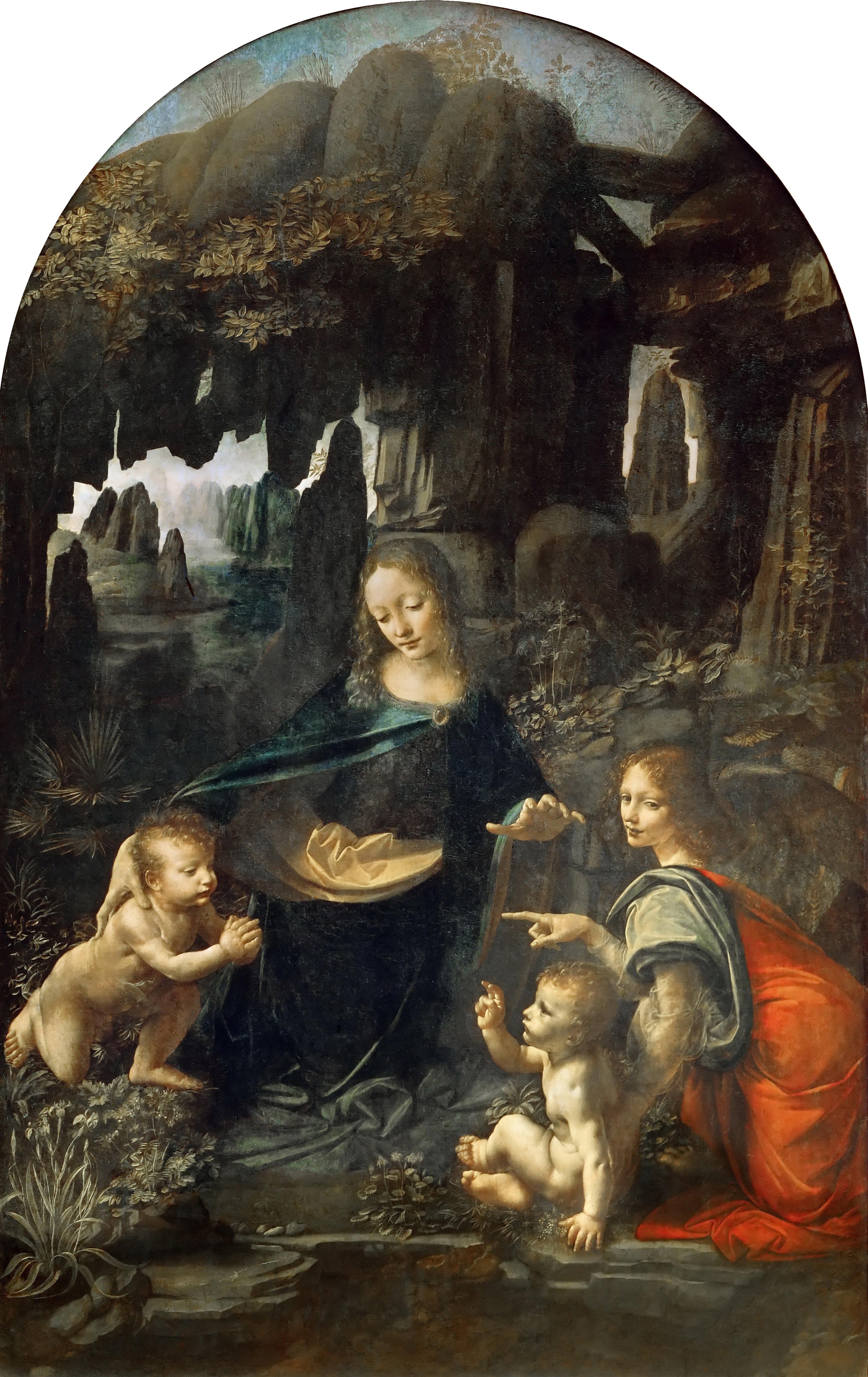
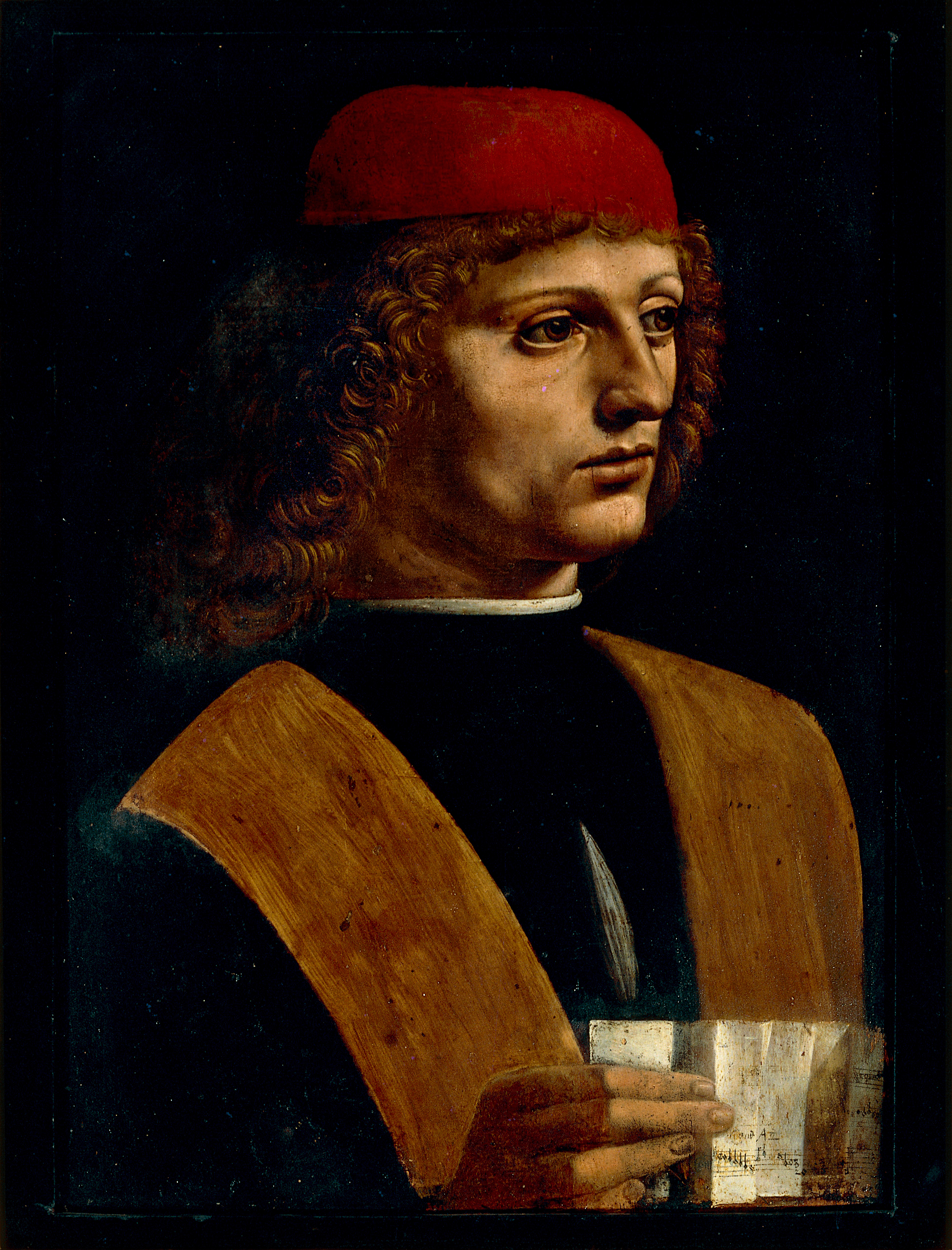
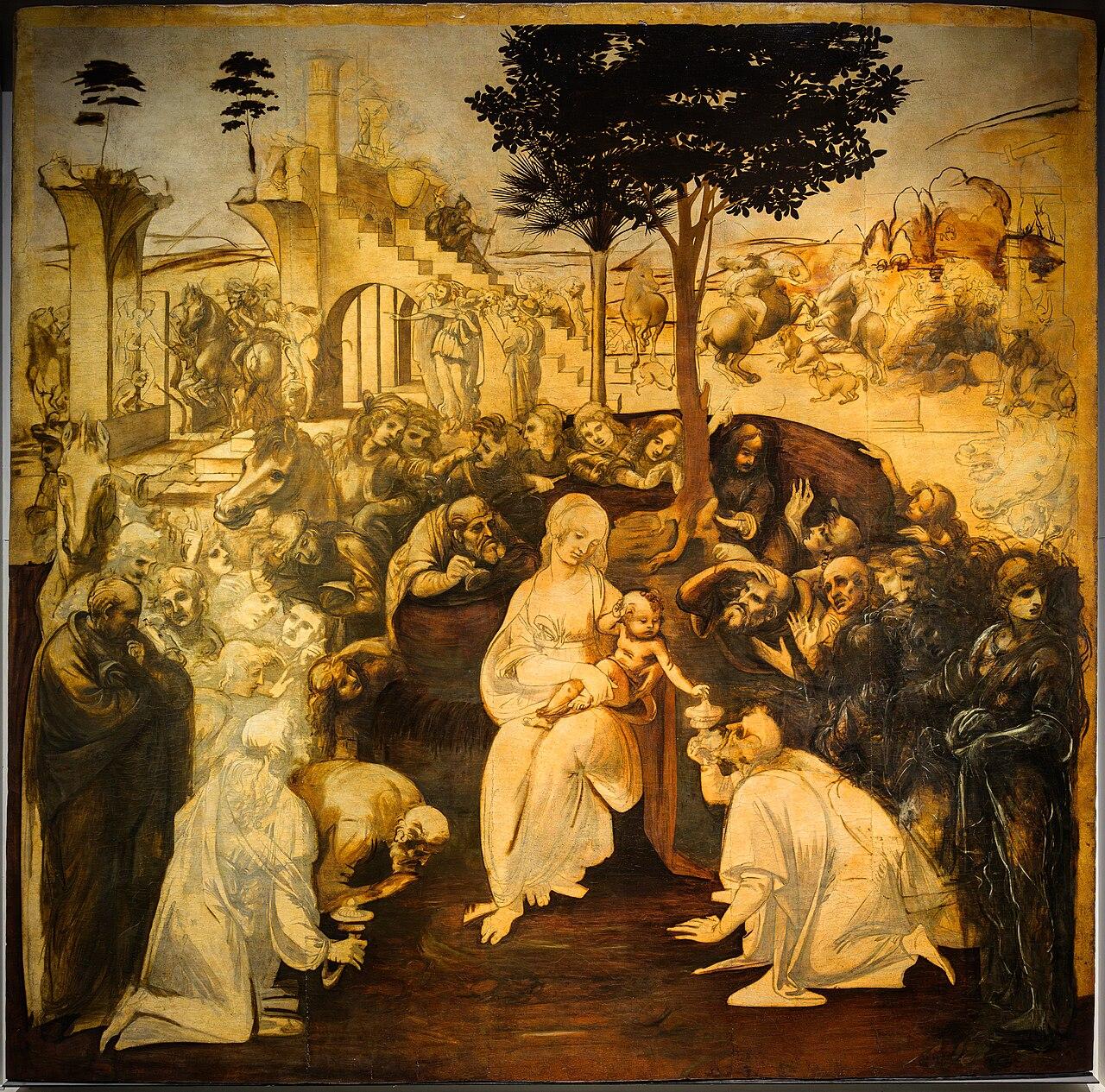
More to explore by Leonardo di ser Piero da Vinci
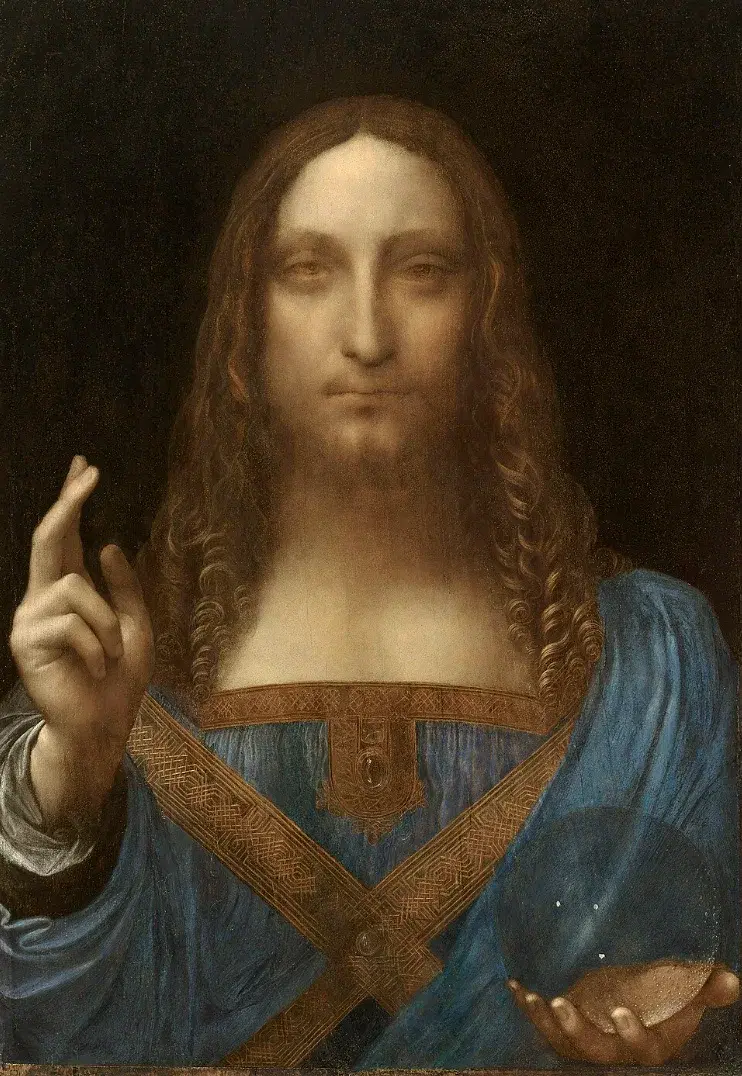
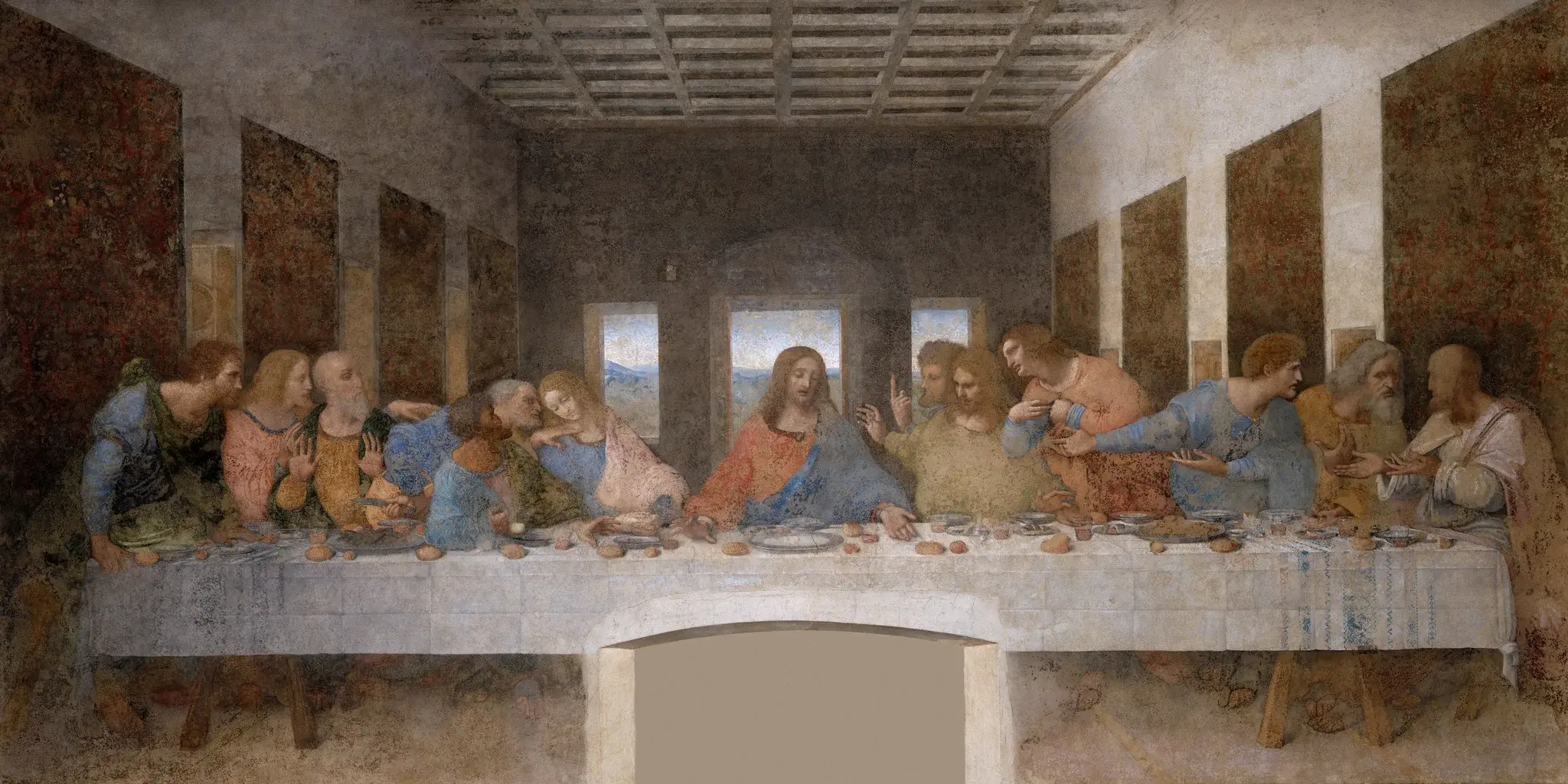
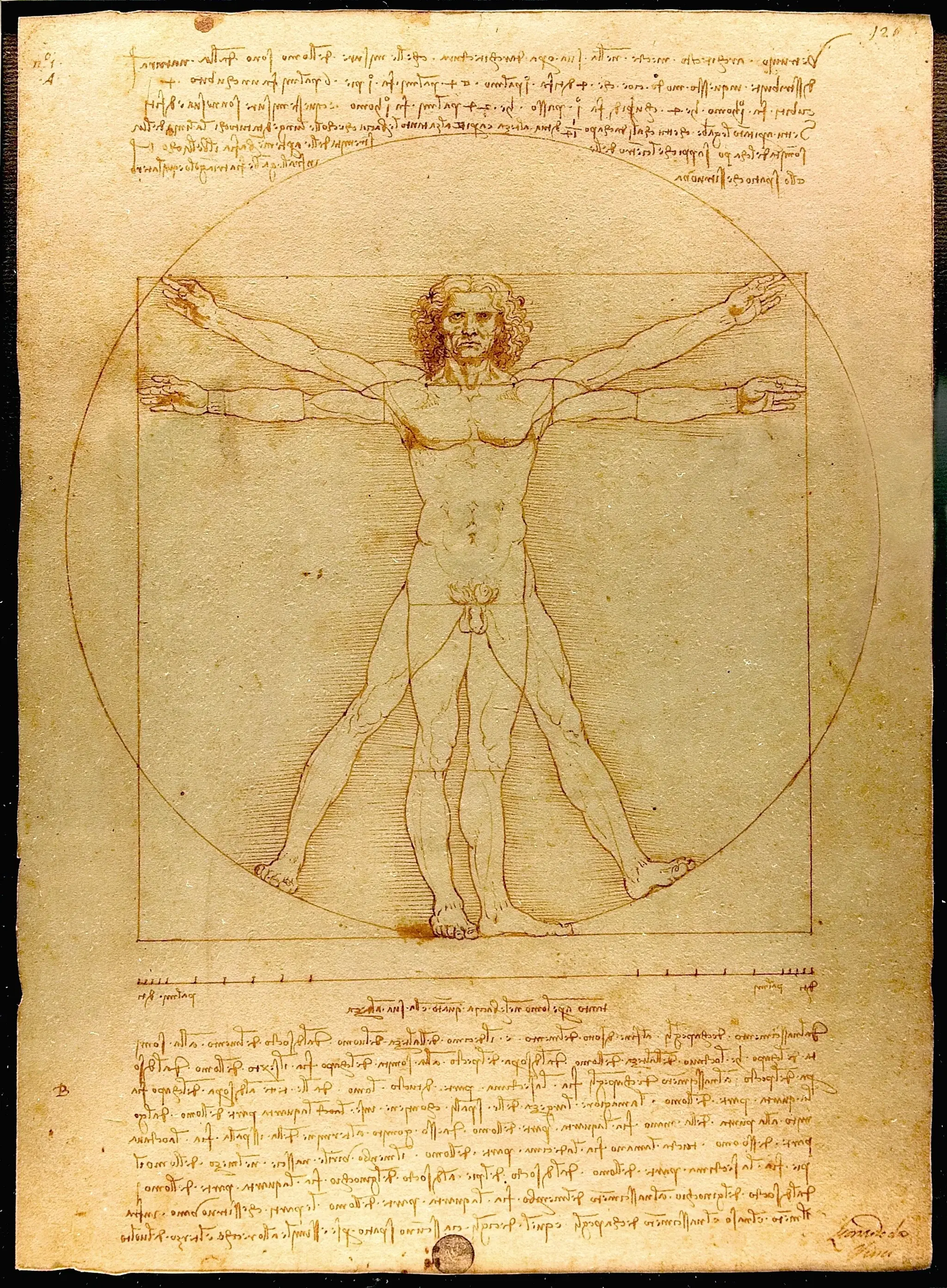
Same feeling, different artists
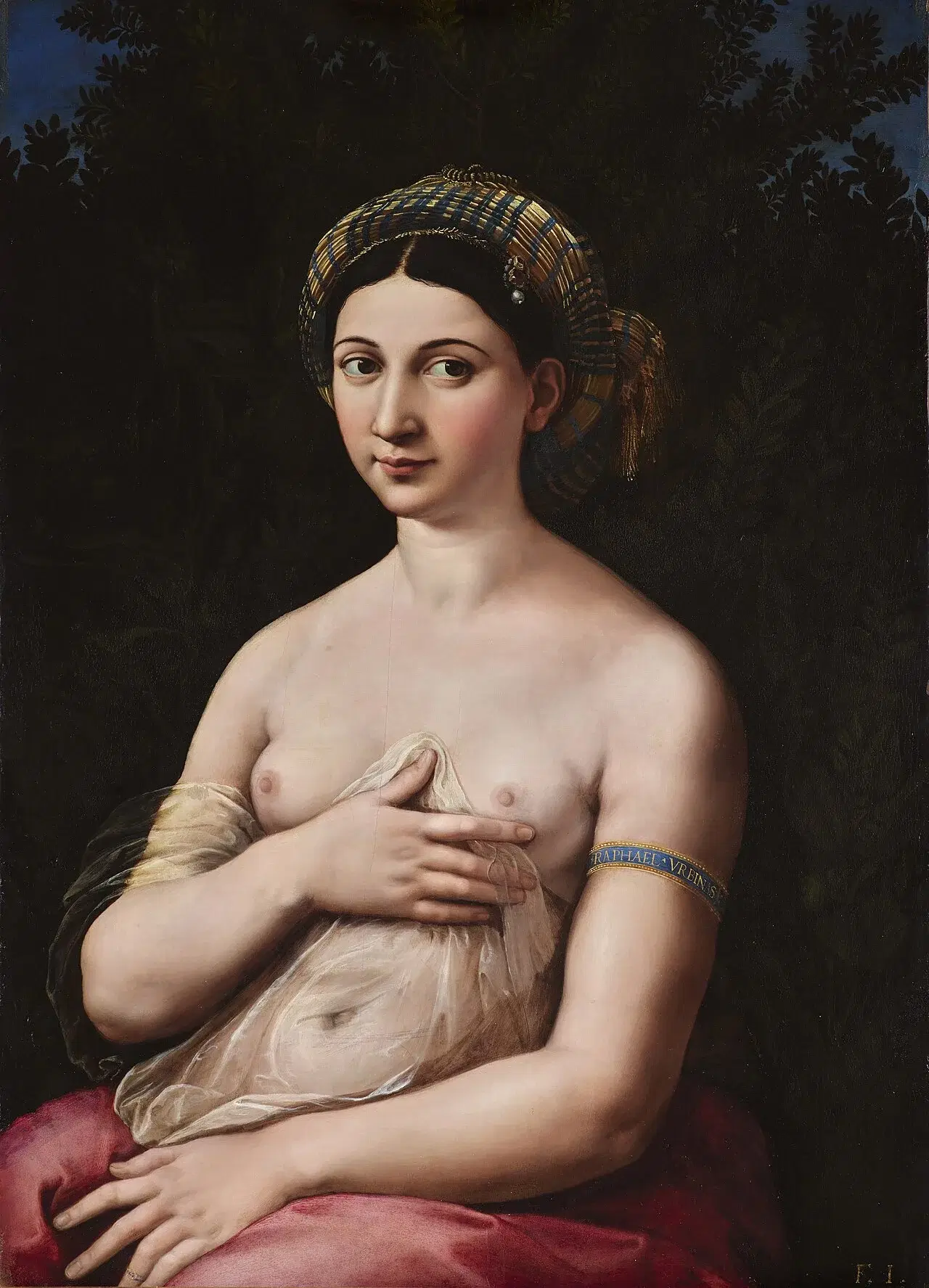
Similar Works by Other Artists
Keep exploring
Ends soon
Northern Light
Musée d’Orsay
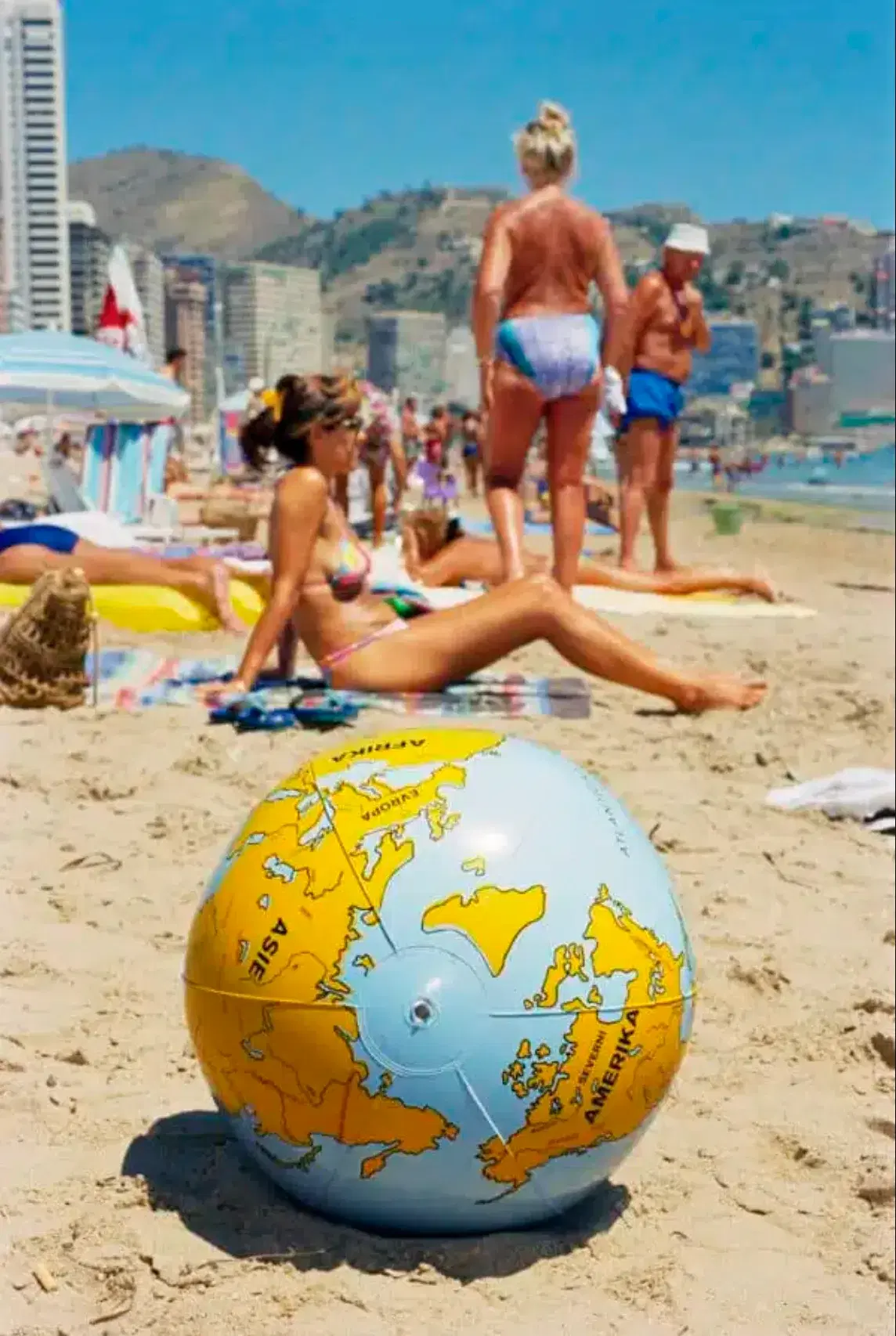
Martin Parr. Global warning
30 Jan – 24 May 2026
Jeu de Paume
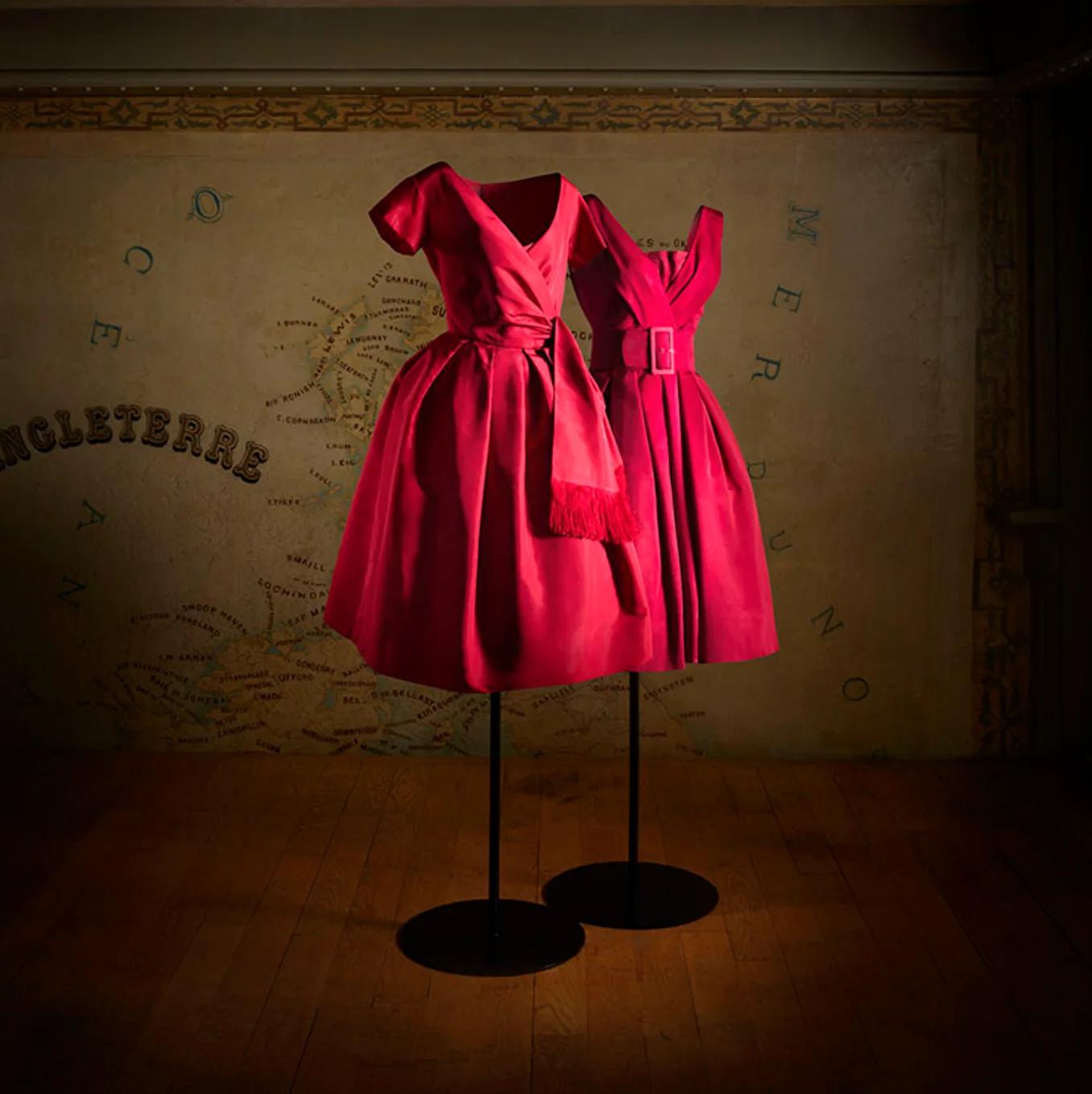
Azzedine Alaïa and Christian Dior, two masters of haute couture
12 Dec 2025 – 24 May 2026
Fondation Azzedine Alaïa

Dana Lixenberg. American Images
11 Feb – 24 May 2026
MEP – Maison Européenne de la Photographie
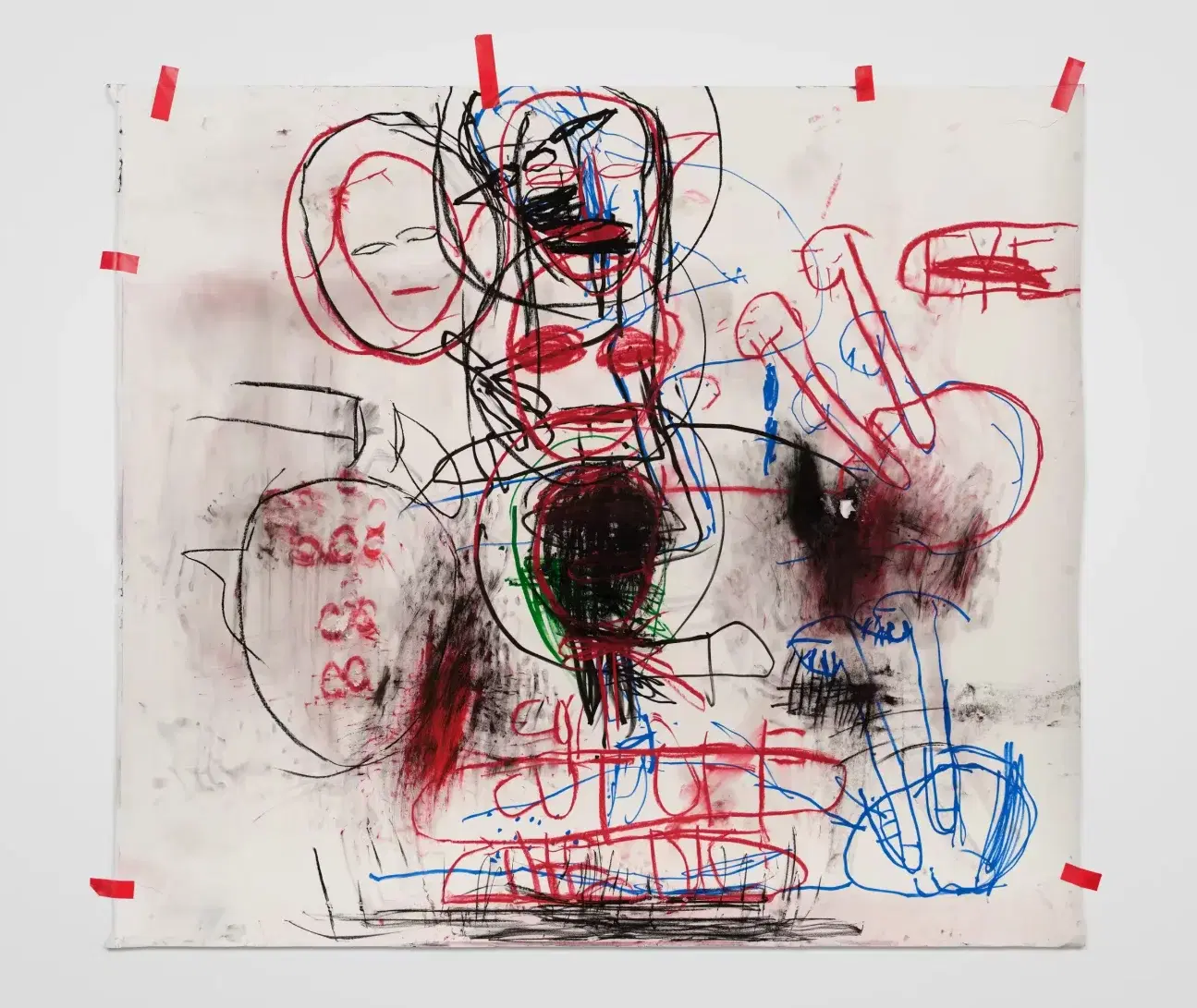
Paul McCarthy
21 Mar – 30 May 2026
Hauser & Wirth Paris

Sebastião Salgado
21 Feb – 30 May 2026
Hôtel de Ville
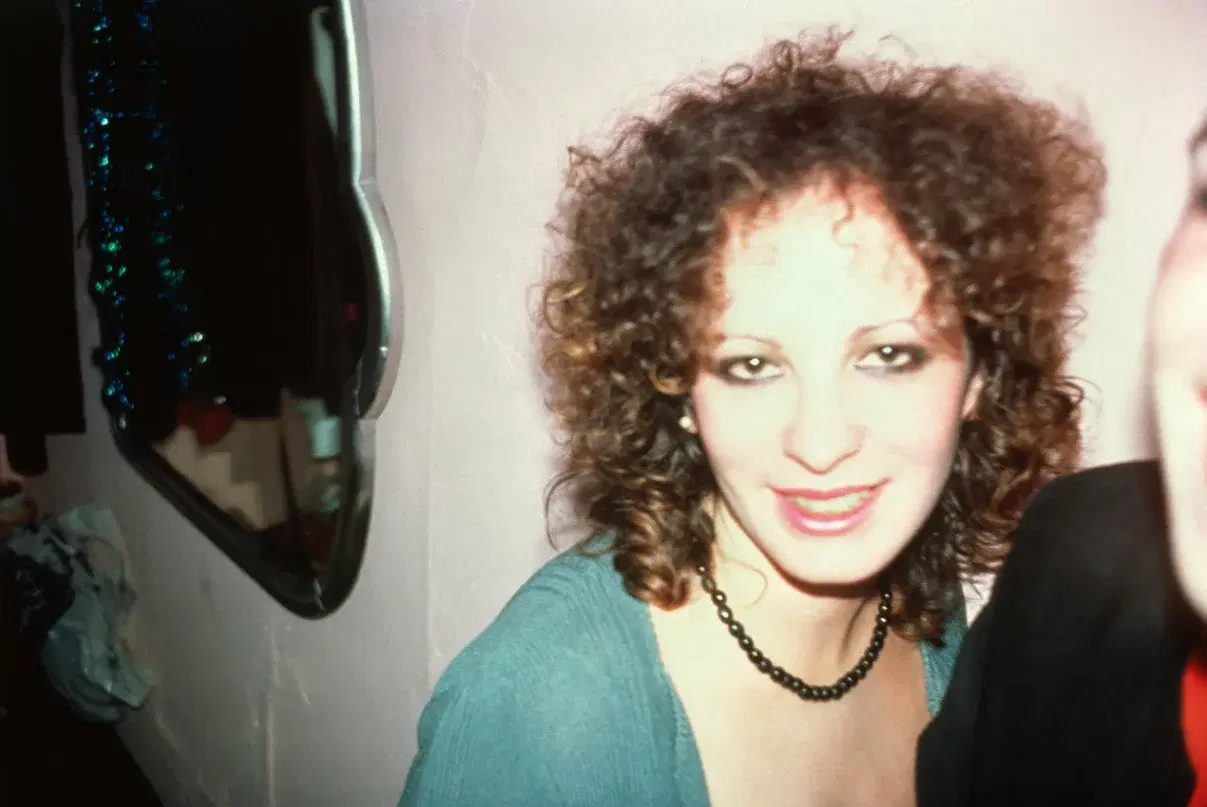
Nan Goldin
18 Mar – 21 Jun 2026
Grand Palais Paris
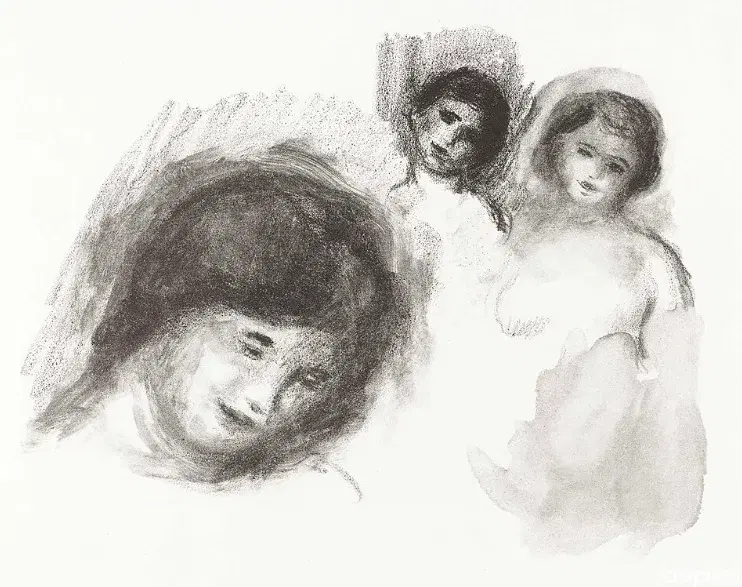
Renoir Drawings
17 Mar – 5 Jul 2026
Musée d’Orsay
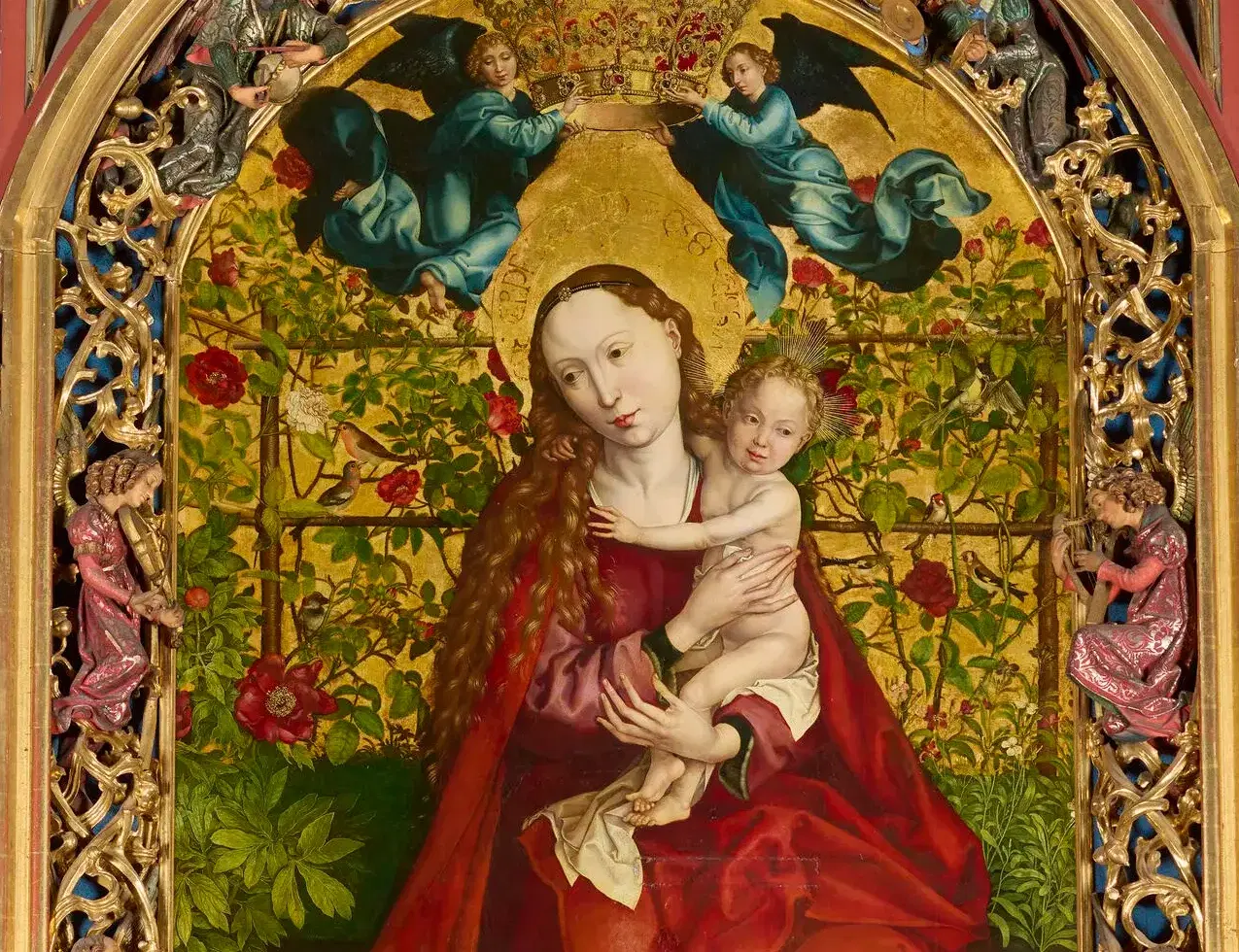
Martin Schongauer
8 Apr – 20 Jul 2026
Louvre Museum
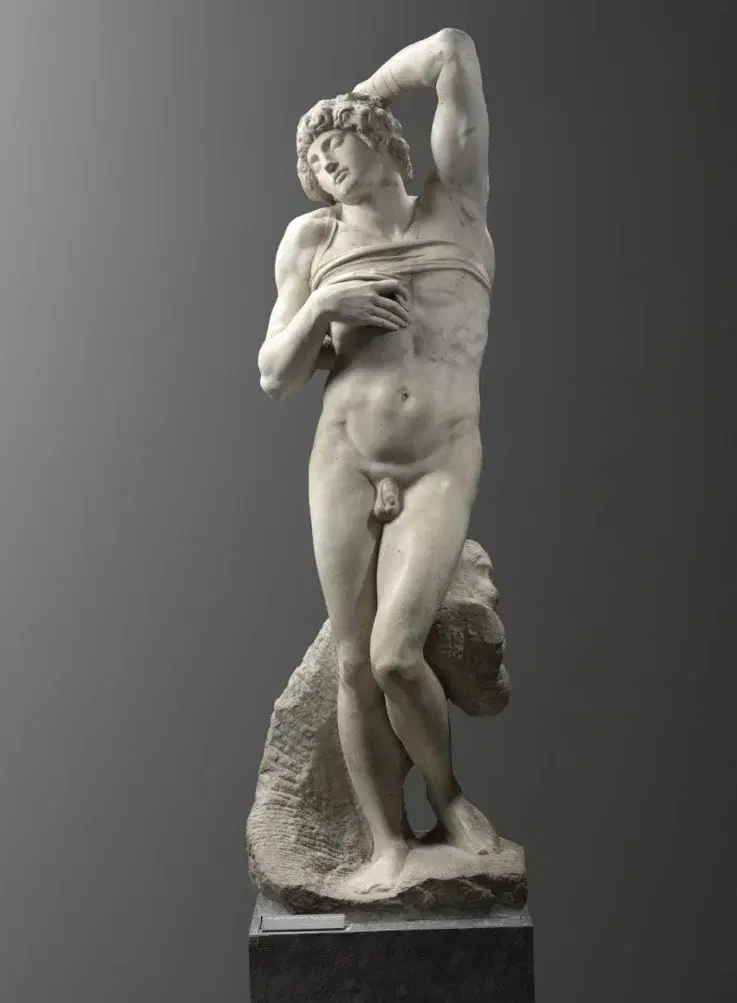
Michelangelo and Rodin
15 Apr – 20 Jul 2026
Louvre Museum