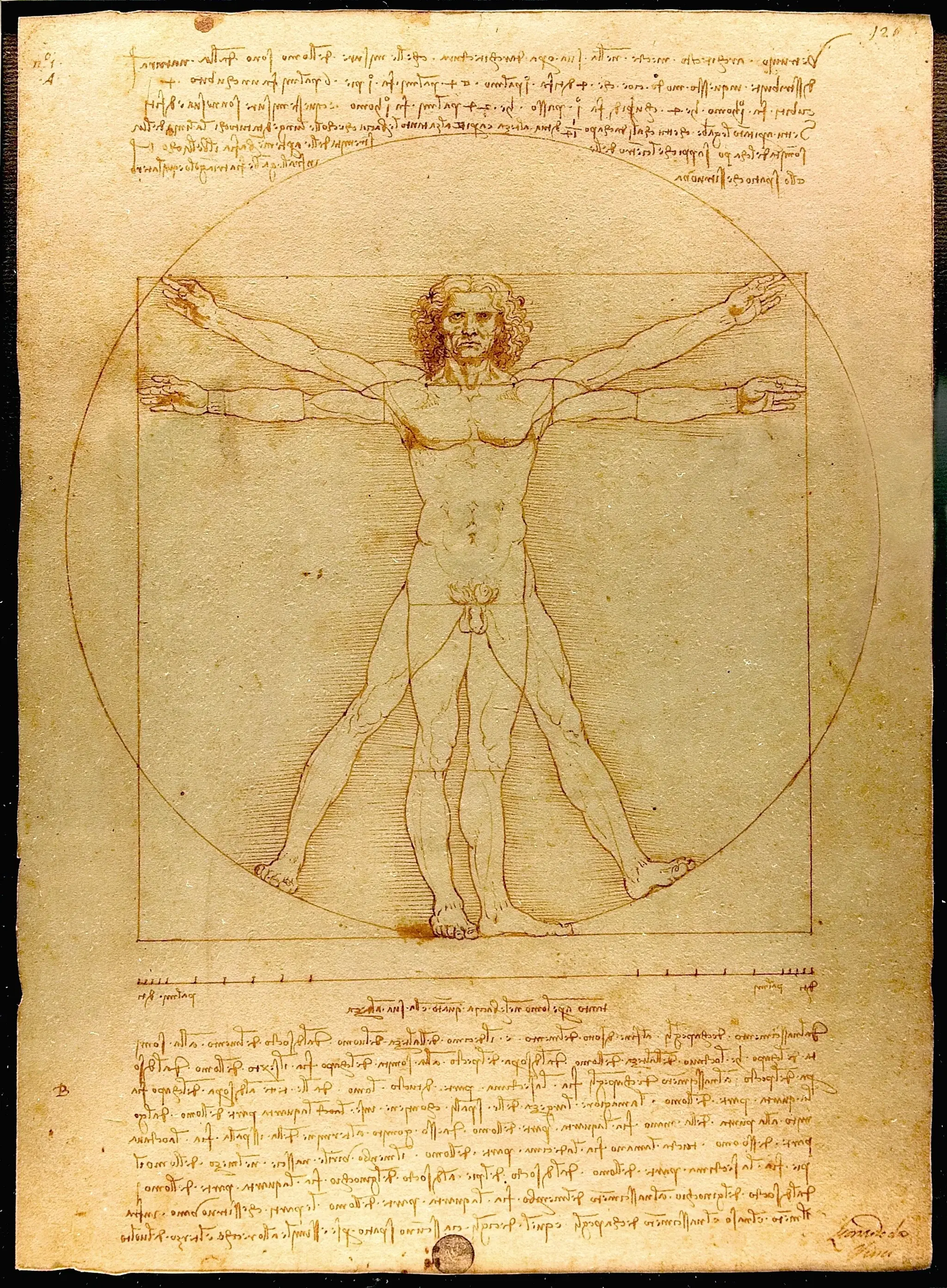
Vitruvian Man
#71
Meet the artist
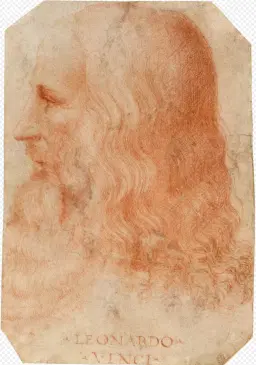
Leonardo di ser Piero da Vinci1452–1519Italian
Dates
c. 1490
Specifications
- Original title
- L'uomo vitruviano
- Dimensions
- 34.4 × 24.5 cm
Wikimedia Commons
About the Artwork
Leonardo da Vinci's "Vitruvian Man," created around 1490, is more than just a drawing; it's a symbol of the High Renaissance and the marriage of art and science. This iconic image depicts a nude male figure in two superimposed positions, perfectly fitting within both a circle and a square. Inspired by the writings of the Roman architect Vitruvius, who theorized about the ideal proportions of the human body, Leonardo meticulously studied and refined these proportions, adding his own artistic flair and scientific observation. The drawing showcases Leonardo's deep understanding of anatomy, mathematics, and the classical world, making it a cornerstone of art history and a testament to human potential.
The historical significance of "Vitruvian Man" lies in its embodiment of Renaissance humanism, a philosophical movement that celebrated human achievement and potential. Leonardo's drawing reflects this by placing humanity at the center of the universe, literally framing the human body within the perfect geometric forms of the circle and the square. Furthermore, the drawing demonstrates Leonardo's meticulous artistic process, showcasing his use of precise measurements and calculations to achieve anatomical accuracy and aesthetic harmony. It's a window into the mind of a genius, revealing how art and science could be used together to understand the world and our place within it.
Leonardo's artistic techniques are evident in the delicate lines and subtle shading of the drawing. Executed primarily with pen and light-brown ink, with traces of brown wash (watercolor), the artwork demonstrates his mastery of line and form. He used metalpoint, a compass, and calipers to create precise lines, demonstrating an inner structure of "measured intervals", emphasizing the calculated nature of his study. The figure itself is rendered with incredible detail, from the intricate curls of the hair to the carefully placed fingers and toes. This level of detail, combined with the drawing's underlying mathematical principles, makes the "Vitruvian Man" a captivating and enduring work of art that continues to inspire awe and admiration centuries later. It is a powerful reminder of the human capacity for both intellectual and artistic achievement.
How to experience it
when on display, read the circle and square as an idea, not just anatomy
Don’t stop here
More to explore by Leonardo di ser Piero da Vinci
Same feeling, different artists
Similar Works by Other Artists
Keep exploring
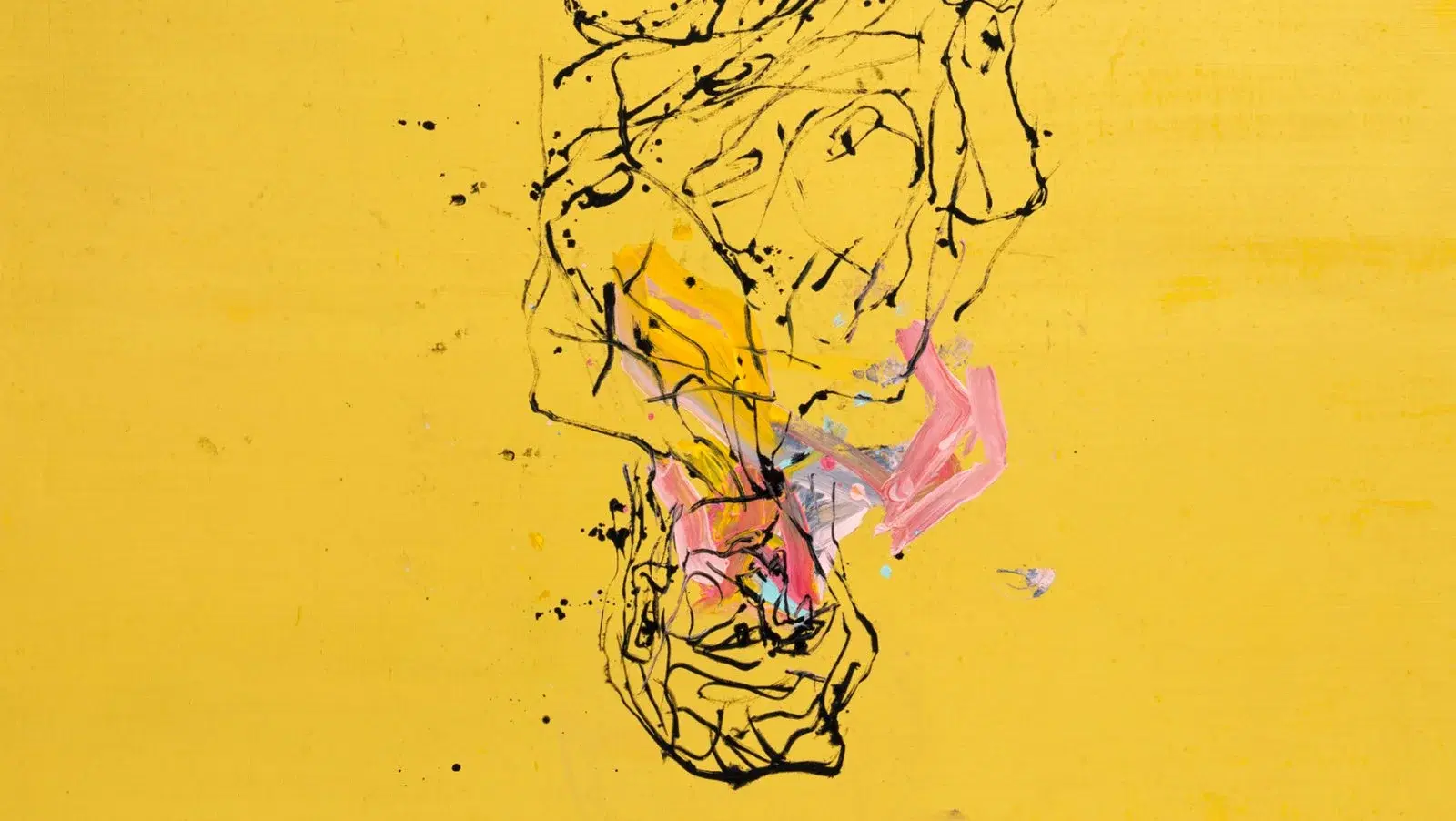
Georg Baselitz. Eroi d’Oro
6 May – 27 Sep 2026
Fondazione Giorgio Cini

Marina Abramović exhibition Transforming Energy at Gallerie dell'Accademia di Venezia
6 May – 19 Oct 2026
Gallerie dell’Accademia di Venezia

Venice Biennale
9 May – 22 Nov 2026
Ca’ Giustinian
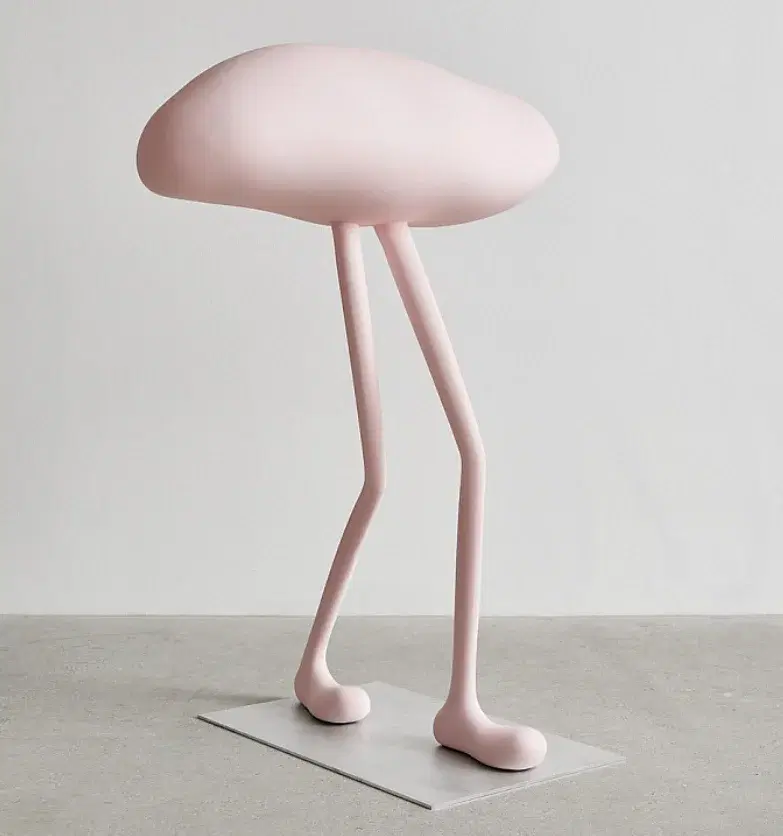
Erwin Wurm. Dreamers
6 May – 22 Nov 2026
Palazzo Fortuny Venezia
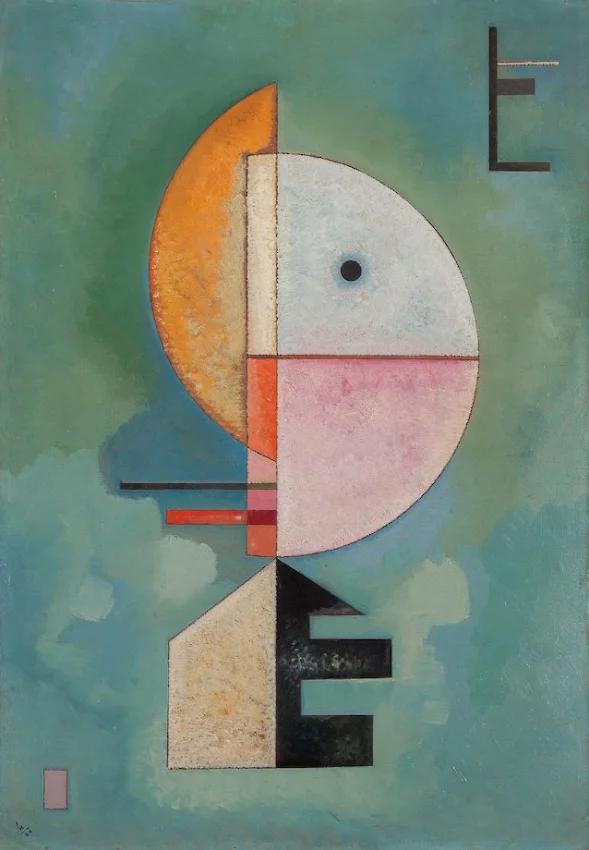
Peggy Guggenheim Collection in Venice
Peggy Guggenheim Collection