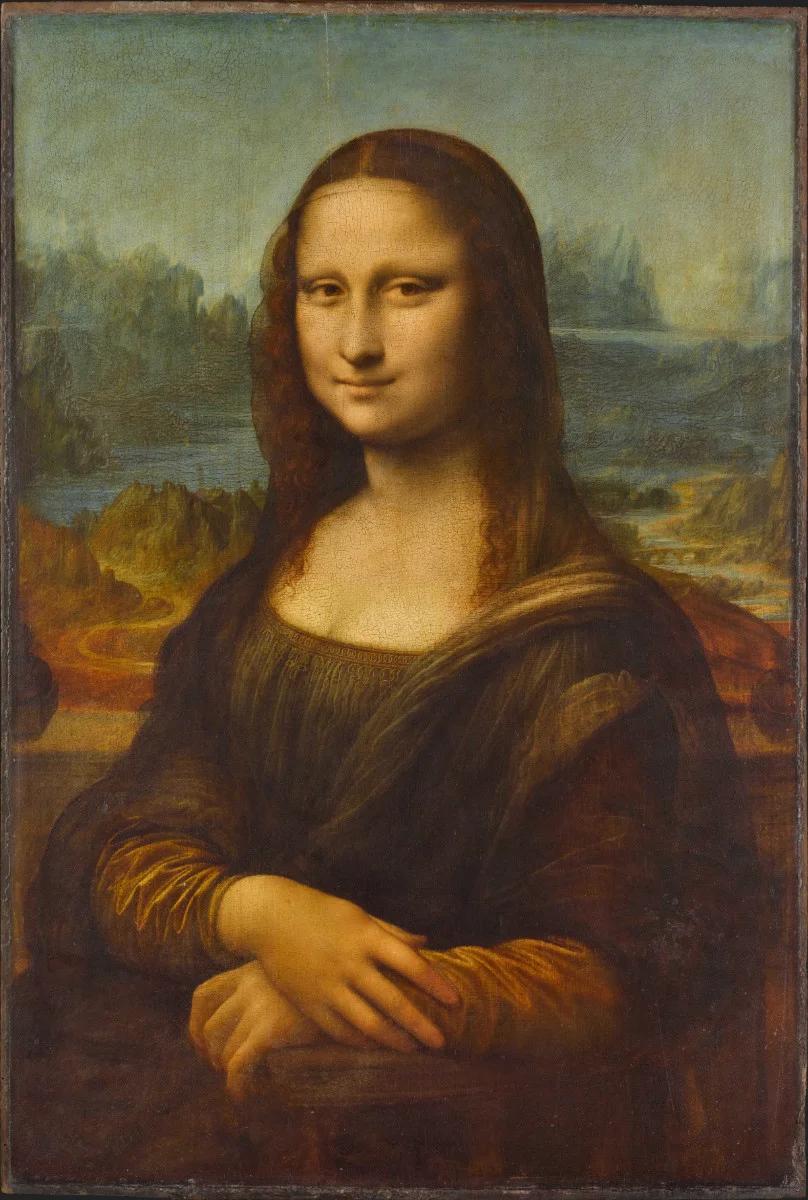
La Gioconda - The Mona Lisa
#1
The most famous face in the world… and still no one knows exactly why she’s smiling.
Meet the artist
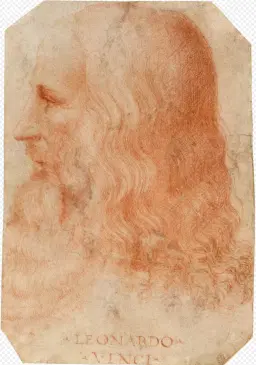
Leonardo di ser Piero da Vinci1452–1519Italian
Dates
1503–1519
Specifications
- Original title
- Portrait of Lisa Gherardini, wife of Francesco del Giocondo - La Joconde
- Movement
- High Renaissance
- Medium
- Oil Painting
- Genre
- Portrait
- Dimensions
- 77 × 53 cm
© Public domain La Gioconda - Mona Lisa
About the Artwork
The Mona Lisa is famous for its attractiveness but also for many fortuitous circumstances. It shows Leonardo’s skillful handling of the sfumato technique, an artistic technique that uses subtle gradations of light and shadow to model form.
A few tips to know about the masterpiece:
- From Italy to France. Although da Vinci began working on his work in Italy, he finished it when he moved to France. There he stayed, even Napoleon Bonaparte kept the painting on his dressing table.
- In 1911 it was stolen and Picasso was under suspicion of the theft and today the work has its own room in the Louvre Museum in Paris. With the robbery came his fame.
- She has her own mailbox, though not everyone is a fan. Since 1815, the Louvre has received many love letters and flowers from admirers for Mona Lisa. In 1956 she suffered two separate attacks, one person threw acid at the painting, and another a stone. You can still see a little damage. The addition of bulletproof glass repelled subsequent attacks with spray paint in 1974 and a cup of coffee in 2009.
- She cannot be bought or sold. Truly priceless, the painting cannot be bought or sold according to French heritage law. As part of the Louvre collection, “Mona Lisa” belongs to the public, and by popular agreement, their hearts belong to her. Today (2021) there are those who think that it can be worth up to 450.3 million dollars, and help France to get out of the pandemic.
- It took approximately 16 years to paint the Mona Lisa, between the years of 1503 and 1519.
Spotlight
That smile isn’t fixed—it changes depending on where you look.
Mona Lisa meaning: Mona referred to Madonna, as they addressed all women. The Italian name for the Mona Lisa painting is La Gioconda, which literally means “the happy one.” It is said to be a pun on the feminine form of Lisa’s marriage surname: Giocondo.
Thanks to Leonardo’s sfumato technique, the mouth sits in soft shadow, so your brain completes the expression differently each time.
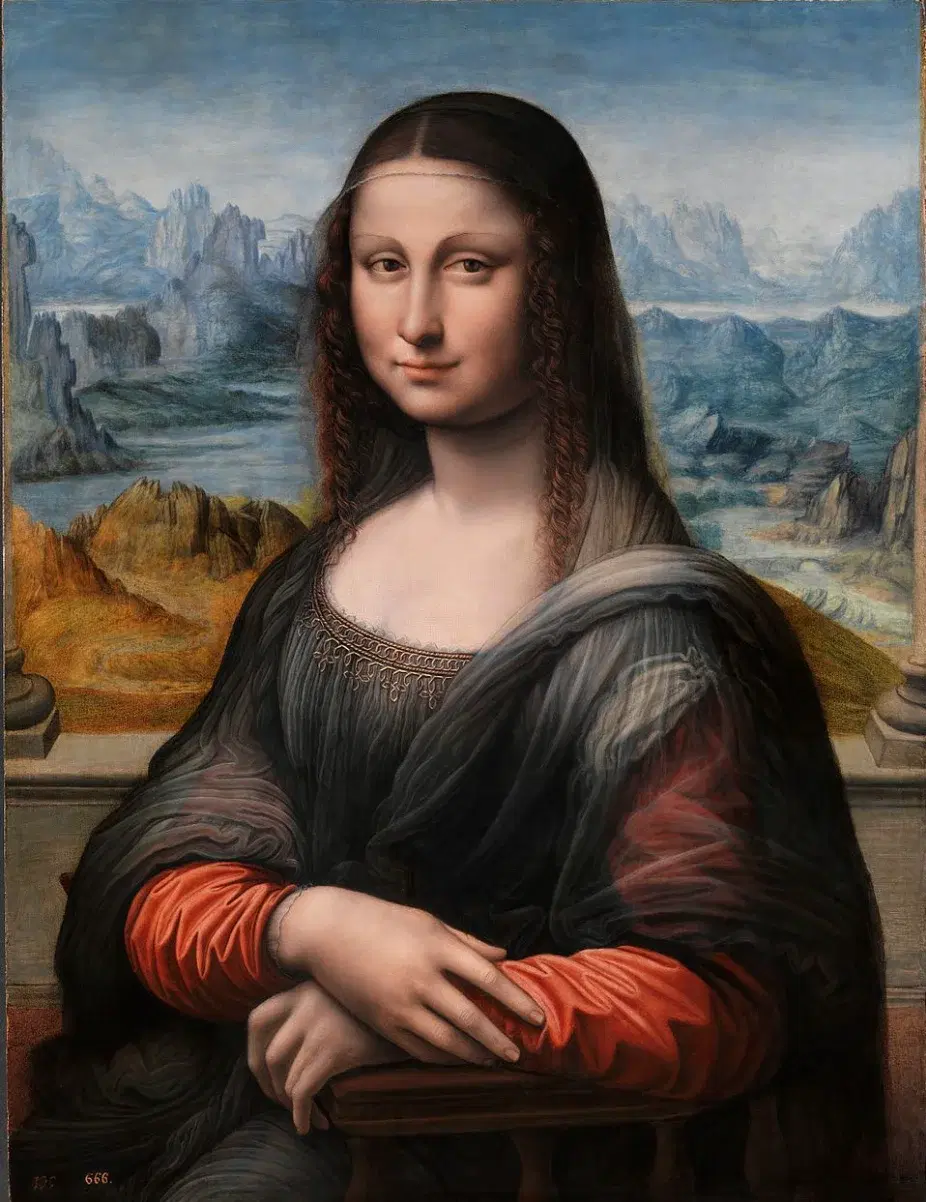
Replicas and reinterpretations. Leonardo da Vinci’s Mona Lisa is one of the most recognizable and famous works of art in the world, and also one of the most replicated and reinterpreted. Prominent 20th-century artists such as Marcel Duchamp and Salvador Dalí have also produced derivative works, manipulating Mona Lisa’s image to suit their own aesthetic.
Worth the trip
Because seeing it in person is completely different from seeing it online. No reproduction prepares you for the real thing.
But the moment you stand in front of it, surrounded by a crowd that traveled from all over the world for this exact painting, you understand: It’s not just the artwork. It’s the aura, the history, the obsession. You don’t go to the Louvre Museum just to see the Mona Lisa. You go to understand why millions of people still do. If there’s one artwork that proves Artlovers’ idea — art is a reason to travel — this is it.
How to experience it
Yes, it’s crowded. Yes—it’s smaller than expected. Yes—it’s behind glass.
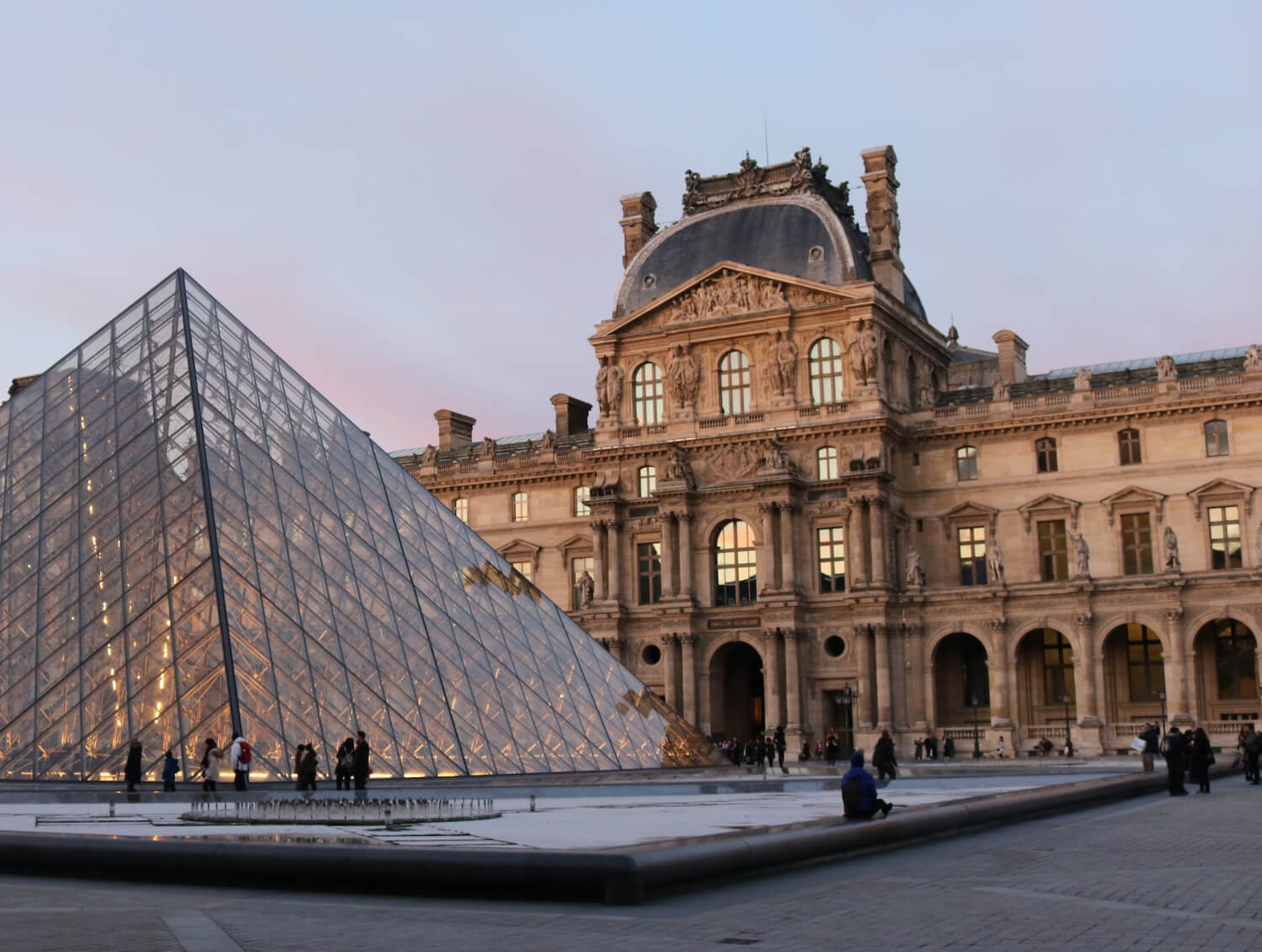
Today the work has its own room in the Louvre Museum in Paris.
An unbreakable glass display case maintains a controlled temperature of 43º F. and a small spotlight brings out the true colors of the original Da Vinci paintings.
Artlovers Tip
Thinks you’re not just looking at a portrait. You’re looking at the birth of modern fame.
Don’t stop here
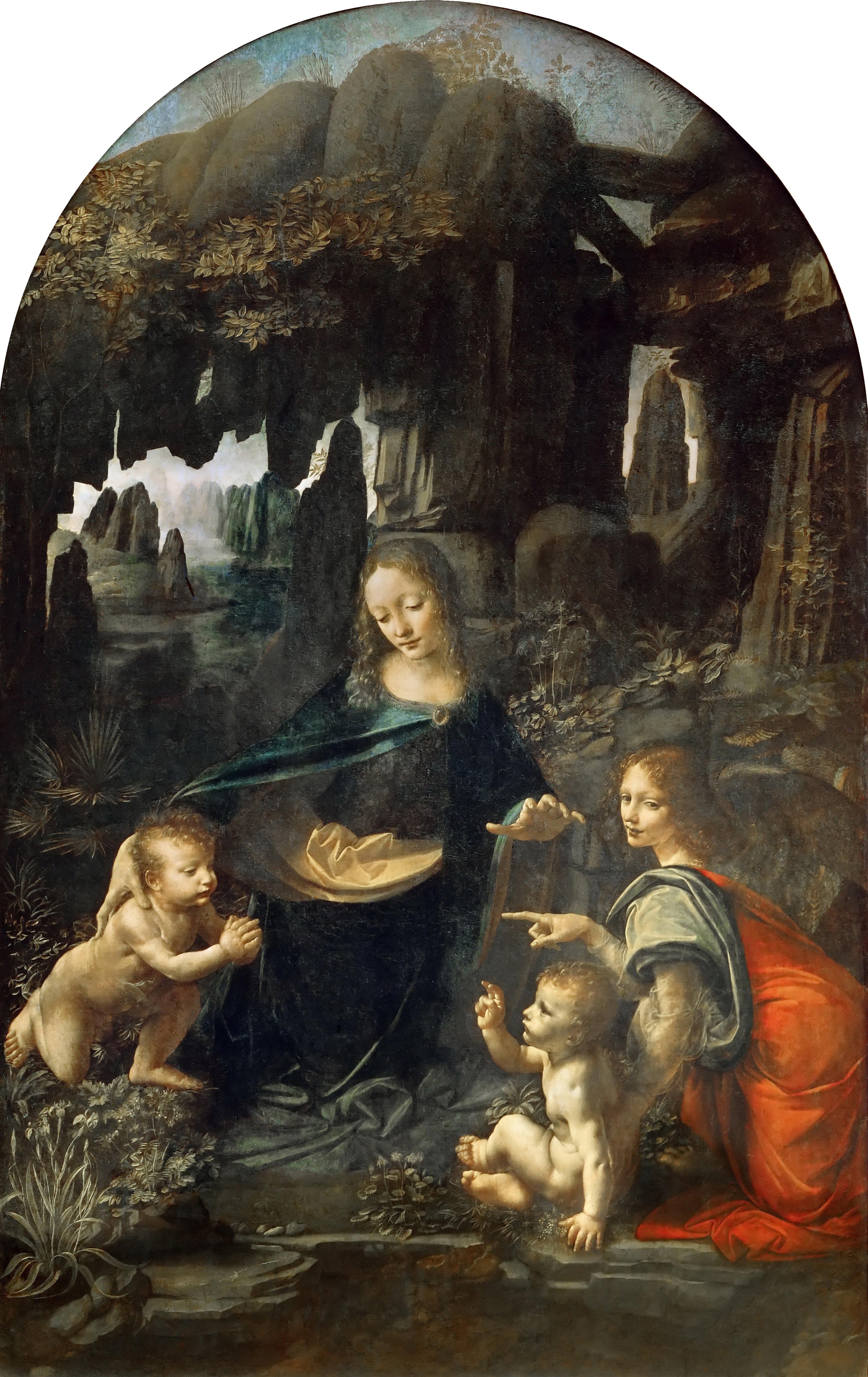
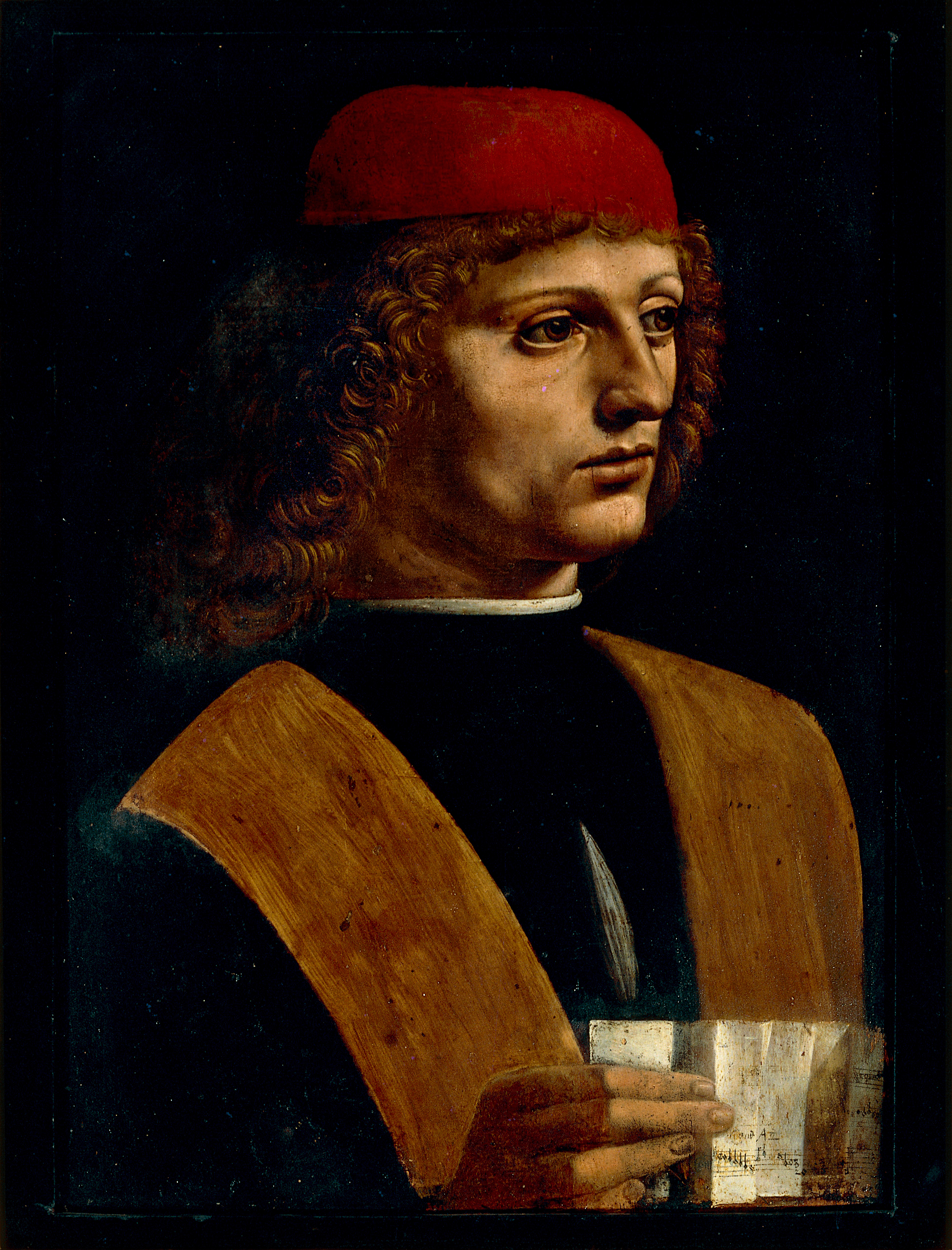
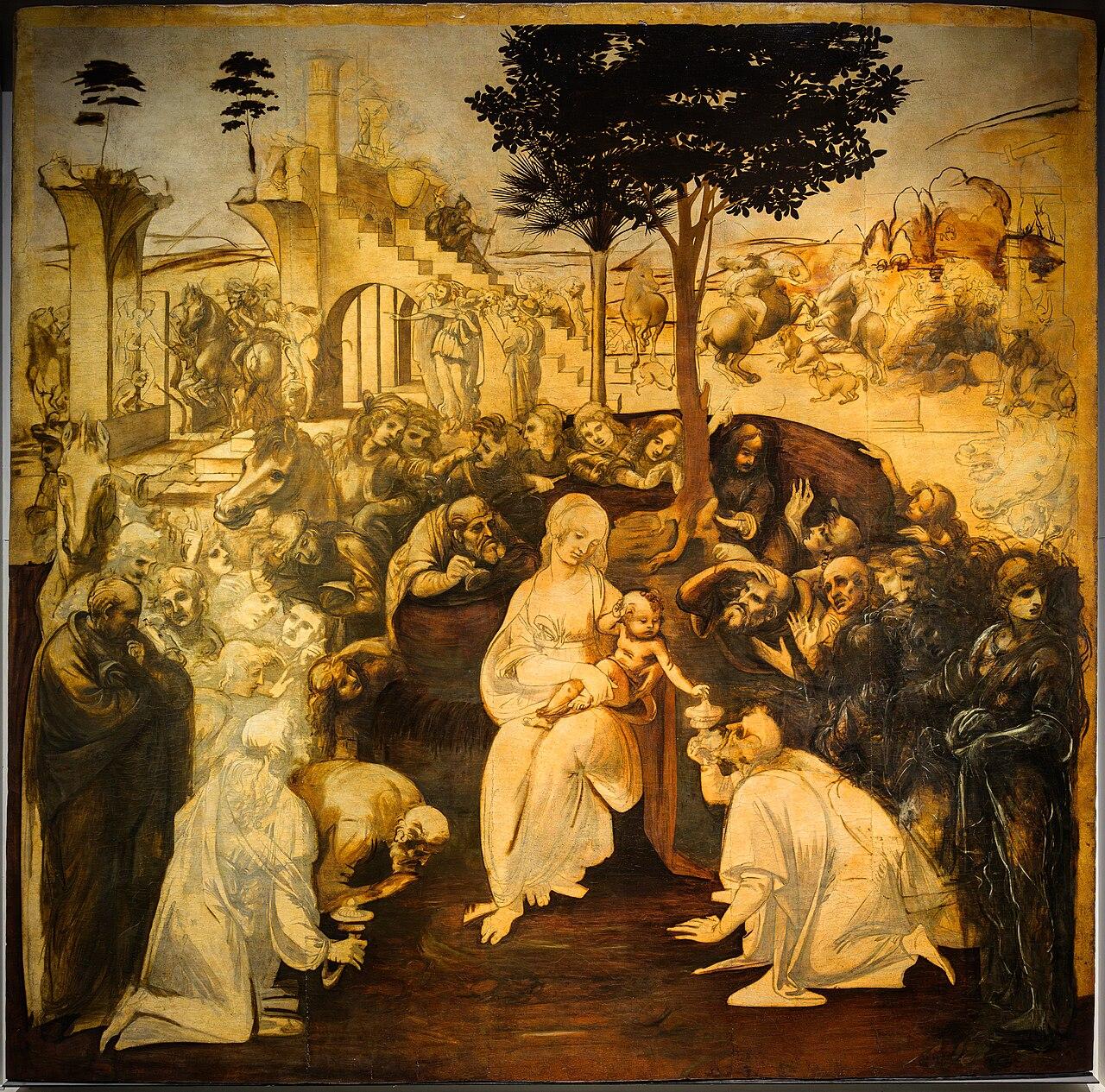
More to explore by Leonardo di ser Piero da Vinci
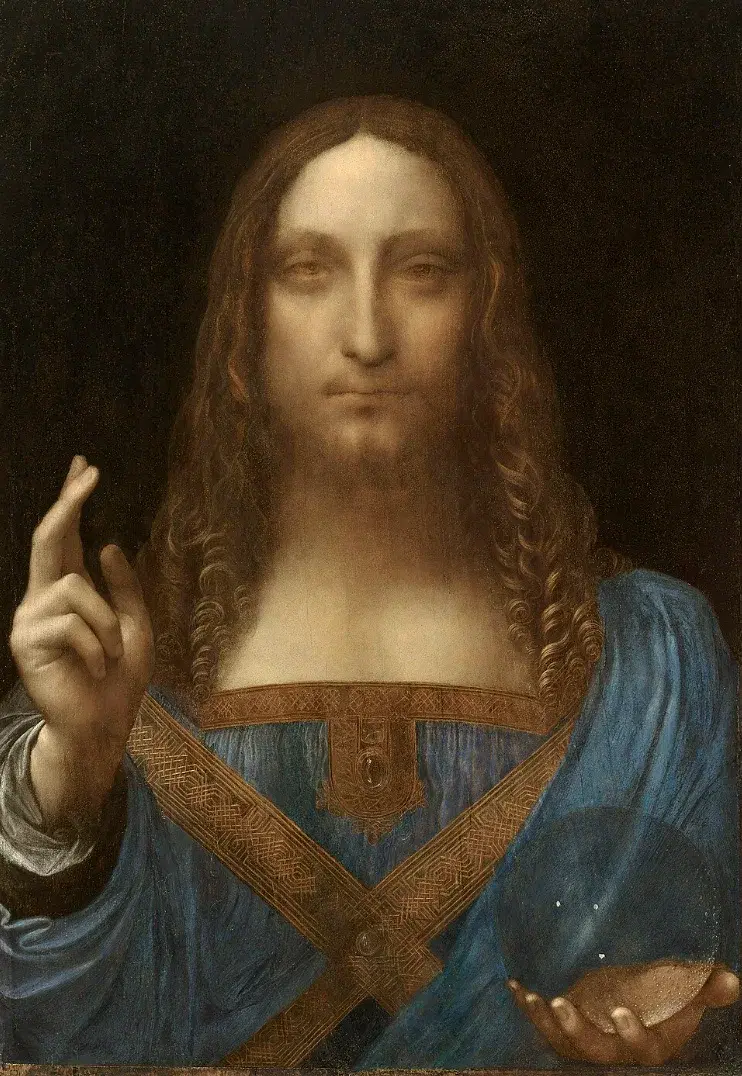
Same feeling, different artists
Similar Works by Other Artists
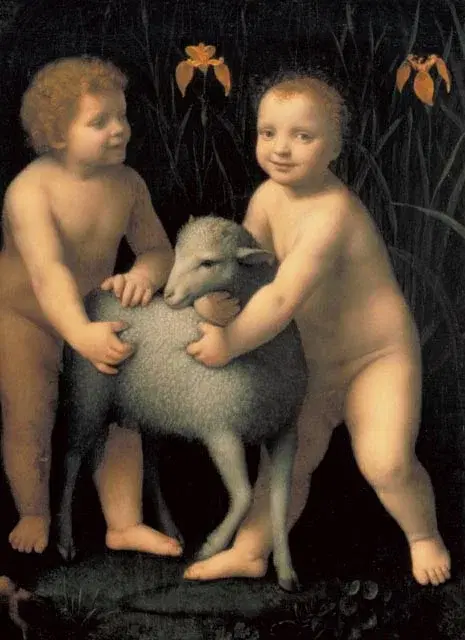
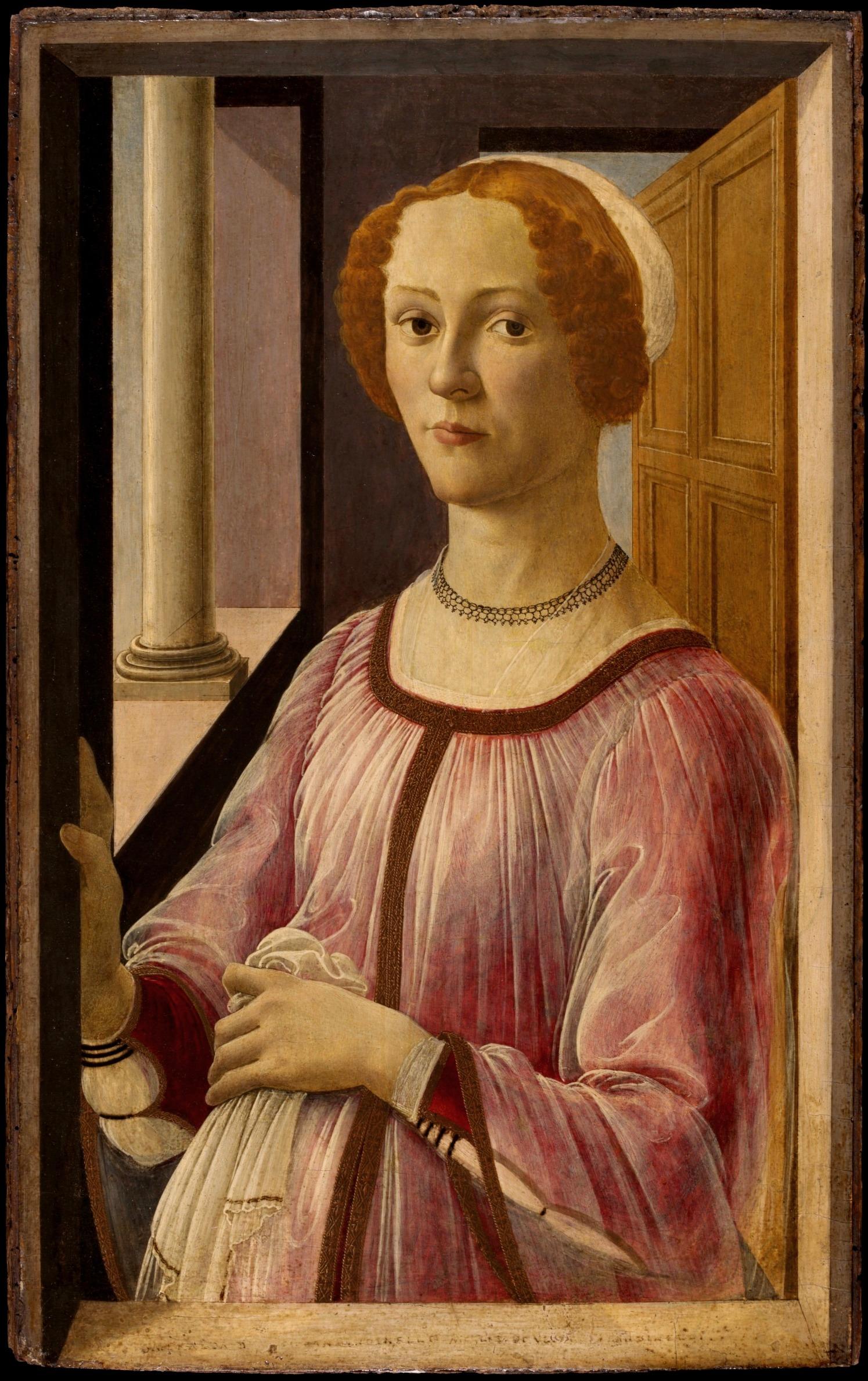
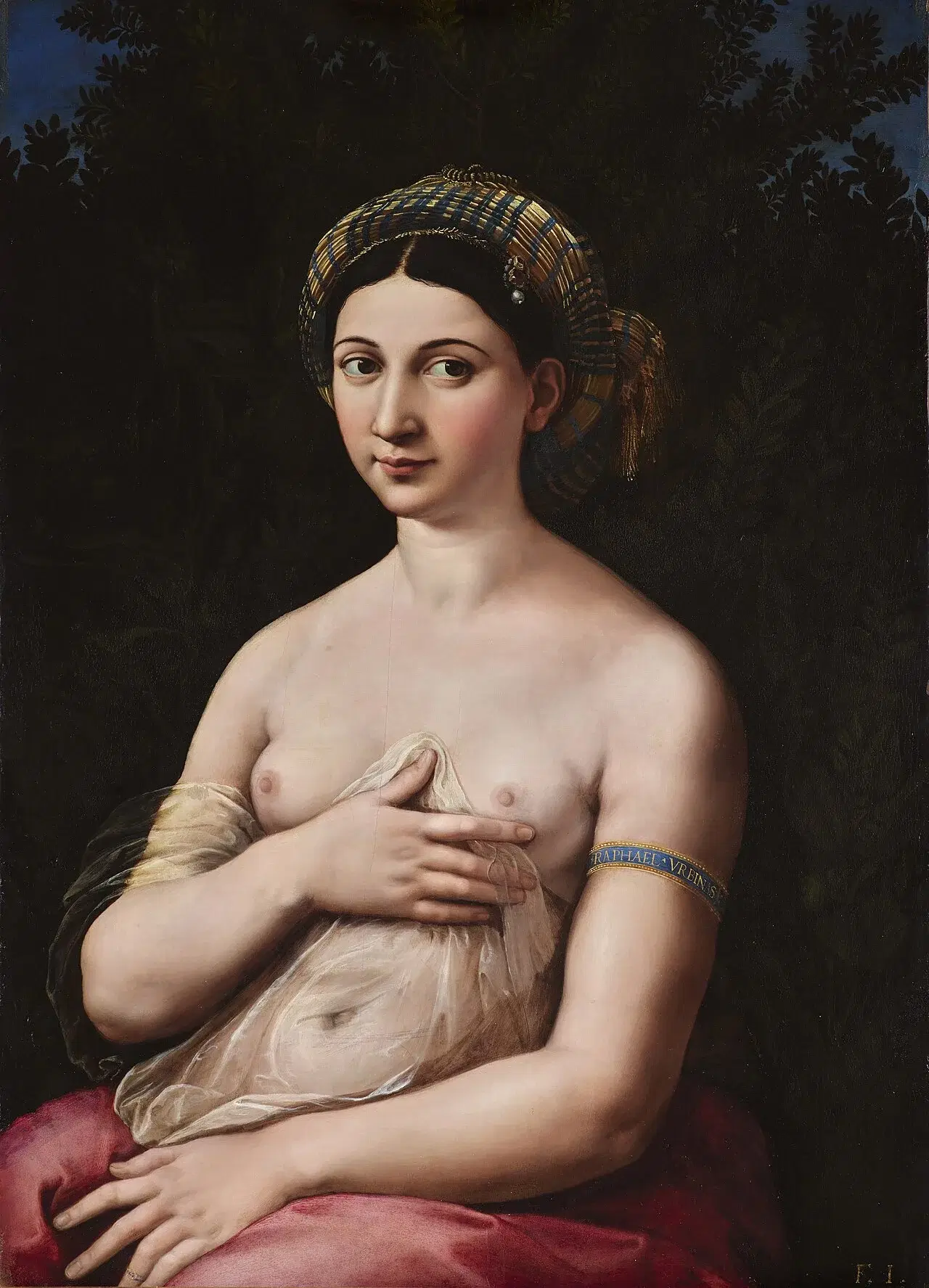
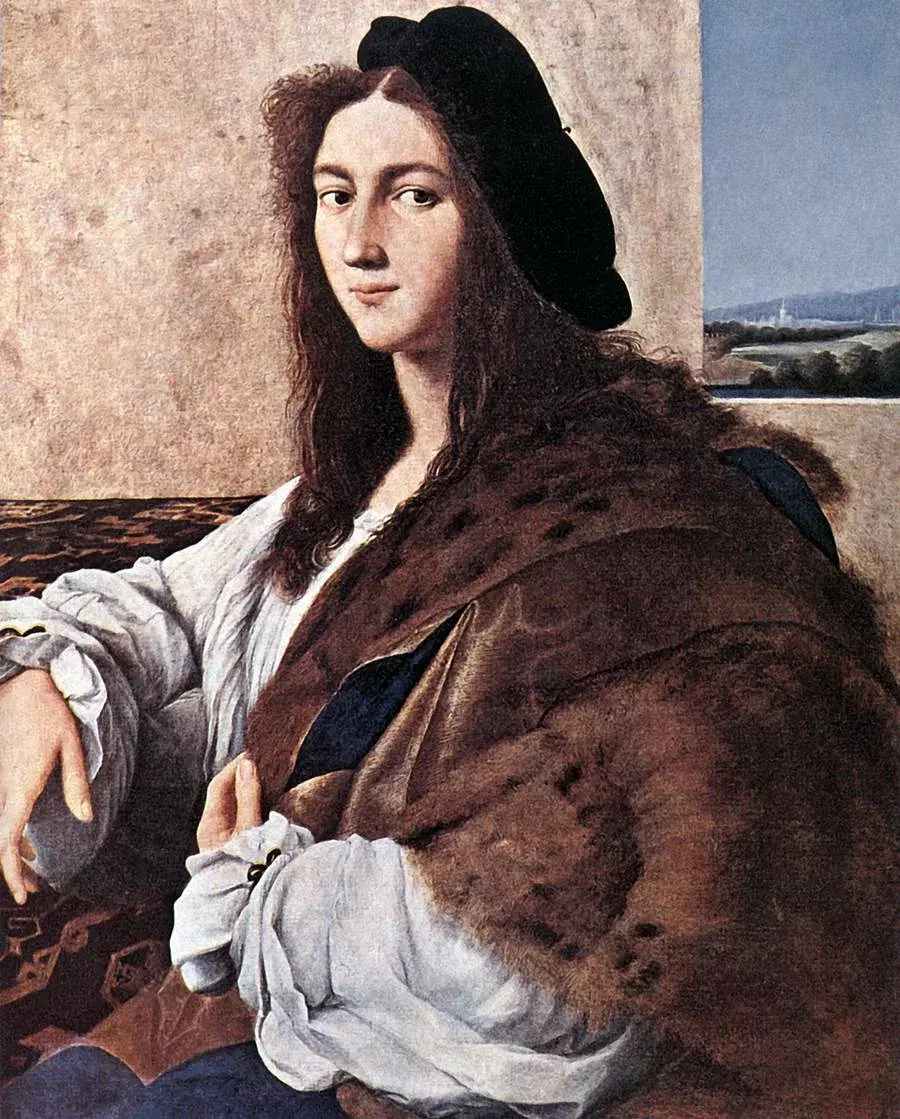
Keep exploring
Ends soon
Northern Light
Musée d’Orsay
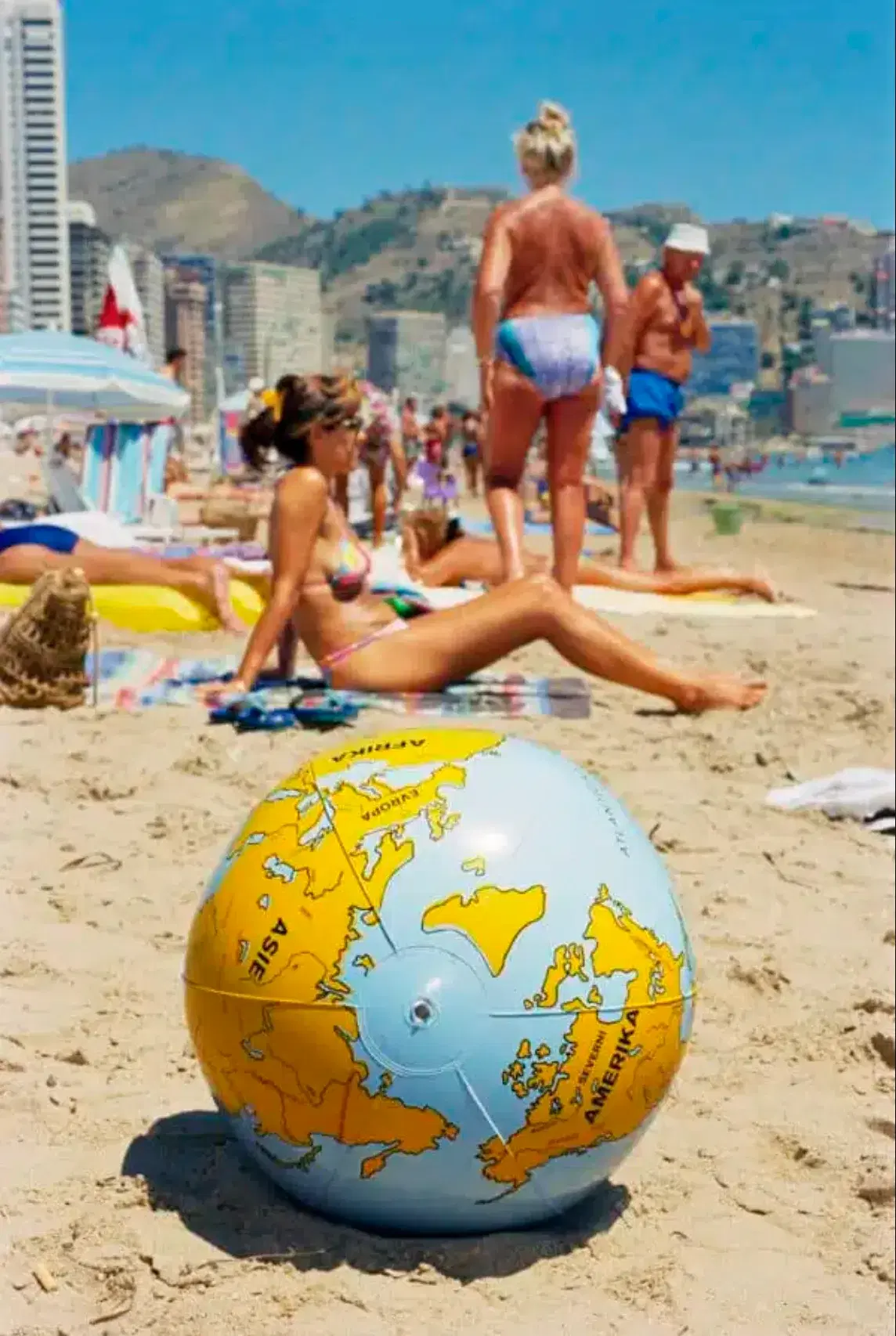
Martin Parr. Global warning
30 Jan – 24 May 2026
Jeu de Paume
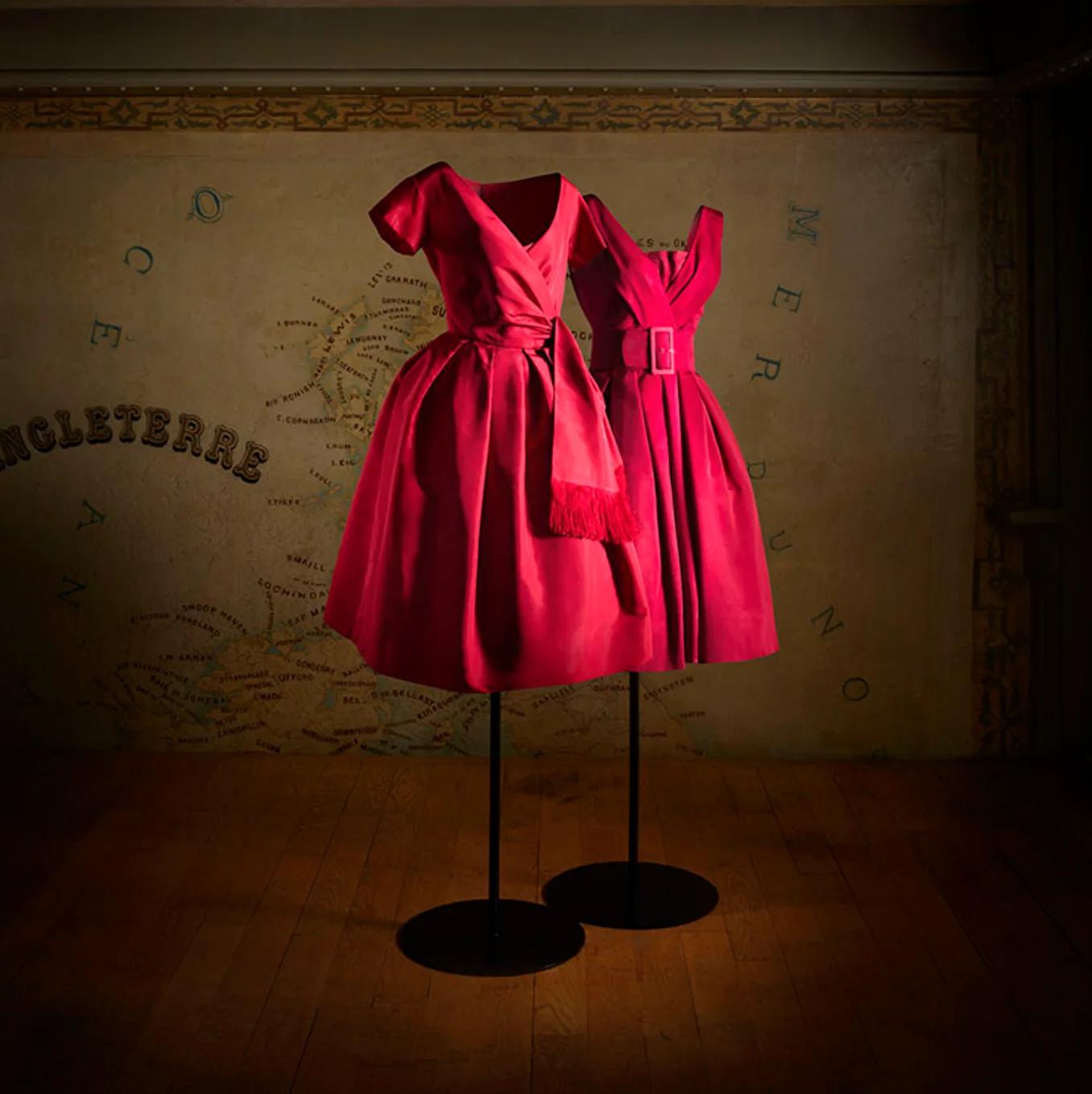
Azzedine Alaïa and Christian Dior, two masters of haute couture
12 Dec 2025 – 24 May 2026
Fondation Azzedine Alaïa

Dana Lixenberg. American Images
11 Feb – 24 May 2026
MEP – Maison Européenne de la Photographie
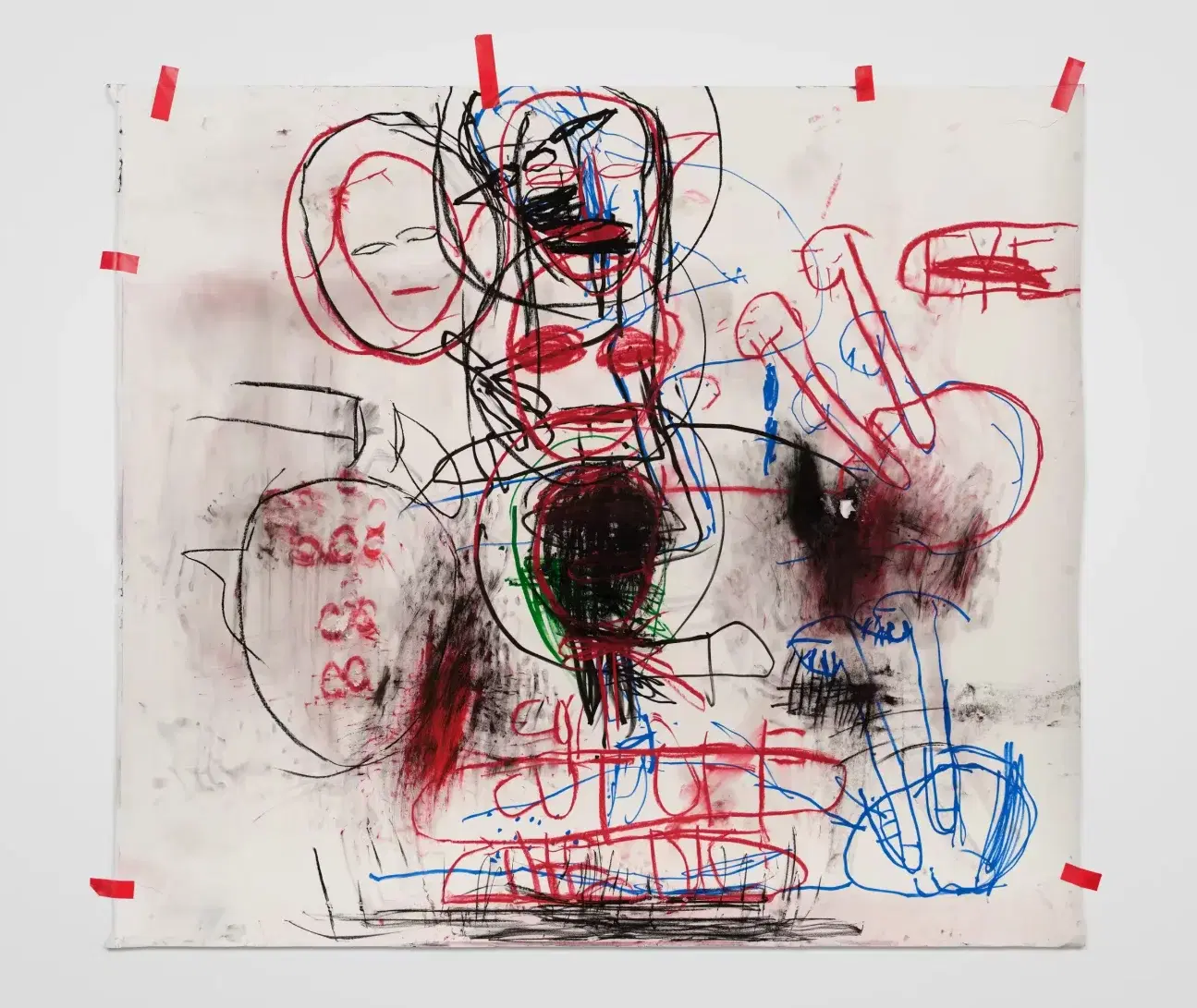
Paul McCarthy
21 Mar – 30 May 2026
Hauser & Wirth Paris
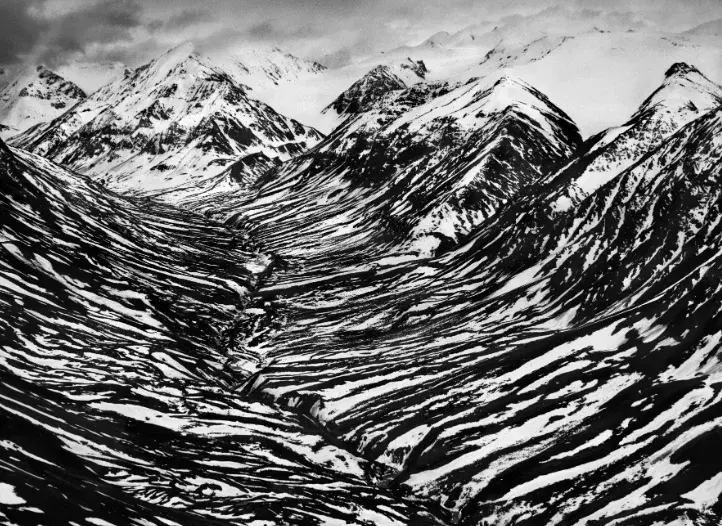
Sebastião Salgado
21 Feb – 30 May 2026
Hôtel de Ville

Nan Goldin
18 Mar – 21 Jun 2026
Grand Palais Paris
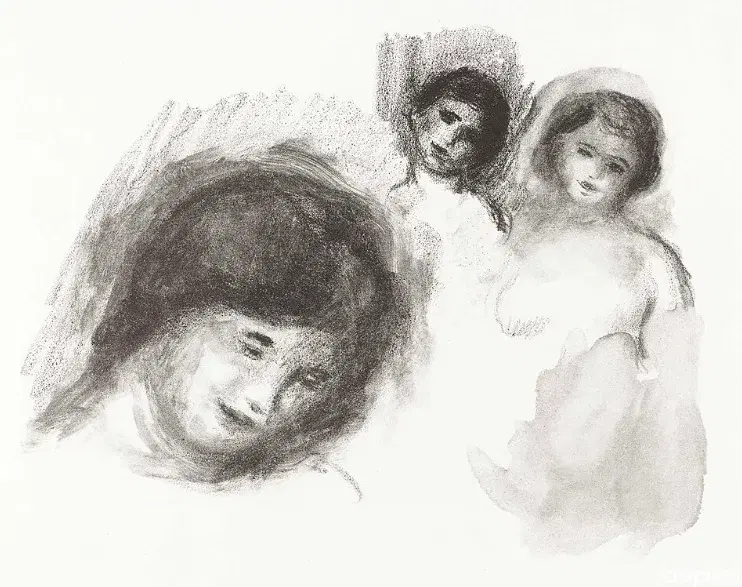
Renoir Drawings
17 Mar – 5 Jul 2026
Musée d’Orsay
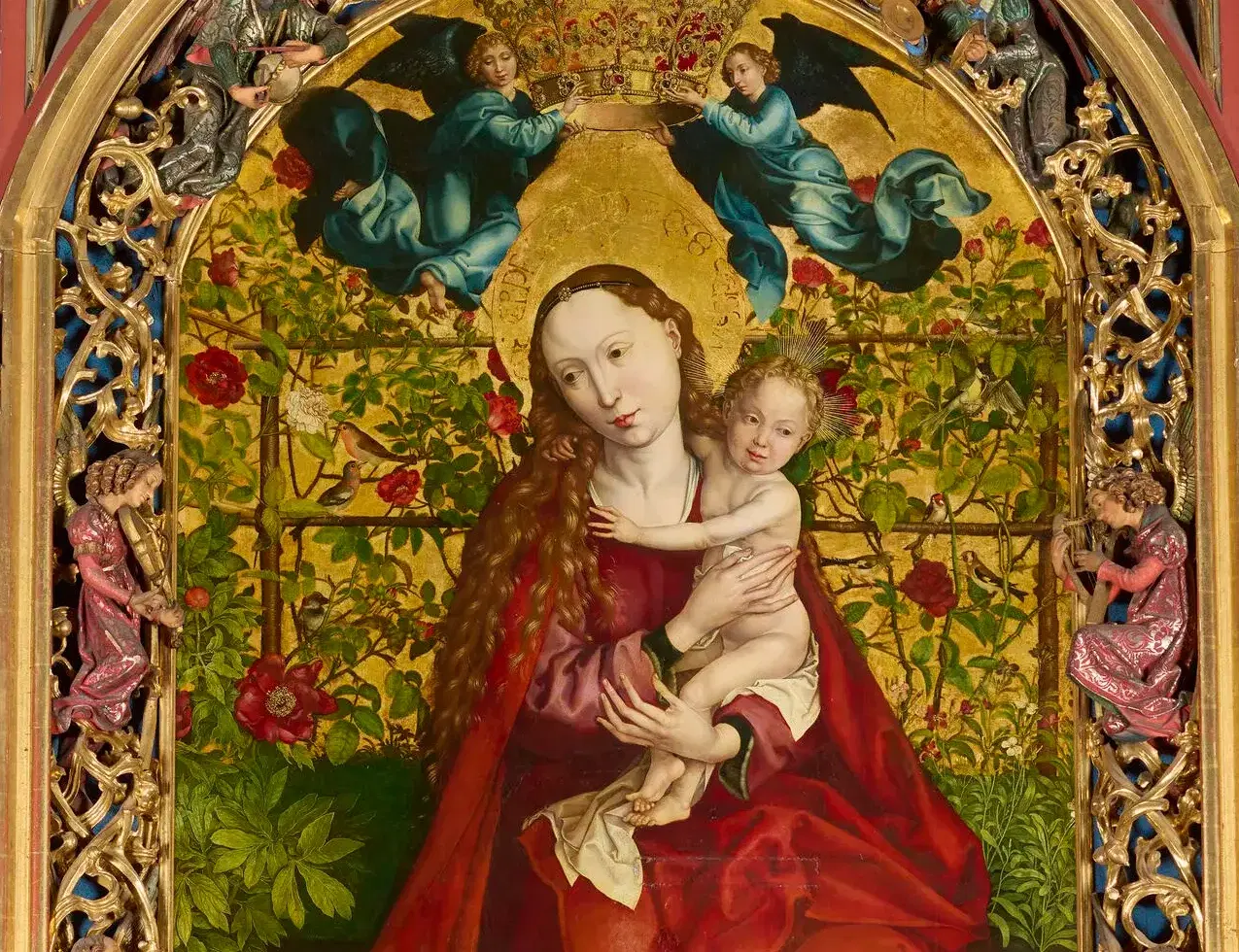
Martin Schongauer
8 Apr – 20 Jul 2026
Louvre Museum
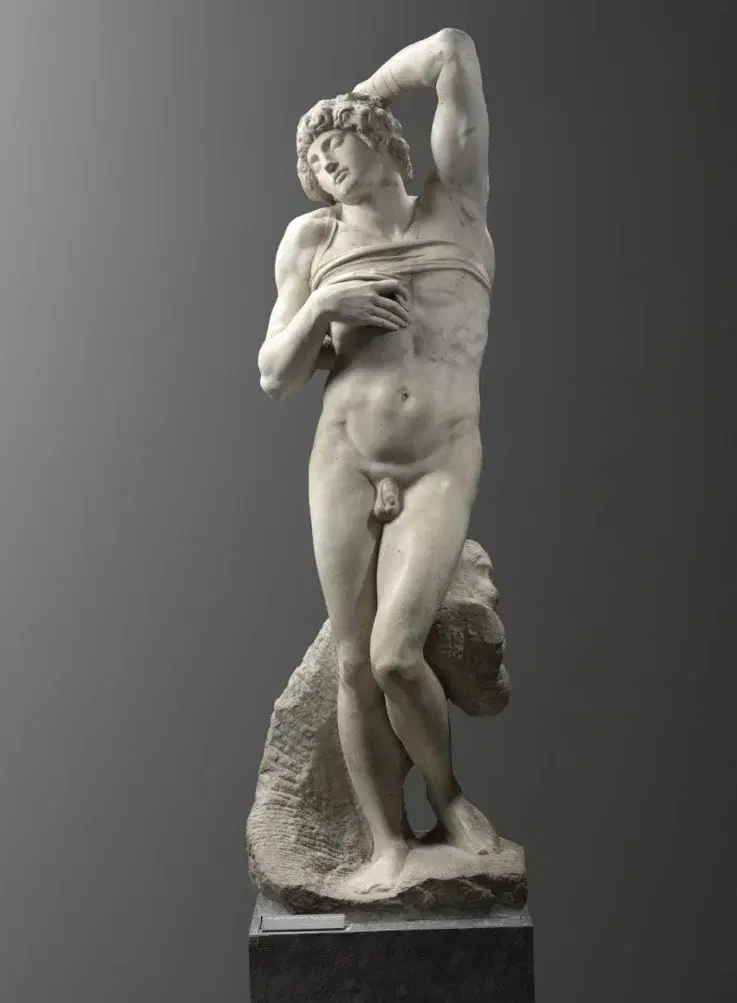
Michelangelo and Rodin
15 Apr – 20 Jul 2026
Louvre Museum