The Last Supper
#3
One sentence. One second. And everything breaks: “One of you will betray me.”
Meet the artist
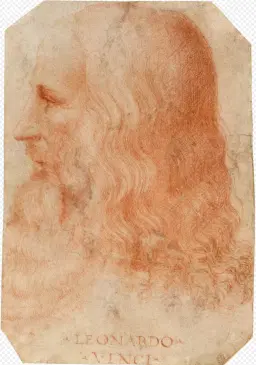
Leonardo di ser Piero da Vinci1452–1519Italian
Dates
1495–1498
Specifications
- Original title
- Il Cenacolo / L’Ultima Cena
- Movement
- High Renaissance
- Medium
- Fresco
- Genre
- Religious Painting
- Dimensions
- 460 × 880 cm
Wikimedia Commons
About the Artwork
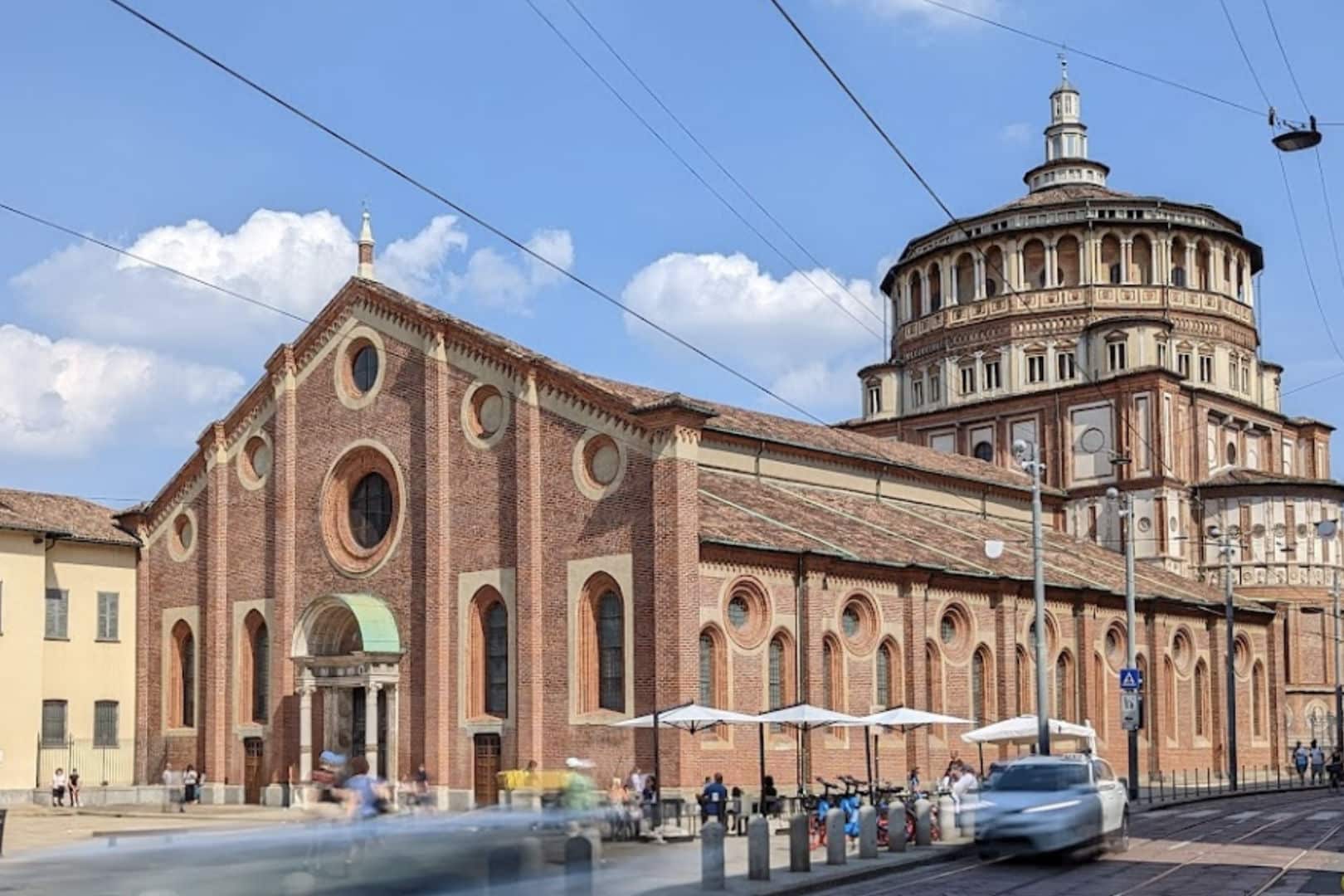
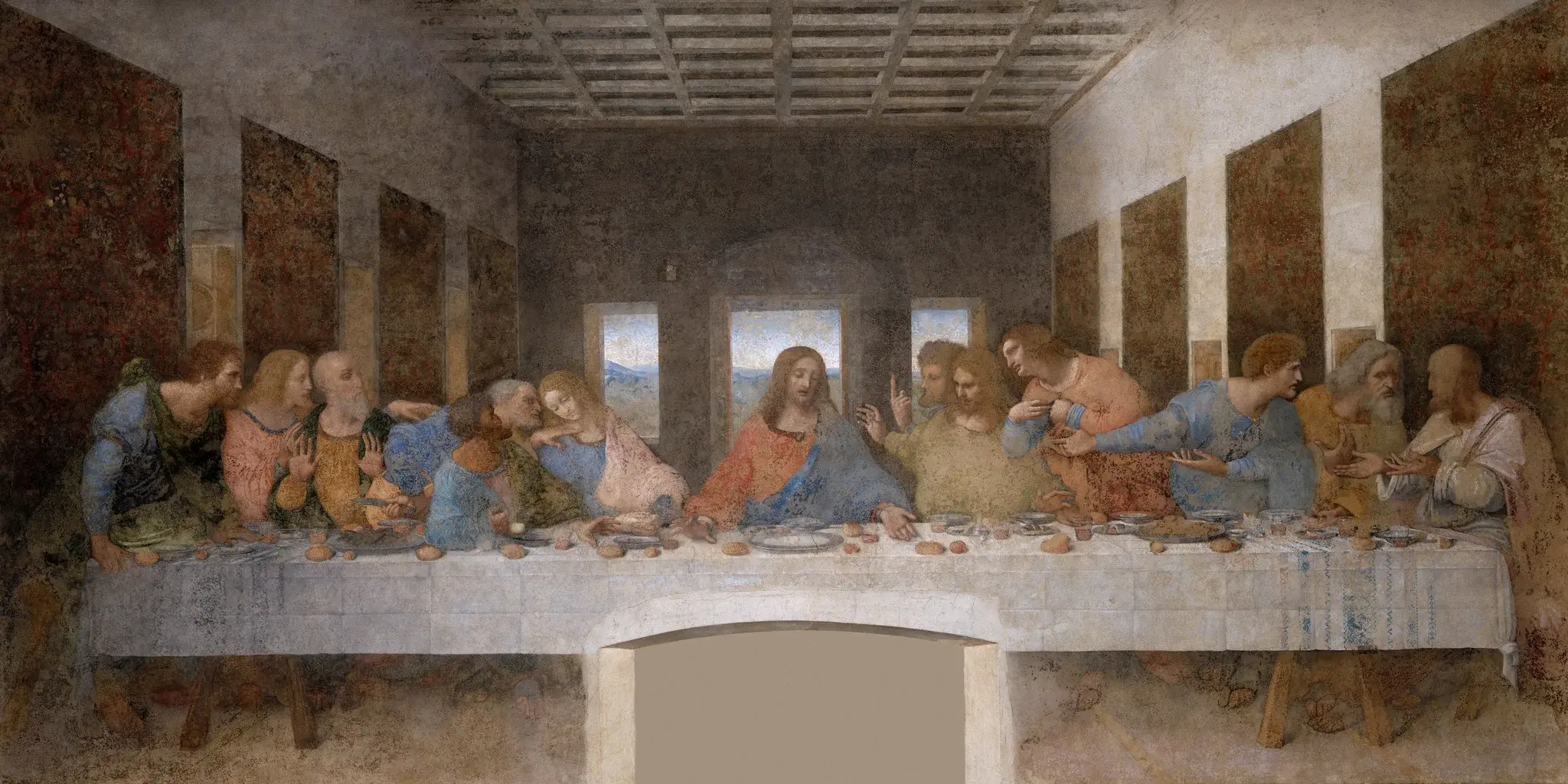
Leonardo da Vinci's "The Last Supper" is one of the most iconic and recognizable artworks in the world. Housed in the refectory of the Convent of Santa Maria delle Grazie in Milan, Italy, the mural depicts the final meal Jesus shared with his apostles before his crucifixion, a pivotal event in Christian theology. Da Vinci masterfully captures the dramatic moment when Jesus announces that one of them will betray him, and the resulting expressions of shock, disbelief, and denial rippling through the group of disciples. This artwork is not just a religious representation, but a psychological study of human emotion.
A long table. Thirteen men. A moment frozen mid-shock.
At the center, Christ sits calm — almost still. Around him, chaos unfolds: hands rise, faces react, bodies lean in disbelief. Each apostle responds differently to the same revelation.
Behind them, three windows open to a quiet, infinite landscape — contrasting the tension inside.
Spotlight
Leonardo da Vinci turns a sacred story into a human drama:
Each apostle is psychologically distinct — fear, denial, anger, confusion
Judas isn’t isolated — he’s embedded among the others, part of the group
All perspective lines lead to Christ’s head, making him the silent center of gravity
And then the twist:
Leonardo experimented with a new technique… and it failed. The painting began deteriorating within decades.
What you see today is a fragile survivor — restored, damaged, and still overwhelming.
Worth the trip
Because this isn’t just a painting — it’s an experience you have to earn. Visits to Santa Maria delle Grazie are strictly timed, limited, almost ritualistic. You enter in silence, with a small group, for just minutes. And in that short time, the scene unfolds like theater. If the Mona Lisa is about mystery, this is about tension — pure, human, immediate. It proves something essential to Artlovers: some artworks aren’t just seen… they’re lived.
How to experience it
Reset your expectations
It’s not pristine — it’s fragile, restored, and imperfect. That’s part of the impact.
Start with the whole scene
Take in the composition first — Christ at the center, chaos around him.
Then zoom into reactions
Each apostle is a different emotion. It’s pure human drama.
Use the silence
You only get ~15 minutes. Let it feel like a performance, not a photo stop.
Artlovers tip
Don’t rush. The real experience is in that one moment when the room goes quiet… and the scene comes alive.
Don’t stop here
More to explore by Leonardo di ser Piero da Vinci
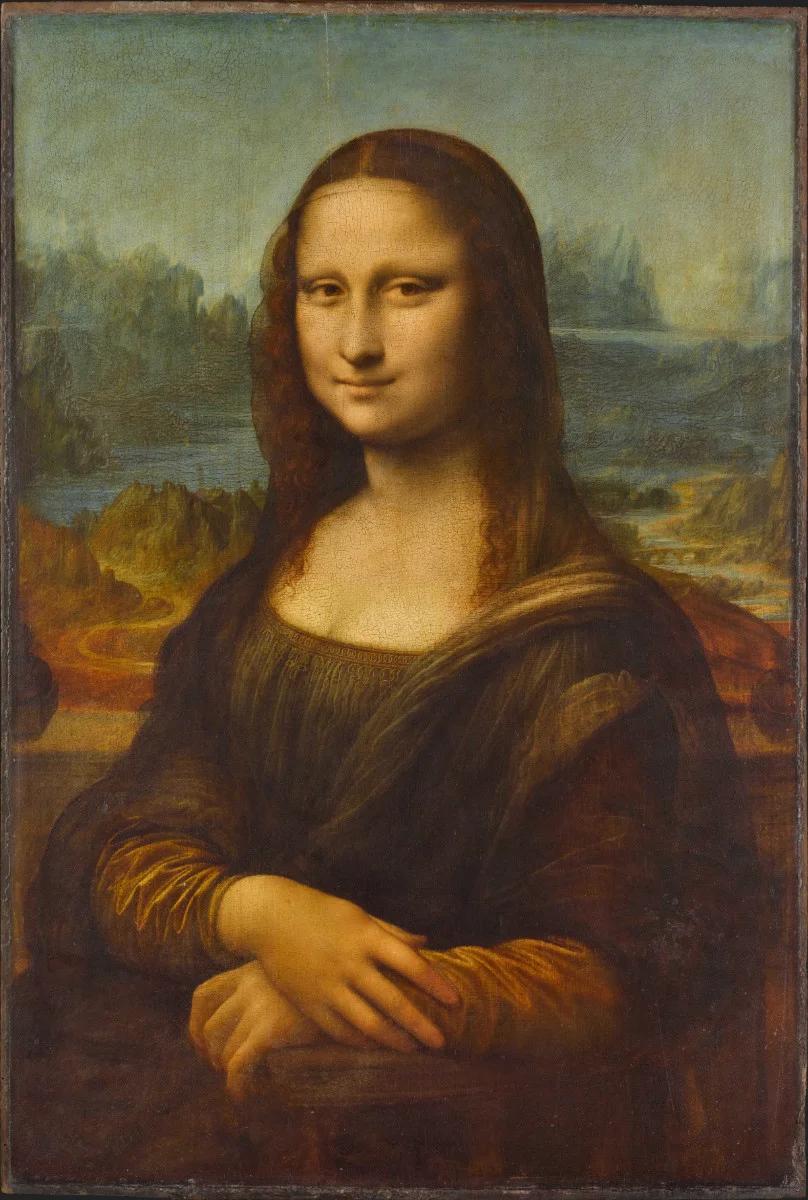
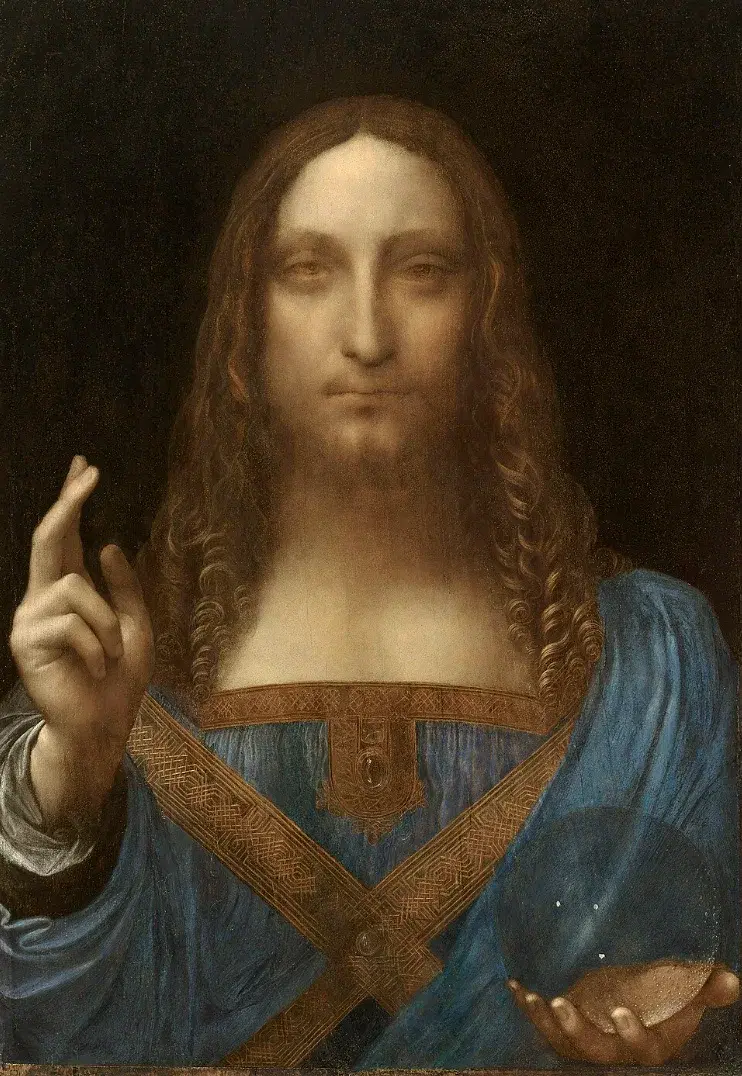
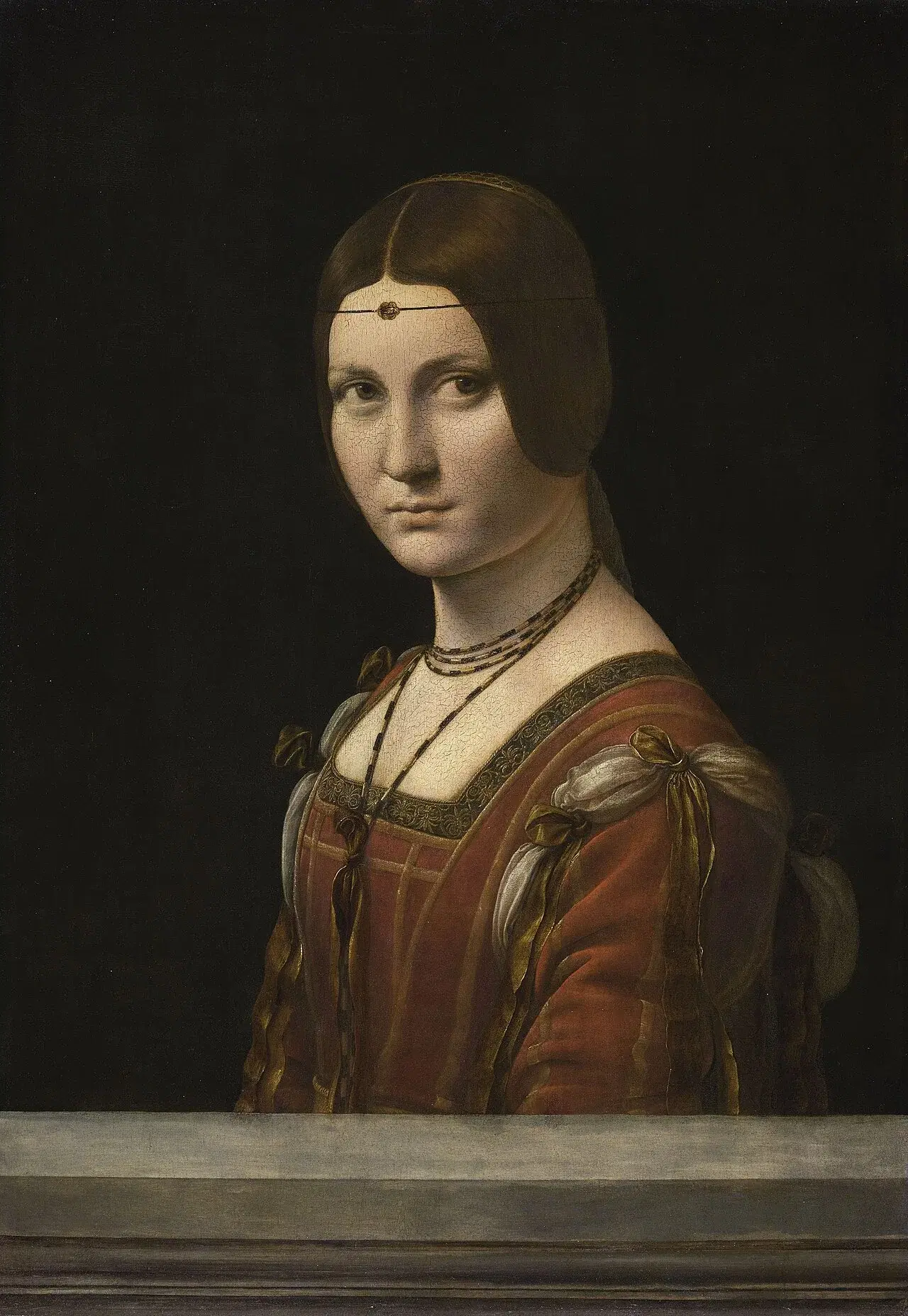
Same feeling, different artists
Similar Works by Other Artists
Keep exploring