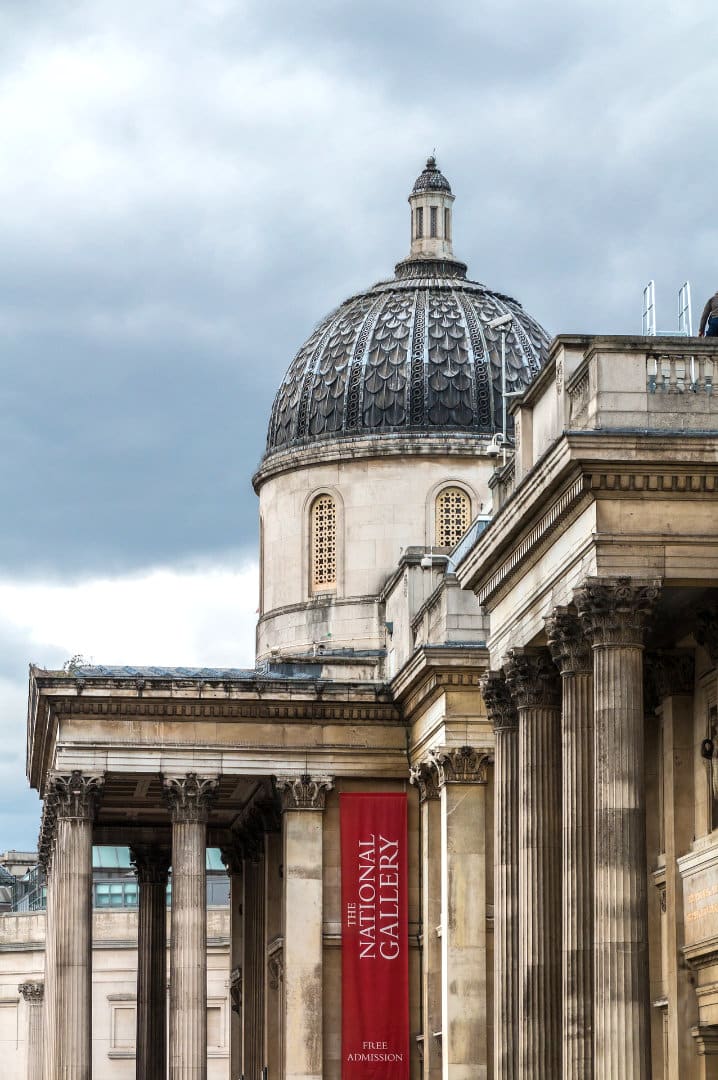
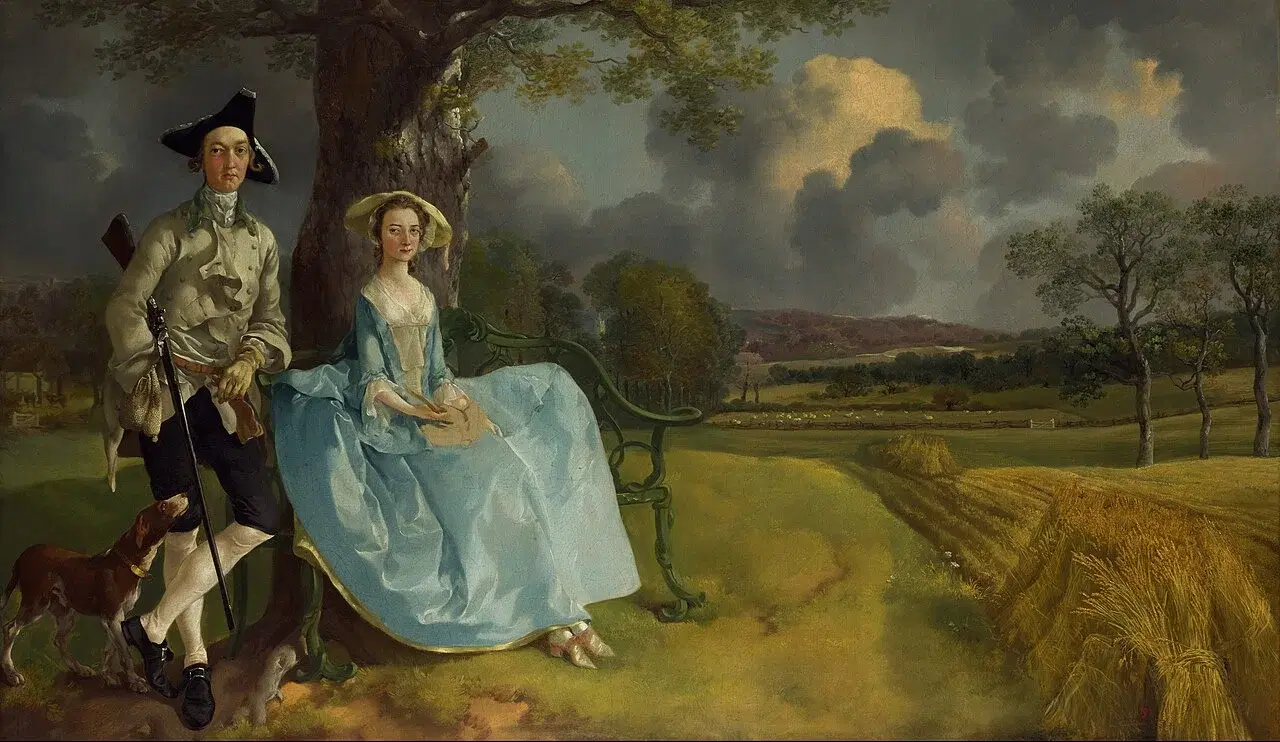
Mr. and Mrs. Andrews
Meet the artist
TThomas Gainsborough1727–1788British
Dates
1750
Specifications
- Medium
- Oil Painting
- Genre
- Landscape, Portrait
About the Artwork
Thomas Gainsborough painted Mr and Mrs Andrews around 1750, early in his career and while still based in his native Suffolk, and the result is one of the most celebrated — and today most debated — double portraits in British art. The oil on canvas, measuring approximately 70 by 119 centimeters, shows Robert Andrews and his new wife Frances posed beneath an oak tree at the left edge of the composition, while to the right their land stretches away in a sweeping panoramic view of the Stour Valley. Robert stands with easy propriety, gun under arm, while Frances sits with composed formality on a wrought-iron bench. Both figures are rendered with precise elegance, yet their expressions carry a certain unsentimental directness.\n\nThe painting functions simultaneously as portrait, landscape, and property record: Robert Andrews owned nearly three thousand acres, and a significant portion of what the viewer sees across the canvas belonged to him. A tellingly unpainted patch on Frances's lap has led scholars to speculate that a pheasant or perhaps a baby was planned but never executed. The work passed through the family for over two centuries before being lent to a Gainsborough exhibition in 1927, after which it gained wider recognition. The National Gallery in London acquired it in 1960, and it has since become a touchstone for discussions of landscape, class, and the ideology of English landownership.
Don’t stop here
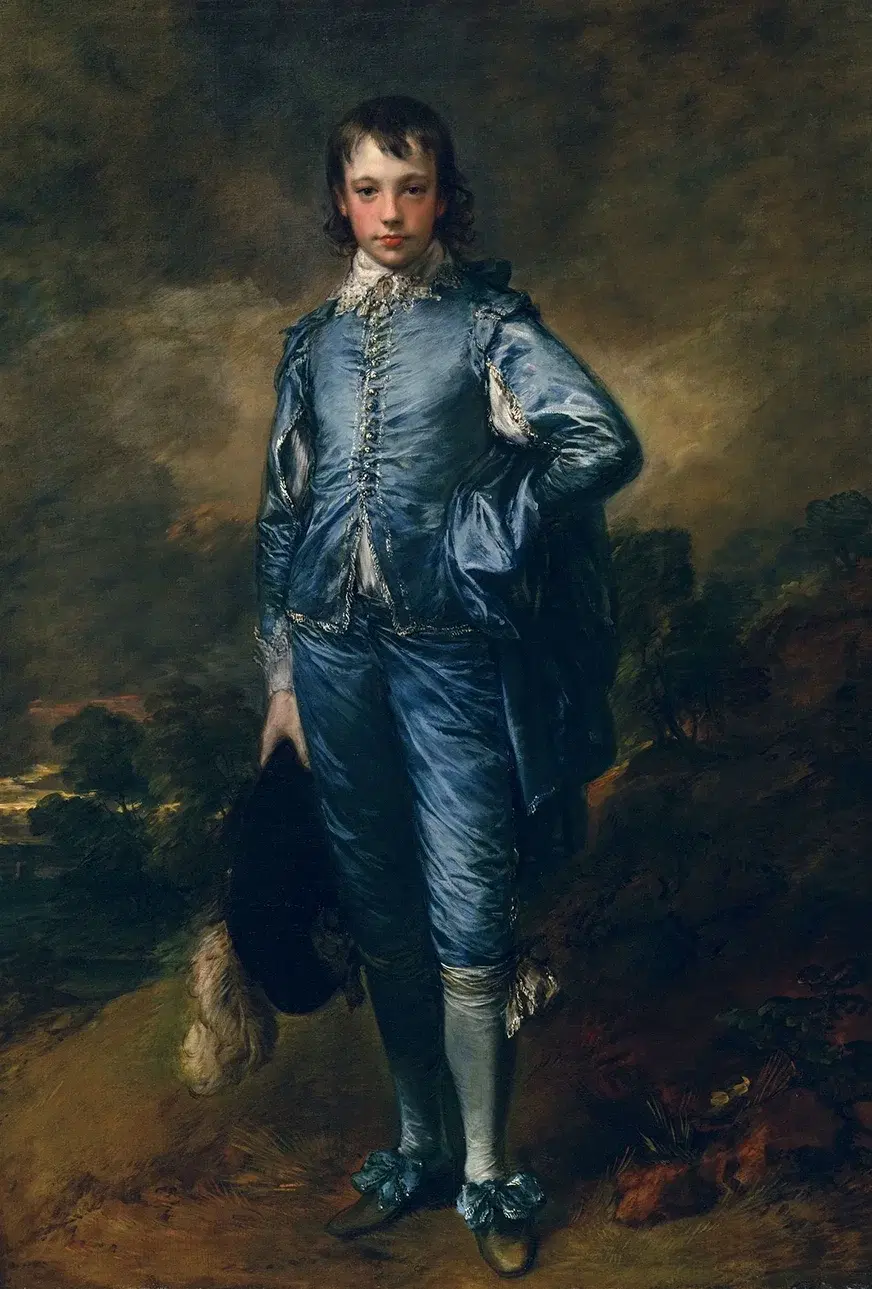
More to explore by Thomas Gainsborough
Same feeling, different artists
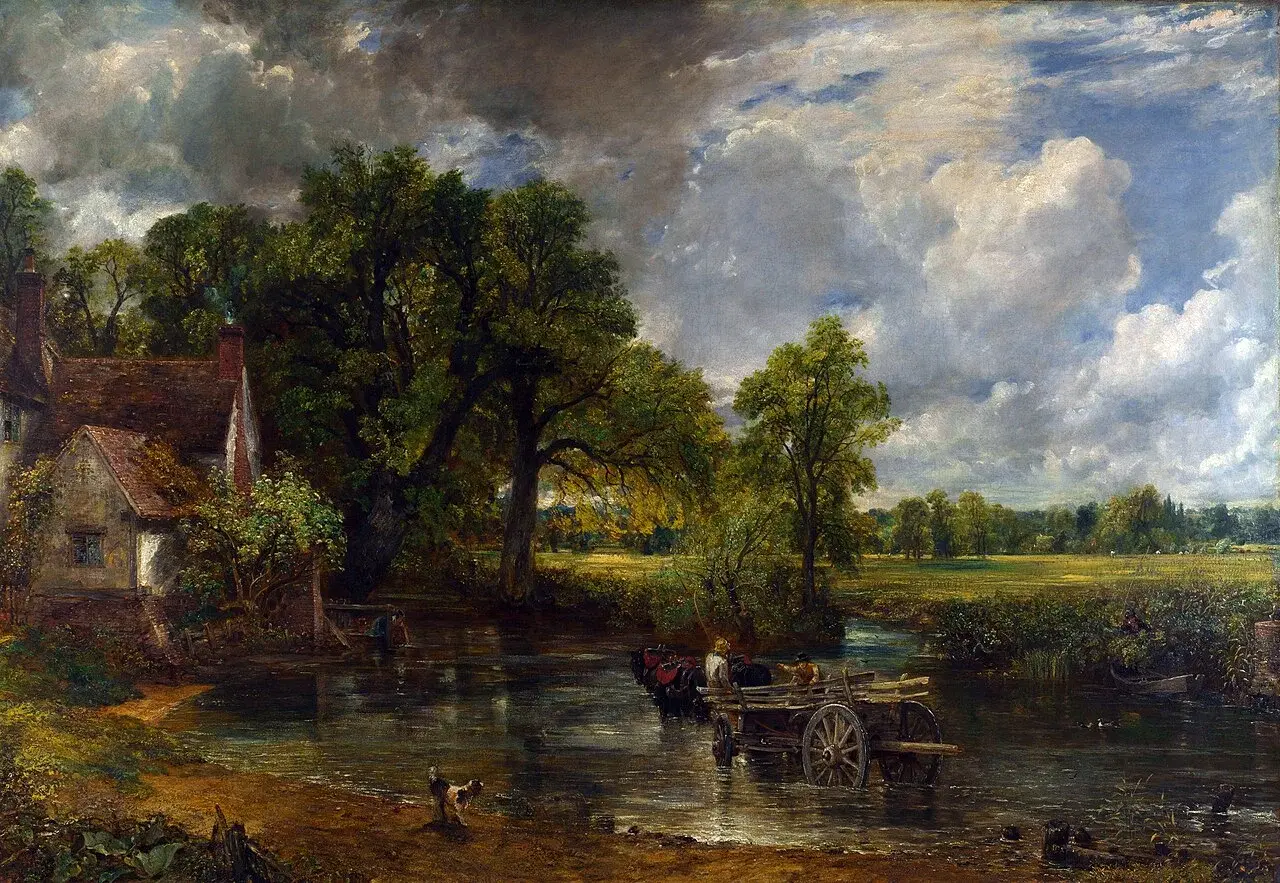
Similar Works by Other Artists
Keep exploring
Ends soon
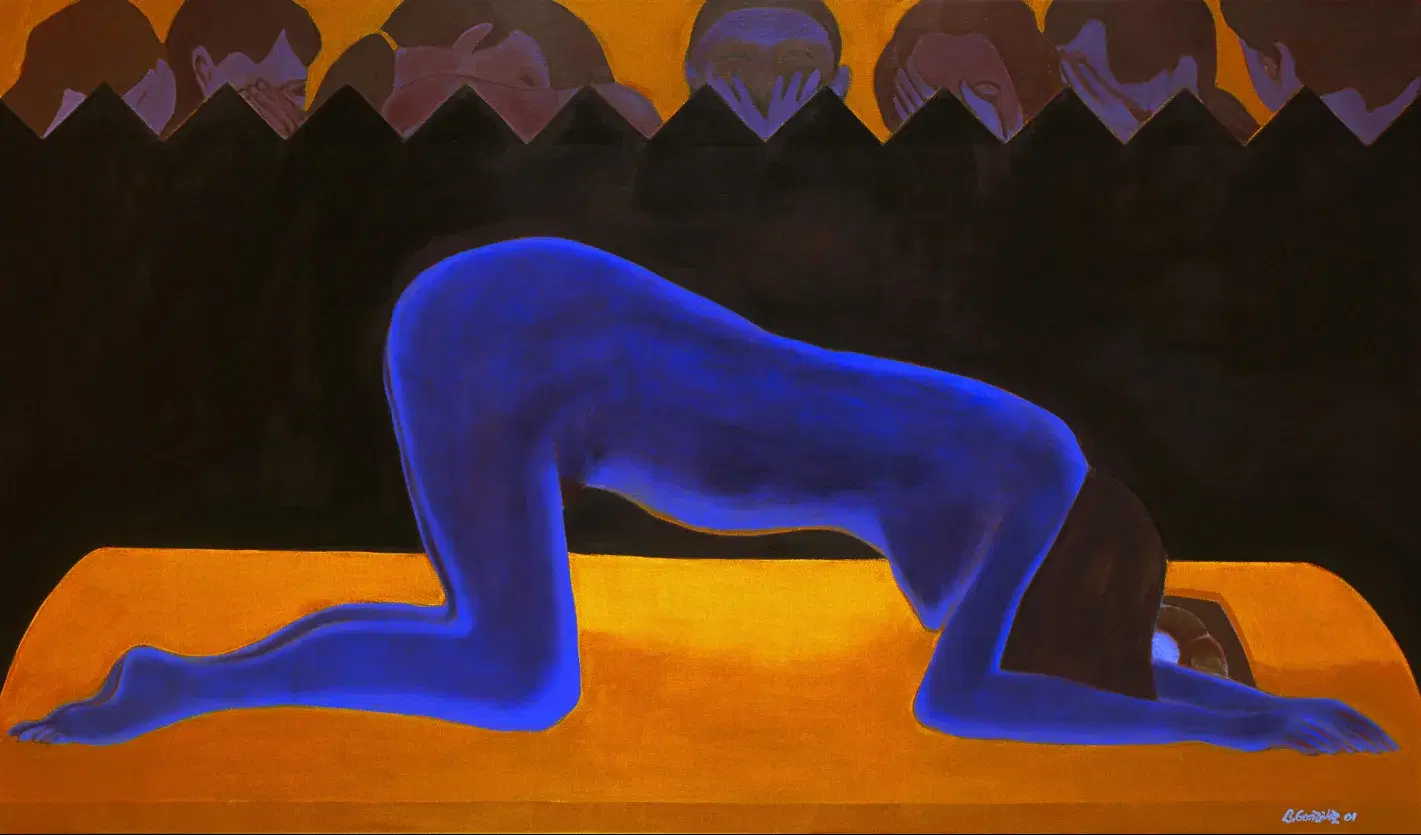
Beatriz González
25 Feb – 10 May 2026
Barbican
Ends soon
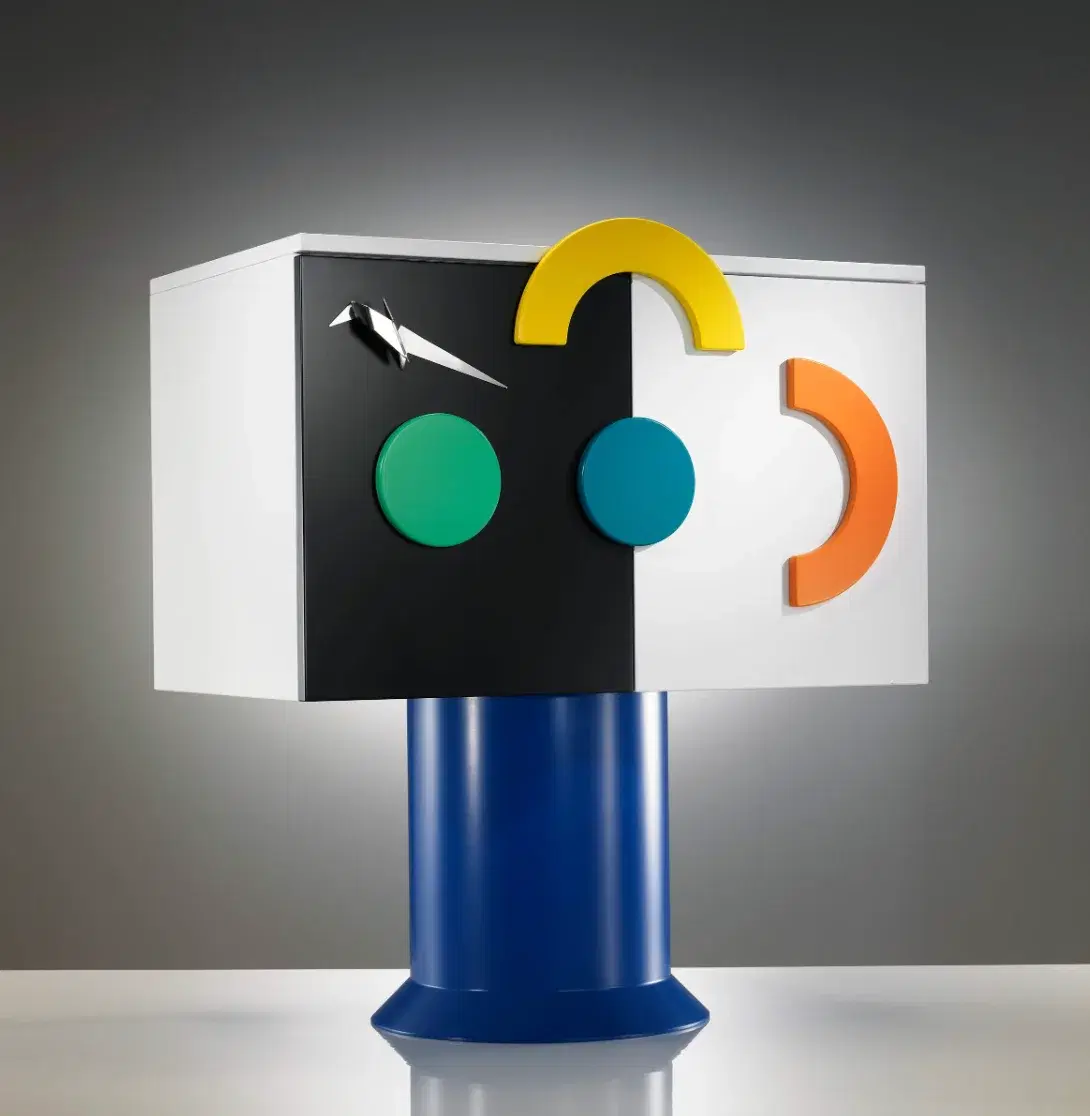
Alessandro Mendini
16 Jan – 10 May 2026
Estorick Collection of Modern Italian Art
Ends soon
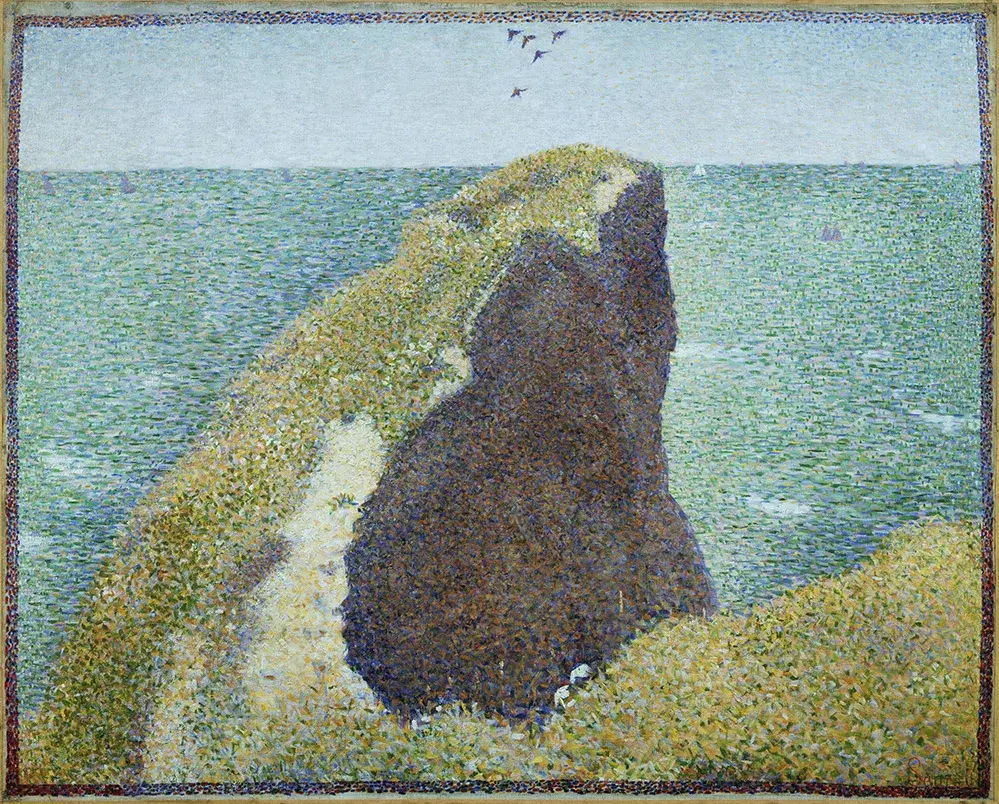
Seurat and the Sea
13 Feb – 17 May 2026
The Courtauld
Ends soon
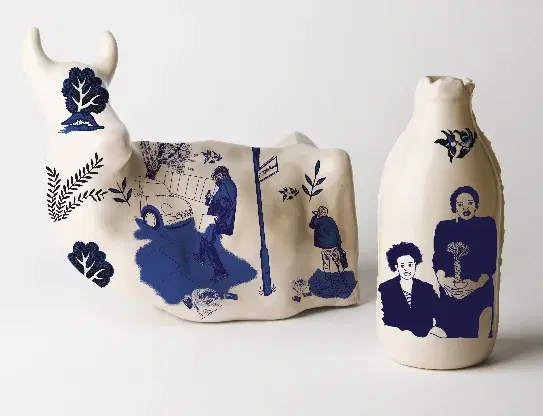
London Craft Week
11 May – 17 May 2026
The Courtauld
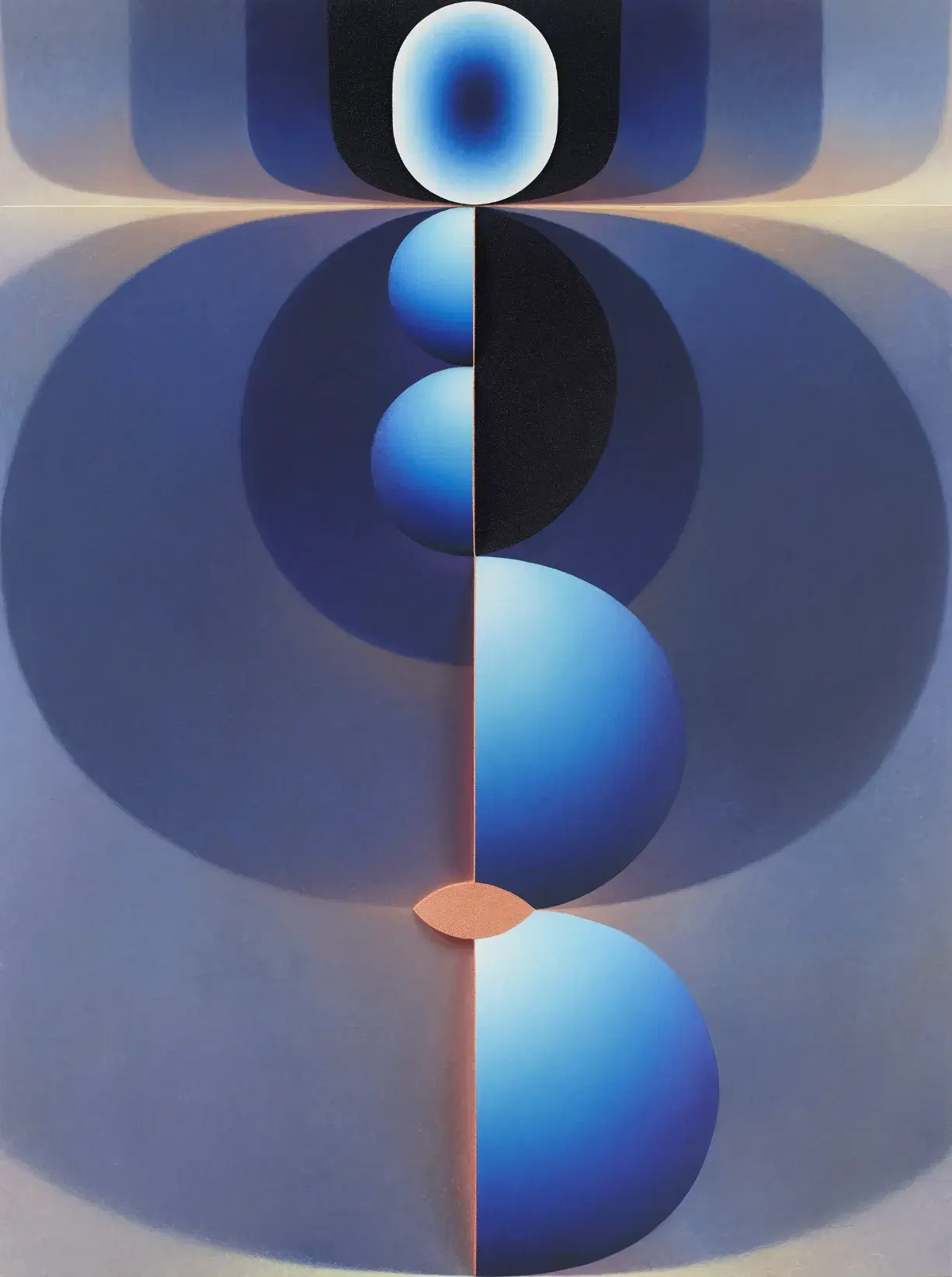
Loie Hollowell. Overview Effect
4 Mar – 23 May 2026
Pace Gallery London
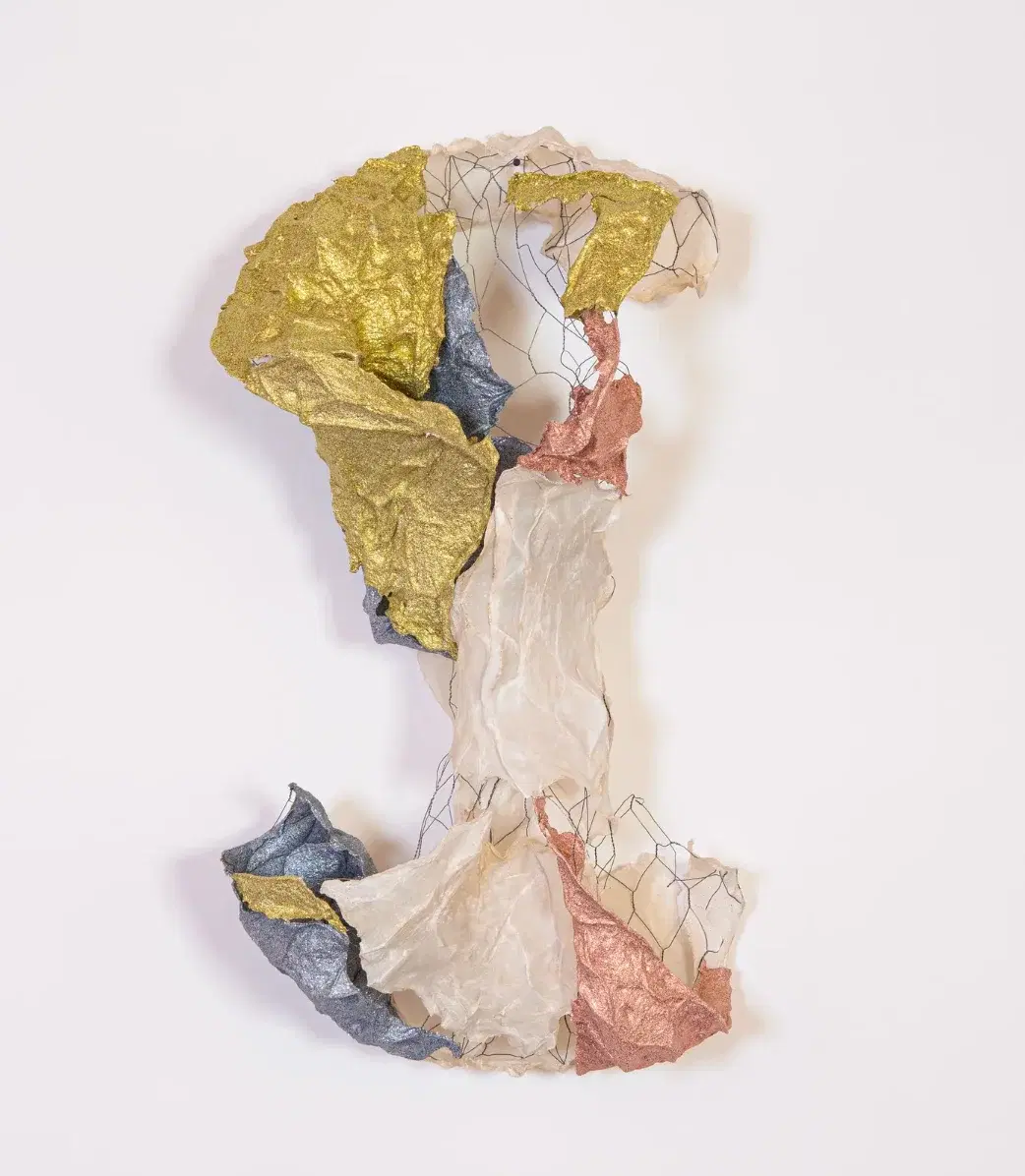
Lynda Benglis: Encounters: Giacometti.
12 Feb – 31 May 2026
Barbican
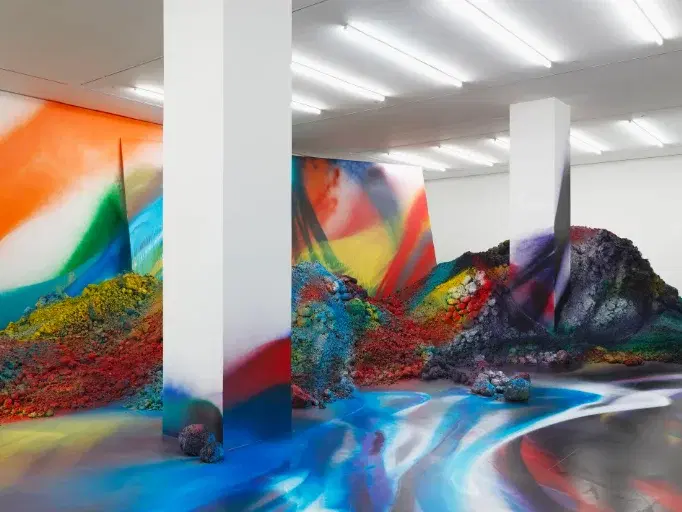
Katharina Grosse
22 Apr – 31 May 2026
White Cube Gallery Bermondsey
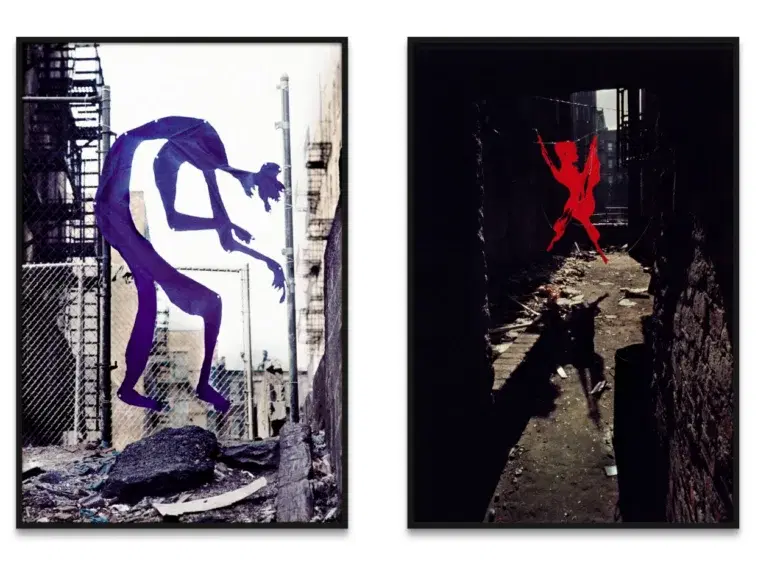
Senga Nengudi: Performance Works 1972-1982
1 Apr – 14 Jun 2026
Whitechapel Gallery
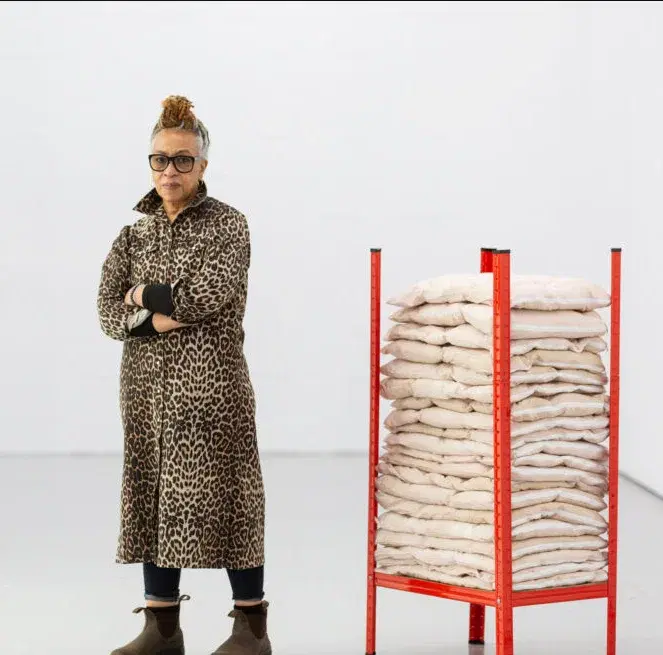
Veronica Ryan: Multiple Conversations
1 Apr – 14 Jun 2026
Whitechapel Gallery
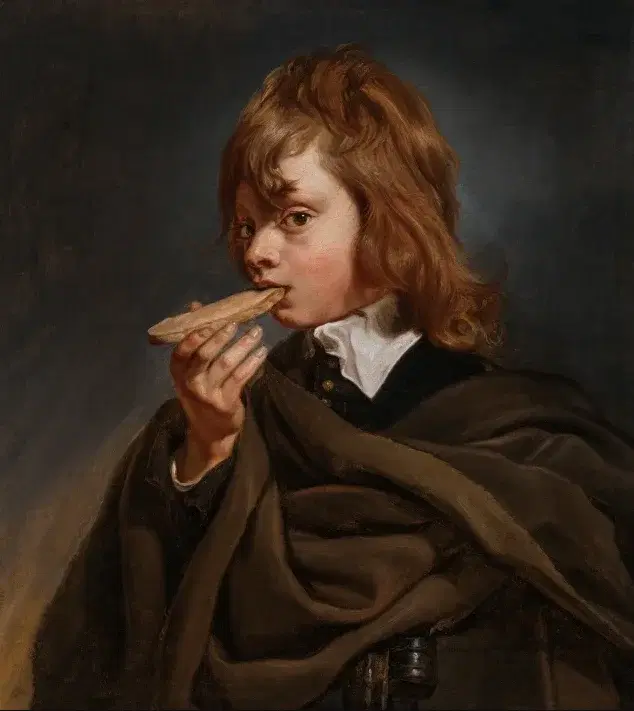
Michaelina Wautier
27 Mar – 21 Jun 2026
The Royal Academy of Arts London