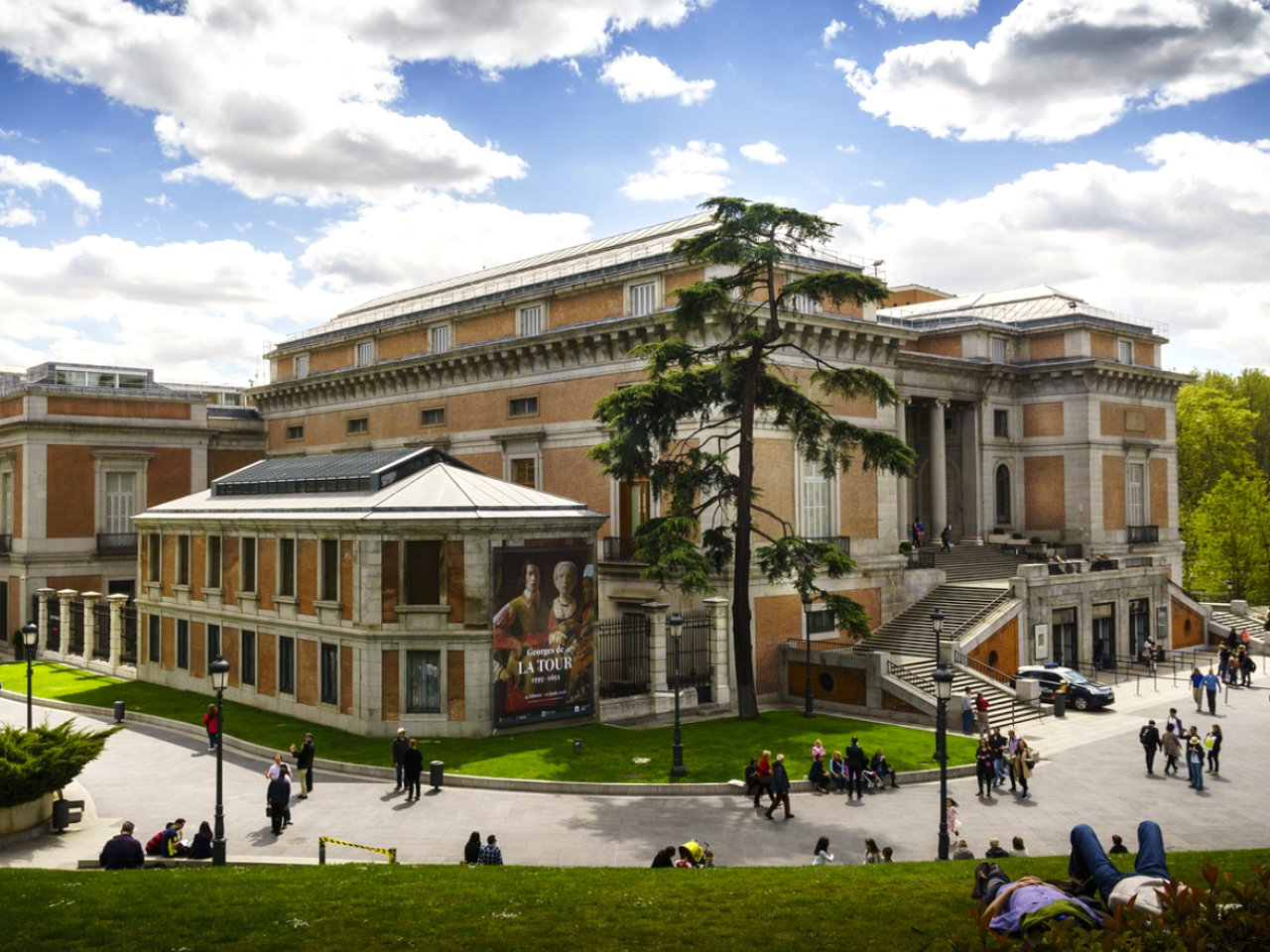
The Garden of Earthly Delights
#13
Paradise, pleasure, and hell — all in one painting you’ll never fully decode.
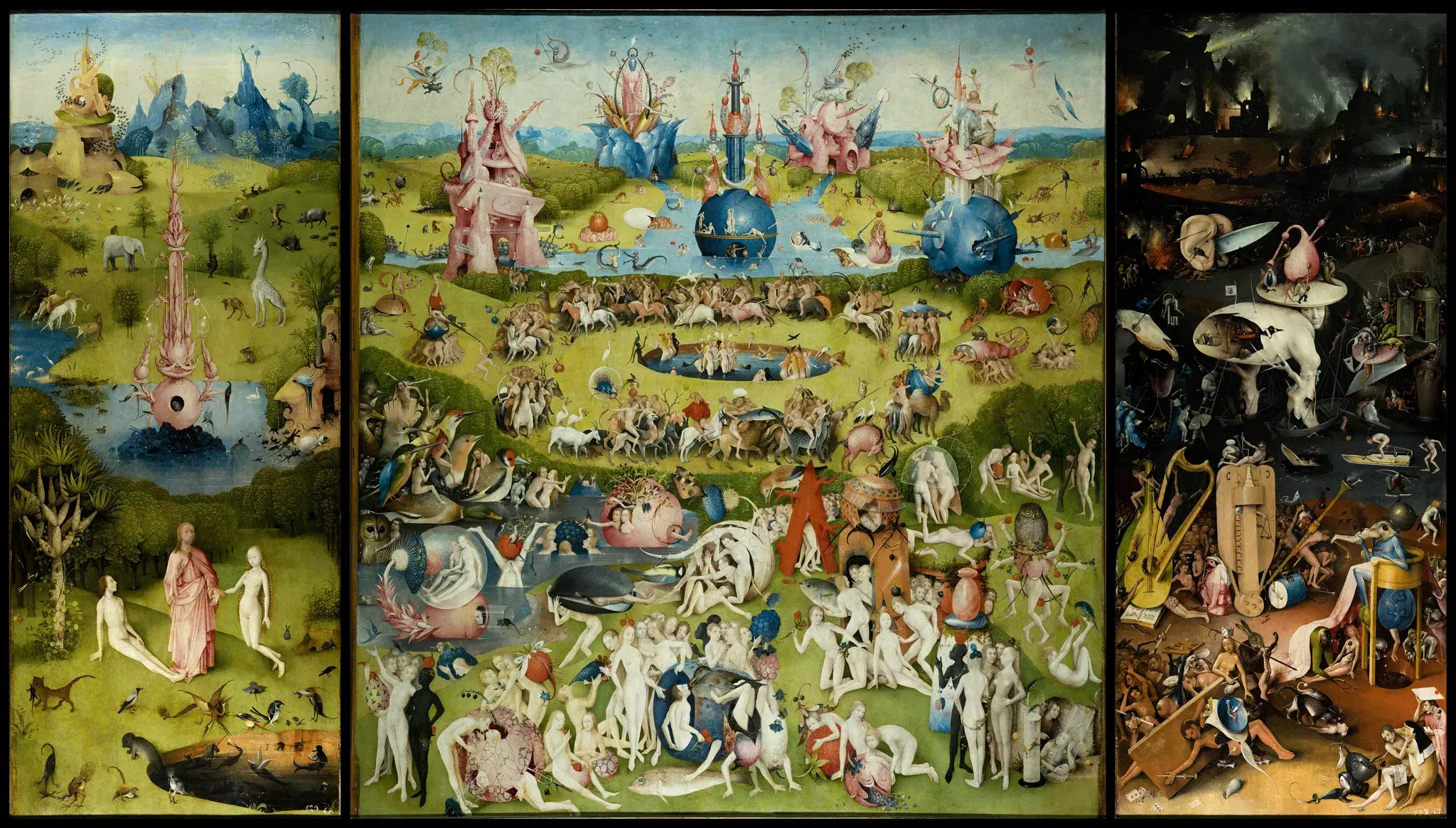
Meet the artist
Hieronymus Bosch1450–1516Dutch
Dates
c. 1490–1500
Specifications
- Original title
- El jardín de las delicias
- Movement
- Early Netherlandish
- Medium
- Oil Painting
- Genre
- Religious Painting
- Dimensions
- 220 × 389 cm
Wikimedia Commons
About the Artwork
Hieronymus Bosch's "The Garden of Earthly Delights" is a monumental triptych, a three-paneled artwork, that unfolds a complex narrative of creation, earthly pleasures, and damnation.
When closed, the outer panels, rendered in muted grays, depict the creation of the world on the Third Day, hinting at the pristine Earth before the arrival of humanity. Upon opening, the vibrant interior explodes with color, showcasing the Garden of Eden on the left, a central panel teeming with naked figures indulging in earthly delights, and a terrifying vision of Hell on the right. Bosch's work stands as a powerful meditation on temptation, sin, and the consequences of humanity's choices.
"The Garden of Earthly Delights" holds immense historical and artistic significance. As one of Bosch's three large triptychs, it exemplifies the tradition of Netherlandish altarpieces designed to be read sequentially, guiding viewers through a moral journey. Bosch's innovative artistic techniques, including his use of detailed symbolism, vibrant color palettes, and imaginative landscapes, set him apart from his contemporaries. The triptych's enduring appeal lies in its enigmatic nature. While interpretations vary, most scholars agree that it reflects Bosch's religious beliefs and serves as a warning against the perils of temptation. The artwork was featured in the 1980 BBC Two series 100 Great Paintings, confirming its cultural importance.
This work matters because it continues to spark debate and fascination centuries after its creation. Bosch's unique vision, blending religious themes with surreal imagery, challenges viewers to contemplate the nature of good and evil, the allure of earthly pleasures, and the consequences of our actions. Its intricate details and ambiguous symbolism offer endless avenues for interpretation, making it a timeless masterpiece that speaks to the human condition. Housed in the Museo del Prado in Madrid, it remains a cornerstone of art history and a testament to the power of artistic expression.
Spotlight
A triptych (three panels), like a visual journey:
- Left: Paradise — Adam and Eve in a strange, almost dreamlike Eden
- Center: A surreal world of pleasure, bodies, oversized fruits, and impossible scenes
- Right: Hell — dark, chaotic, filled with punishment, monsters, and nightmarish imagery
It feels like moving from innocence… to indulgence… to consequence.
Worth the trip
Because standing in front of it at the Museo del Prado feels like entering another world.
It’s overwhelming in the best way — your eyes don’t know where to land.
And that’s the point: this is one of the first artworks that feels infinite.
You don’t just see it once — you explore it.
How to experience it
Start with the structure - Left → center → right. Think of it as a story unfolding.
Don’t rush the center panel - This is where you’ll get lost — let it happen.
Move closer, slowly - Each detail is its own universe.
Focus on one scene at a time - Trying to see everything at once doesn’t work.
Look for the strange - The weirder it gets, the more interesting it becomes.
Step back again - Reconnect the chaos into a bigger meaning.
Accept that you won’t “solve” it - That’s why it stays with you.
Artlovers tip
Think of it as the original “infinite scroll” — except every detail is 500 years old.
Don’t stop here
More to explore by Hieronymus Bosch
Same feeling, different artists
Similar Works by Other Artists
Keep exploring
Ends soon
Ad Lucem
14 Mar – 9 May 2026
Blanca Berlín
Ends soon
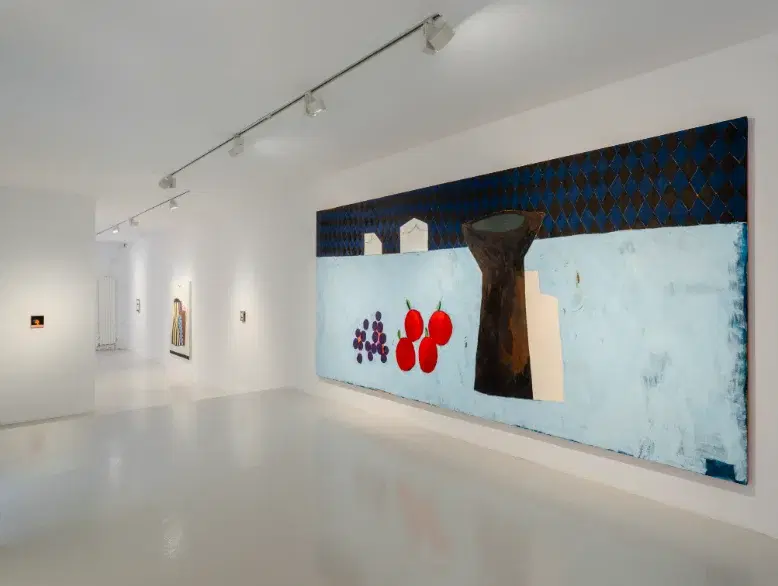
Ana Prata
5 Mar – 9 May 2026
Travesía Cuatro Madrid

Ends soon
Traversing the 20th Century
10 Feb – 10 May 2026
Museum ICO Madrid
Ends soon
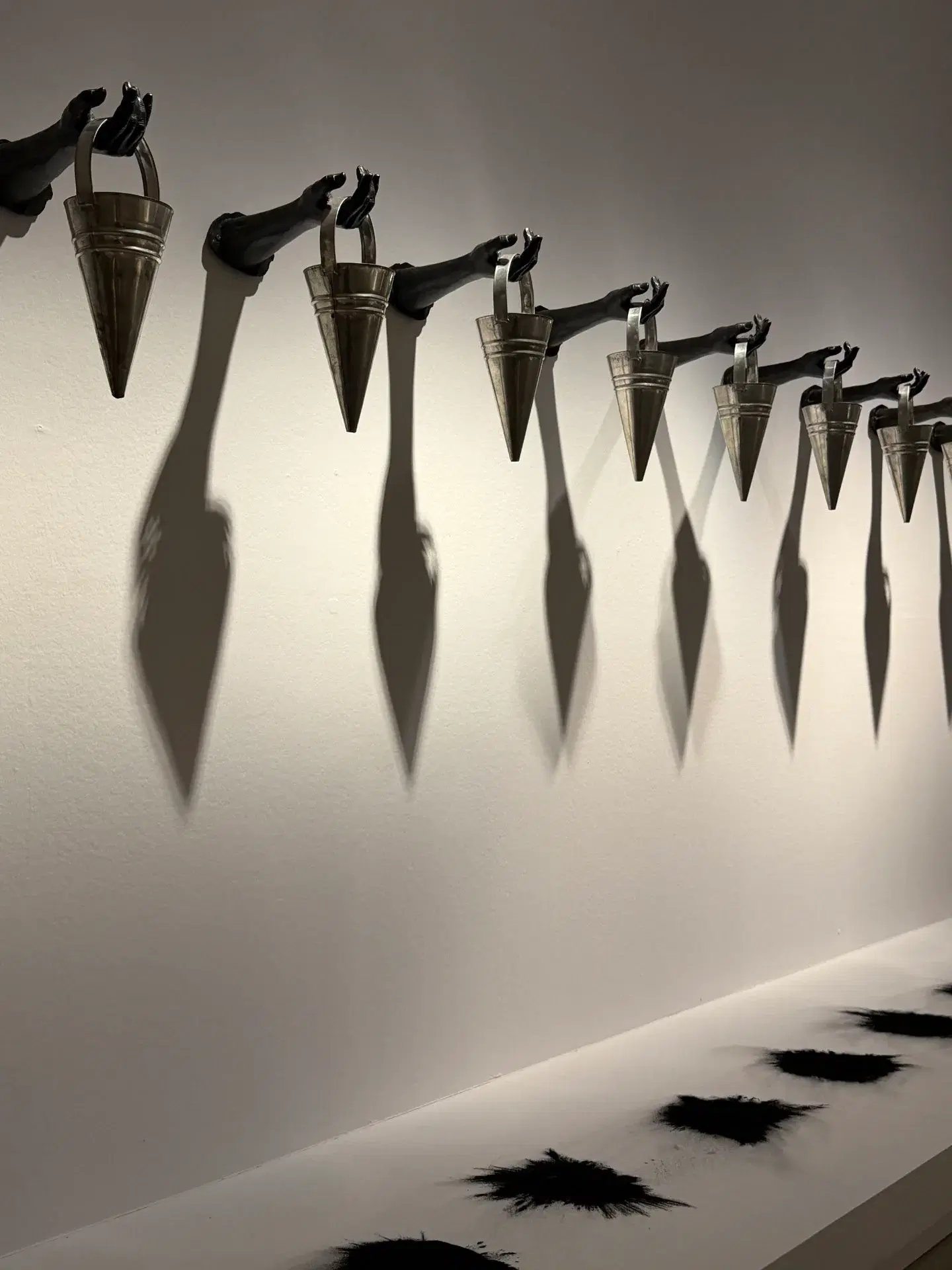
Journeying through the 20th Century
10 Feb – 10 May 2026
Museum ICO Madrid
Ends soon
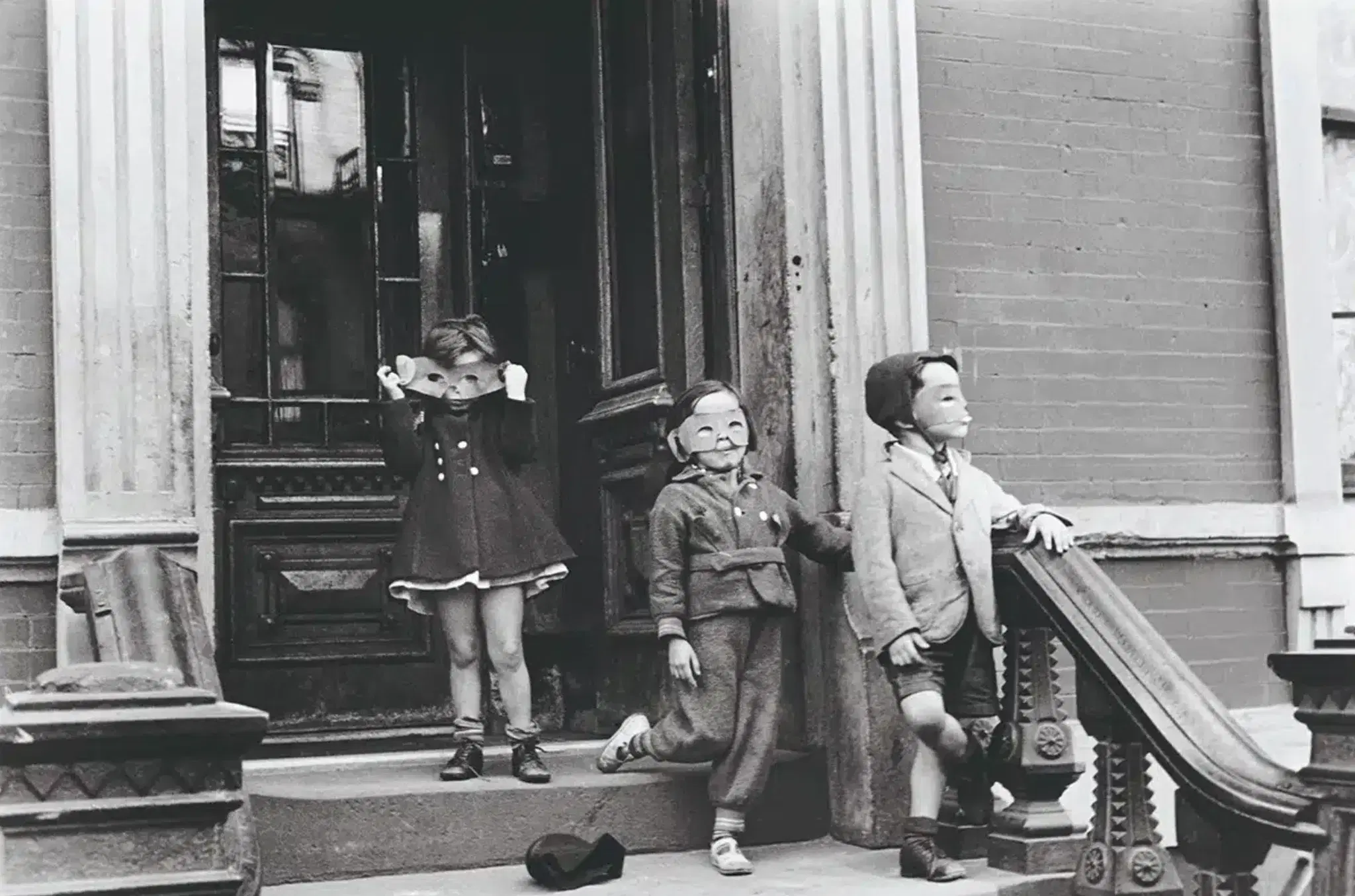
Helen Levitt
19 Feb – 17 May 2026
Fundación Mapfre Sala Recoletos
Ends soon
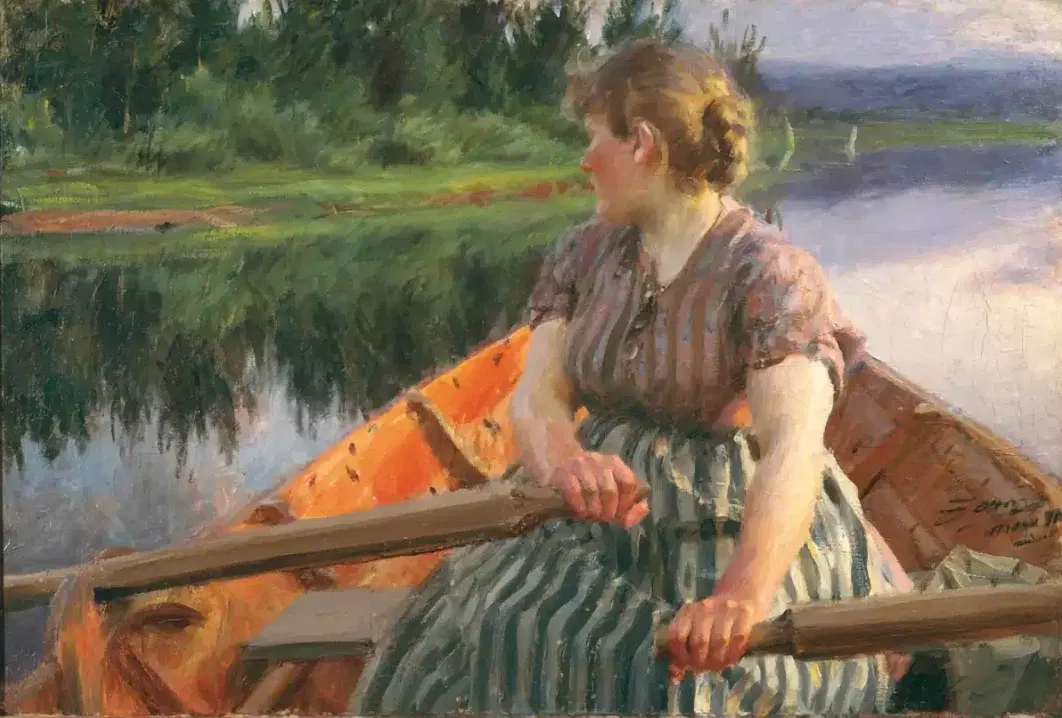
Anders Zorn.
19 Feb – 17 May 2026
Fundación Mapfre Sala Recoletos
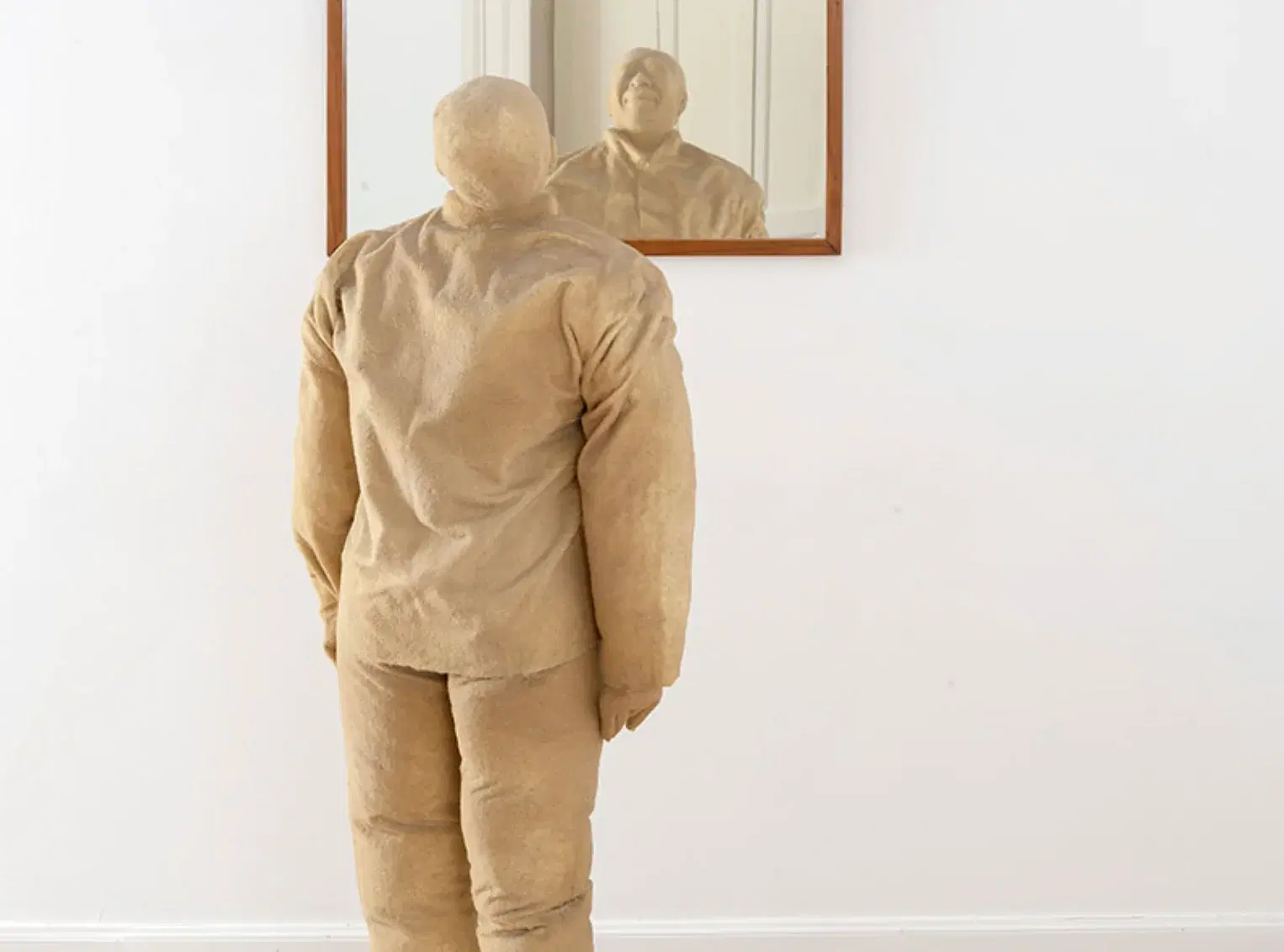
Space and Time
4 Mar – 23 May 2026
Casa de América
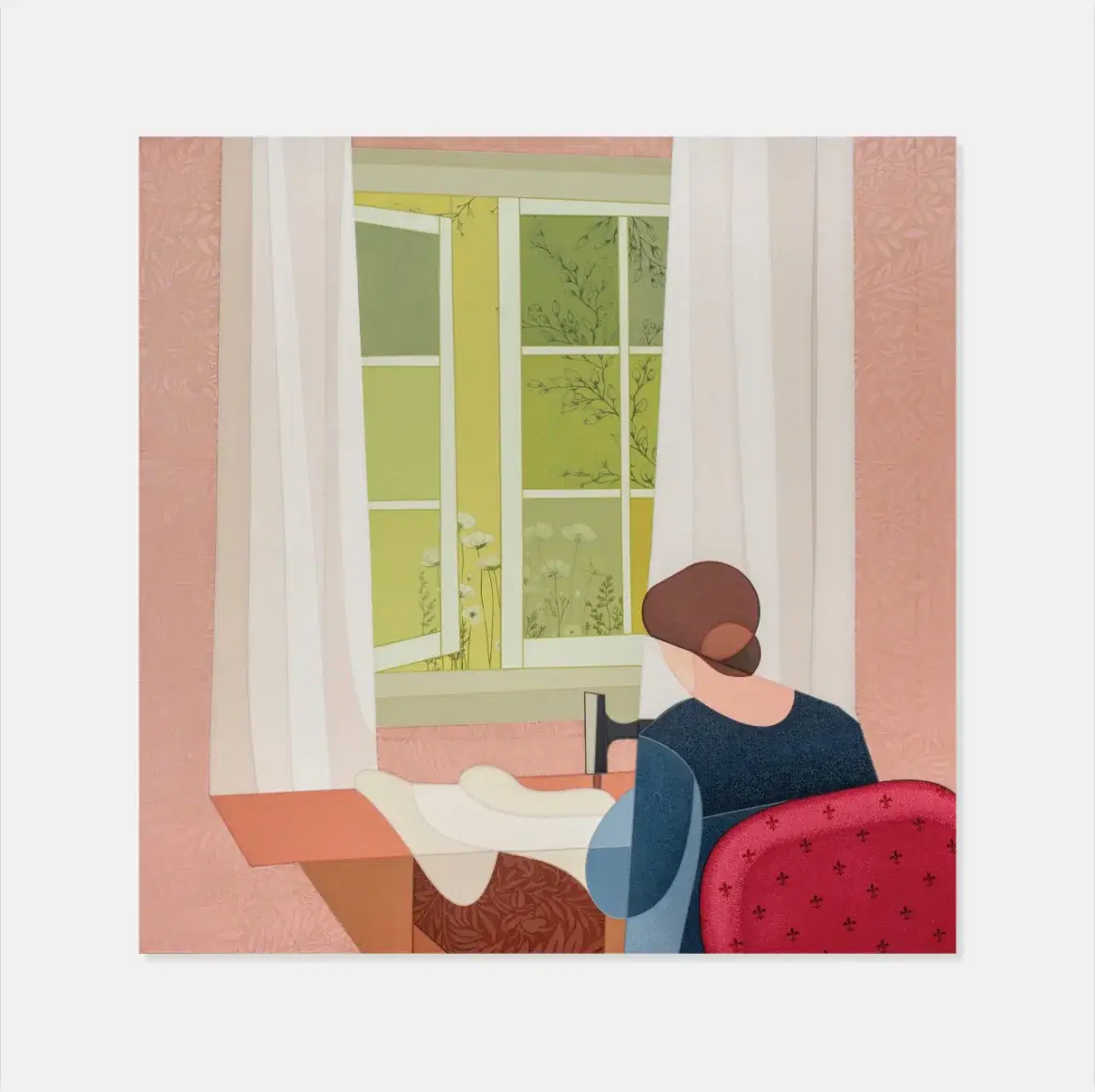
Eduardo Ponjuán. Ruy Lopez Opening
26 Feb – 23 May 2026
El Apartamento Madrid
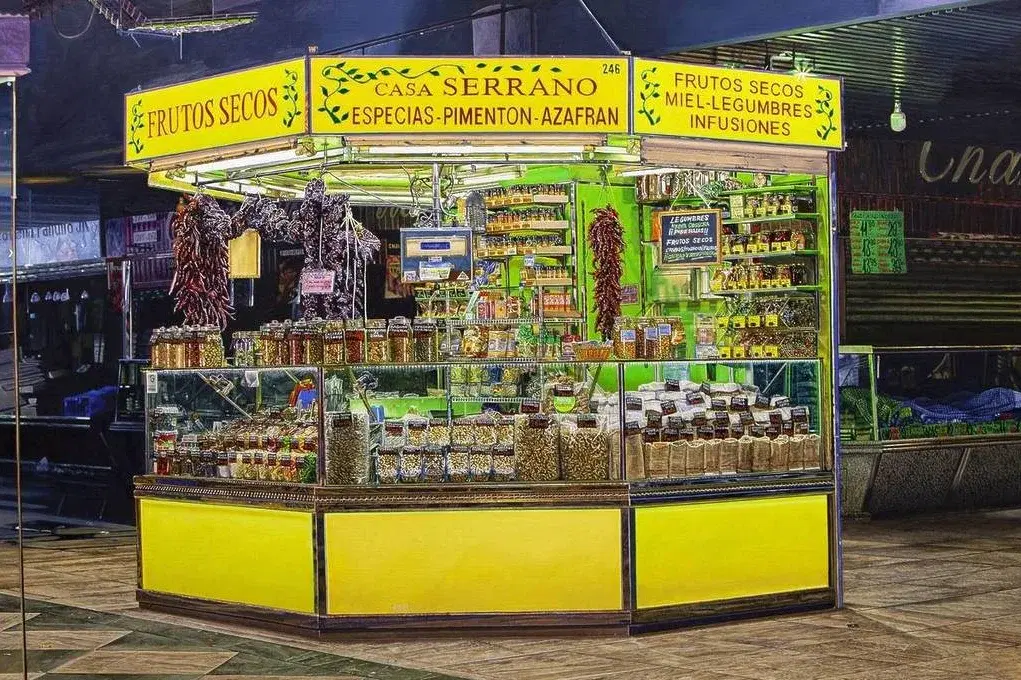
Hyperrealist Madrid
16 Dec 2025 – 24 May 2026
Museum of History of Madrid
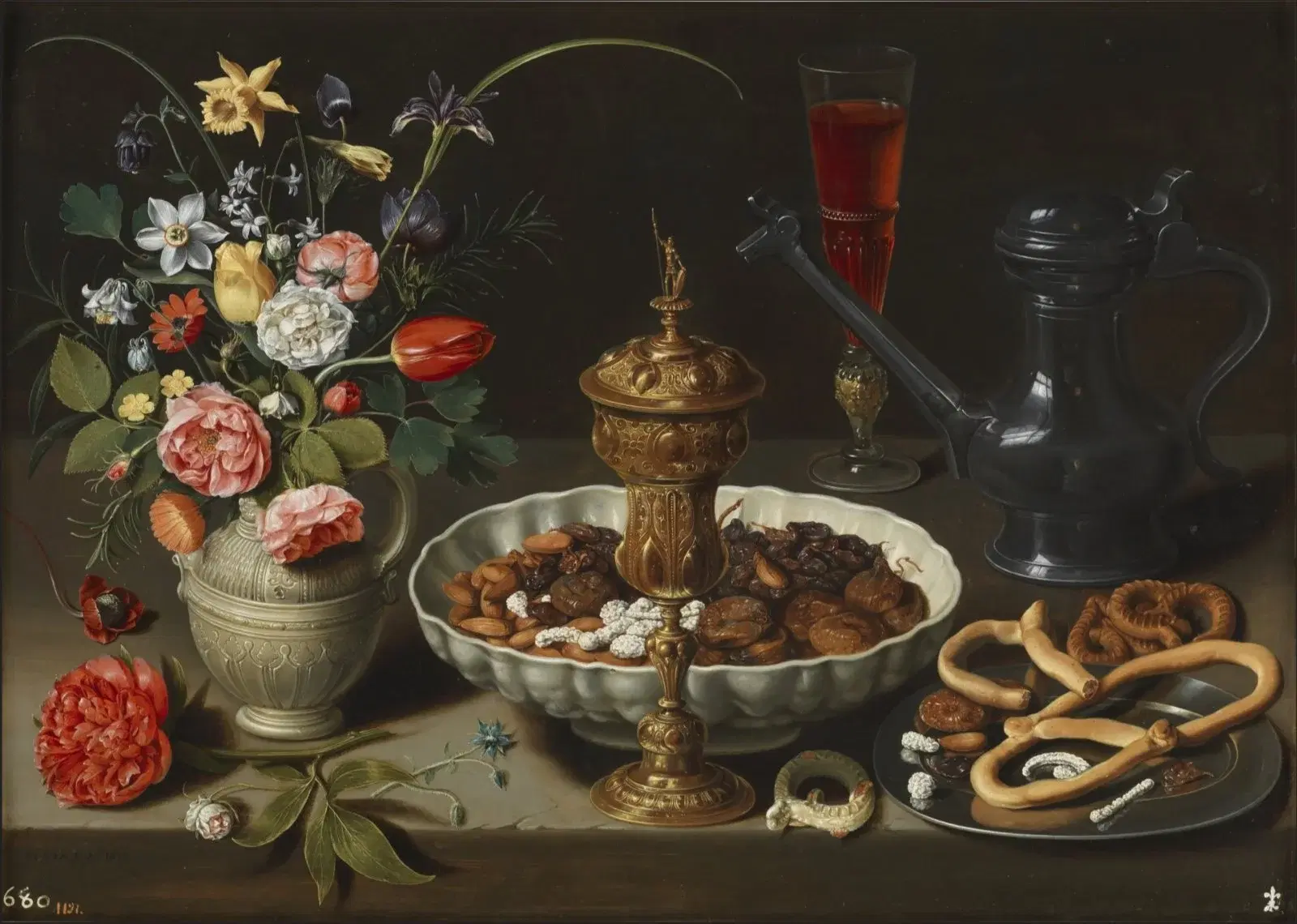
The Female Perspective
12 Jan – 24 May 2026
Museo Nacional del Prado